Fever of unknown origin (FUO): a 7-year clinical experience, etiological distribution, and diagnostic approaches
Meryem Sena Kaya, Sibel Yıldız Kaya, Rıdvan Karaali, Günay Can, İlker İnanç Balkan, Bilgül Mete, Fehmi Tabak, Neşe Saltoğlu

TL;DR
This study analyzes fever of unknown origin cases over seven years, finding a shift toward non-infectious causes and highlighting the importance of PET-CT and tailored diagnostic approaches.
Contribution
The study identifies a recent shift in FUO etiologies toward non-infectious causes and evaluates diagnostic tools and subgroup-specific patterns.
Findings
Collagen vascular diseases are now the most common cause of FUO, surpassing infections.
PET-CT and targeted biopsies are most effective for diagnosing malignancies and infections.
People living with HIV and immunosuppressed patients show distinct diagnostic patterns.
Abstract
Fever of unknown origin (FUO) remains a significant diagnostic challenge. Changes in patient populations and diagnostic technologies may shift the spectrum of underlying etiologies. This study aimed to examine recent FUO cases at a single tertiary center to identify changes in etiology compared with previous reports and between the pre- and post-COVID-19 pandemic periods, assess the diagnostic value of laboratory and imaging findings, and examine FUO characteristics in underrepresented subpopulations, including people living with HIV (human immunodefficiency virus), those on immunosuppressive therapy, and individuals with recurrent fever, with the goal of informing a center-specific diagnostic approach. A retrospective analysis was performed on 100 patients hospitalized with FUO between 2017 and 2024, classified according to Durack and Street’s criteria. Subgroups included classical (n…
Genes, proteins, chemicals, diseases, species, mutations and cell lines named across the full text — each resolved to its canonical identifier and authoritative record.
Click any figure to enlarge with its caption.
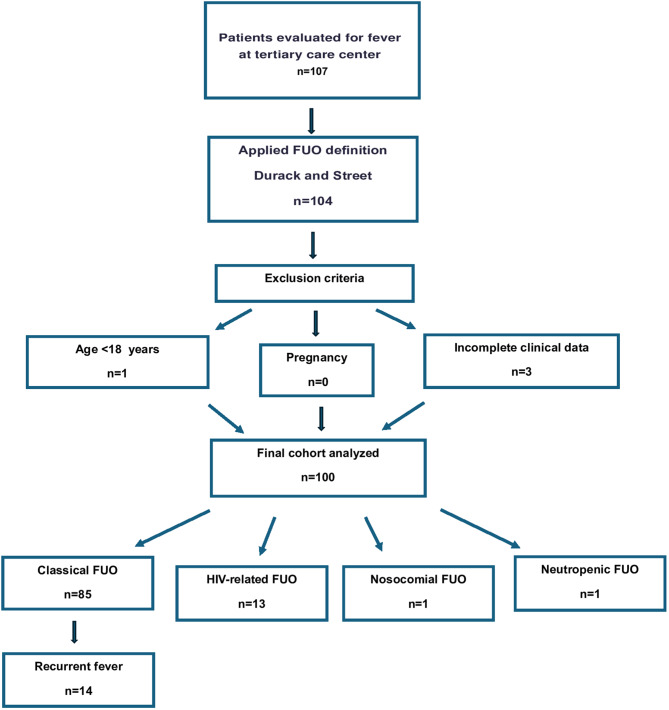 Figure 1
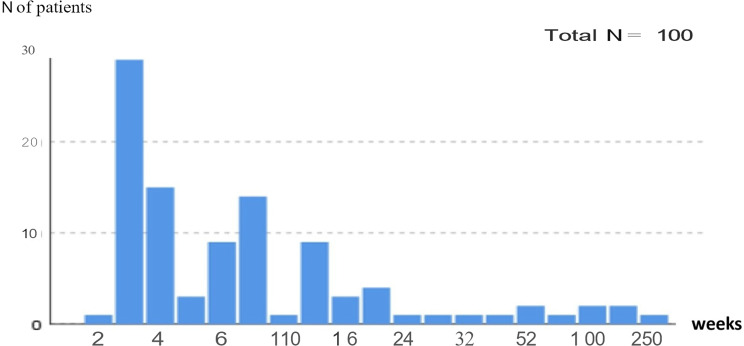 Figure 2
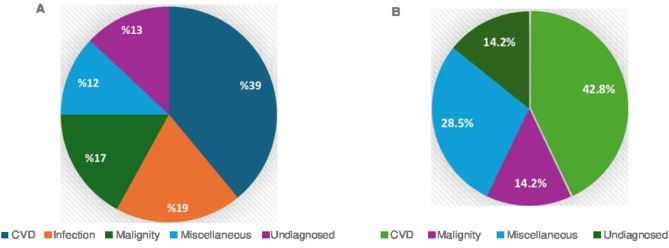 Figure 3
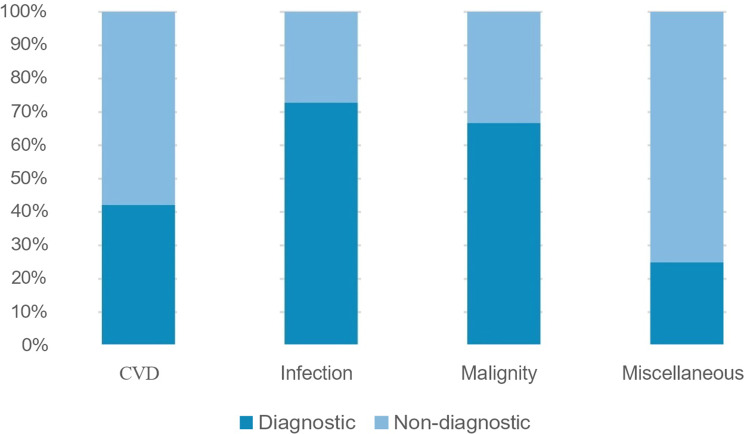 Figure 4
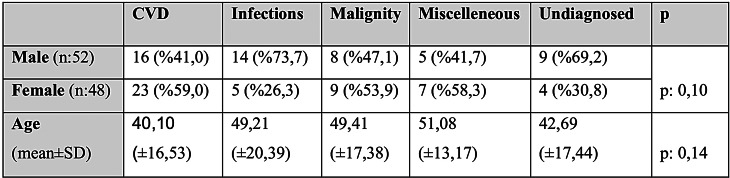 Figure 5
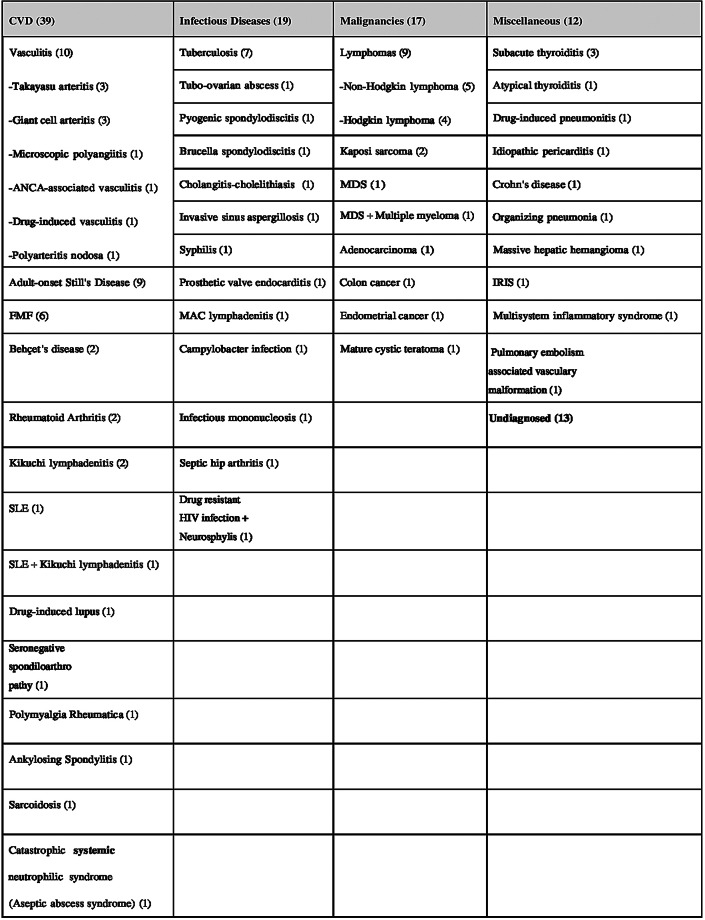 Figure 6
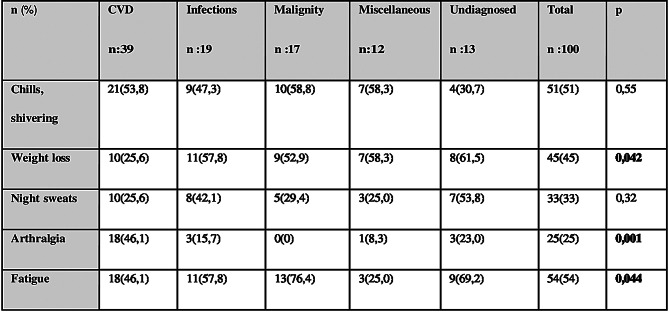 Figure 7
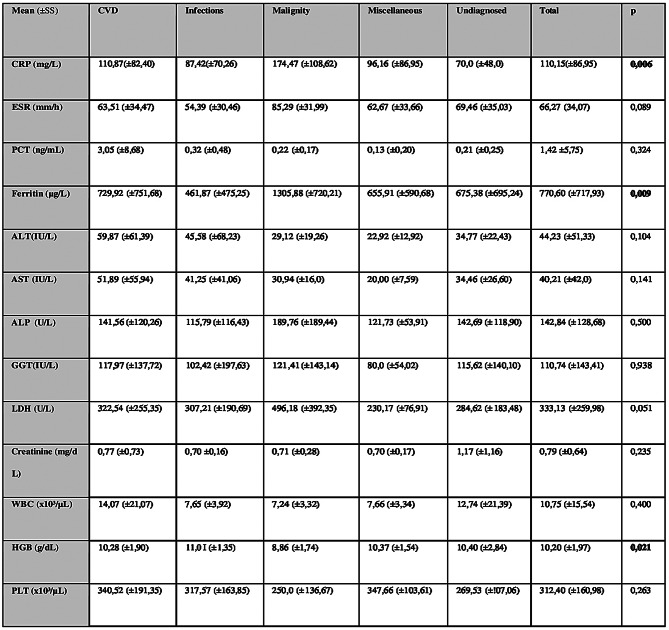 Figure 8
 Figure 9
 Figure 10
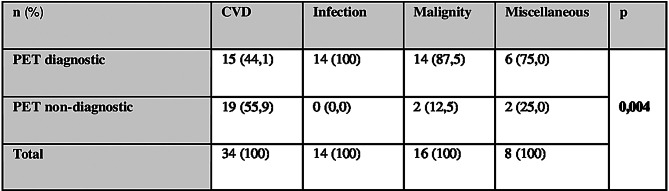 Figure 11
Peer Reviews
No public reviews on file for this paper yet. If you reviewed it on a platform where reviews are public (OpenReview, ICLR, NeurIPS, ICML), you can paste yours below so the community can read it here.
Videos
No videos yet. Explain this paper in a talk, walkthrough, or lecture? Add one.
Taxonomy
TopicsHematological disorders and diagnostics · Lymphadenopathy Diagnosis and Analysis · Autoimmune and Inflammatory Disorders Research