Preparation for a potential outbreak of bluetongue virus in Ireland: surveillance design to estimate local prevalence after an initial case detection
Miriam Casey-Bryars, Jamie A. Tratalos, Jamie M. Madden, Guy McGrath

TL;DR
This paper outlines a surveillance plan to estimate bluetongue virus prevalence in Ireland after an initial case is detected, using simulations and web tools to support outbreak response.
Contribution
The study introduces a two-stage surveillance design and interactive web tools for simulating bluetongue virus outbreak scenarios in Ireland.
Findings
Sampling 10–11 cattle per herd was sufficient for estimating within-herd prevalence.
Simulated between-herd prevalence estimates varied based on the number of sampled herds and assumed prevalence levels.
Web applications were developed to simulate scenarios and visualize outcomes for different diagnostic test parameters.
Abstract
Bluetongue virus serotype 3 emerged in northern Europe in 2023 and 2024. As of September 2025, Ireland is bluetongue free. However, to inform control decisions in the event of a possible incursion, a surveillance plan to detect cases and estimate prevalence is required. We created an active surveillance plan for 20 km radius temporary control zones (TCZs) after initial case detection. Potential TCZs (n = 1,062) covering Ireland were generated, and surveillance sample sizes were estimated based on cattle data in each TCZ. A two-stage (herd and animal level) design accounted for within-herd clustering. We simulated implementation of the surveillance plan in each TCZ to understand surveillance performance in the Irish cattle population. Within herd prevalence of 30% was used for all simulations, and we assumed the use of RT-PCR with perfect specificity and 99% sensitivity for diagnosis.…
Genes, proteins, chemicals, diseases, species, mutations and cell lines named across the full text — each resolved to its canonical identifier and authoritative record.
Click any figure to enlarge with its caption.
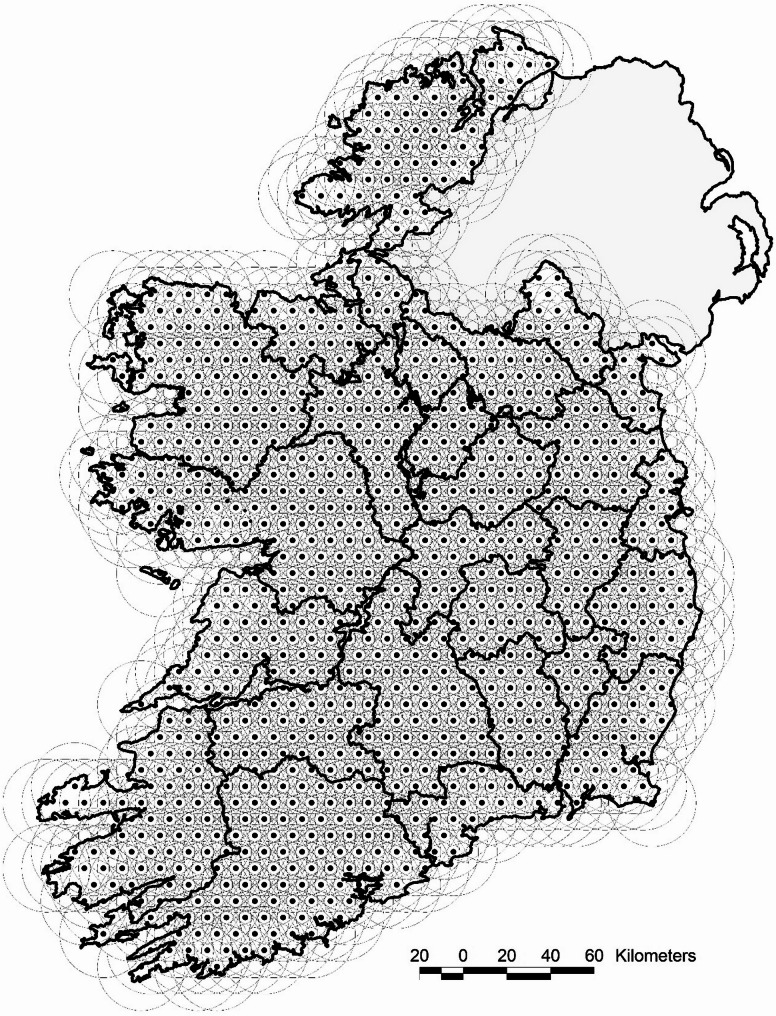 Figure 1
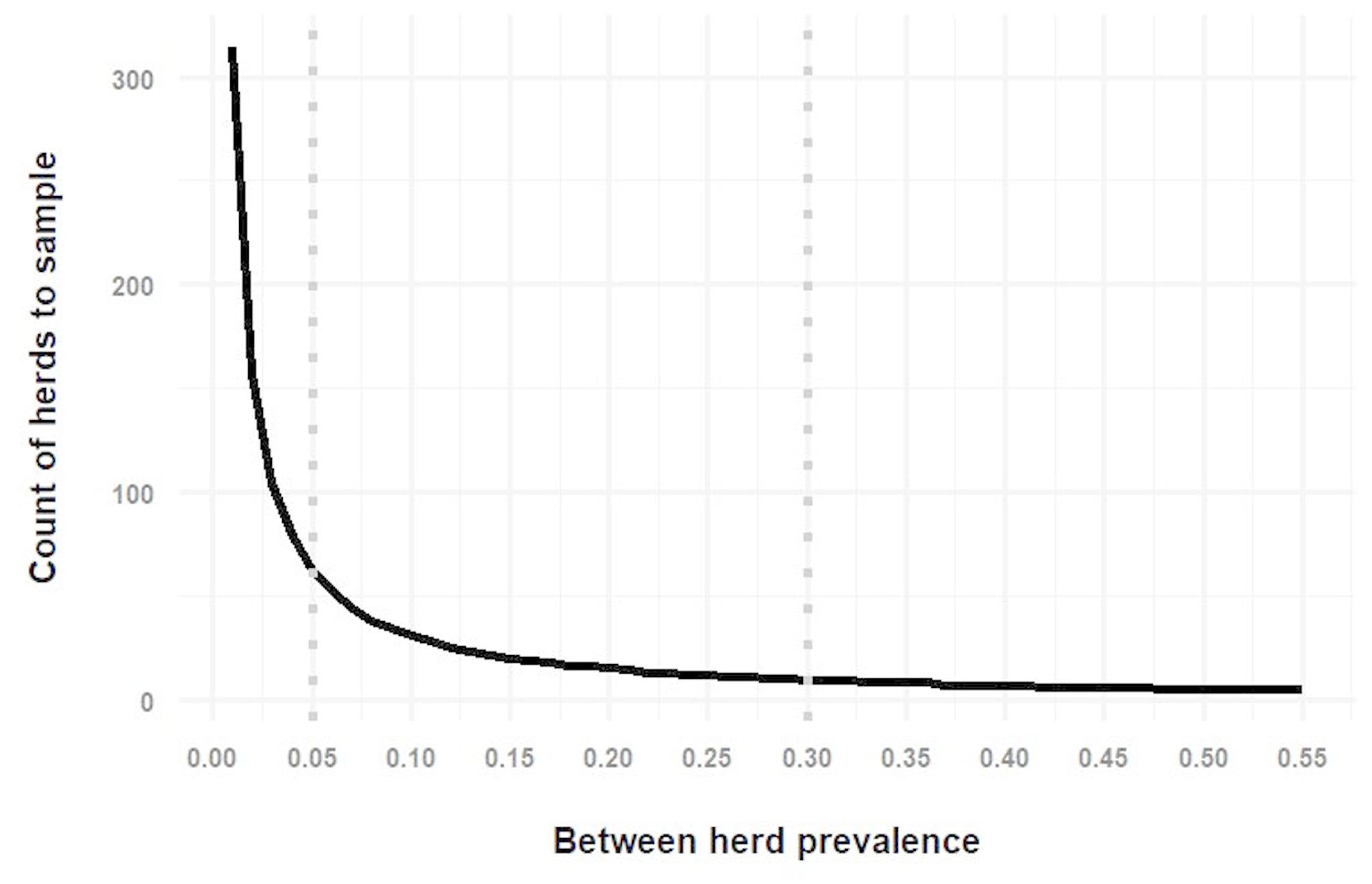 Figure 2
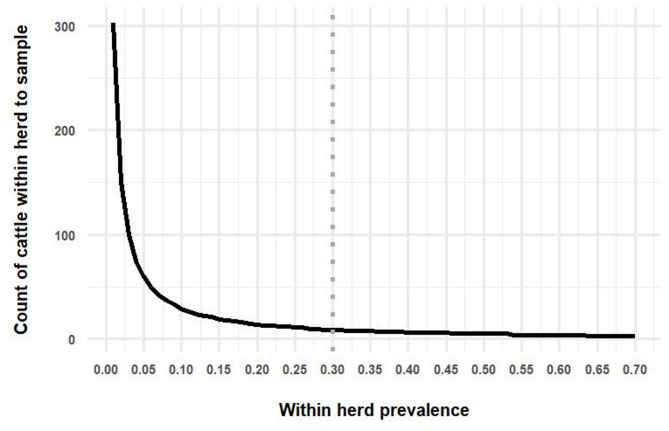 Figure 3
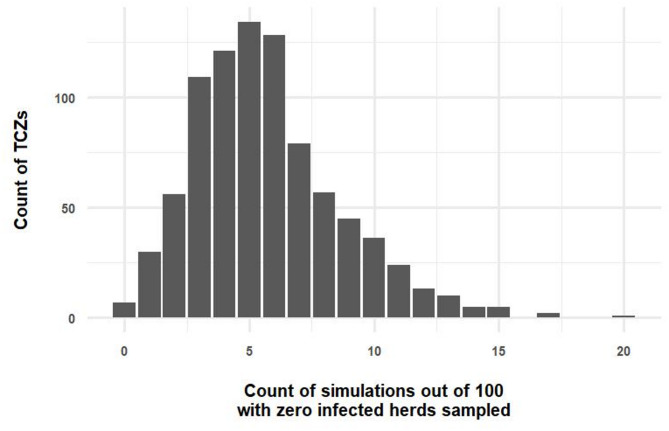 Figure 4
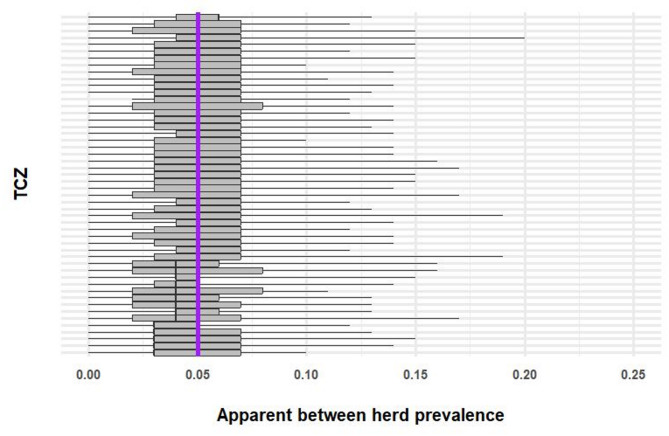 Figure 5
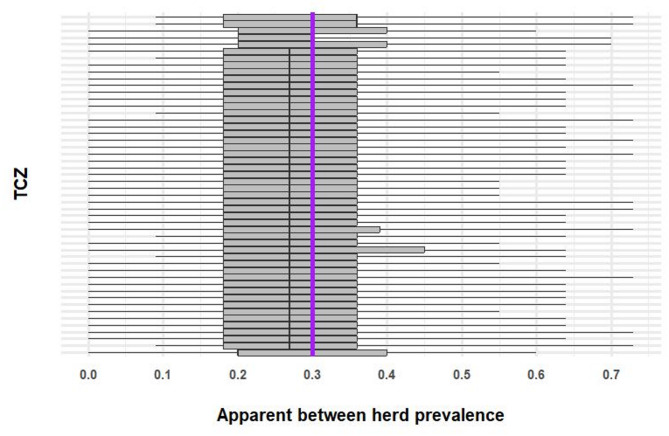 Figure 6
Peer Reviews
No public reviews on file for this paper yet. If you reviewed it on a platform where reviews are public (OpenReview, ICLR, NeurIPS, ICML), you can paste yours below so the community can read it here.
Videos
No videos yet. Explain this paper in a talk, walkthrough, or lecture? Add one.
Taxonomy
TopicsVector-Borne Animal Diseases · Animal Disease Management and Epidemiology · T-cell and Retrovirus Studies