Identifying Novel DNA Adducts in Amphipods and Developing Sample Preparation for Adductomics Using Dispersive Solid-Phase Extraction
Zareen Khan, Elena Gorokhova, Giulia Martella, Nisha H. Motwani, Natalia Tretyakova, Pedro F. M. Sousa, Hitesh V. Motwani

TL;DR
This paper introduces a new method for identifying DNA adducts in amphipods and improves sample preparation for DNA adductomics using dispersive solid-phase extraction.
Contribution
The study introduces a novel DNA adduct identification workflow and proposes dispersive solid-phase extraction for DNA adductomics in nonmammalian species.
Findings
16 DNA adducts were identified, including 10 novel modifications in amphipod DNA.
Dispersive solid-phase extraction reduced matrix interferences and improved LC–HRMS signal response by up to 170%.
The method is a simple alternative to conventional cleanup techniques for DNA adduct analysis in crustaceans.
Abstract
The growing use of environmental DNA adductomics for exposure assessment emphasizes the need for improved methods that are adapted to chemically and biologically diverse samples. While liquid chromatography coupled to high-resolution mass spectrometry (LC–HRMS) has advanced DNA adductome analysis, sample cleanup methods remain challenging, especially in nonmammalian models. Here, we used amphipod Monoporiea affinis, a sentinel species in biological effect studies, as a surrogate crustacean species for the method development. It is particularly suitable because its chitinous tissues and high lipid content present a challenging matrix for DNA extraction. We addressed the following objectives: (i) to propose adduct structures by combining multiple tools for DNA adduct screening and (ii) to evaluate the applicability of dispersive solid-phase extraction (d-SPE) as a cleanup step for DNA…
Genes, proteins, chemicals, diseases, species, mutations and cell lines named across the full text — each resolved to its canonical identifier and authoritative record.
Click any figure to enlarge with its caption.
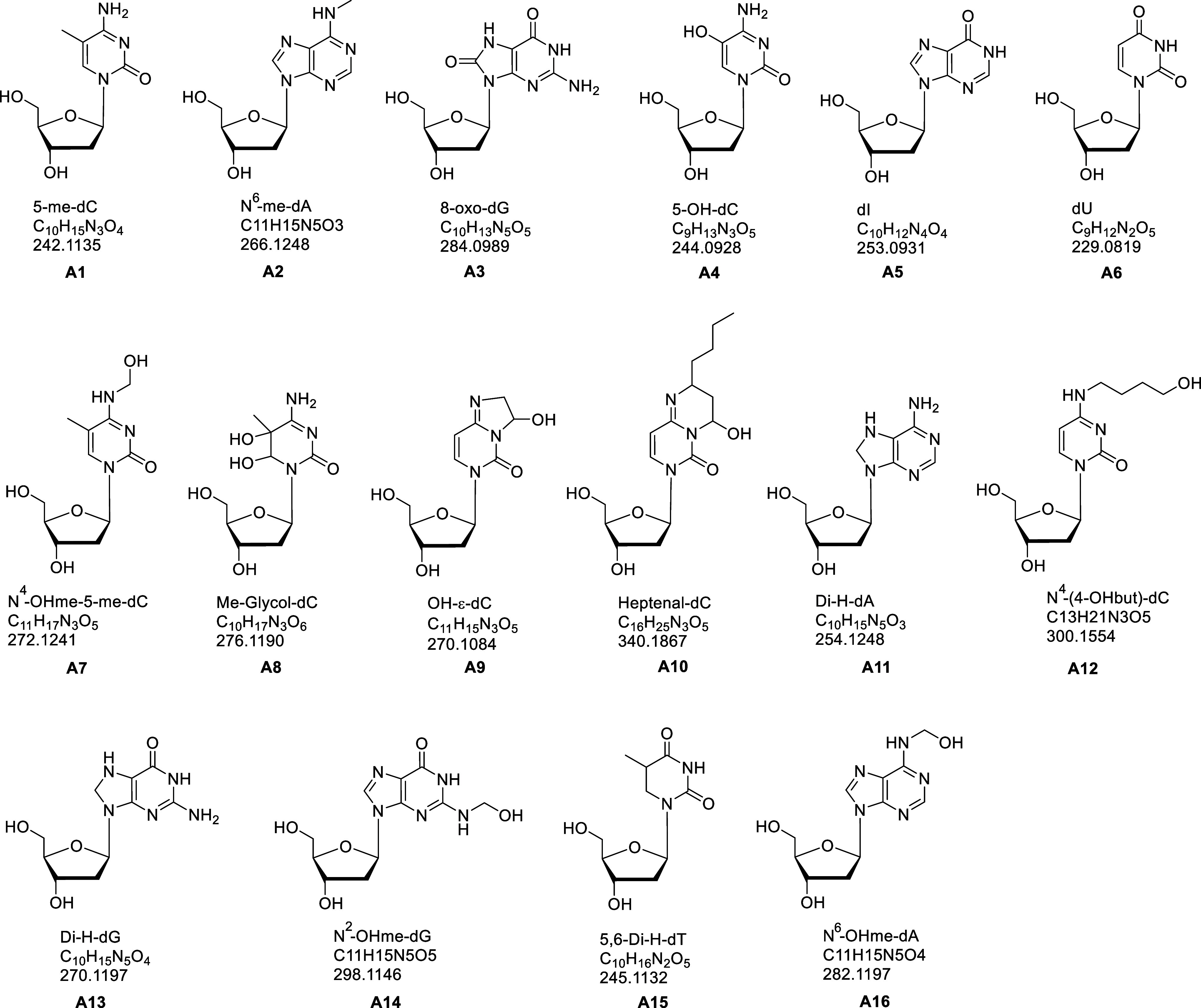 Figure 1
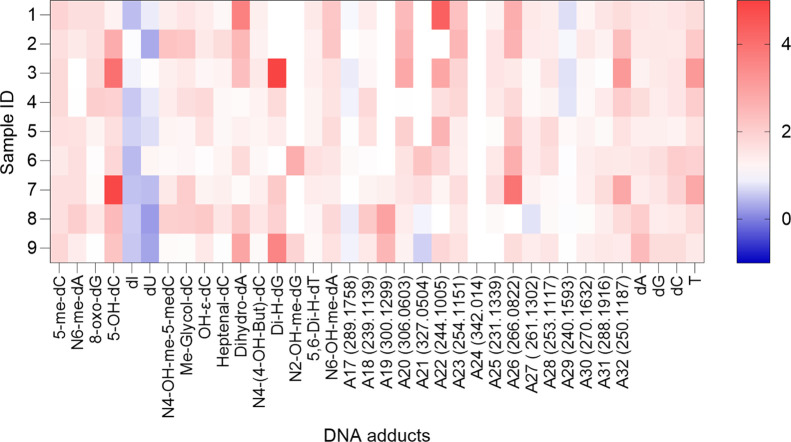 Figure 2
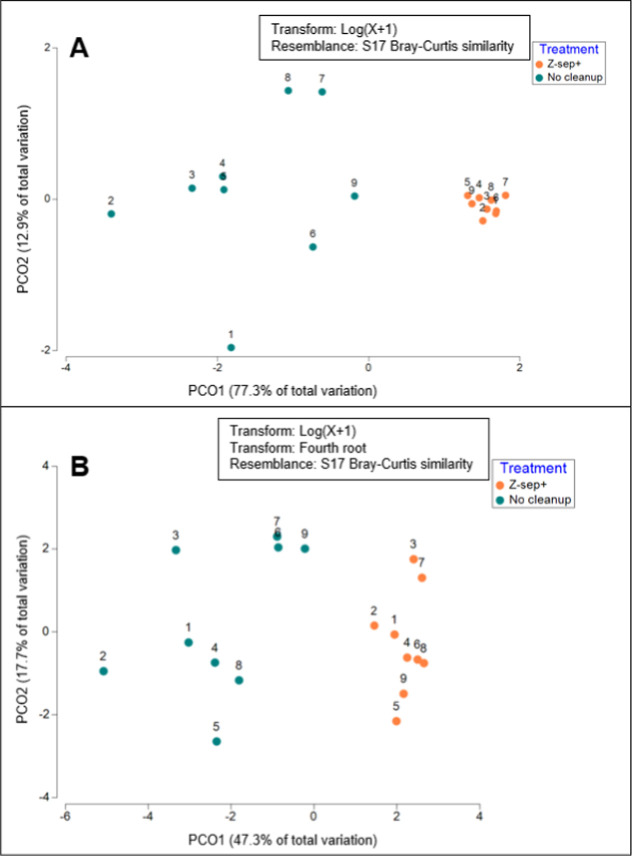 Figure 3
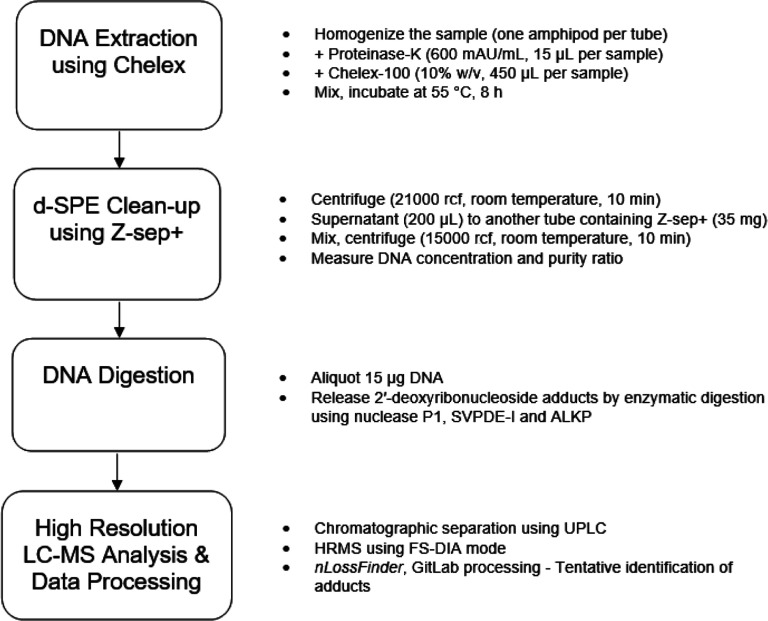 Figure 4
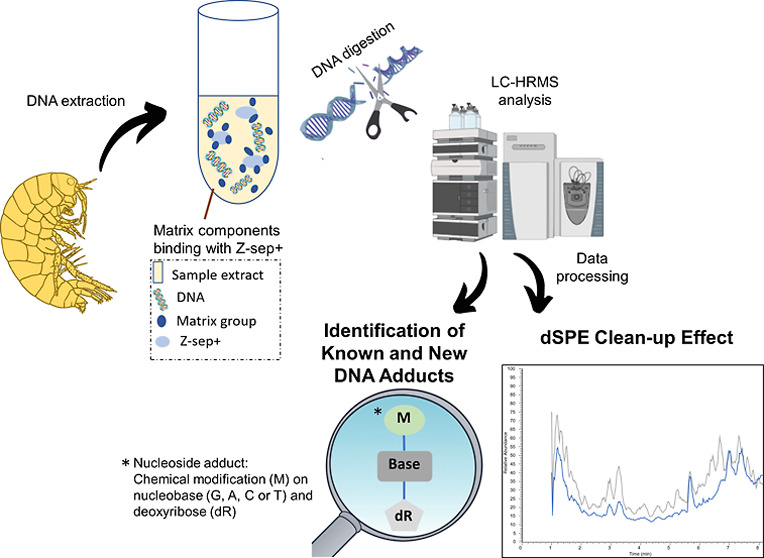 Figure 5
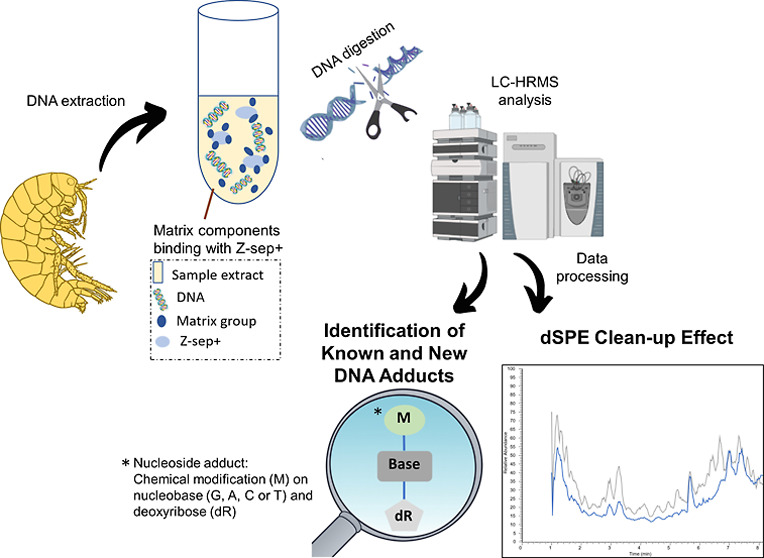 Figure 6
Peer Reviews
No public reviews on file for this paper yet. If you reviewed it on a platform where reviews are public (OpenReview, ICLR, NeurIPS, ICML), you can paste yours below so the community can read it here.
Videos
No videos yet. Explain this paper in a talk, walkthrough, or lecture? Add one.
Taxonomy
TopicsEnvironmental Toxicology and Ecotoxicology · Marine Biology and Environmental Chemistry · Effects and risks of endocrine disrupting chemicals