Expected and Unexpected “Guests” at the Active Site of Human Orotidine 5′-Monophosphate Decarboxylase
Laura Liliana Kirck, Elisa Santagostino, Laurin Brandhoff, Nadja A. Simeth, Kai Tittmann

TL;DR
This study explores the active site of the highly efficient enzyme OMPDC using X-ray crystallography and binding experiments to understand how different molecules interact with it.
Contribution
The study identifies unexpected ligands at the active site of OMPDC and proposes new strategies for designing more effective inhibitors.
Findings
XMP and dTMP were found bound to OMPDC and its Thr321Asn variant with high binding affinities.
A new transition-state analogue, YMP, formed a favorable hydrogen bond but faced an entropic penalty.
5-methyl OMP improved ligand-enzyme interactions through hydrophobic stabilization.
Abstract
With an extraordinary rate enhancement of 1017 compared to the uncatalyzed reaction and no need for a cofactor, orotidine 5′-monophosphate decarboxylase (OMPDC) is considered one of the most efficient enzymes. Its mechanism has fascinated researchers for over 50 years. In this study, we used high-resolution X-ray crystallography to examine the molecular interactions between the active site of human OMPDC and various natural and synthetic ligands, including transition-state and product analogues, at the atomic level. Additionally, we evaluated their binding affinities with isothermal titration calorimetry (ITC). During protein expression and subsequent structure analysis, we identified nucleotides xanthosine-5′-monophosphate (XMP) and thymidine-5′-monophosphate (dTMP) bound to the active sites of OMPDC and its Thr321Asn variant, respectively, and confirmed their high binding affinities…
Genes, proteins, chemicals, diseases, species, mutations and cell lines named across the full text — each resolved to its canonical identifier and authoritative record.
Click any figure to enlarge with its caption.
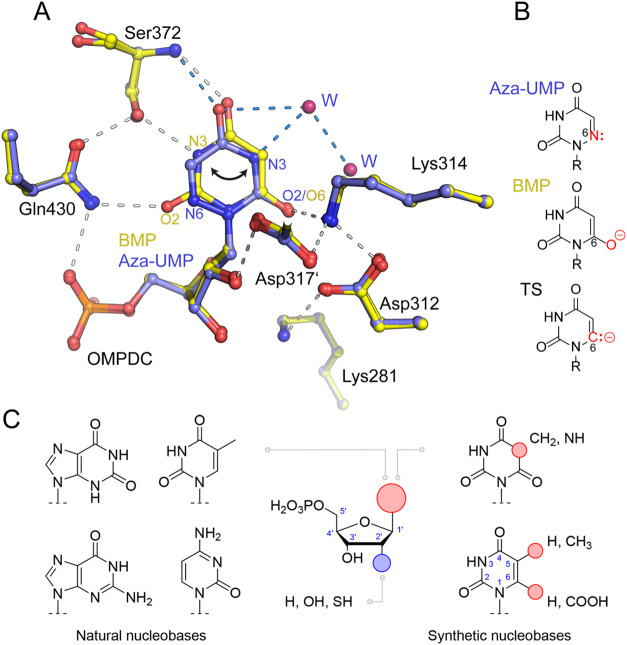 Figure 1
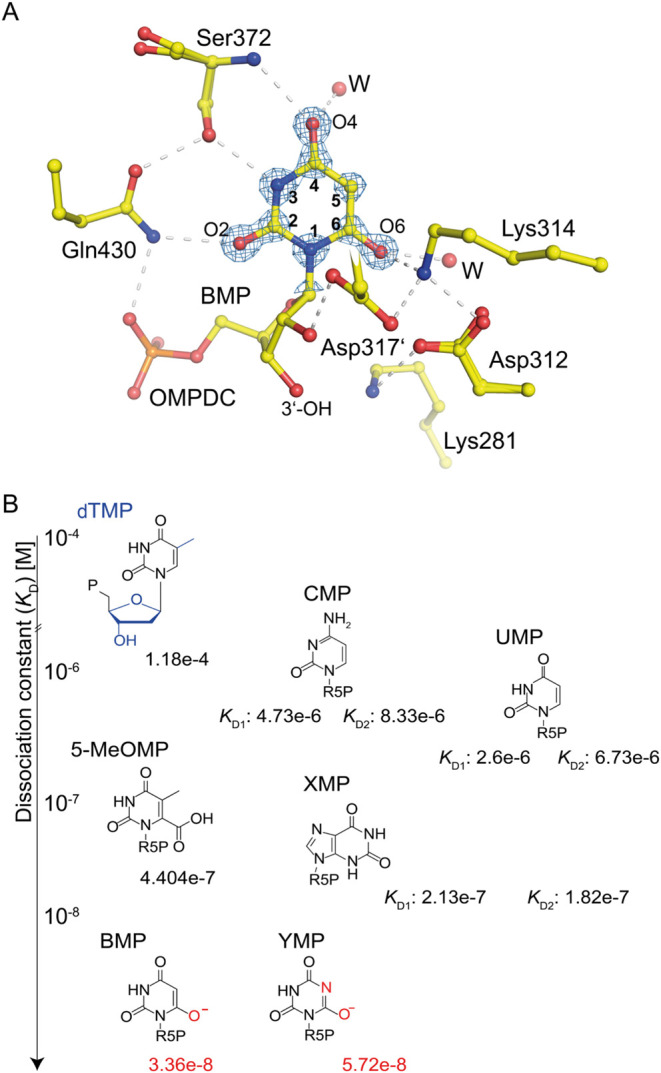 Figure 2
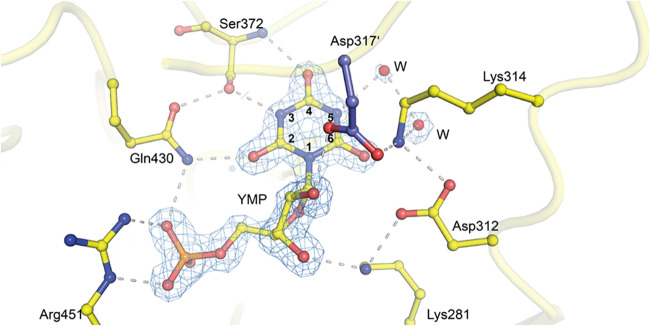 Figure 3
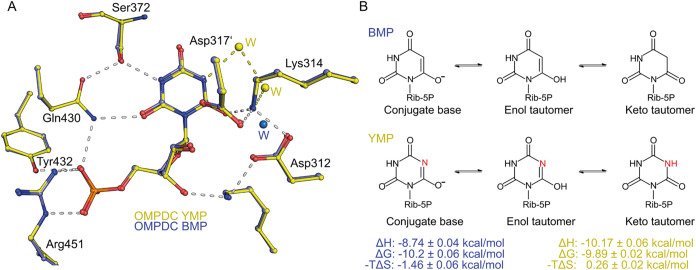 Figure 4
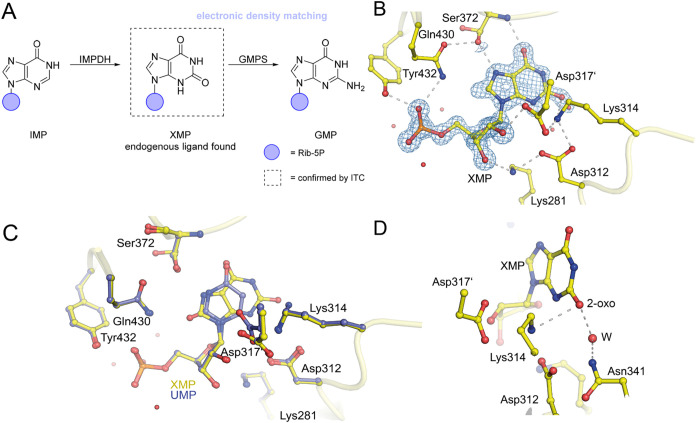 Figure 5
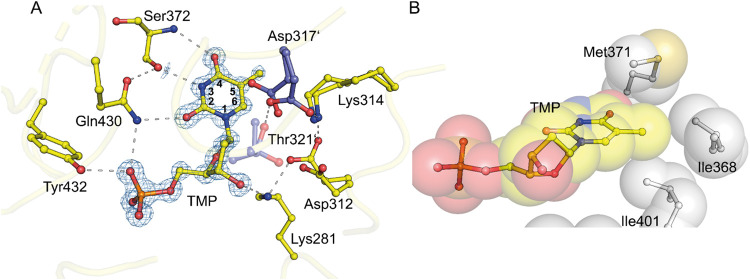 Figure 6
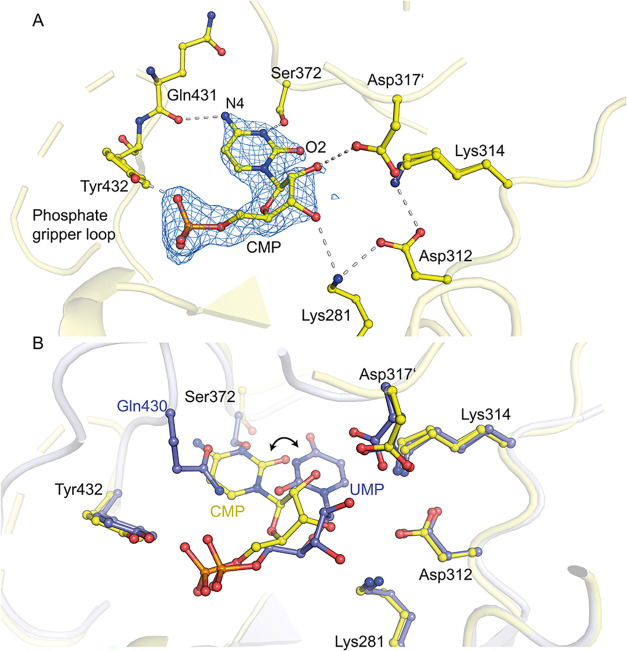 Figure 7
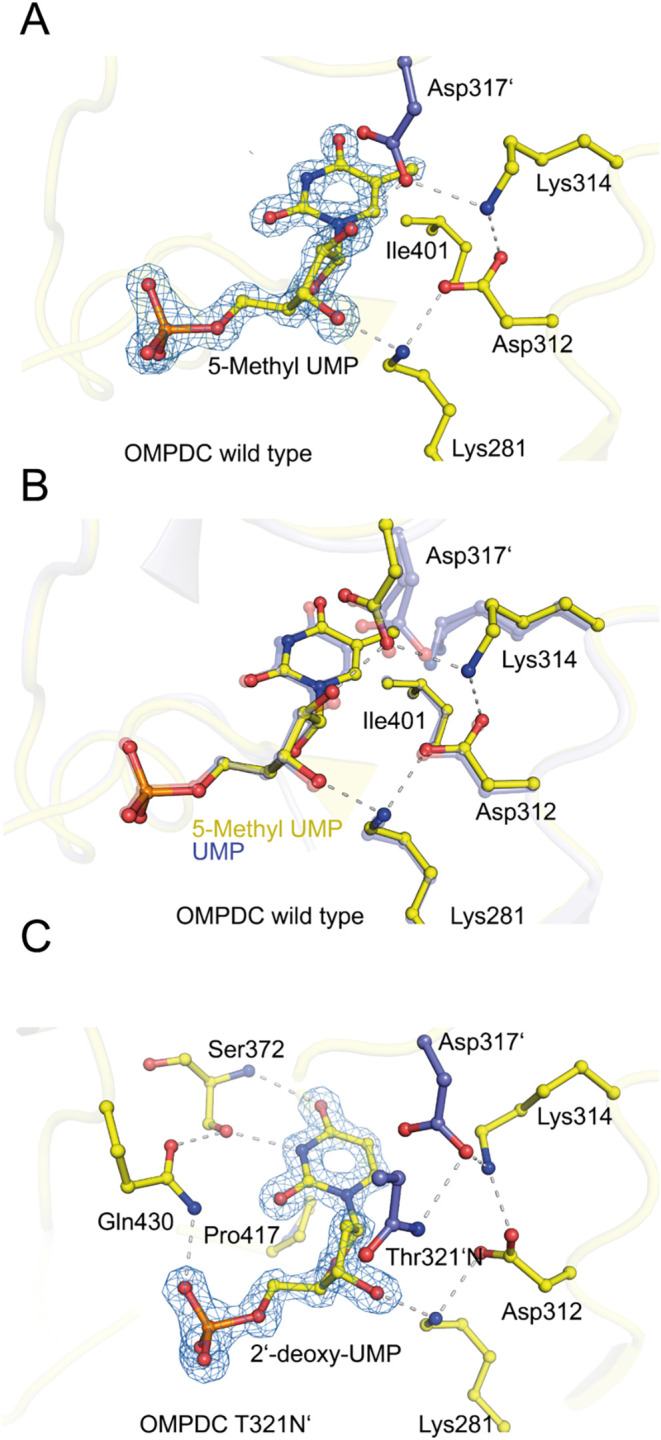 Figure 8
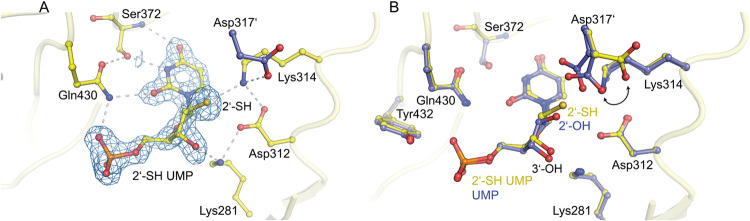 Figure 9
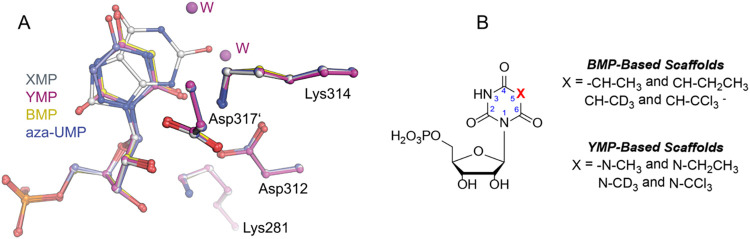 Figure 10
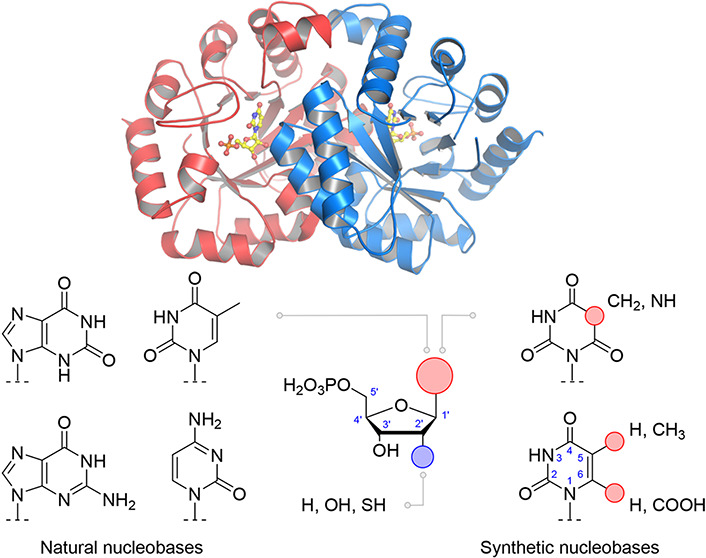 Figure 11
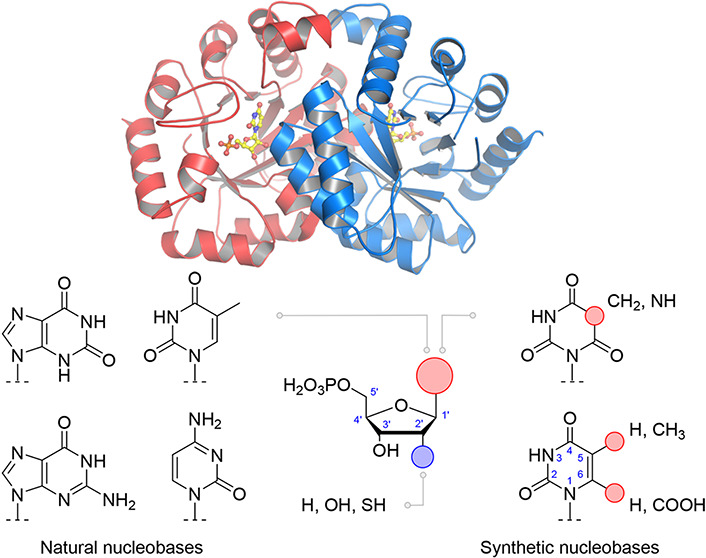 Figure 12
 Figure 13
 Figure 14
Peer Reviews
No public reviews on file for this paper yet. If you reviewed it on a platform where reviews are public (OpenReview, ICLR, NeurIPS, ICML), you can paste yours below so the community can read it here.
Videos
No videos yet. Explain this paper in a talk, walkthrough, or lecture? Add one.
Taxonomy
TopicsEnzyme Structure and Function · Endoplasmic Reticulum Stress and Disease · Neurological diseases and metabolism