Stimulus-Responsive Modulation of Solvation Environments in Solid Catalysts
Pengcheng Huang, Bin Wang, Jimmy A. Faria Albanese

TL;DR
This paper explores how smart polymer coatings on solid catalysts can change the solvation environment, leading to better control over chemical reactions and improved catalyst performance.
Contribution
The paper introduces a new approach using stimulus-responsive polymers to modulate solvation environments in solid catalysts for enhanced catalytic behavior.
Findings
Polymer coatings can alter the solvation environment around catalytic sites, affecting reaction energy landscapes and selectivity.
Stimulus-responsive polymers enable the creation of smart catalysts with tunable activity and stability.
These materials can mimic biological self-regulation, offering potential for advanced chemical processes and nanoreactors.
Abstract
Liquid environments play a crucial role in the biological processes occurring in living organisms as well as in many human-made processes involving electrochemistry, photo-, and thermocatalysis. In the majority of these systems, aqueous phases are ubiquitous due to water’s natural abundance. Water molecules, however, can exert large changes in the chemical environment of catalytically active sites, altering the reaction rates, selectivity, and catalyst stability. These solvation effects induced by water molecules near catalytic sites can drastically change the energy landscape and unlock unique reaction pathways with far more favorable kinetics. In nature, living organisms couple these complex interactions with detection, communication, and actuation mechanisms to induce self-regulatory behavior, ensuring stability of the system and thus long-term durability. Extrapolating this behavior…
Genes, proteins, chemicals, diseases, species, mutations and cell lines named across the full text — each resolved to its canonical identifier and authoritative record.
Click any figure to enlarge with its caption.
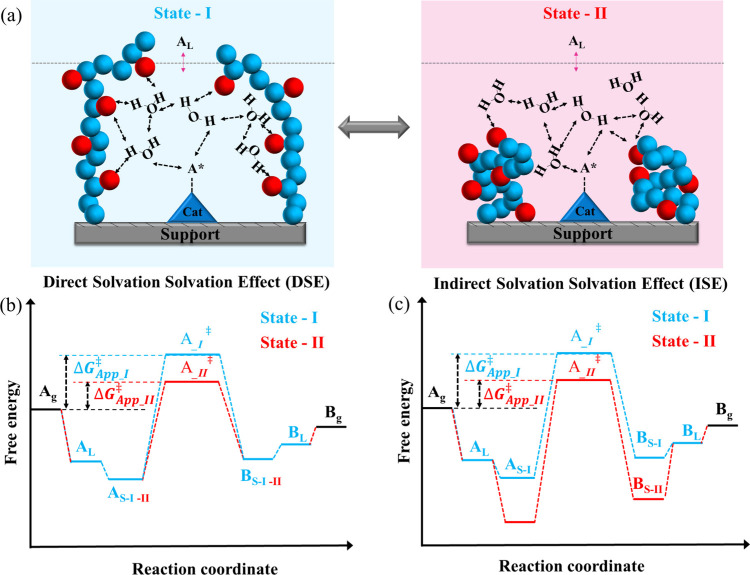 Figure 1
 Figure 2
 Figure 3
 Figure 4
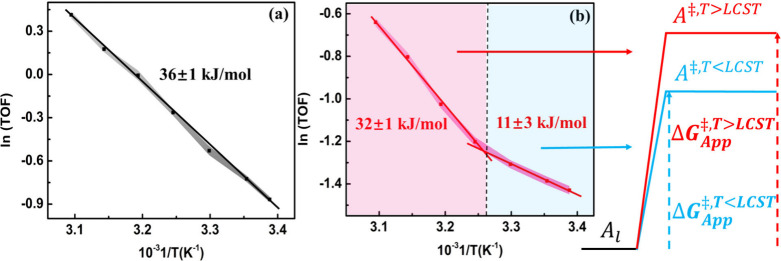 Figure 5
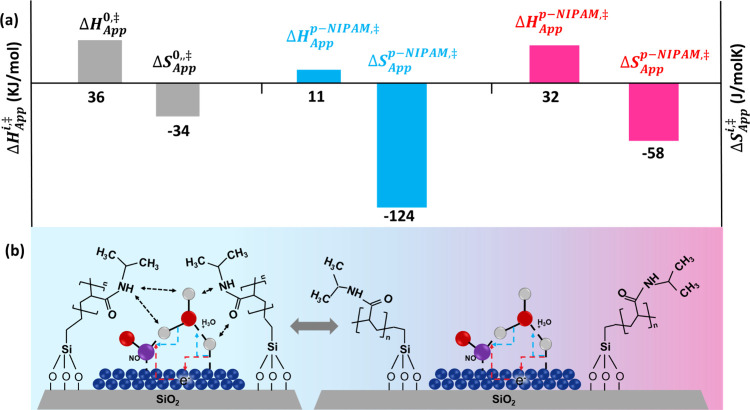 Figure 6
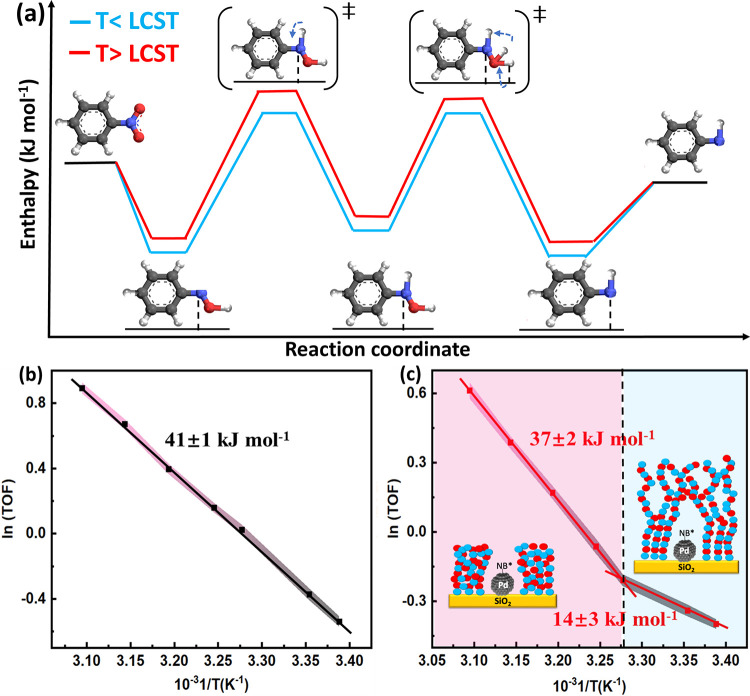 Figure 7
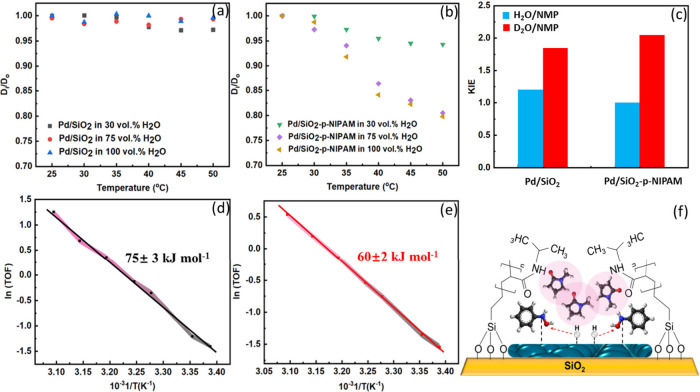 Figure 8
 Figure 9
 Figure 10
 Figure 11
 Figure 12
 Figure 13
 Figure 14
 Figure 15
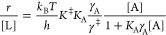 Figure 16
 Figure 17
 Figure 18
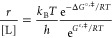 Figure 19
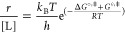 Figure 20
 Figure 21
 Figure 22
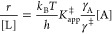 Figure 23
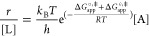 Figure 24
 Figure 25
 Figure 26
 Figure 27
 Figure 28
Peer Reviews
No public reviews on file for this paper yet. If you reviewed it on a platform where reviews are public (OpenReview, ICLR, NeurIPS, ICML), you can paste yours below so the community can read it here.
Videos
No videos yet. Explain this paper in a talk, walkthrough, or lecture? Add one.
Taxonomy
TopicsElectrocatalysts for Energy Conversion · CO2 Reduction Techniques and Catalysts · Polymer Surface Interaction Studies