Proteomic and functional analysis of alpaca (Vicugna pacos) sperm quality following in vitro capacitation with follicular and oviductal fluids
Edith A. Torres Hualla, Alba Martiarena, María Gabriela Buglio Ballesteros, Maribel Fortunata Medina Rojas, Cristian Rivera Chino, Daniel Gandarillas Espezua, Martin E. Argañaraz

TL;DR
This study explores how follicular and oviductal fluids affect alpaca sperm quality and capacitation, revealing key differences in their roles.
Contribution
The first partial proteome of capacitated alpaca sperm and matched reproductive fluids is presented, offering new insights into camelid reproduction.
Findings
Follicular fluid enhances sperm motility, viability, and acrosome responsiveness while inducing proteomic changes linked to capacitation.
Oviductal fluid underrepresents capacitation-related pathways and contains factors that may delay premature capacitation.
The study identifies specific proteins and metabolic processes involved in sperm capacitation and stabilization in camelids.
Abstract
Assisted reproductive technologies, such as in vitro fertilization, remain inefficient in camelids, largely due to gaps in understanding the molecular interactions that regulate sperm capacitation. Fertilization requires not only viable spermatozoa but also the precise modulation of capacitation by the peri-ovulatory microenvironment, including follicular fluid (FF) and oviductal fluid (OF). In this study, spermatozoa were incubated in Fert-TALP medium supplemented with FF or OF, and both functional outcomes and proteomic remodeling were assessed. Sperm treatments were evaluated in five independent biological replicates per individual (three individuals), with triplicate proteomics performed. FF (n = 20) was collected from pre-ovulatory follicles (7–9 mm) and OF (n = 10) from the corresponding ipsilateral oviducts, thereby reflecting the in vivo environment encountered by sperm in the…
Genes, proteins, chemicals, diseases, species, mutations and cell lines named across the full text — each resolved to its canonical identifier and authoritative record.
Click any figure to enlarge with its caption.
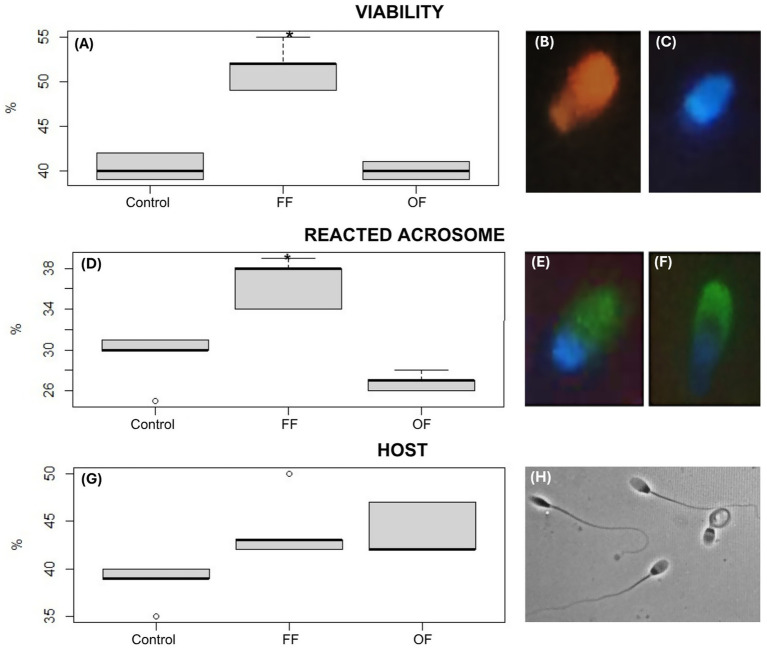 Figure 1
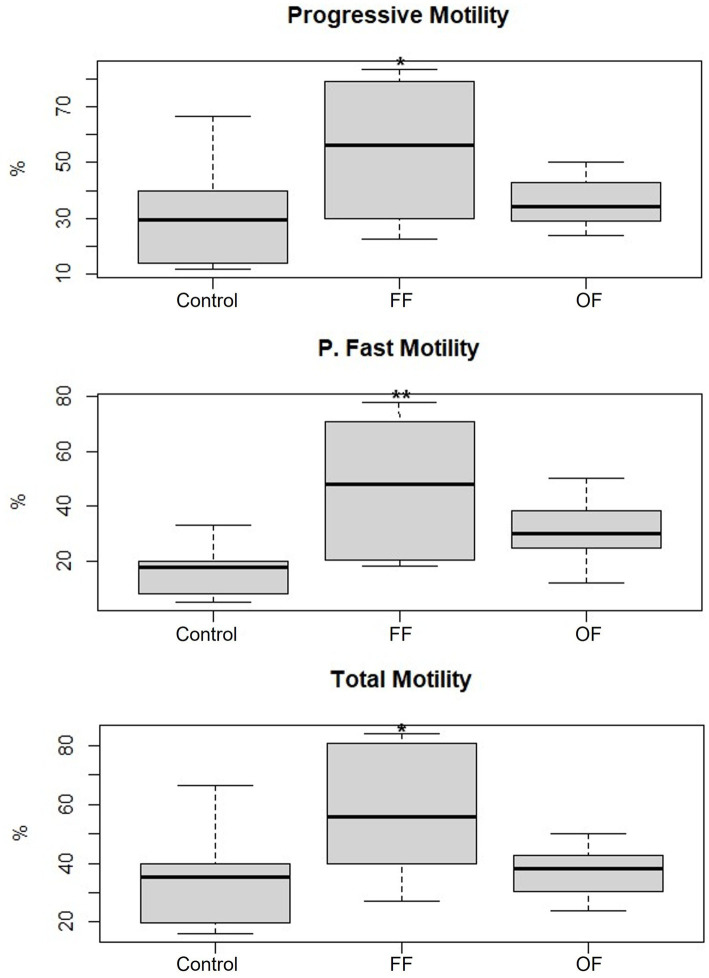 Figure 2
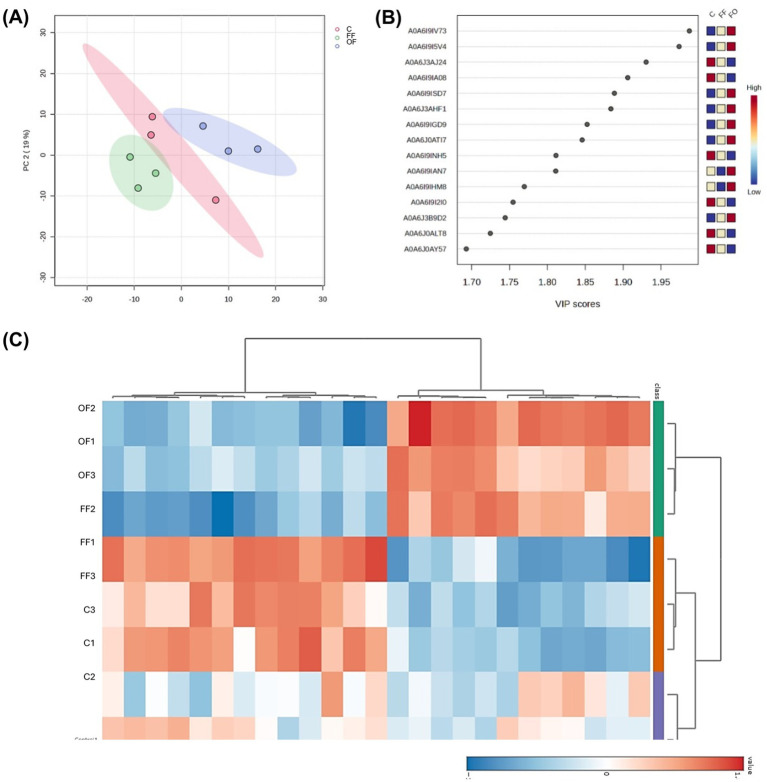 Figure 3
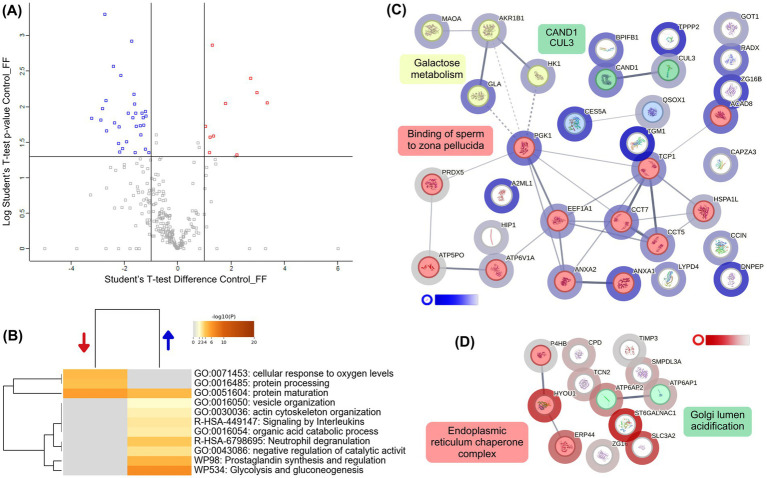 Figure 4
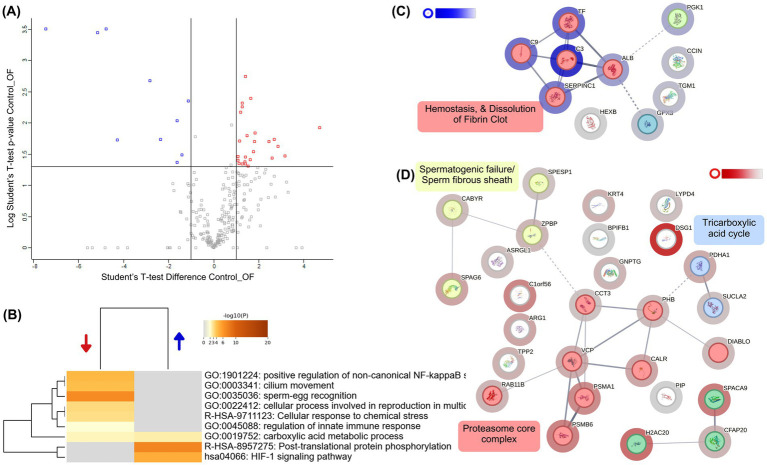 Figure 5
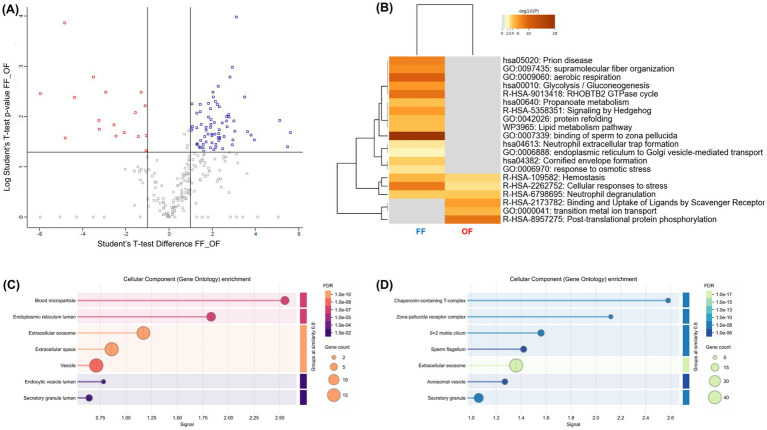 Figure 6
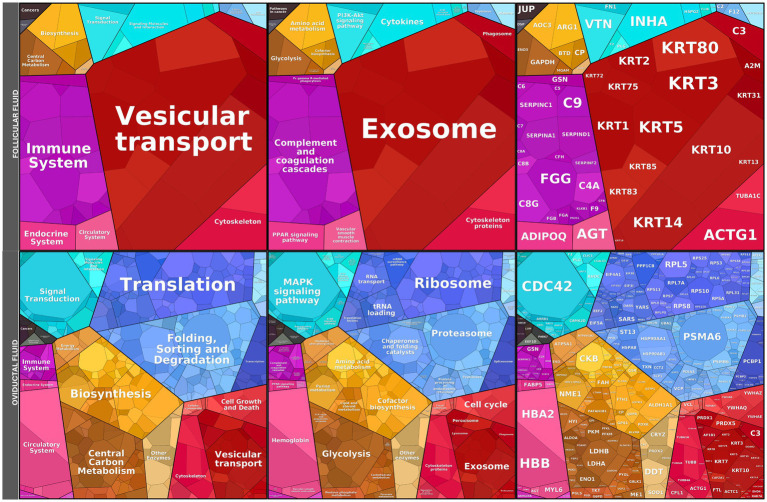 Figure 7
Peer Reviews
No public reviews on file for this paper yet. If you reviewed it on a platform where reviews are public (OpenReview, ICLR, NeurIPS, ICML), you can paste yours below so the community can read it here.
Videos
No videos yet. Explain this paper in a talk, walkthrough, or lecture? Add one.
Taxonomy
TopicsSperm and Testicular Function · Reproductive Biology and Fertility · Reproductive Physiology in Livestock