Hepatocyte‐Specific GSDMD Deficiency Aggravates Sepsis by Disrupting Non‐Canonical Secretion of Anti‐Inflammatory Factors
Yihan Qian, Bingrui Wang, Chang Yu, Yuge Zhou, Weifan Huang, Xing Rong, Yali Sang, Jiangang Song, Hailong Wu, Xiaoni Kong

TL;DR
This study shows that GSDMD in liver cells helps protect against sepsis by releasing anti-inflammatory factors that reduce inflammation.
Contribution
The study is the first to show that GSDMD in hepatocytes protects against sepsis by releasing anti-inflammatory factors.
Findings
GSDMD deficiency in hepatocytes reduces survival and increases inflammation in septic mice.
VEGF-B and Gremlin-1 are released via GSDMD pores to inhibit macrophage inflammation.
Restoring GSDMD in liver cells reverses the inflammatory response in septic mice.
Abstract
Gasdermin D (GSDMD)‐mediated pyroptosis in macrophages plays a clear role in promoting inflammation and mortality in sepsis. The liver is a commonly damaged organ during sepsis and also an important organ for releasing acute response proteins. However, whether pyroptosis occurs and the function of GSDMD in hepatocytes remains unclear. It is surprising to find that hepatocyte‐specific GSDMD knockout (GSDMDhep‐/‐) mice have significantly reduced survival rates, markedly elevated systemic inflammation, and increased inflammation in the peritoneal cavity and lungs, suggesting that the absence of GSDMD in hepatocytes promotes systemic inflammatory responses. Serum proteomic analysis shows that anti‐inflammatory factors such as VEGF‐B and Gremlin‐1 are significantly reduced in GSDMDhep‐/‐ mice. Through in vitro and in vivo experiments combined with a constructed full‐length GSDMD and a mutant…
Genes, proteins, chemicals, diseases, species, mutations and cell lines named across the full text — each resolved to its canonical identifier and authoritative record.
Click any figure to enlarge with its caption.
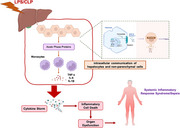 Figure 1
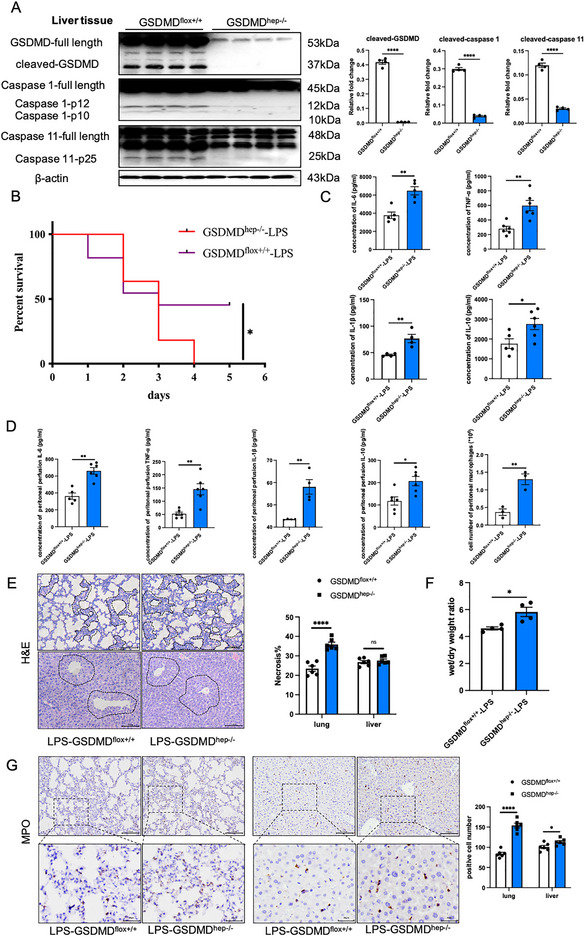 Figure 2
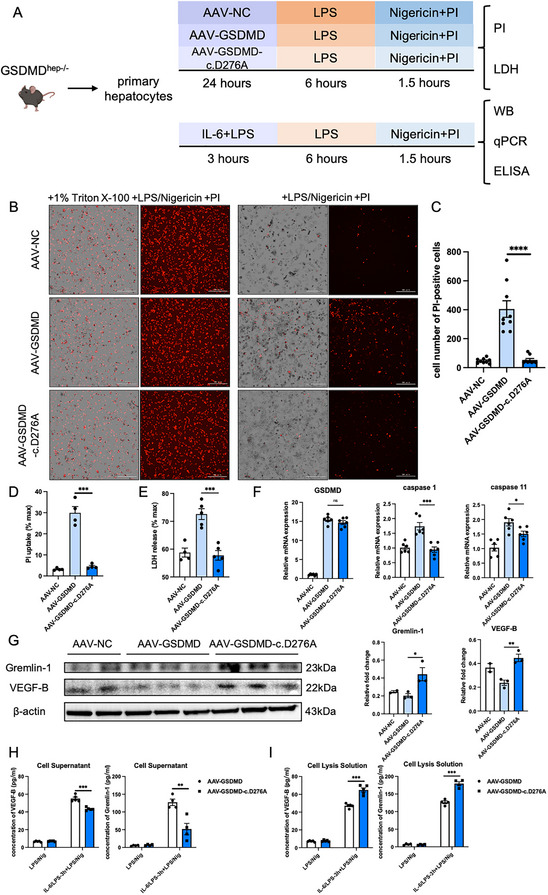 Figure 3
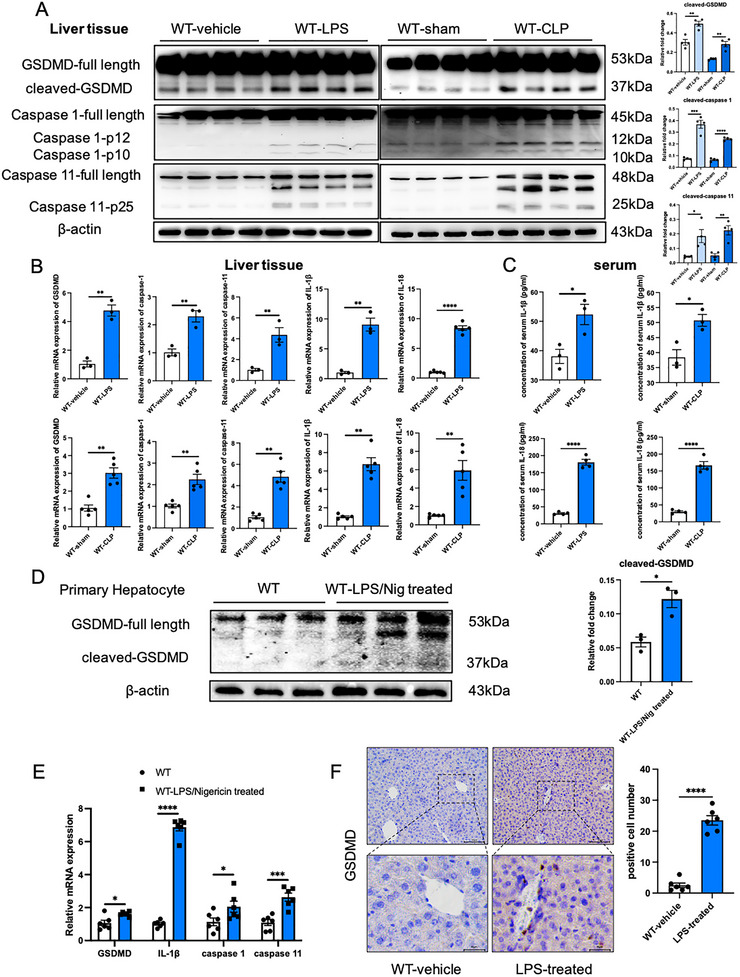 Figure 4
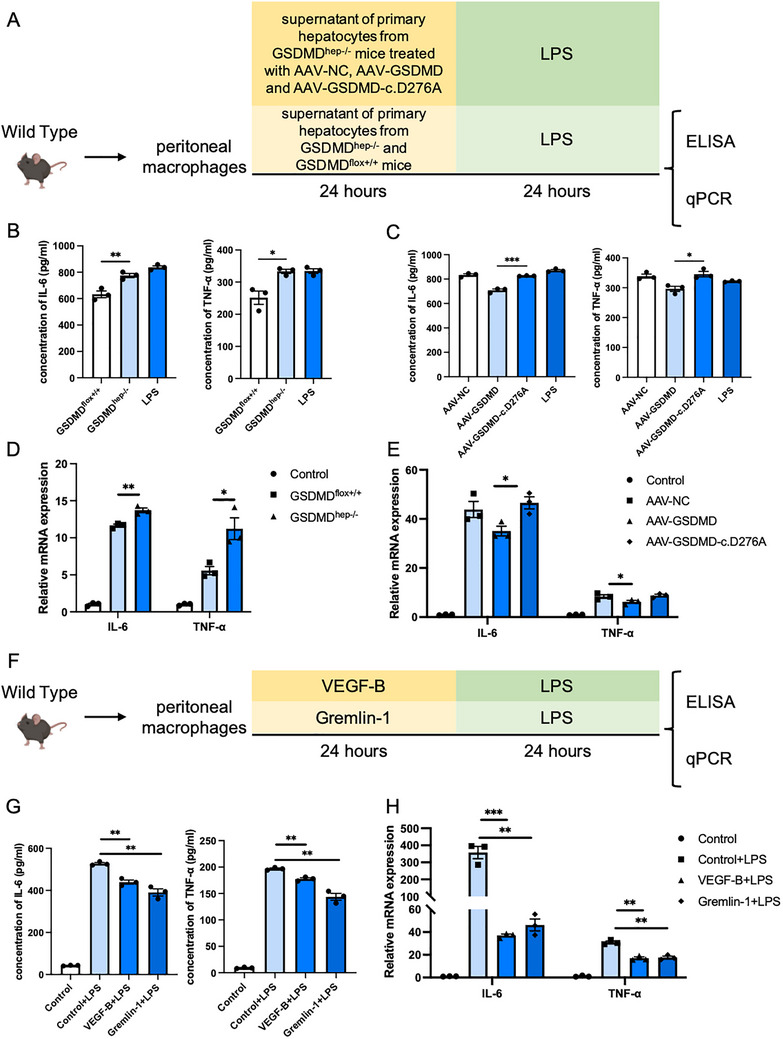 Figure 5
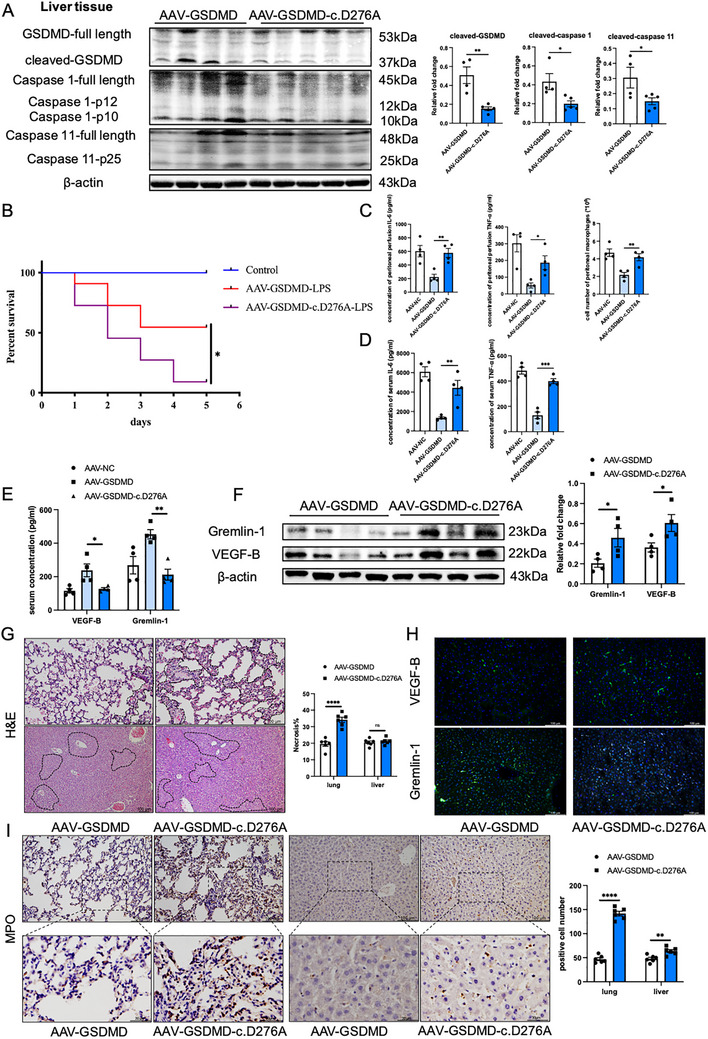 Figure 6
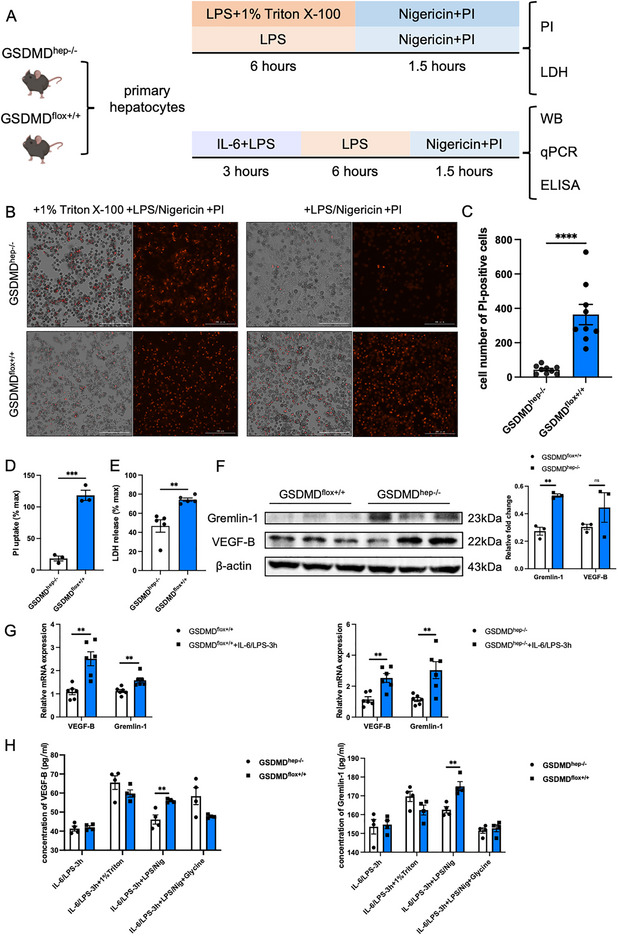 Figure 7
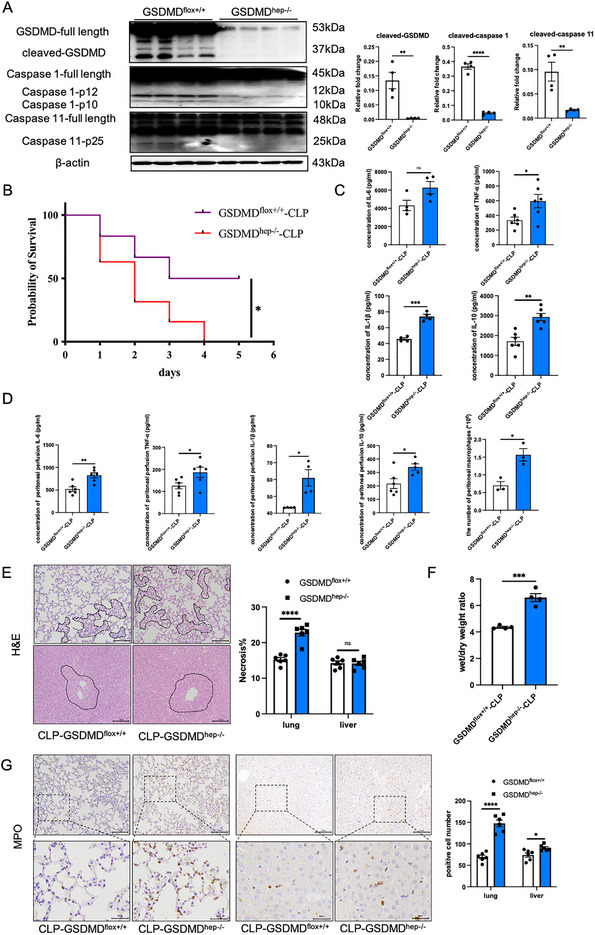 Figure 8
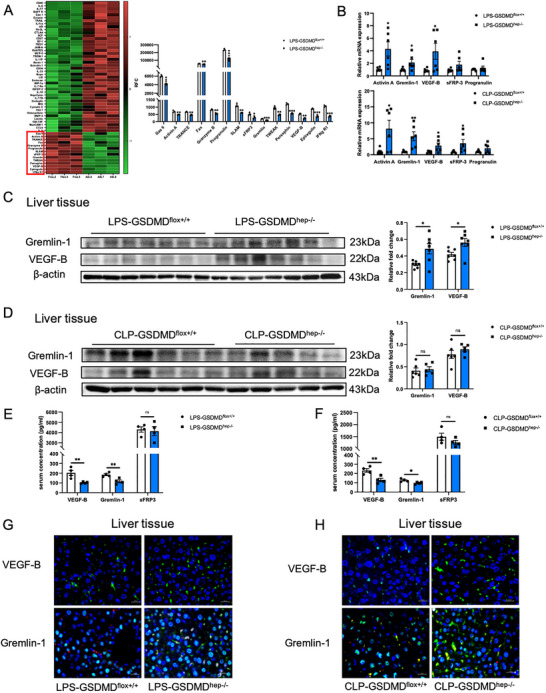 Figure 9
Peer Reviews
No public reviews on file for this paper yet. If you reviewed it on a platform where reviews are public (OpenReview, ICLR, NeurIPS, ICML), you can paste yours below so the community can read it here.
Videos
No videos yet. Explain this paper in a talk, walkthrough, or lecture? Add one.
Taxonomy
TopicsInflammasome and immune disorders · Heme Oxygenase-1 and Carbon Monoxide · Gout, Hyperuricemia, Uric Acid