Alkaline–Acid Intestine Environment Controlled by A Carbonic Anhydrase Gene Influences Synthesis of Sex Pheromone by Symbionts
Shiyu Gui, Lexin Xie, Zhenghao Wang, Yan Chen, Yi Xiao, Ziyun Lin, Jingxiang Chen, Yongyue Lu, Laurent Keller, Daifeng Cheng

TL;DR
A gene in fruit flies controls the pH of their gut, which affects how much sex pheromone their gut bacteria produce.
Contribution
The study identifies a carbonic anhydrase gene that regulates gut pH to influence symbiont pheromone synthesis in insects.
Findings
Alkaline gut environment increases sex pheromone production by Bacillus in male Bactrocera dorsalis.
Carbonic anhydrase gene (CAh) is linked to maintaining an alkaline rectal environment.
Inhibiting CAh shifts gut pH to acidic, reducing pheromone synthesis and mating success.
Abstract
The intricate interplay between animals and their intestinal microbes is pivotal in shaping various aspects of animal biology. However, the degree to which hosts can modulate the activity of their intestinal microbes, as well as the underlying molecular mechanisms, remains poorly elucidated. The production of sex pheromones by rectal Bacillus in male Bactrocera dorsalis is triggered by the alkaline intestine environment. An experimental increase in pH lead to more sex pheromone production, or vice versa. pH modulates the synthesis quantity of sex pheromone by exerting an impact on the activity of enzyme synthesizing sex pheromone in Bacillus. Transcriptome analysis shows that a highly expressed carbonic anhydrase (CAh) gene in B. dorsalis is associated with alkaline rectal environment. CAh inhibitor feeding and RNAi targeting the CAh gene lead to a shift from alkaline to acidic…
Genes, proteins, chemicals, diseases, species, mutations and cell lines named across the full text — each resolved to its canonical identifier and authoritative record.
Click any figure to enlarge with its caption.
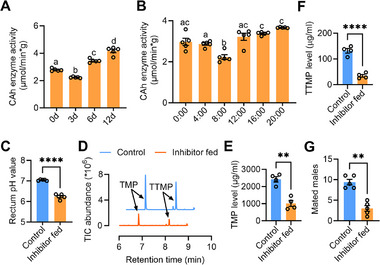 Figure 1
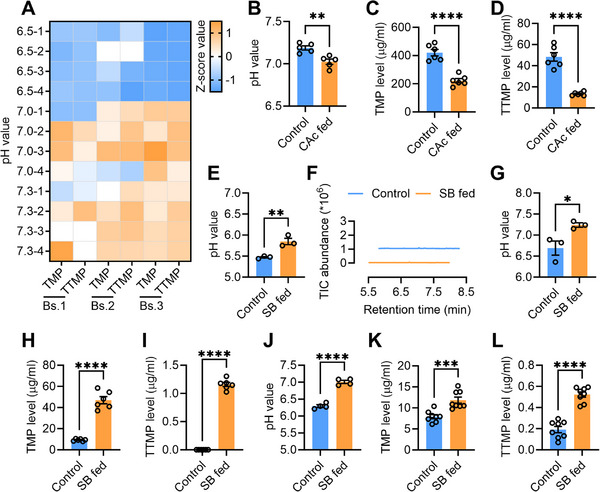 Figure 2
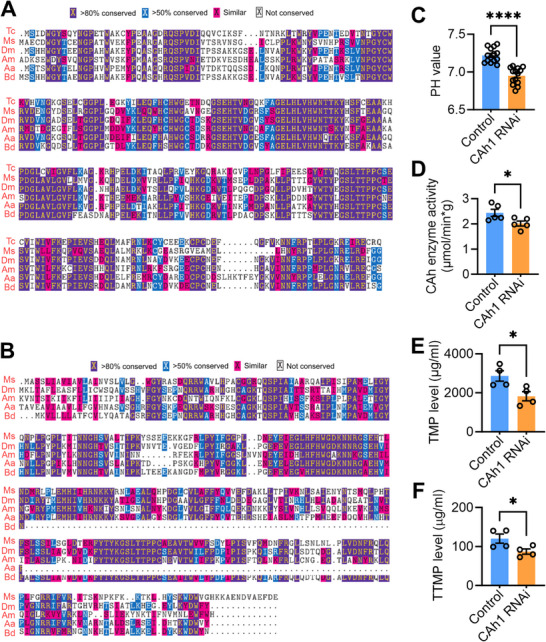 Figure 3
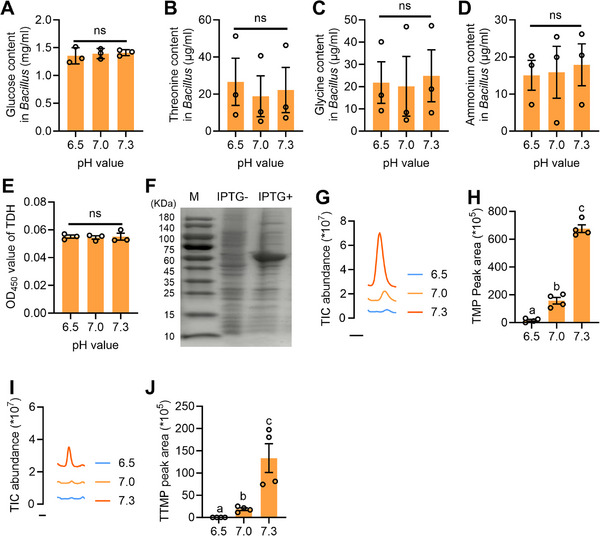 Figure 4
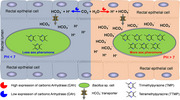 Figure 5
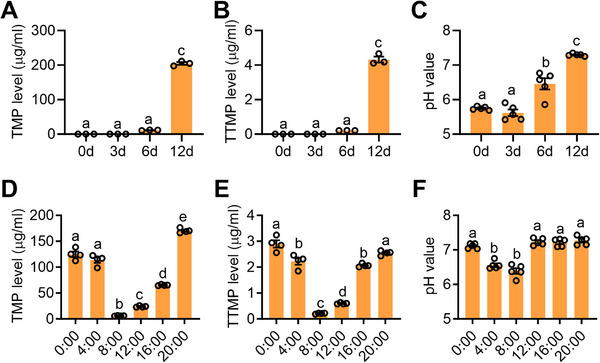 Figure 6
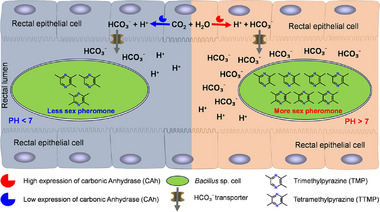 Figure 7
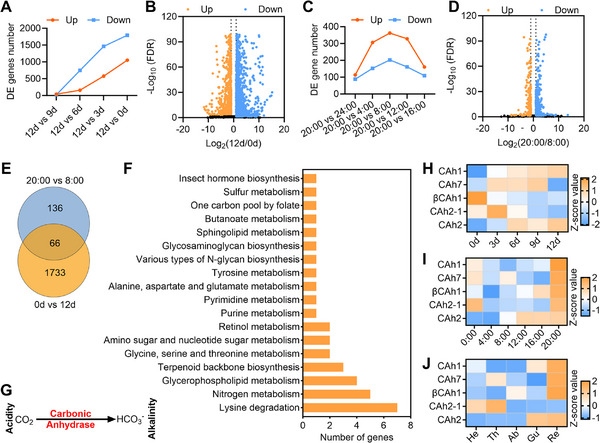 Figure 8
Peer Reviews
No public reviews on file for this paper yet. If you reviewed it on a platform where reviews are public (OpenReview, ICLR, NeurIPS, ICML), you can paste yours below so the community can read it here.
Videos
No videos yet. Explain this paper in a talk, walkthrough, or lecture? Add one.
Taxonomy
TopicsInsect symbiosis and bacterial influences · Insect and Pesticide Research · Insect and Arachnid Ecology and Behavior