MPBind: a multitask protein binding site predictor using protein language models and equivariant GNNs
Yanli Wang, Frimpong Boadu, Jianlin Cheng

TL;DR
MPBind is a new method that predicts where proteins bind to other molecules using advanced machine learning techniques.
Contribution
MPBind combines protein language models and equivariant GNNs for multitask binding site prediction across five molecular classes.
Findings
MPBind achieves AUROC scores of 0.83 for protein–protein and 0.81 for protein–DNA/RNA binding site prediction.
MPBind outperforms existing general and task-specific binding site prediction methods.
Abstract
Proteins interact with a variety of molecules, including other proteins, DNAs, RNAs, ligands, ions, and lipids. These interactions play a crucial role in cellular communication, metabolic regulation, gene regulation, and structural integrity, making proteins fundamental to nearly all biological functions. Accurately predicting protein interaction (binding) sites is essential for understanding protein interaction and function. In this work, we introduce MPBind, a multitask protein binding site prediction method, which integrates protein language models (PLMs) that can extract structural and functional information from sequences and equivariant graph neural networks (EGNNs) that can effectively capture geometric features of 3D protein structures. Through multitask learning, it can predict binding sites on proteins that interact with five key categories of binding partners: proteins,…
Genes, proteins, chemicals, diseases, species, mutations and cell lines named across the full text — each resolved to its canonical identifier and authoritative record.
Click any figure to enlarge with its caption.
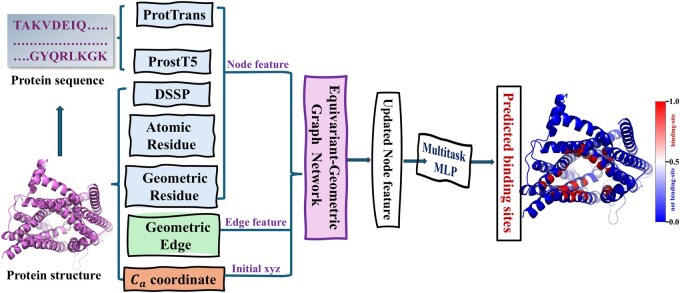 Figure 1
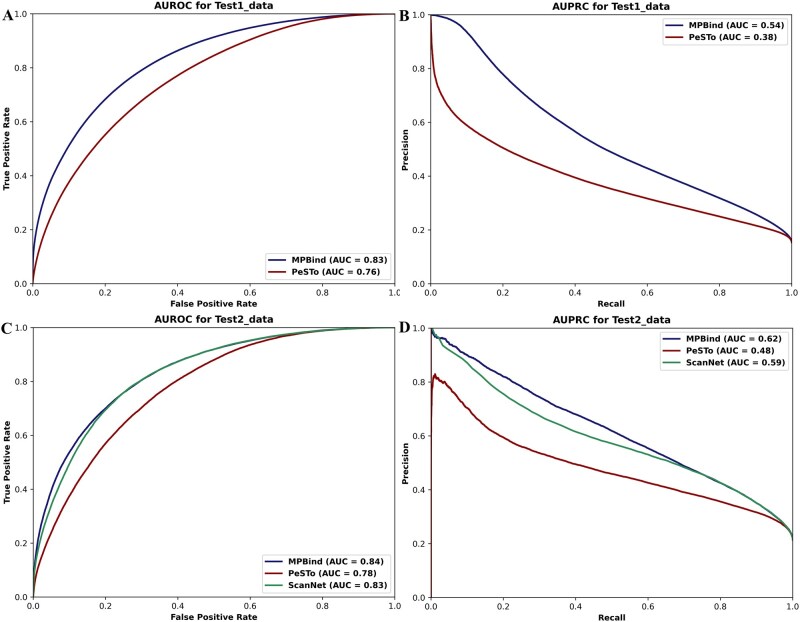 Figure 2
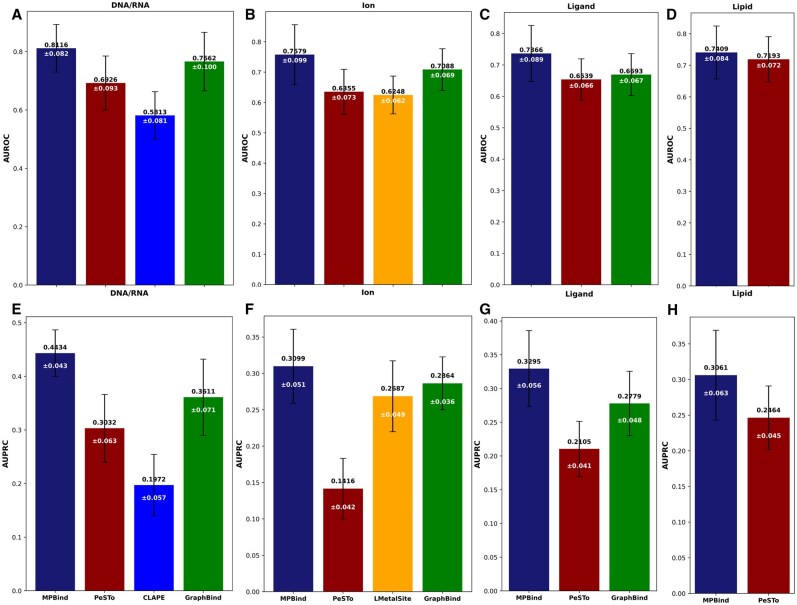 Figure 3
 Figure 4
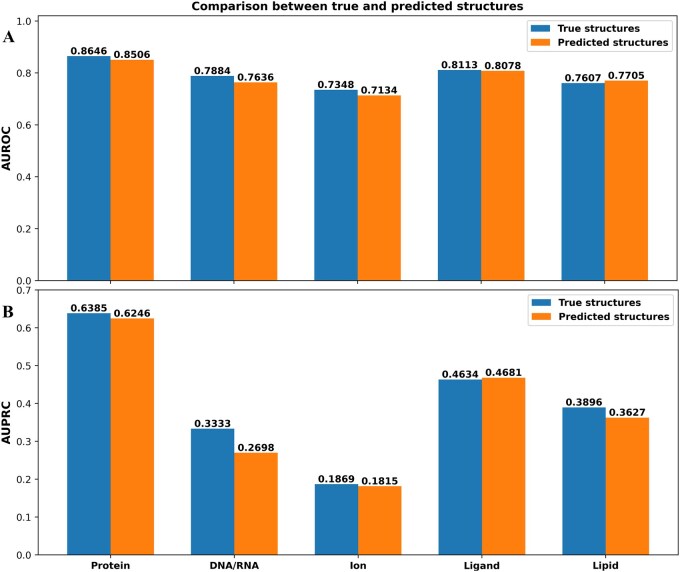 Figure 5
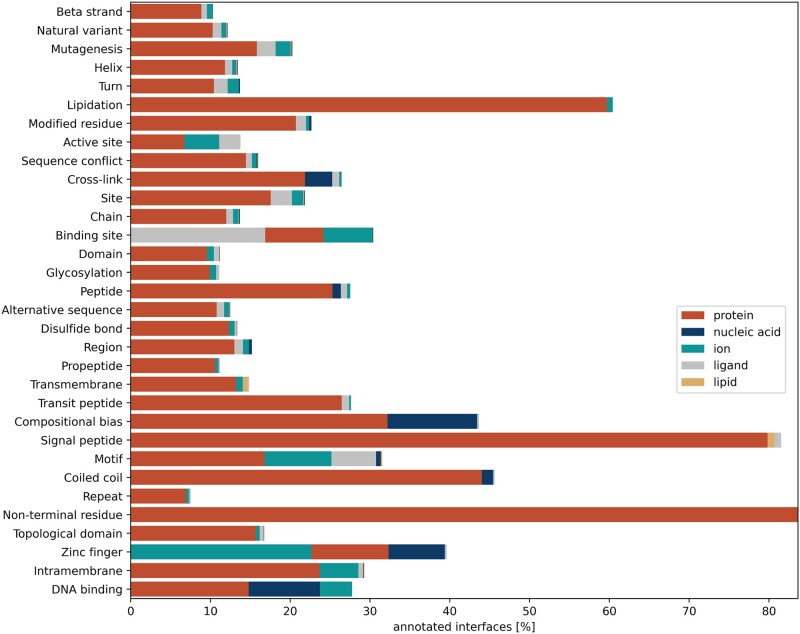 Figure 6
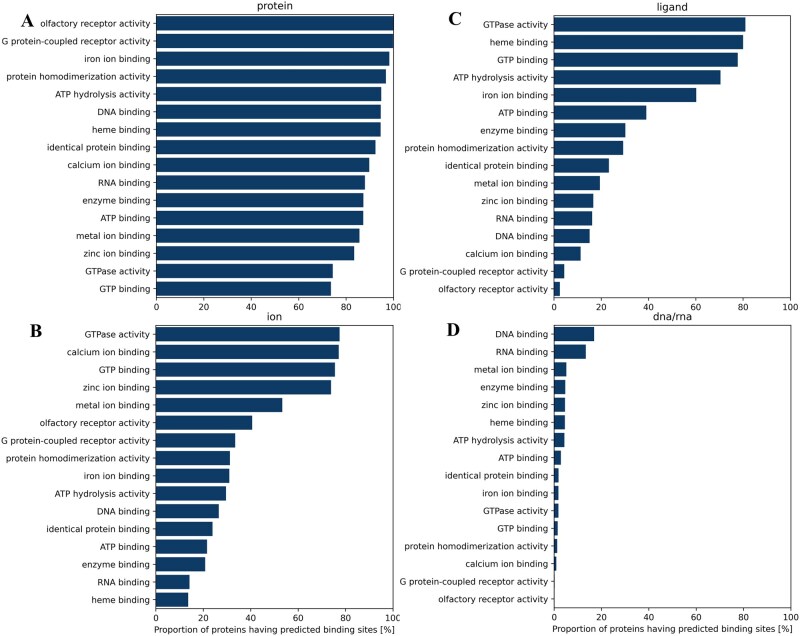 Figure 7
Peer Reviews
No public reviews on file for this paper yet. If you reviewed it on a platform where reviews are public (OpenReview, ICLR, NeurIPS, ICML), you can paste yours below so the community can read it here.
Videos
No videos yet. Explain this paper in a talk, walkthrough, or lecture? Add one.
Taxonomy
TopicsComputational Drug Discovery Methods · Protein Structure and Dynamics · RNA and protein synthesis mechanisms