The cost of language: functionally over-dominant language circuits in the human brain may limit cognitive abilities and non-verbal executive functions
Hans-Peter Lipp

TL;DR
The human brain's language circuits may limit non-verbal cognitive abilities due to evolutionary trade-offs and competition for neural resources.
Contribution
Proposes that language dominance in the brain creates functional imbalances affecting non-verbal executive functions.
Findings
Language circuits may restrict non-verbal talents like planning and parallel processing.
Neuronal competition during development alters connections, favoring language over non-verbal networks.
Evolutionary changes in larynx and social structures supported language expansion at a cognitive cost.
Abstract
Evolutionarily, the most recent connective system in the human brain is the language circuitry. However, its presence may impose restrictions on higher executive functions apparent as non-verbal talents in art, science, and management– essentially a conflict between talking and doing. Since the associative cortex underlies thinking, the question then is how much of it is assigned to language functions, and how much is left for associative networks that support non-verbal functions such as planning and parallel processing. Arguments: (i) The determinant of neocortical network organization is the motor cortex, which acts as the main attractor for all processes in the hemispheres yet is split in two sub-attractors formed by disproportionally enlarged zones of origins for two bundles, the corticospinal tract co-driving movements of arms and hands, and the corticobulbar tract to the motor…
Genes, proteins, chemicals, diseases, species, mutations and cell lines named across the full text — each resolved to its canonical identifier and authoritative record.
Click any figure to enlarge with its caption.
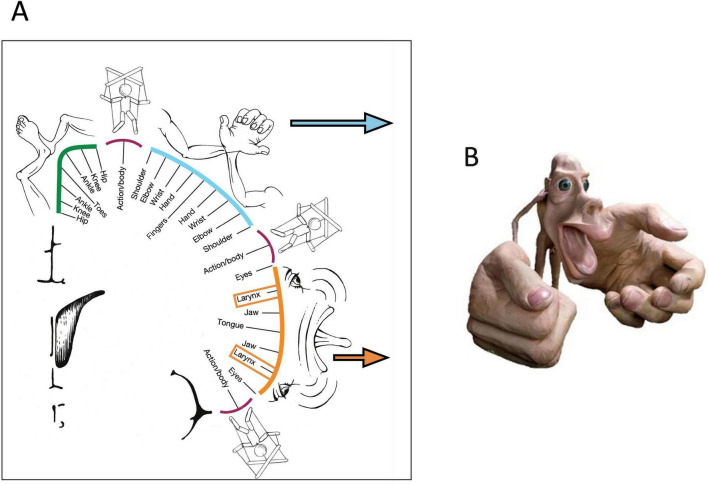 Figure 1
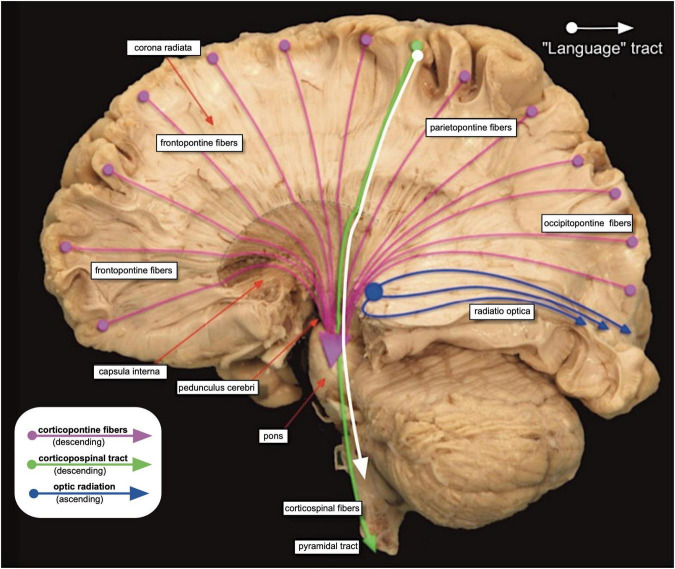 Figure 2
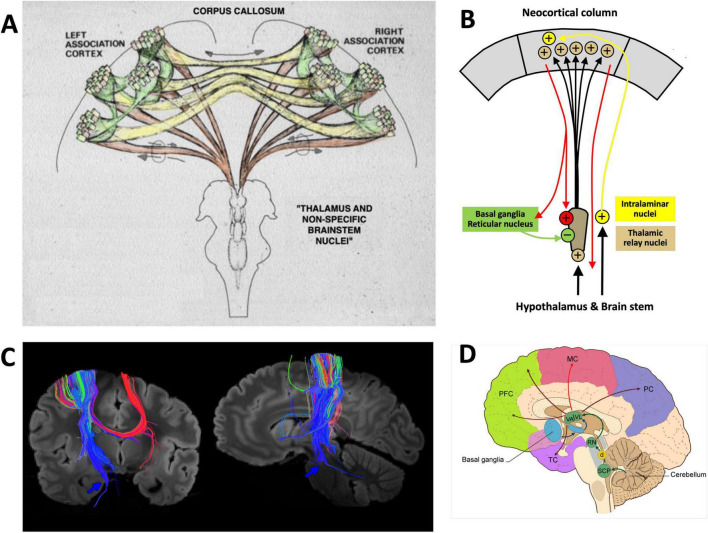 Figure 3
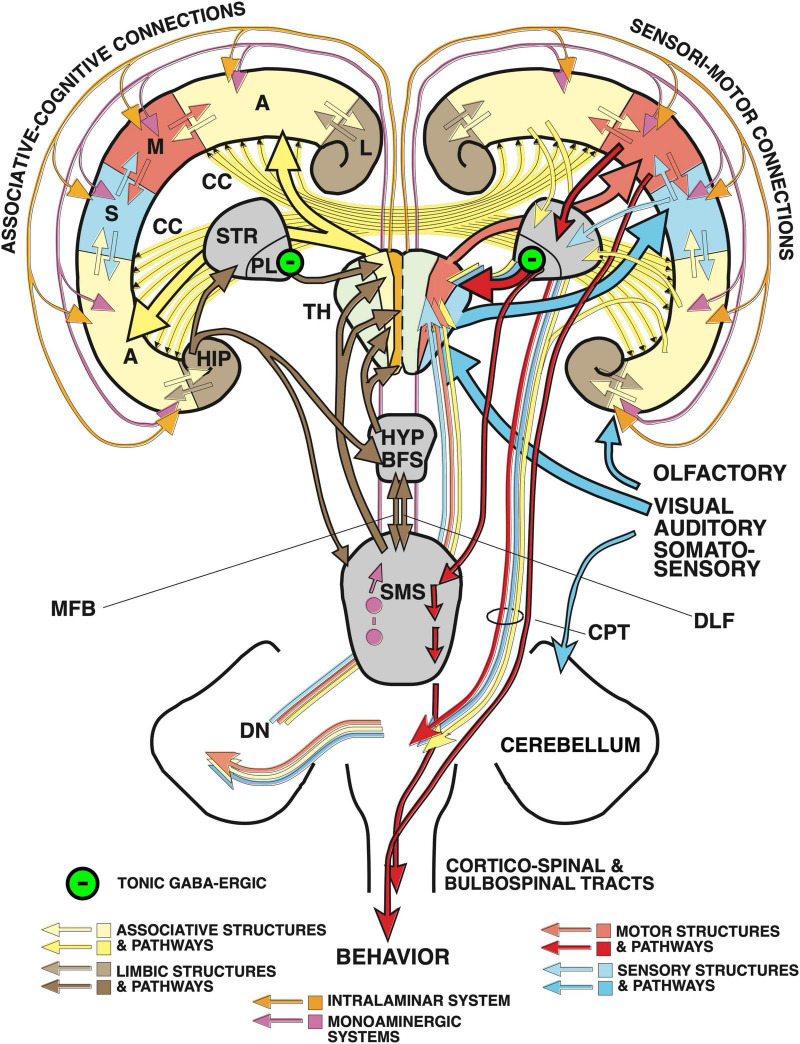 Figure 4
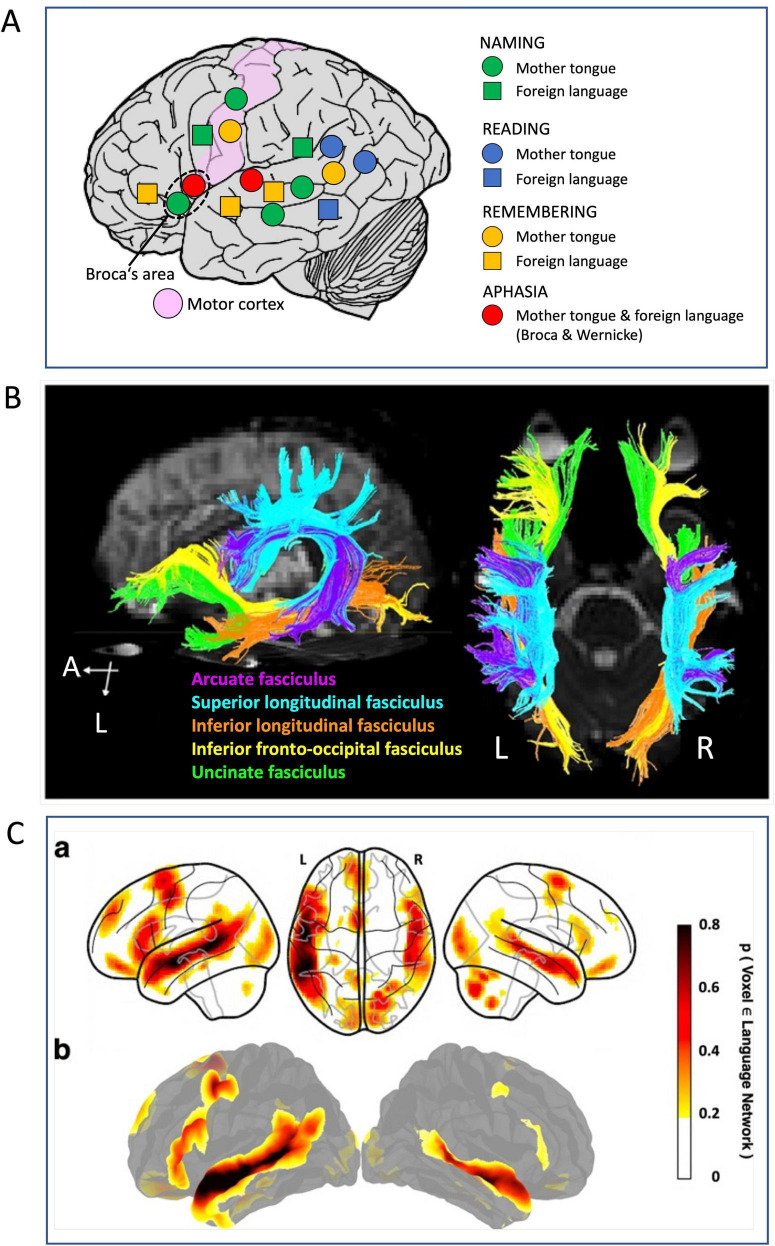 Figure 5
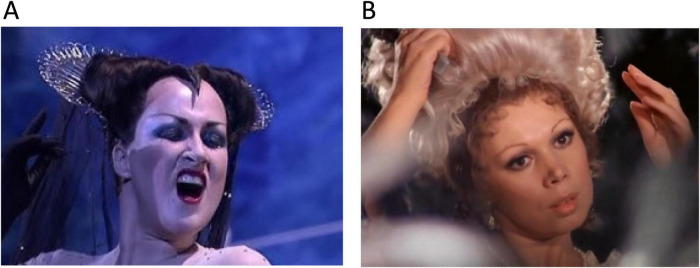 Figure 6
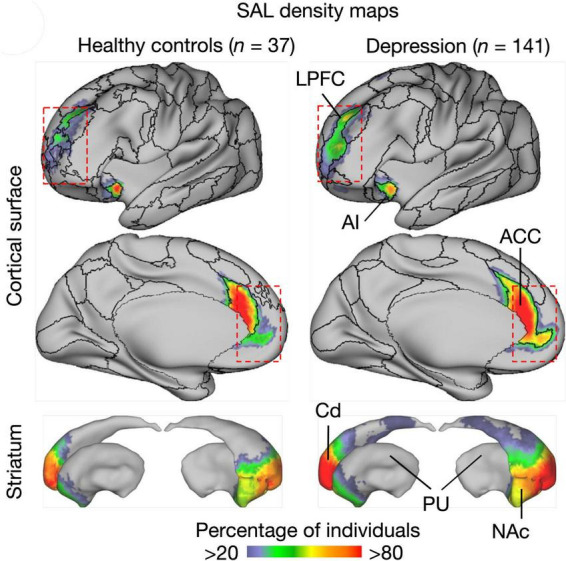 Figure 7
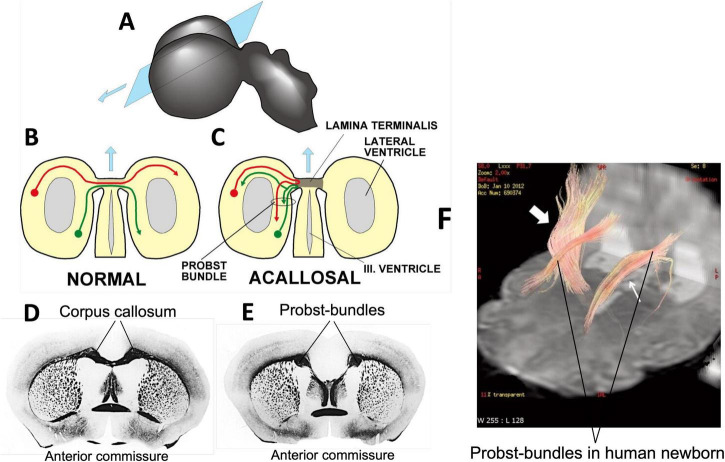 Figure 8
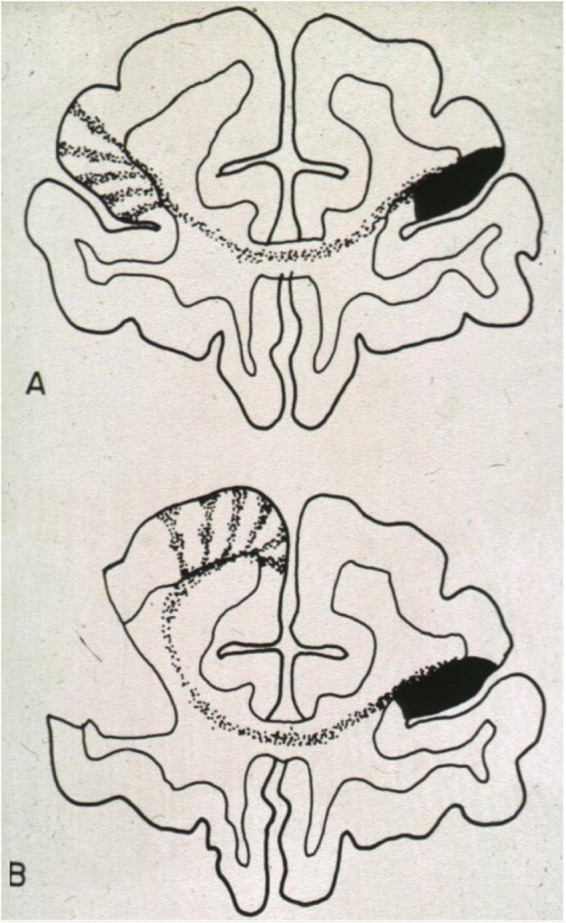 Figure 9
Peer Reviews
No public reviews on file for this paper yet. If you reviewed it on a platform where reviews are public (OpenReview, ICLR, NeurIPS, ICML), you can paste yours below so the community can read it here.
Videos
No videos yet. Explain this paper in a talk, walkthrough, or lecture? Add one.
Taxonomy
TopicsAction Observation and Synchronization · Neuroscience and Music Perception · Hemispheric Asymmetry in Neuroscience