Potential risks associated with Fe, Zn, Cu, Ni, and Cr contamination in the muscle of Sardina pilchardus (Walbaum, 1792) from Morocco
Khaoula Kasmi, Hanae Nasri, Douaa Slimani, Rajae Mouedden, Souad Abdellaoui, Kamal Belhaj, Abdelhafid Chafi

TL;DR
This study assesses the risk of metal contamination in sardines from Morocco and finds a potential long-term cancer risk from nickel.
Contribution
The study identifies a potential long-term carcinogenic risk from nickel in sardines despite overall compliance with food safety standards.
Findings
Zinc was the most abundant metal in sardine muscle, followed by iron, copper, and nickel.
Nickel's carcinogenic risk exceeded the acceptable threshold, indicating a potential long-term health concern.
Metal concentrations varied seasonally, with colder seasons showing higher iron and zinc levels.
Abstract
Marine fish face increasing threats from human activities, particularly pollution, which exacerbates marine contamination. This study evaluates the risks of trace element contamination in the edible muscle of Sardina pilchardus from Morocco. Using inductively coupled plasma optical emission spectrometry (ICP-OES), concentrations of iron (Fe), zinc (Zn), Copper (Cu), nickel (Ni), and chromium (Cr) were quantified in 360 specimens. Zinc was the most abundant metal (70.28 µg g−1 dry weight (dw)), followed by Fe (60.31 µg g−1 dw), Cu (2.31 µg g−1 dw), and Ni (0.83 µg g−1 dw), while Cr was undetected. Seasonal variations significantly influenced metal concentrations and health risk indices (p < 0.05), with higher Fe and Zn levels in colder seasons and elevated Ni and Cu levels during warmer periods. No significant differences were found between sampling locations (p > 0.05). All recorded…
Genes, proteins, chemicals, diseases, species, mutations and cell lines named across the full text — each resolved to its canonical identifier and authoritative record.
Click any figure to enlarge with its caption.
 Figure 1
 Figure 2
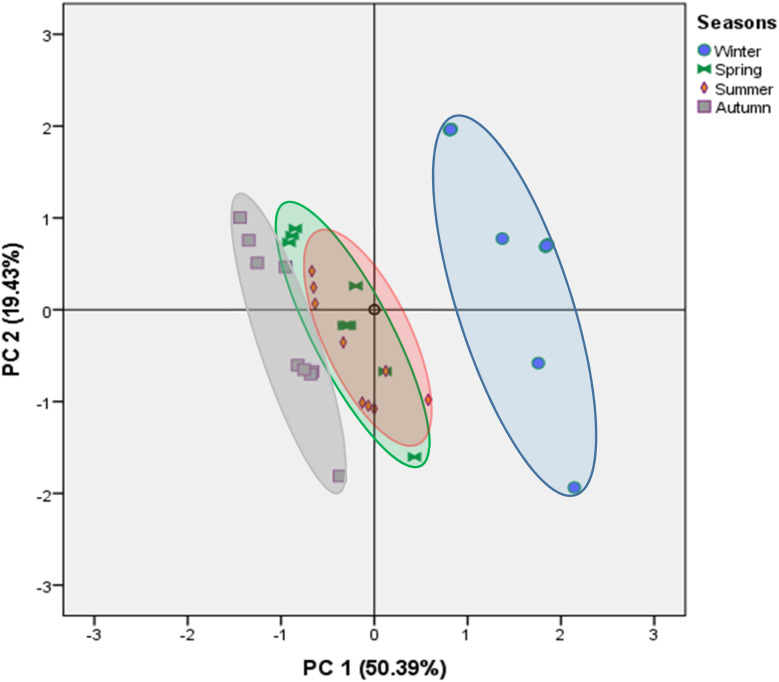 Figure 3
 Figure 4
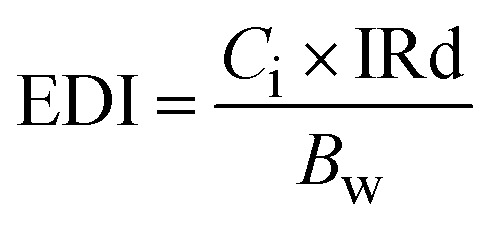 Figure 5
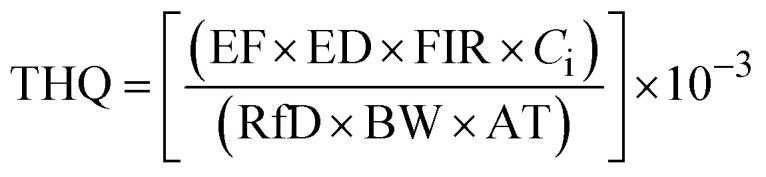 Figure 6
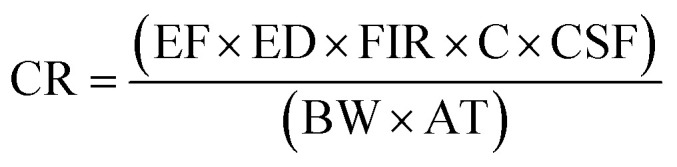 Figure 7
Peer Reviews
No public reviews on file for this paper yet. If you reviewed it on a platform where reviews are public (OpenReview, ICLR, NeurIPS, ICML), you can paste yours below so the community can read it here.
Videos
No videos yet. Explain this paper in a talk, walkthrough, or lecture? Add one.
Taxonomy
TopicsHeavy metals in environment · Environmental Toxicology and Ecotoxicology · Marine Bivalve and Aquaculture Studies