Machine Learning–Driven Integration of Cancer Cell Phenotypes Predicts Cisplatin Sensitivity
Haruki Ujiie, Tomoko Sakyo, Konomi Oya, Yuto Sugawara, Miyu Ota, Honami Yonezawa, Naoyuki Nishiya

TL;DR
This study uses machine learning to predict how sensitive cancer cells are to cisplatin, a common chemotherapy drug, by analyzing gene expression patterns.
Contribution
A novel machine learning model called CSP26G was developed to predict cisplatin sensitivity using gene expression data.
Findings
The CSP26G model accurately predicted cisplatin sensitivity in resistant and sensitive cancer cell lines.
The model classified lung cancer patients into cisplatin-sensitive and resistant groups, with the sensitive group showing longer survival.
CSP26G also predicted responsiveness to other DNA-damaging agents, showing broader applicability.
Abstract
Precision medicine has personalized anticancer therapies and has been considered standard practice. Although current cancer genomic profiling tests are powerful tools to predict the efficacy of molecular targeted drugs or immune checkpoint inhibitors, they are not readily applicable for classical anticancer agents. In this study, we report a novel concept of phenotype‐based classification using machine learning analysis of gene expression patterns to predict the effectiveness of anticancer agents. Hierarchical clustering of IC50 values distinguished cisplatin‐sensitive and resistant cell lines. Differentially expressed gene (DEG) analysis and SHAP value‐based machine learning identified 26 key genes, and the cisplatin sensitivity predictor using 26 genes (CSP26G) model was developed. Cisplatin‐resistant A549CR cells experimentally confirmed the external validity of the CSP26G model.…
Genes, proteins, chemicals, diseases, species, mutations and cell lines named across the full text — each resolved to its canonical identifier and authoritative record.
Click any figure to enlarge with its caption.
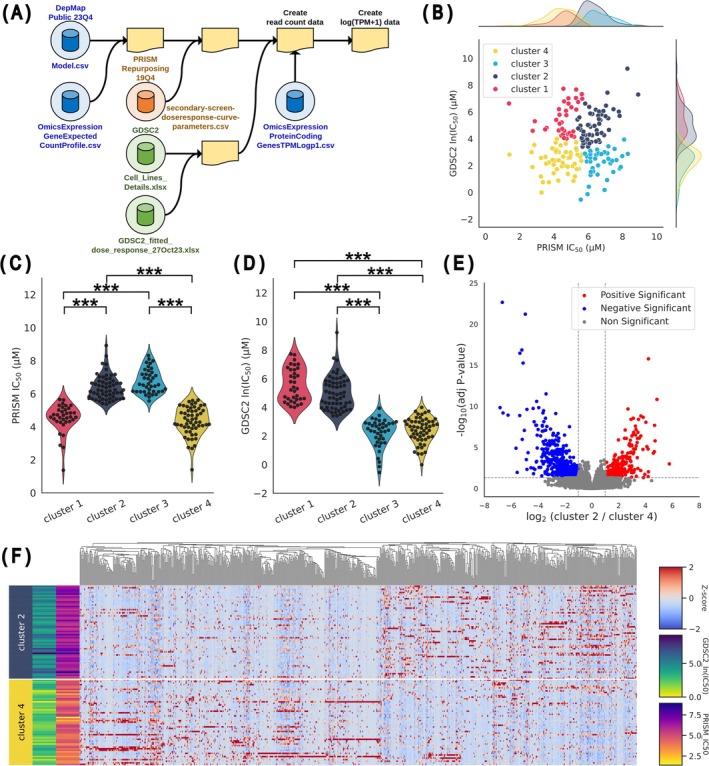 Figure 1
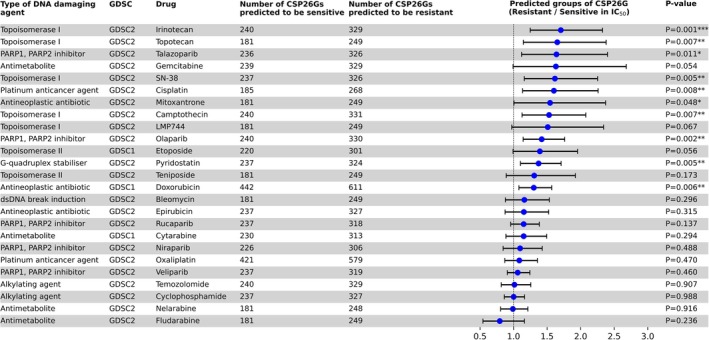 Figure 2
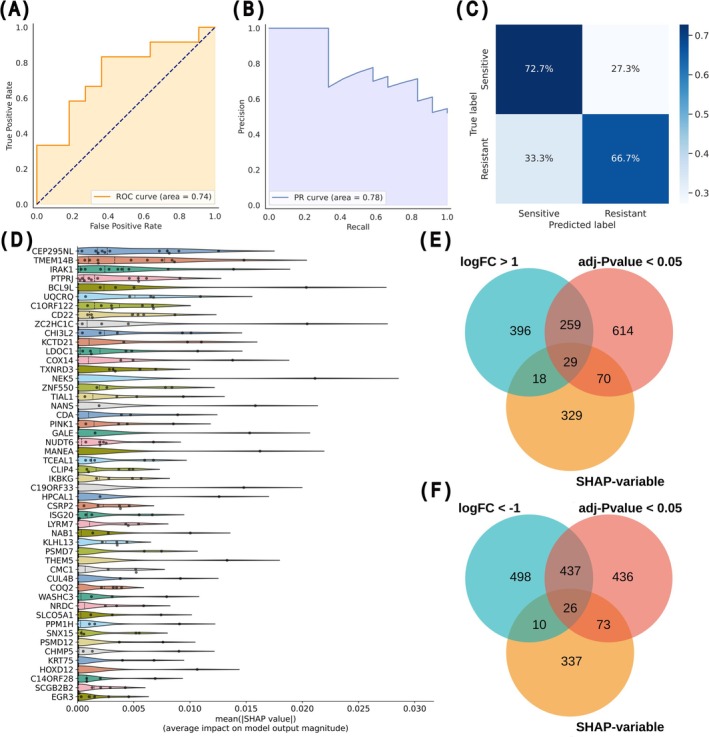 Figure 3
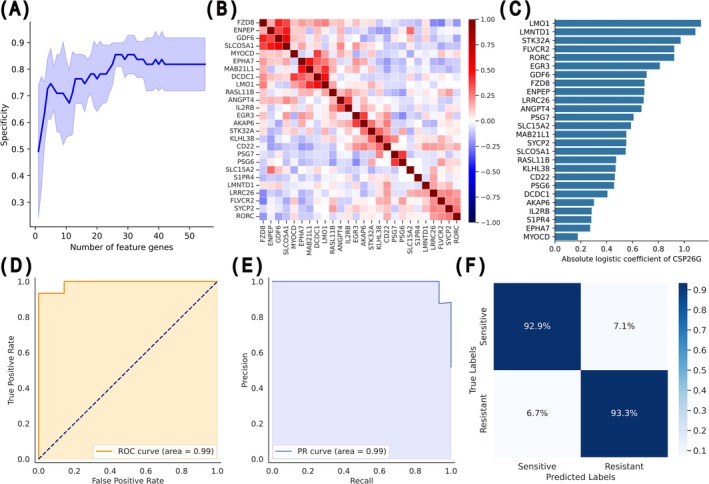 Figure 4
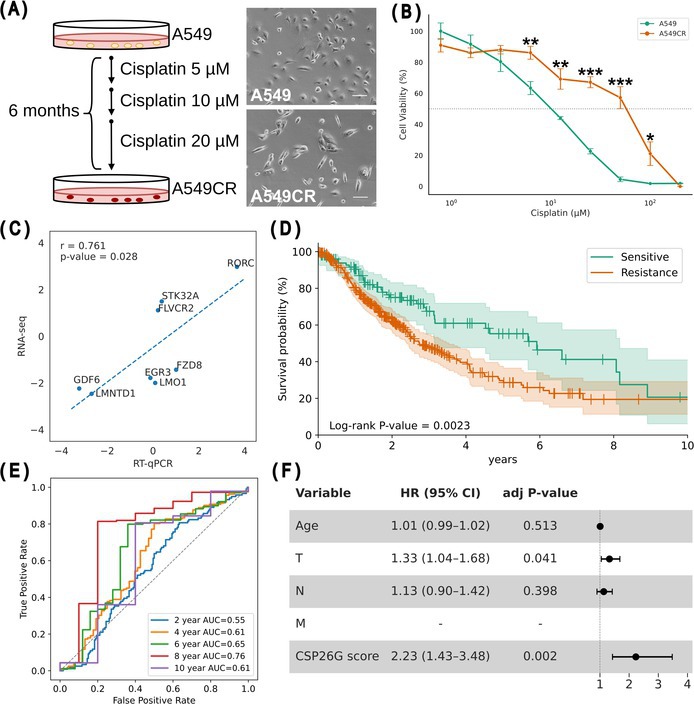 Figure 5
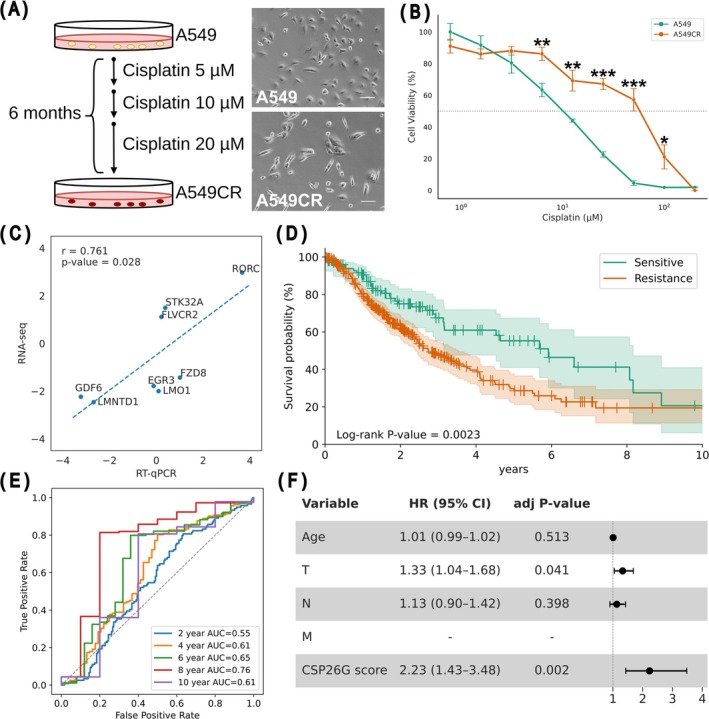 Figure 6
Peer Reviews
No public reviews on file for this paper yet. If you reviewed it on a platform where reviews are public (OpenReview, ICLR, NeurIPS, ICML), you can paste yours below so the community can read it here.
Videos
No videos yet. Explain this paper in a talk, walkthrough, or lecture? Add one.
Taxonomy
TopicsComputational Drug Discovery Methods · Cancer Genomics and Diagnostics · Machine Learning in Bioinformatics