Lacustrine Shale Oil Enrichment and Mobility in the Lower Cretaceous Shahai Formation, Fuxin Basin (NE China): Integrated Inorganic–Organic Geochemical and Petrographic Evidence
Fei Xiao, Hongwei Zhao, Xiaoyong Gao, Dejun Zhang, Yiming Huang, Haihua Zhang, Zhen Zhen, Jianguo Yang, Shichao Li, Yulai Yao, Yujin Zhang

TL;DR
This study explores shale oil potential in the Fuxin Basin, China, using geochemical and petrographic data to evaluate oil generation and mobility in lacustrine mudstones.
Contribution
The study provides new insights into shale oil enrichment and mobility in small-sized basins with oil-coal coexistence, using integrated geochemical and petrographic evidence.
Findings
Lacustrine mudstones in the K1sh4 member have high oil-generation potential due to Type II kerogen and midmaturity organic matter.
Oil mobility is restricted by strong oil adsorption onto organic matter, influenced by the biological origin of the organic matter.
Higher terrigenous input correlates with increased movable oil and enhanced reservoir connectivity in lacustrine shale systems.
Abstract
The exploration of lacustrine shale oil systems has become a critical frontier in global unconventional energy. Current research primarily focuses on deepwater lacustrine shales in large-sized basins, with limited attention to lacustrine shale oil in oil-coal coexisting strata of small- to medium-sized basins. The Fuxin Basin, a small-sized sedimentary basin in northeast China, is known for its cooccurrence of coal and petroleum resources. The third (K1 sh 3) and fourth (K1 sh 4) members of its Lower Cretaceous Shahai Formation host archetypal coal-measure and lacustrine source rocks, respectively. Therefore, K1 sh 4 is an excellent research object for studying this category of lacustrine shale oil resource. To date, exploration of the Shahai Formation and related geological studies in this basin have focused primarily on conventional clastic reservoirs, coalbed methane, and shale gas,…
Genes, proteins, chemicals, diseases, species, mutations and cell lines named across the full text — each resolved to its canonical identifier and authoritative record.
Click any figure to enlarge with its caption.
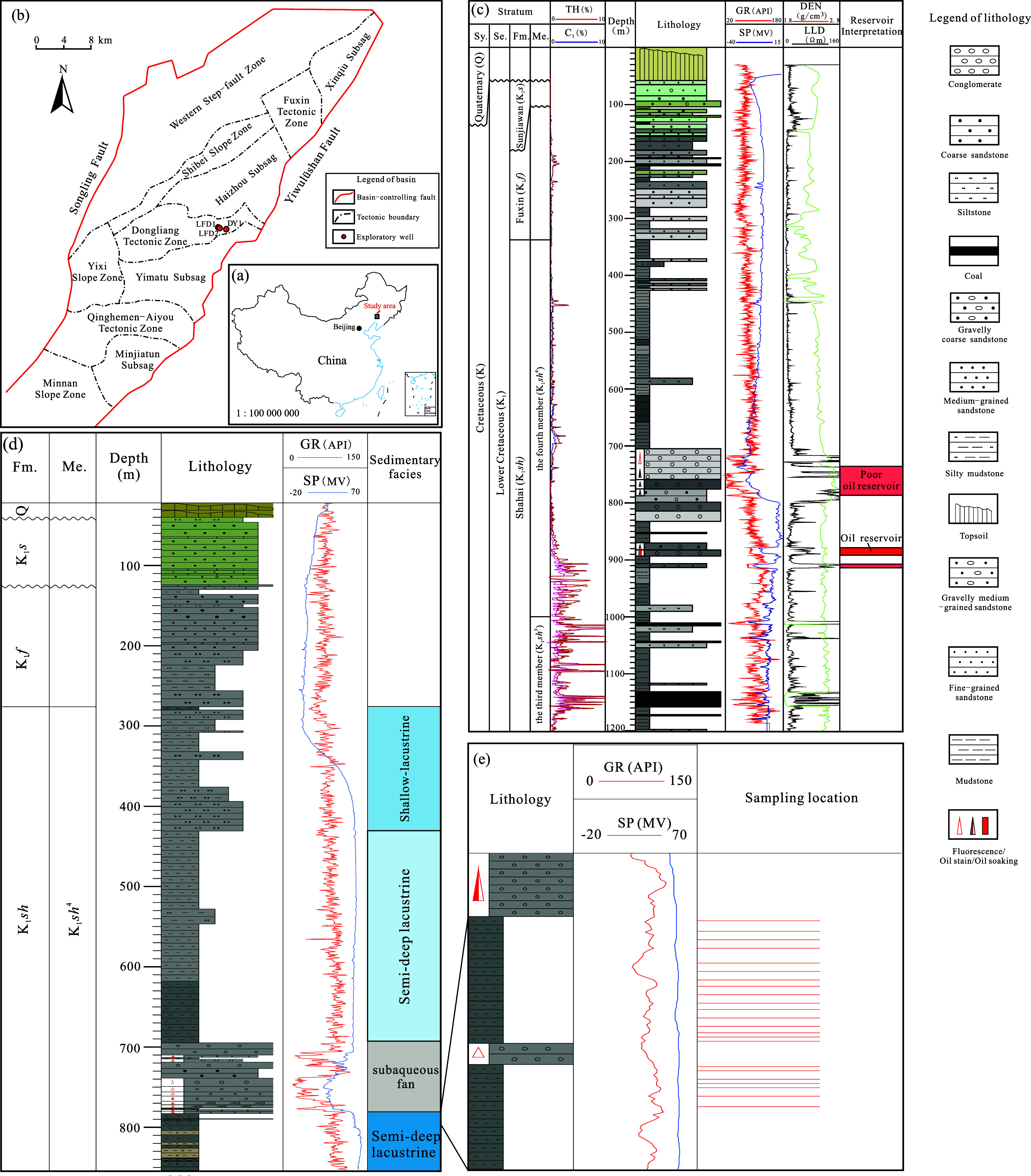 Figure 1
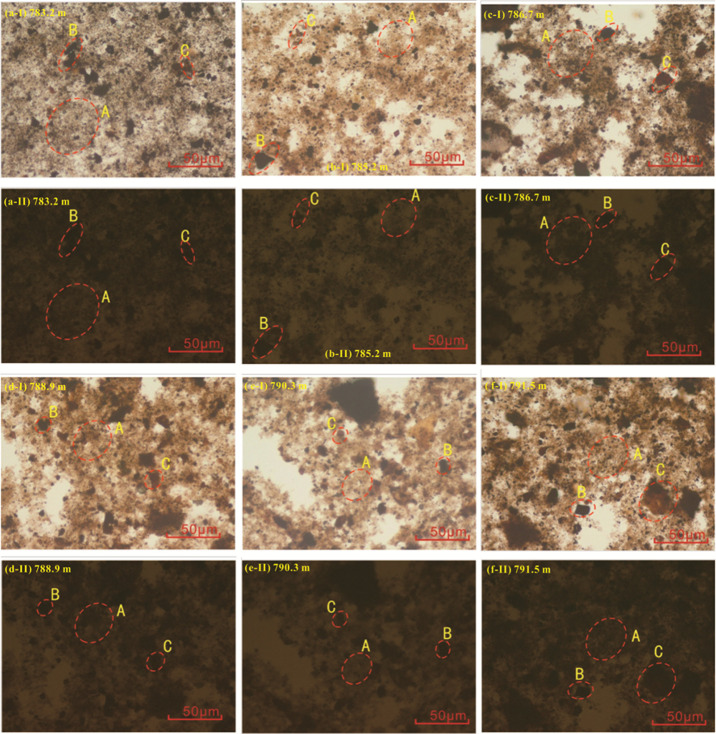 Figure 2
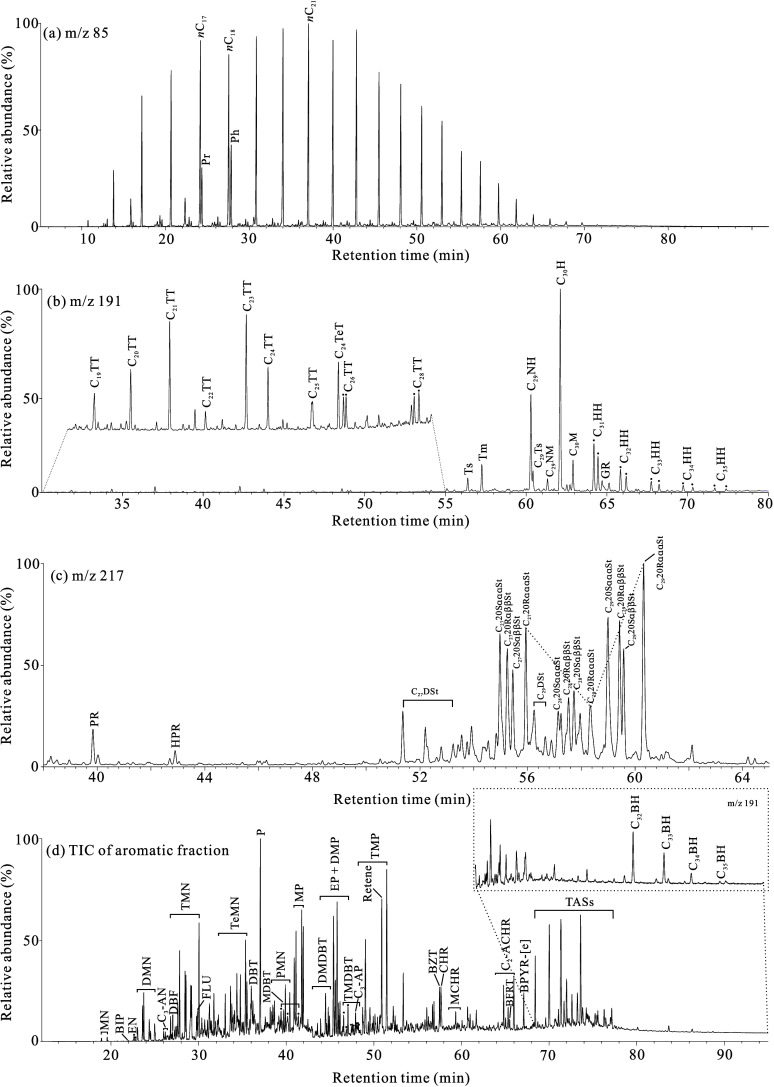 Figure 3
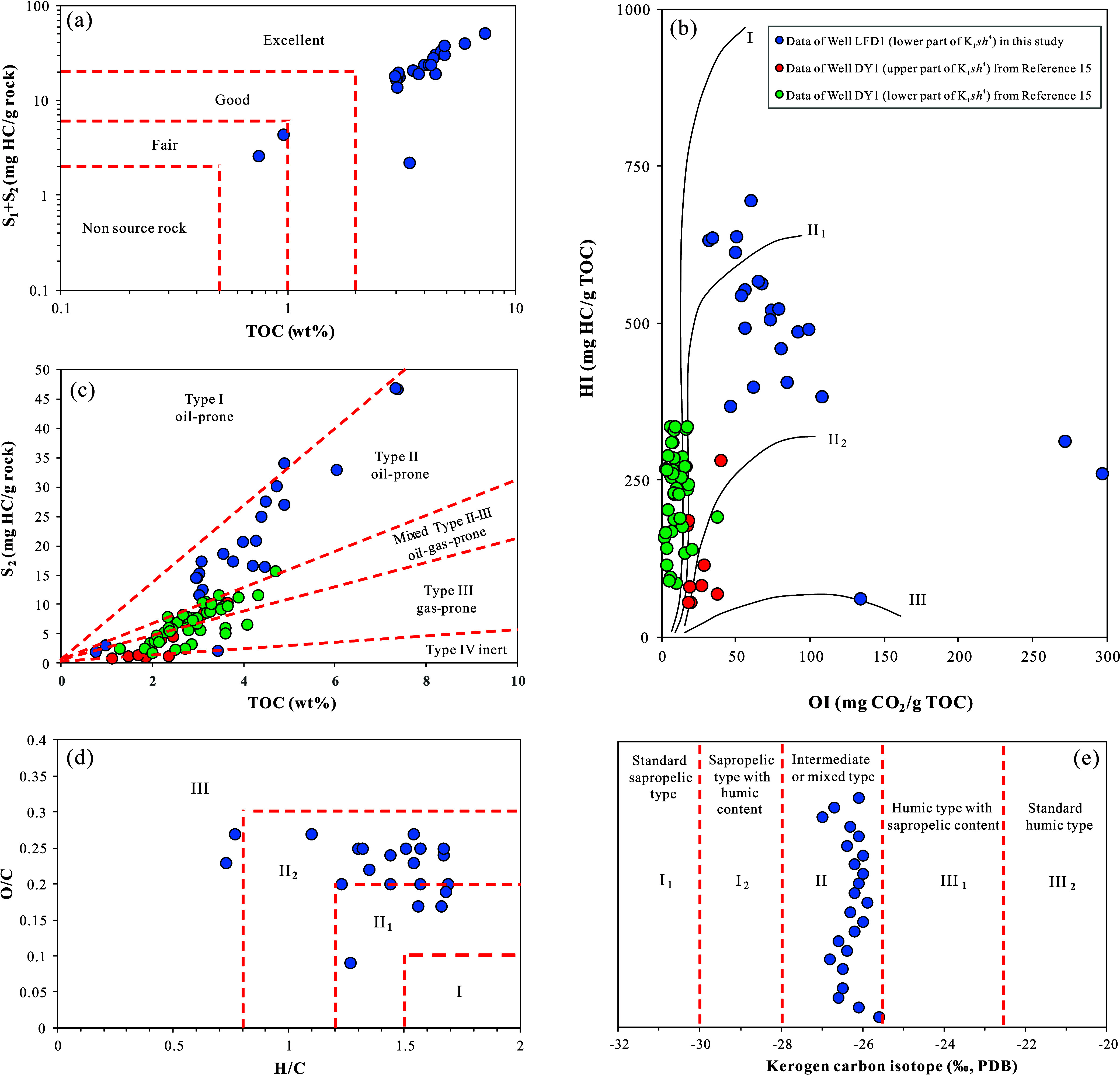 Figure 4
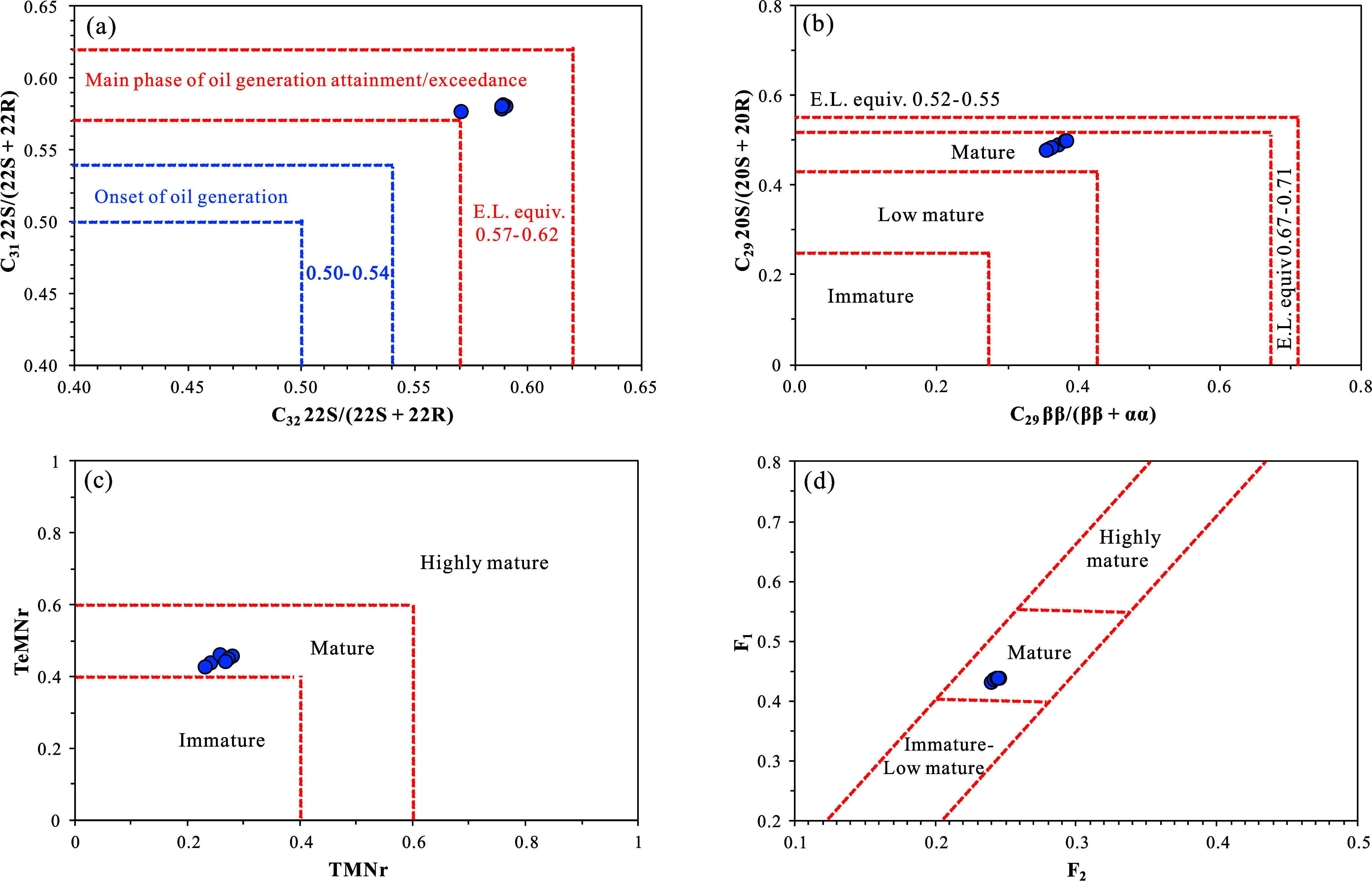 Figure 5
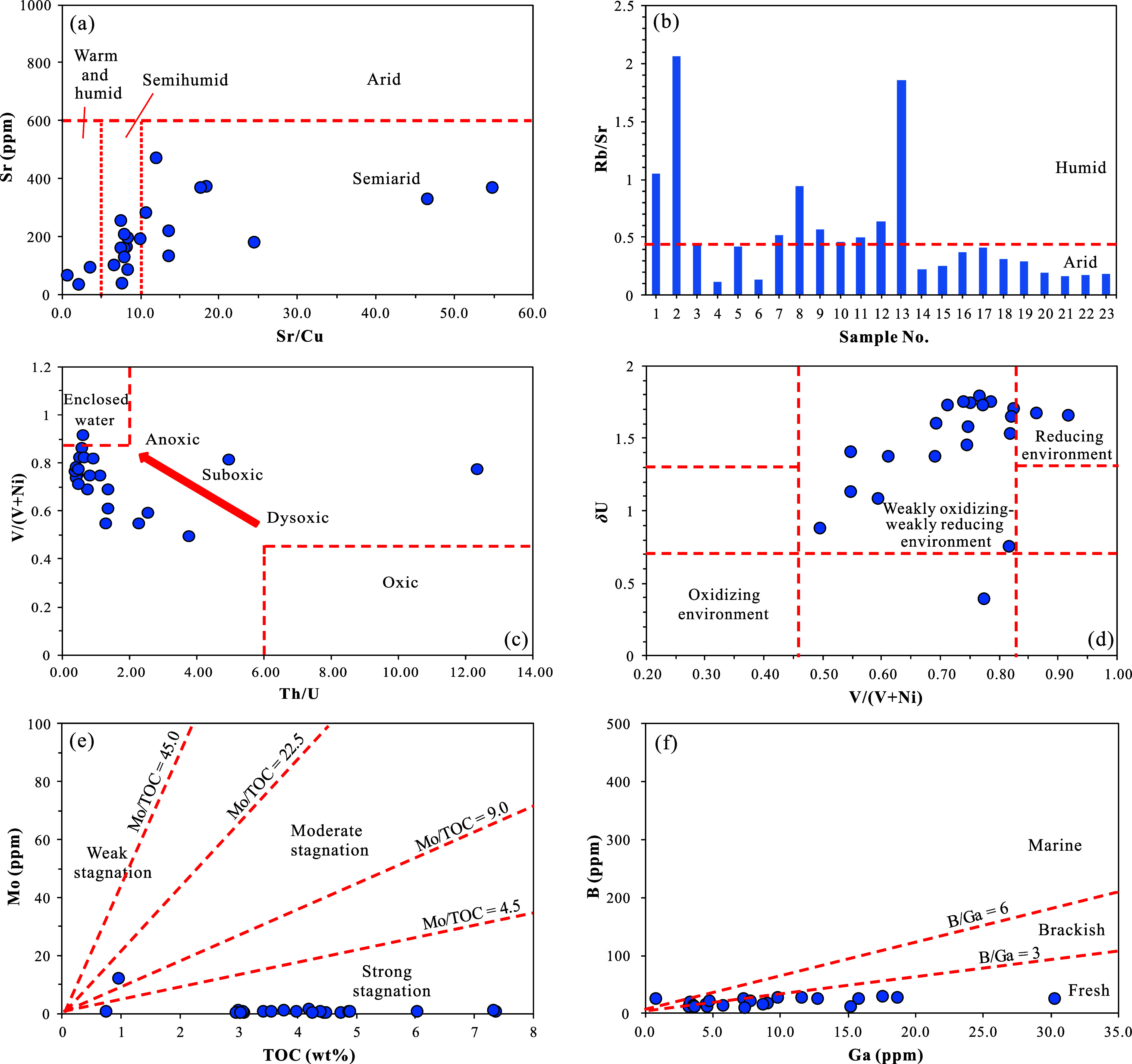 Figure 6
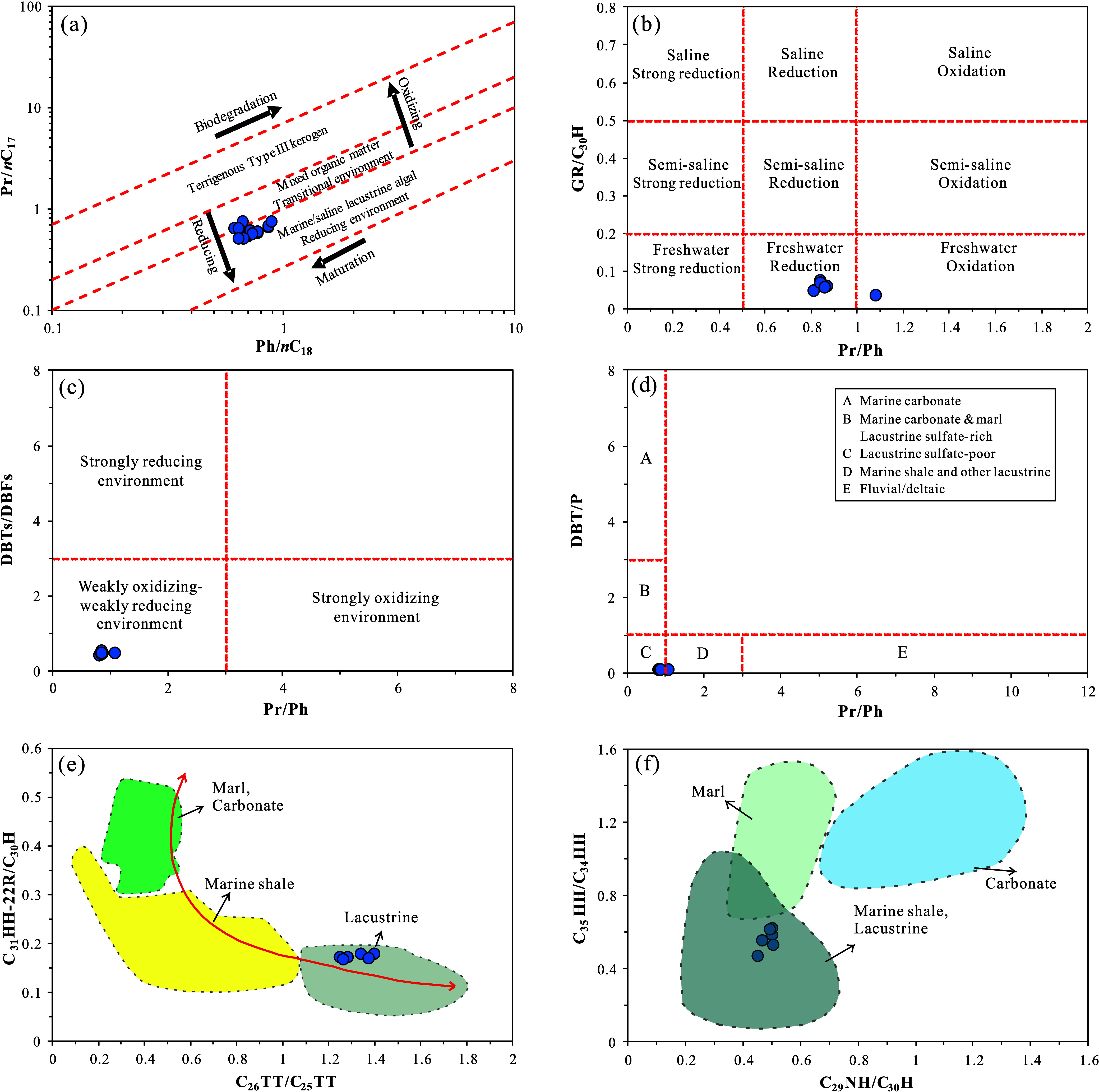 Figure 7
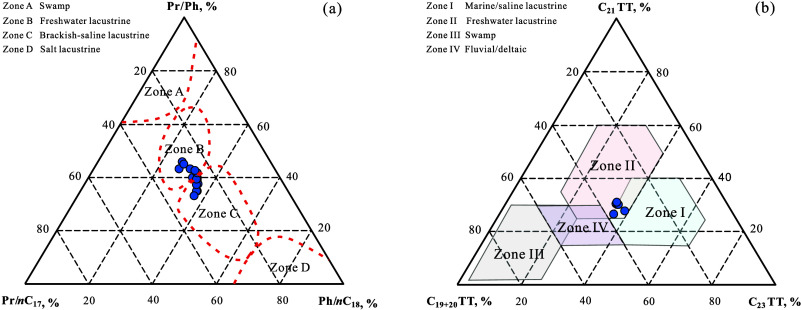 Figure 8
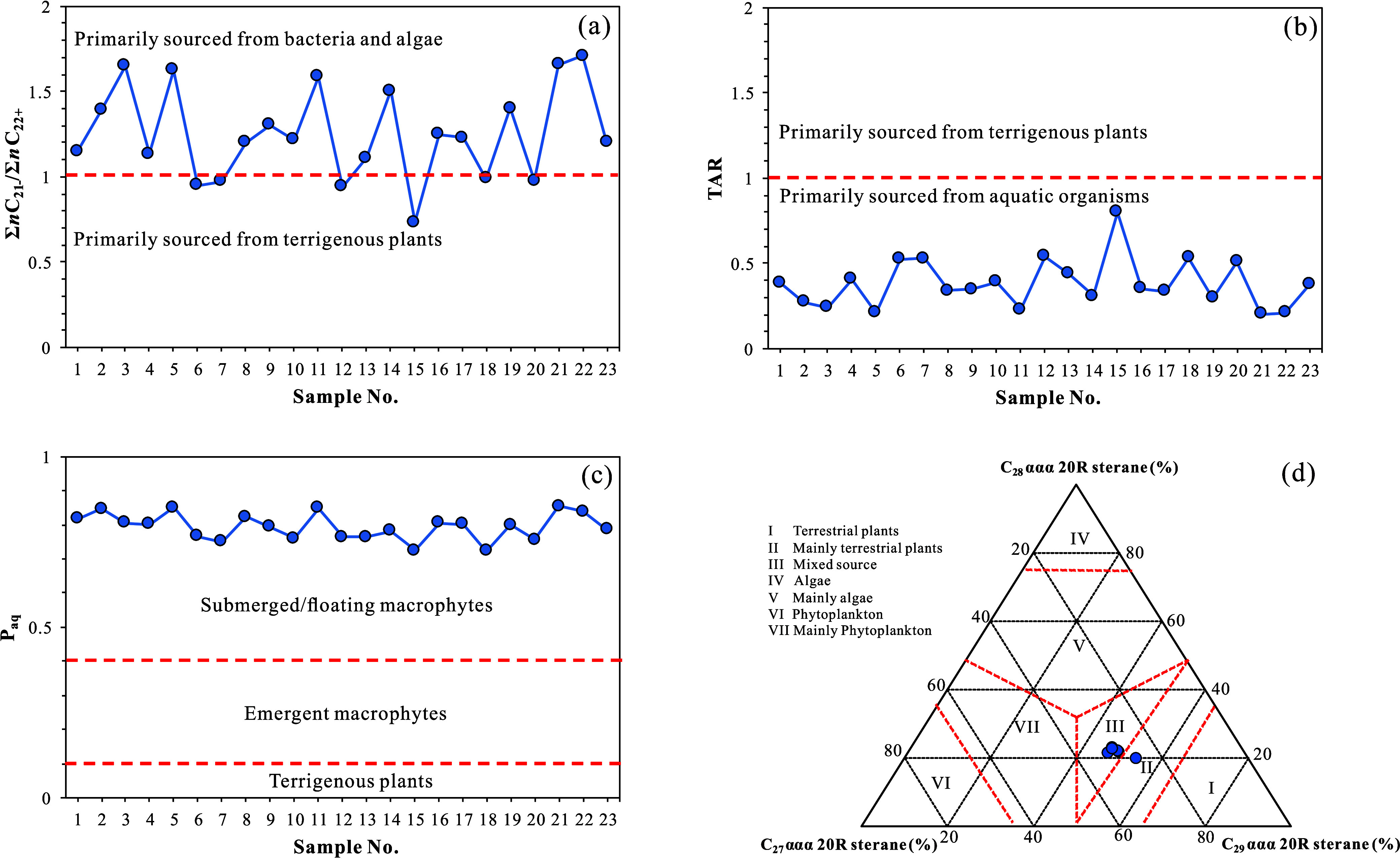 Figure 9
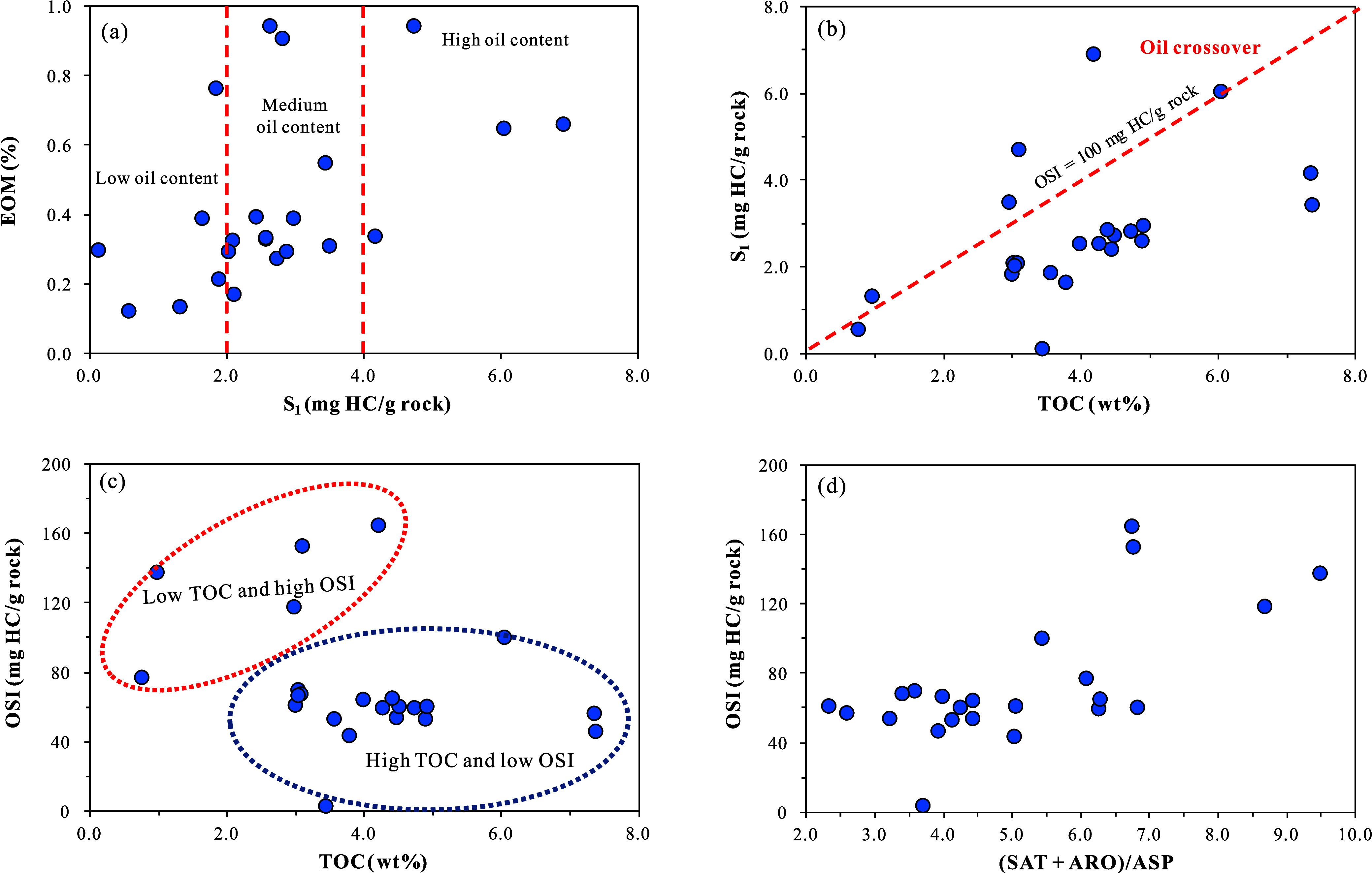 Figure 10
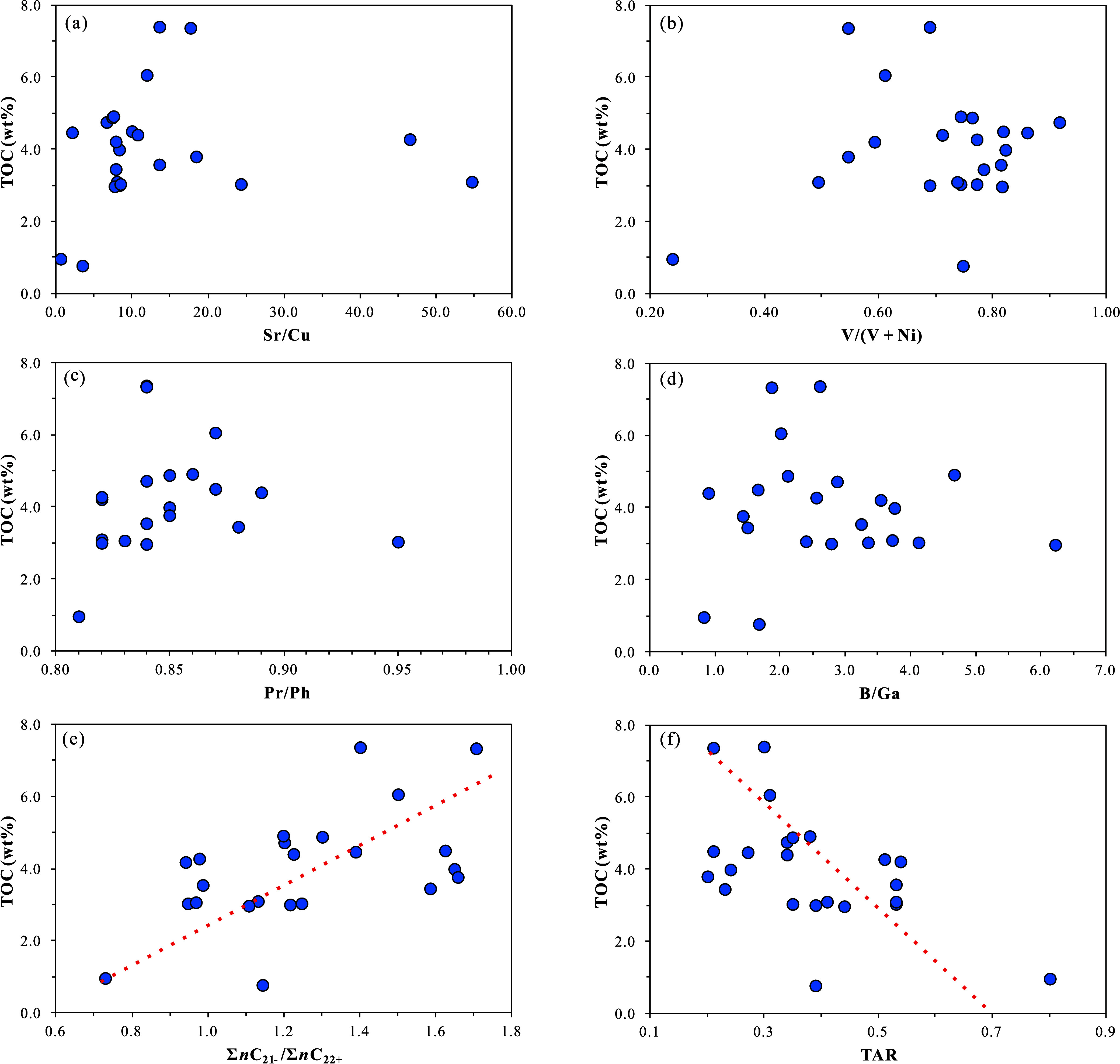 Figure 11
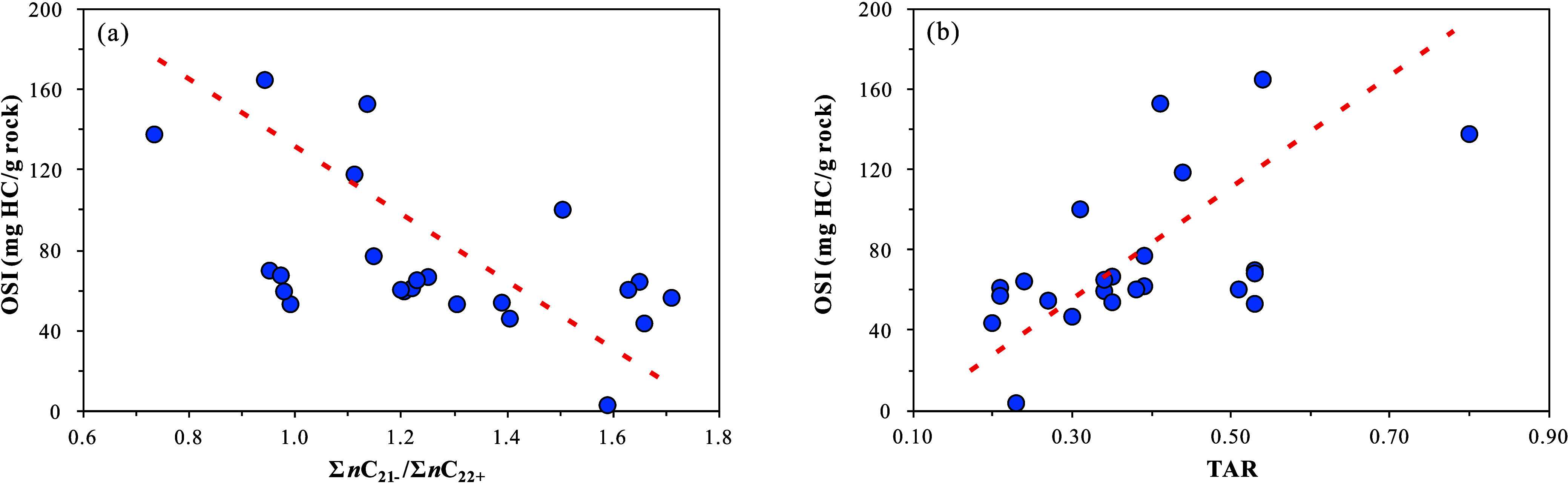 Figure 12
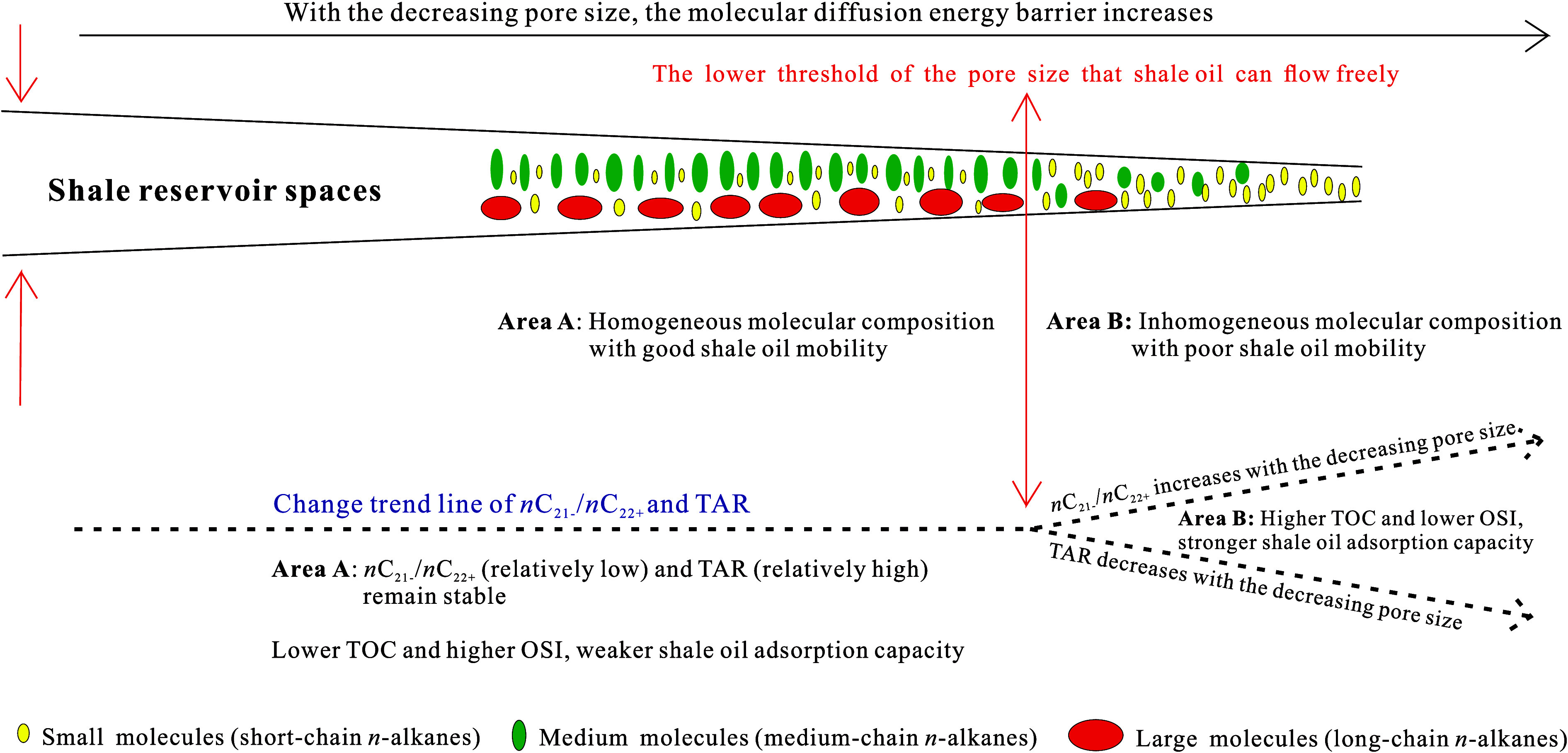 Figure 13
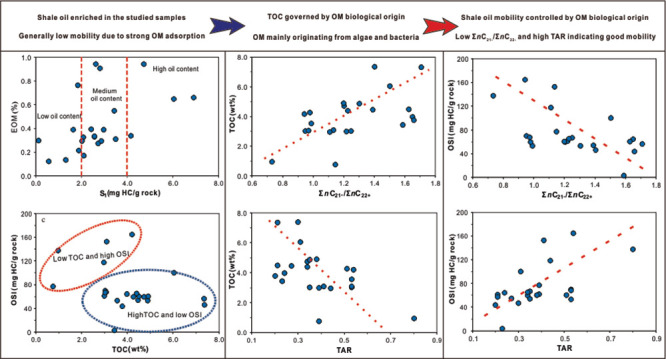 Figure 14
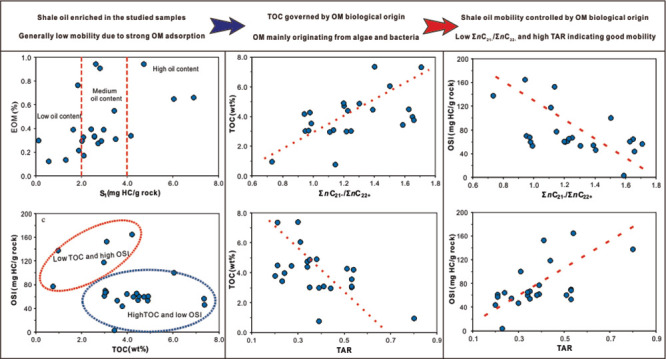 Figure 15
Peer Reviews
No public reviews on file for this paper yet. If you reviewed it on a platform where reviews are public (OpenReview, ICLR, NeurIPS, ICML), you can paste yours below so the community can read it here.
Videos
No videos yet. Explain this paper in a talk, walkthrough, or lecture? Add one.
Taxonomy
TopicsHydrocarbon exploration and reservoir analysis · Geological formations and processes · Petroleum Processing and Analysis