Stability and Recovery of Palytoxin and Ovatoxin‑a
Elizabeth M. Mudge, Christopher O. Miles, Valentina Miele, Carmela Dell’Aversano, Pearse McCarron

TL;DR
This study examines how to best handle and preserve palytoxin and ovatoxin-a, marine toxins that can degrade during analysis, to improve their measurement and use in research.
Contribution
The study identifies optimal conditions for preserving palytoxin and ovatoxin-a during analysis to reduce degradation and improve recovery.
Findings
Palytoxin and ovatoxin-a degrade significantly when dried in glass vials with high aqueous solutions.
Using polypropylene vials and adding BSA and PBS reduces degradation and improves recovery.
Maintaining the toxins in solutions with >50% organic solvent and pH 5–8 minimizes losses.
Abstract
Palytoxin and ovatoxins belong to a class of marine toxins identified in soft corals and microalgae, Palythoa spp. and Ostreopsis spp., respectively. Several documented events have resulted in human exposure to aerosolized toxins that led to significant respiratory distress. It has been reported that processing of samples containing palytoxin and ovatoxin during analysis can lead to significant analyte recovery issues due to a variety of parameters. In this study, systematically designed experiments, monitored by LC–MS/MS, were used to evaluate palytoxin and ovatoxin-a stability and recovery, and the effects of pH, solvent composition, and vial contact surface. Significant losses of palytoxin and ovatoxin-a were observed when drying highly aqueous solutions in glass, which were reduced with the use of a polypropylene contact surface and the addition of bovine serum albumin and…
Genes, proteins, chemicals, diseases, species, mutations and cell lines named across the full text — each resolved to its canonical identifier and authoritative record.
Click any figure to enlarge with its caption.
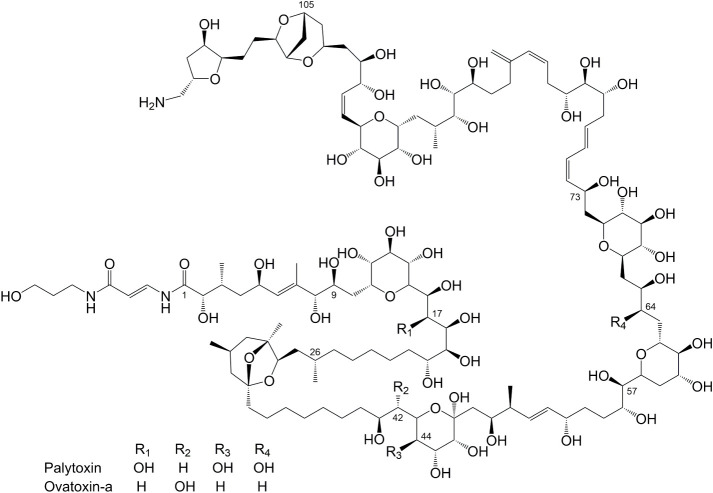 Figure 1
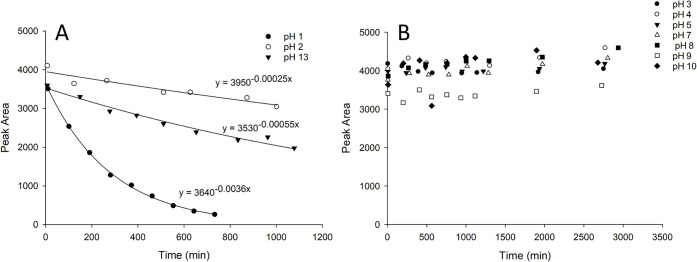 Figure 2
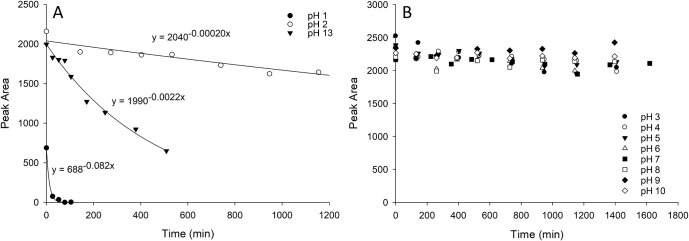 Figure 3
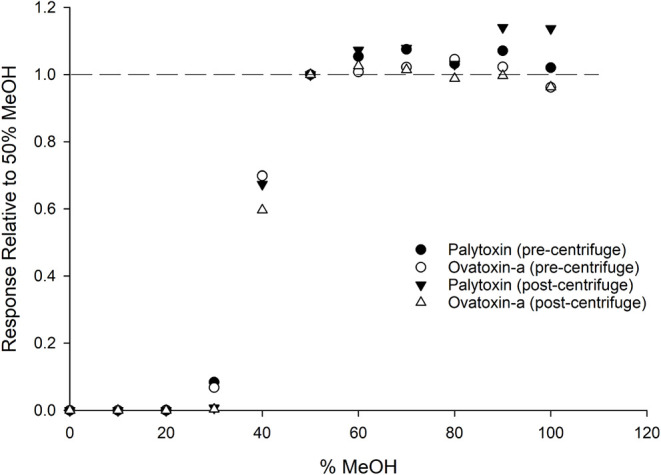 Figure 4
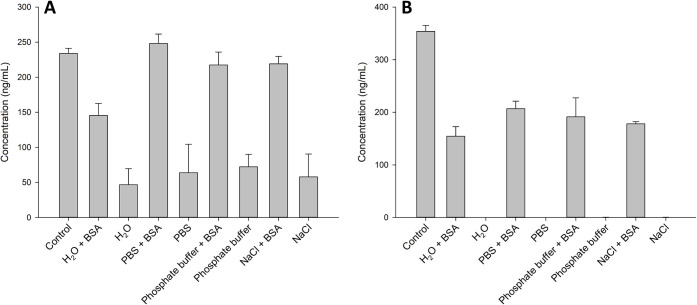 Figure 5
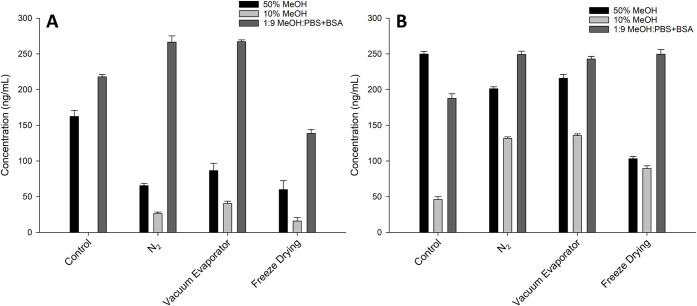 Figure 6
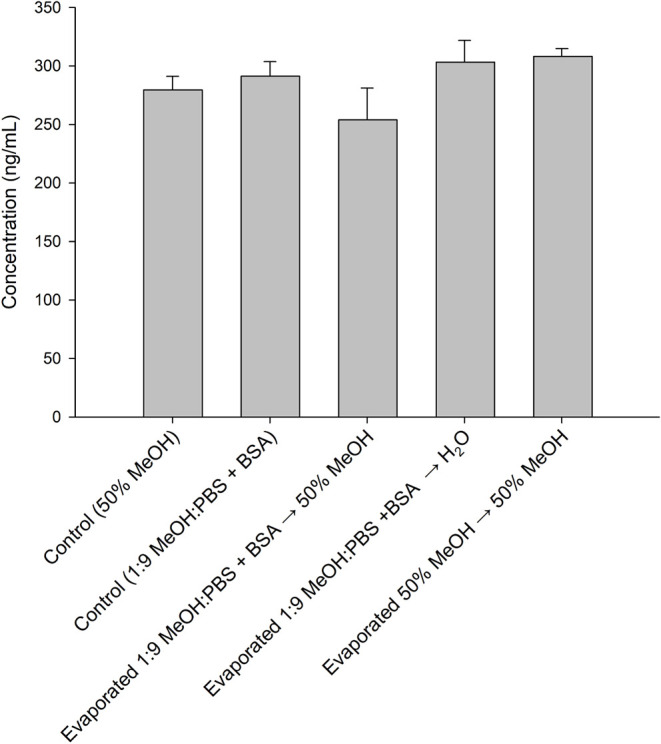 Figure 7
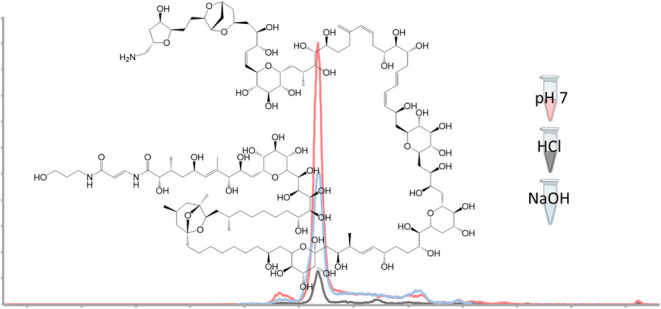 Figure 8
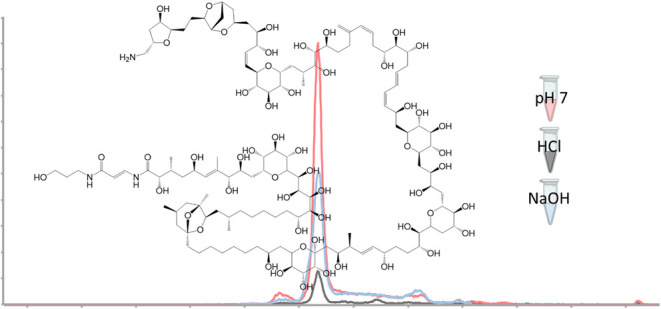 Figure 9
Peer Reviews
No public reviews on file for this paper yet. If you reviewed it on a platform where reviews are public (OpenReview, ICLR, NeurIPS, ICML), you can paste yours below so the community can read it here.
Videos
No videos yet. Explain this paper in a talk, walkthrough, or lecture? Add one.
Taxonomy
TopicsMarine Toxins and Detection Methods · Marine Biology and Environmental Chemistry · Marine Sponges and Natural Products