Graviola Extract versus Adipose-Derived Mesenchymal Stem Cells as Therapeutics in Repairing Liver Damage Caused by 2‑Amino-3-Methylimidazo[4, 5‑f]quinoline
Doaa Hamada Abd El-Hafeez Thabet, Mona M. Atia, Hanem S. Abdel-Tawab, Alshaimaa A. I. Alghriany

TL;DR
This study compares graviola extract and stem cells in treating liver damage caused by a harmful chemical found in cooked foods.
Contribution
The study provides a direct comparison of AD-MSCs and graviola in repairing IQ-induced liver toxicity.
Findings
AD-MSCs significantly reduced DNA damage and oxidative stress markers compared to graviola.
AD-MSCs improved liver histology and reduced fibrosis caused by IQ toxicity.
Graviola showed limited effectiveness in treating chronic liver toxicity.
Abstract
The mutagenic and carcinogenic heterocyclic amine, 2-amino-3-methylimidazo[4,5-f]quinoline (IQ), is produced while cooking protein-rich foods. Mesenchymal stem cells (MSCs) (as cell-based therapy) and Annona muricata (graviola) (as a natural product) both possess preventive capacities against free radical toxicity in various tissues. This study aims to compare the therapeutic properties and effects of AD-MSCs and graviola on IQ-induced liver toxicity and DNA damage in rats. Sixty adult male rats were divided into four groups: normal unexposed control, IQ, IQ + graviola, and IQ + AD-MSCs. After 6 weeks, the rats were sacrificed, and liver tissues were examined for histopathological changes using hematoxylin–eosin staining. p53 protein expression was evaluated by immunohistochemistry, and DNA damage was measured by using the comet test. Our findings indicated that AD-MSC therapy led to…
Genes, proteins, chemicals, diseases, species, mutations and cell lines named across the full text — each resolved to its canonical identifier and authoritative record.
Click any figure to enlarge with its caption.
 Figure 1
 Figure 2
 Figure 3
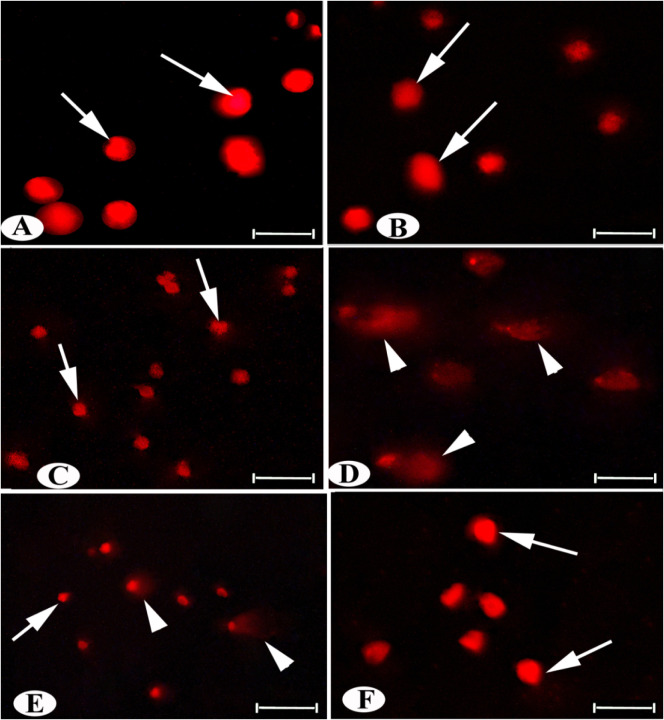 Figure 4
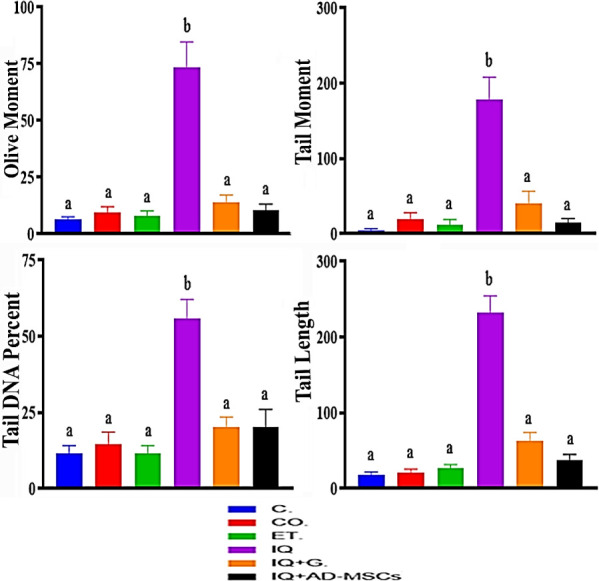 Figure 5
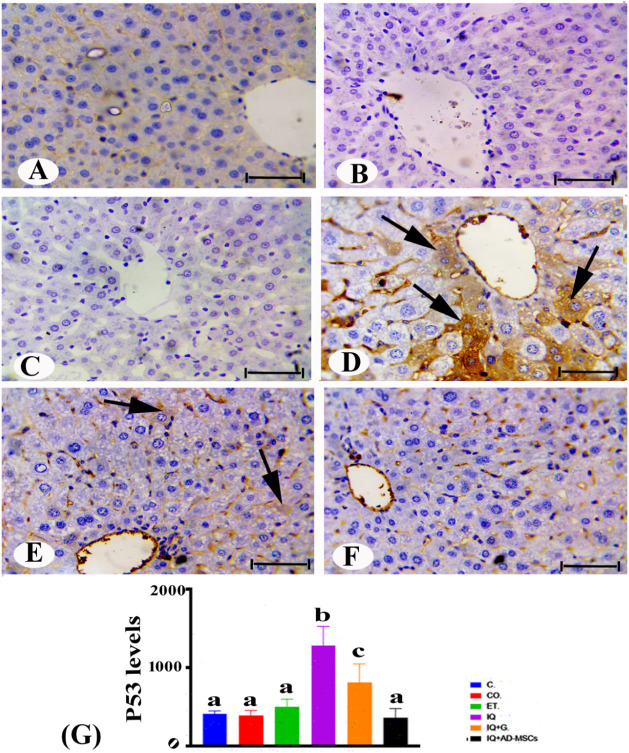 Figure 6
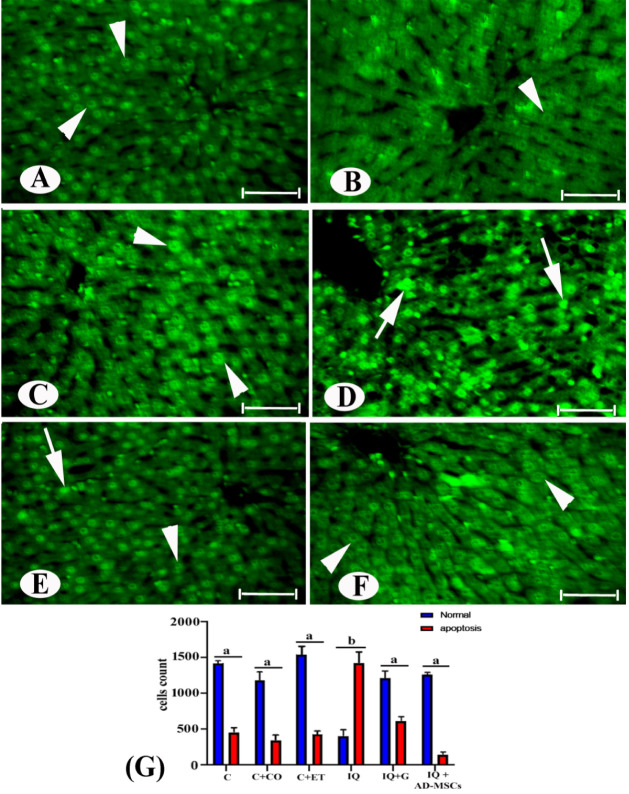 Figure 7
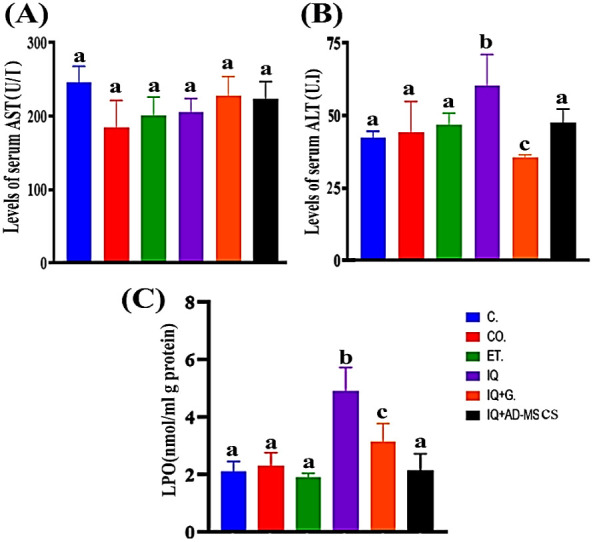 Figure 8
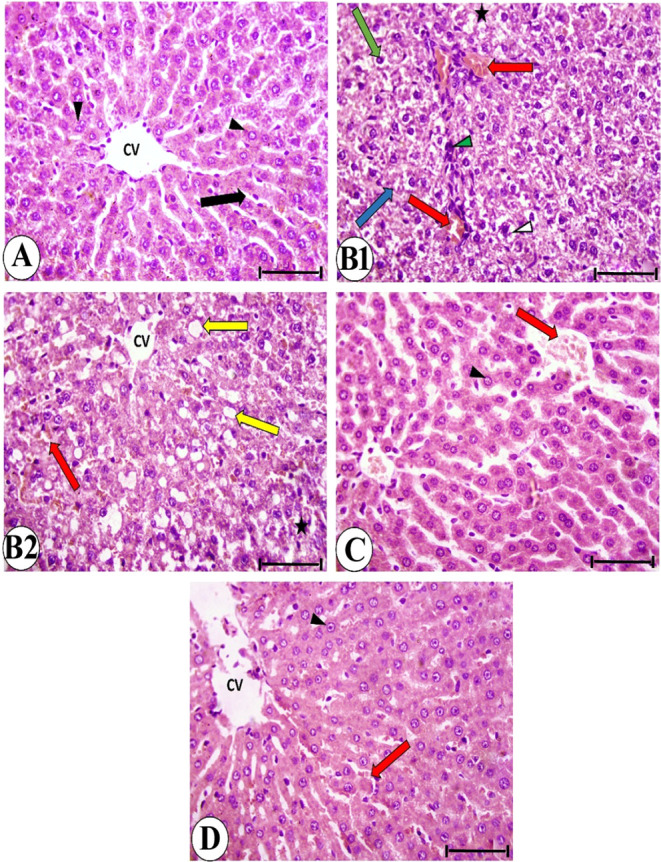 Figure 9
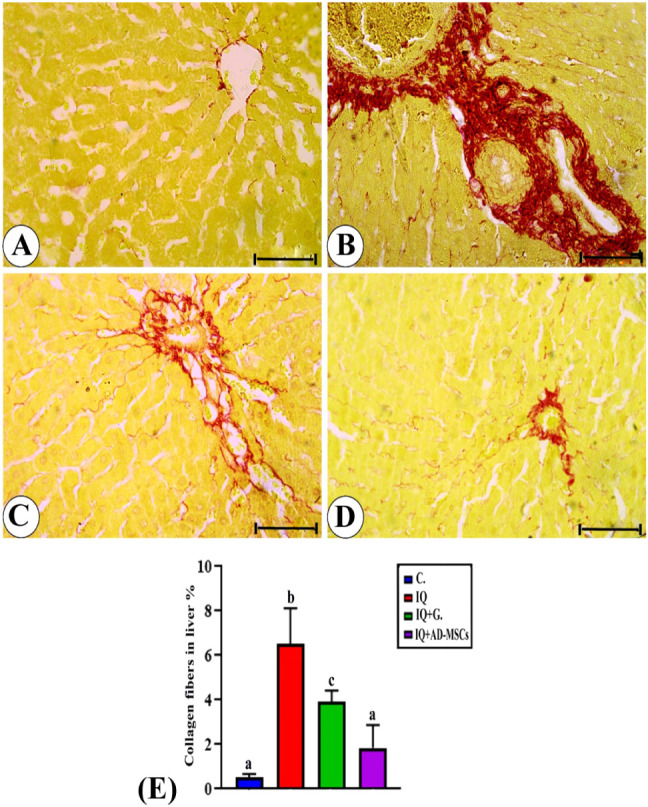 Figure 10
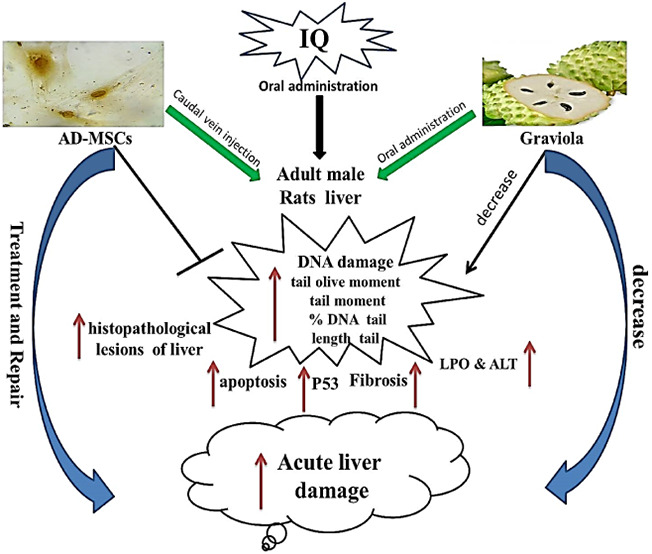 Figure 11
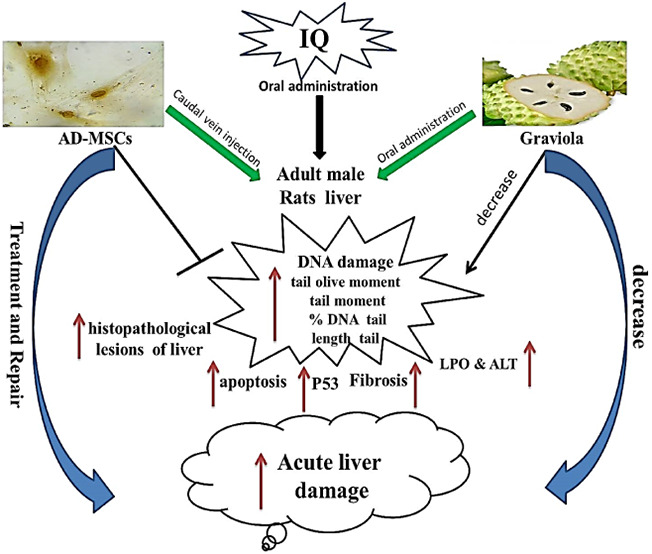 Figure 12
Peer Reviews
No public reviews on file for this paper yet. If you reviewed it on a platform where reviews are public (OpenReview, ICLR, NeurIPS, ICML), you can paste yours below so the community can read it here.
Videos
No videos yet. Explain this paper in a talk, walkthrough, or lecture? Add one.
Taxonomy
TopicsTraditional and Medicinal Uses of Annonaceae · Carcinogens and Genotoxicity Assessment · Potato Plant Research