A Glucosylated BODIPY Uses the GLUT Channel to Target Cancer Cells in In Vitro and In Vivo Models
Marta Turati, Giacomo Biagiotti, Cosetta Ravelli, Chiara Tobia, Jacopo Cardellini, Luca Mignani, Jacopo Tricomi, Debora Berti, Stefano Cicchi, Barbara Richichi, Roberto Ronca

TL;DR
This study introduces a glucosylated BODIPY that targets cancer cells using glucose transporters, showing potential for cancer imaging and treatment.
Contribution
A novel glucosylated BODIPY probe is developed for broad-spectrum cancer targeting via GLUT channels.
Findings
Glc-BODIPY effectively targets various cancer cell types in vitro.
The probe demonstrates tumor-targeting ability in in vivo models.
The use of d-glucose enhances targeting by exploiting cancer cell metabolism.
Abstract
The conjugation of fluorescent probes to tumor-targeting molecules represents a promising strategy for the development of precision cancer bioimaging and treatment. Among the different tumor-targeting strategies, the use of d-glucose residues, which exploit the high energy demand of cancer cells, can enable recognition by a broad spectrum of tumors, thus overcoming limitations related to cancer heterogeneity. In this study, we combined the distinctive optical properties of BODIPY-based probes with the known tumor-targeting abilities of d-glucose. We report on the characterization of a glucosylated BODIPY, named Glc-BODIPY, and its ability to target different cancer cell types in both in vitro and in vivo models.
Genes, proteins, chemicals, diseases, species, mutations and cell lines named across the full text — each resolved to its canonical identifier and authoritative record.
Click any figure to enlarge with its caption.
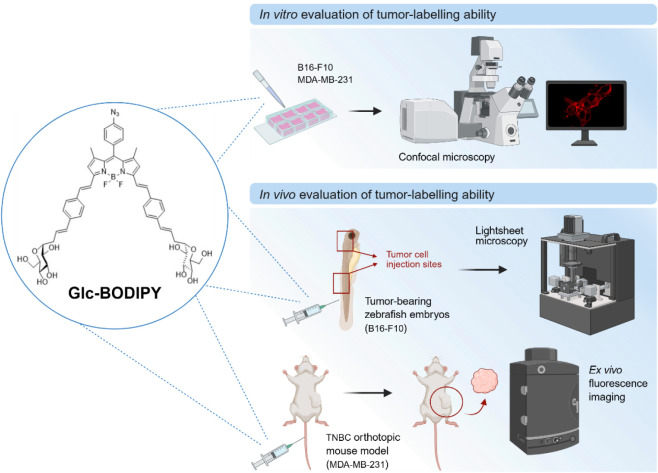 Figure 1
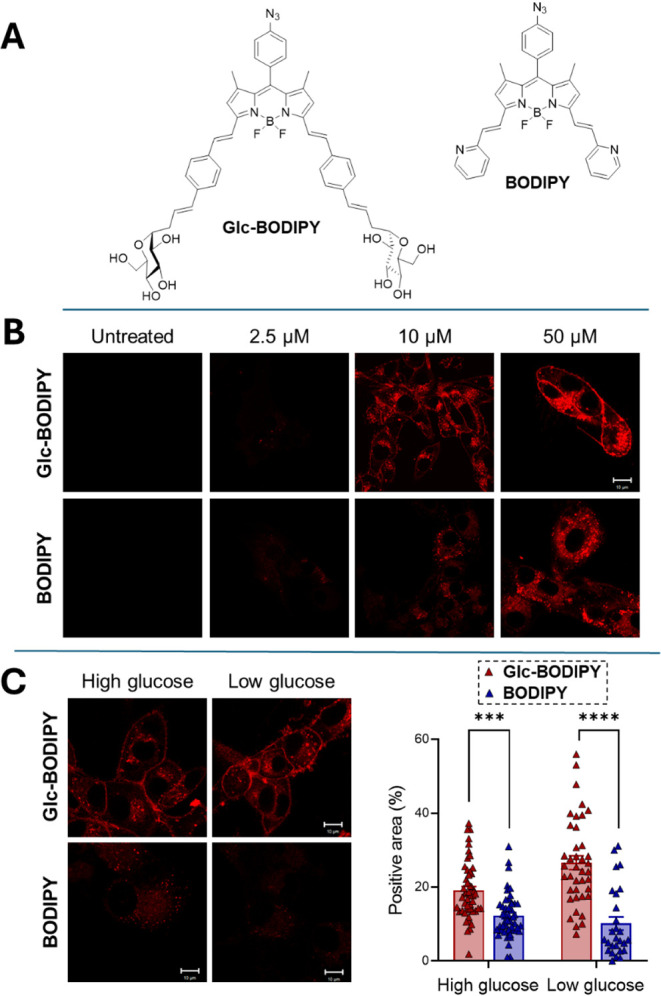 Figure 2
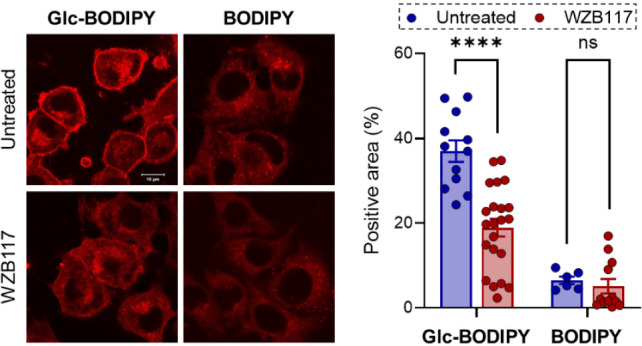 Figure 3
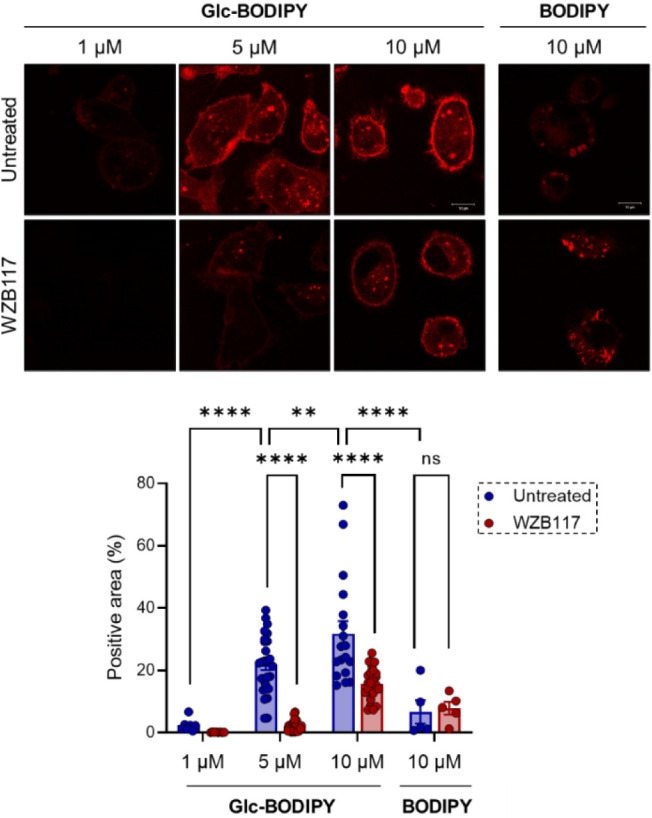 Figure 4
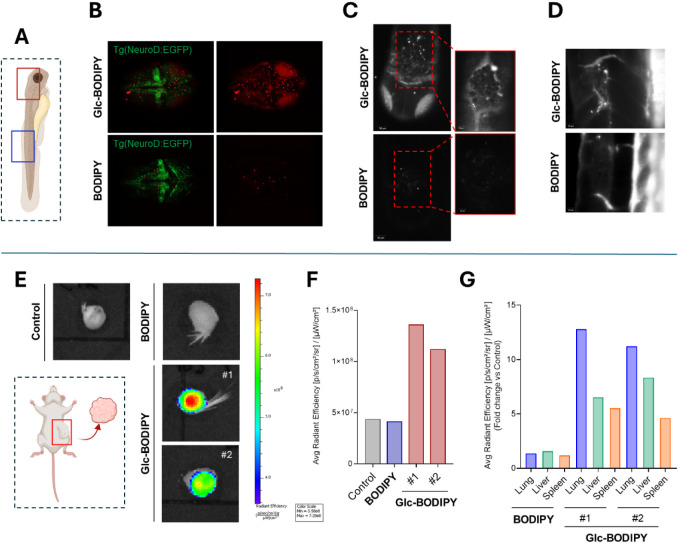 Figure 5
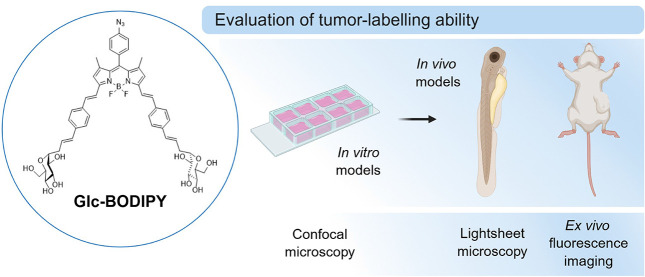 Figure 6
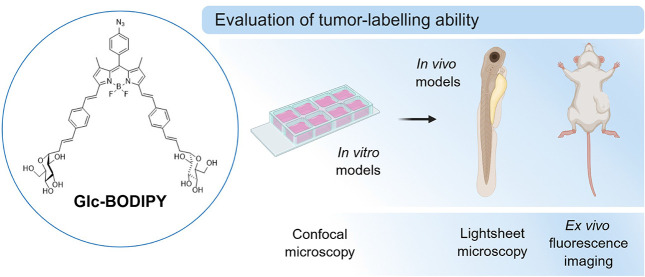 Figure 7
Peer Reviews
No public reviews on file for this paper yet. If you reviewed it on a platform where reviews are public (OpenReview, ICLR, NeurIPS, ICML), you can paste yours below so the community can read it here.
Videos
No videos yet. Explain this paper in a talk, walkthrough, or lecture? Add one.
Taxonomy
TopicsLuminescence and Fluorescent Materials · Nanoplatforms for cancer theranostics · Molecular Sensors and Ion Detection