Self-Navigated, Retrospective, Data-Consistent Motion Correction for MPnRAGE
John Podczerwinski, Andrew L. Alexander, Brittany G. Travers, James J. Li, Steven R. Kecskemeti

TL;DR
This paper introduces an automated motion correction method for 3D radial T1-weighted imaging that improves image quality and test-retest reliability in the presence of motion.
Contribution
A novel data-consistent, self-navigated motion correction method with error-based weighting and improved timing resolution for 3D radial T1-weighted imaging.
Findings
The method improved image quality across various motion types, including cases previously unusable.
Test-retest reliability of cortical thickness measures improved significantly in pediatric subjects.
Faster temporal correction rates further enhanced reliability metrics.
Abstract
To extend and automate a data-consistent, self-navigated motion-correction method for 3D radial T1-weighted imaging. This method incorporated rigid-body motion effects into the forward model, solving for parameters that maximize consistency with the data. The method was tested on five datasets with a range of motion types and severities. A separate collection of datasets was used to study the effect that the method has on the test-retest reliability of cortical thickness estimates. Image quality was improved across a wide range of distinct motion types, including some cases that would have been unusable if left uncorrected. The error-based weighting scheme and the increased timing resolution afforded by the proposed method were especially useful in cases of extreme and rapid motions. Moreover, the method improved test-retest reliability of cortical thickness measures in pediatric…
Genes, proteins, chemicals, diseases, species, mutations and cell lines named across the full text — each resolved to its canonical identifier and authoritative record.
Click any figure to enlarge with its caption.
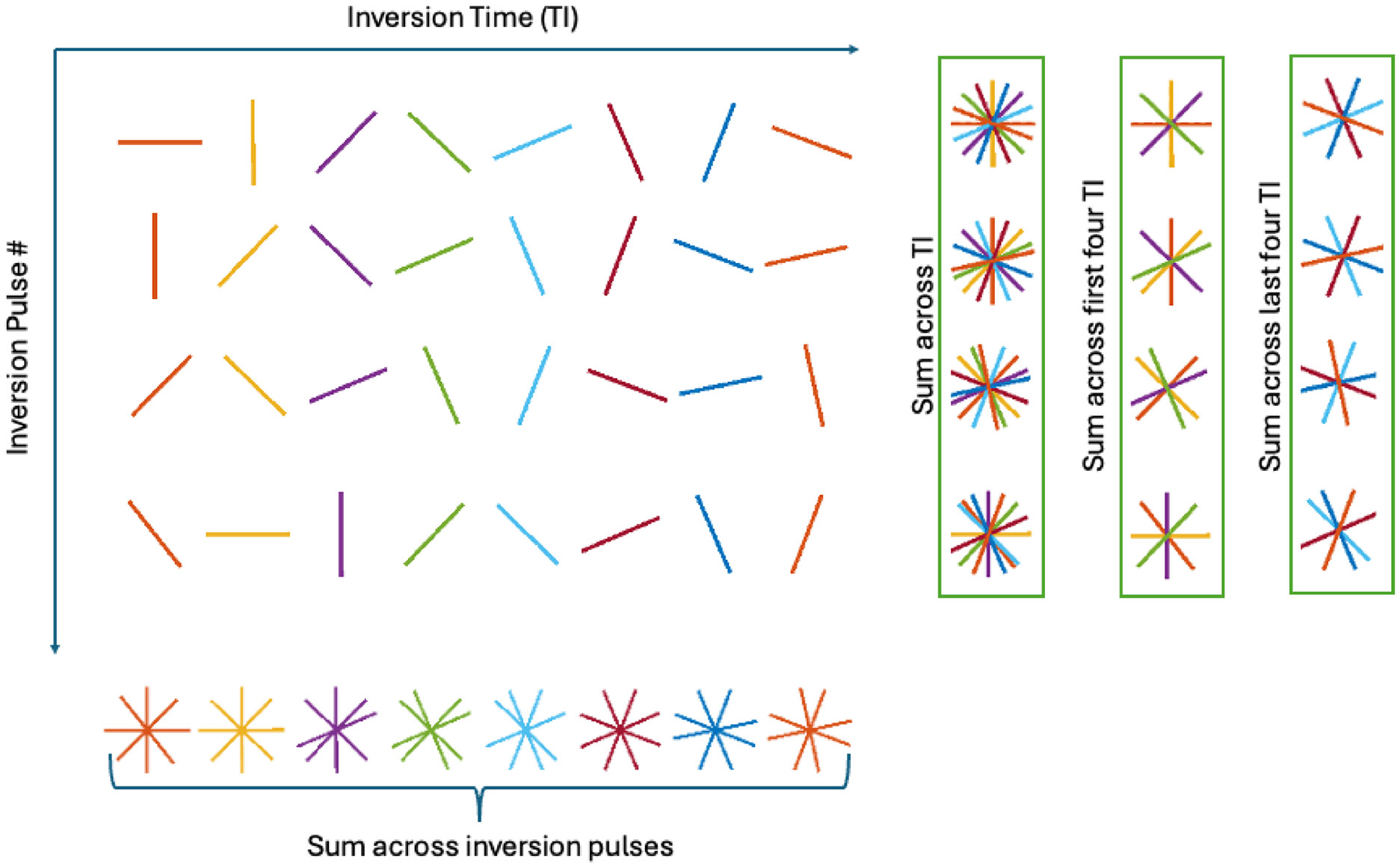 Figure 1
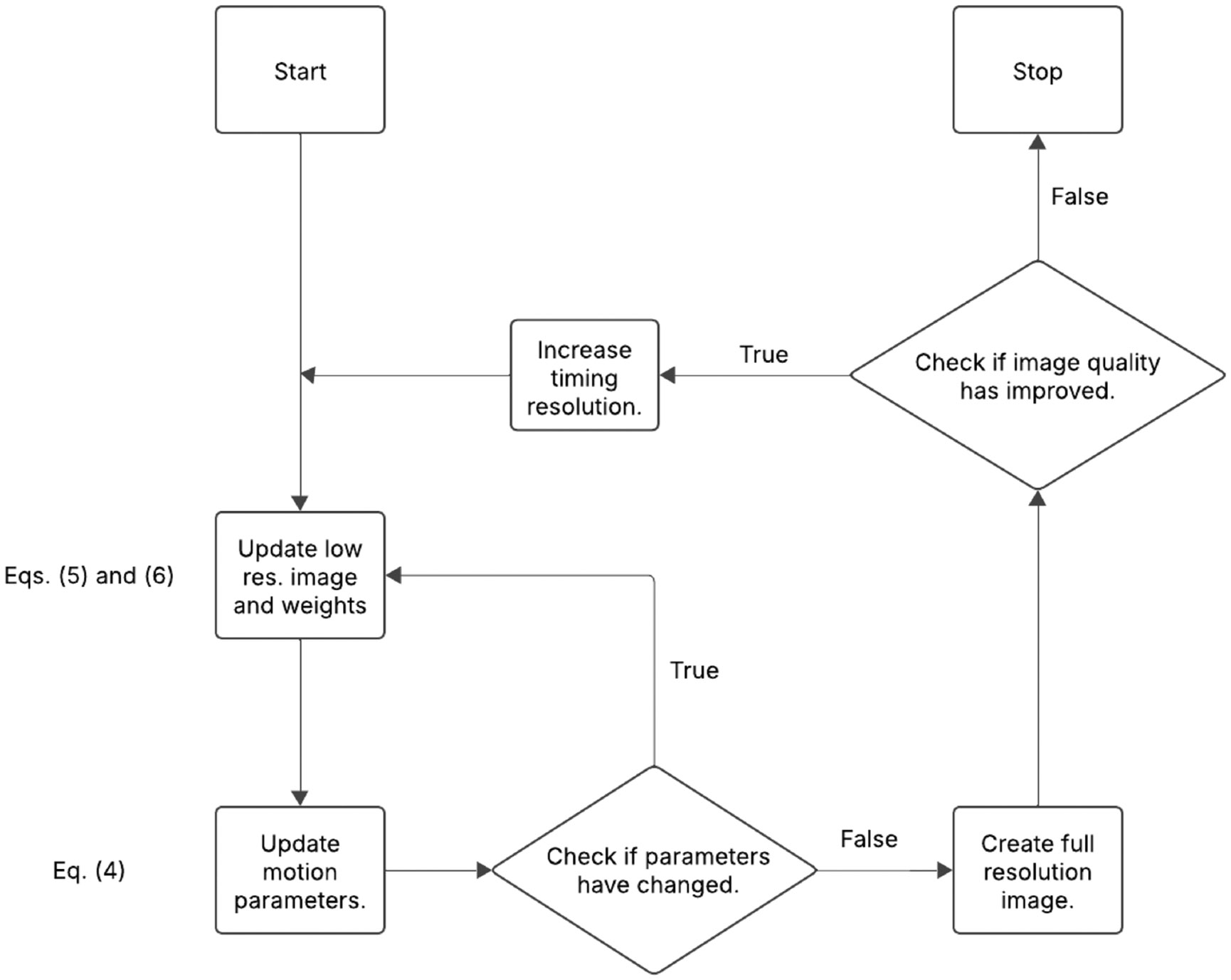 Figure 2
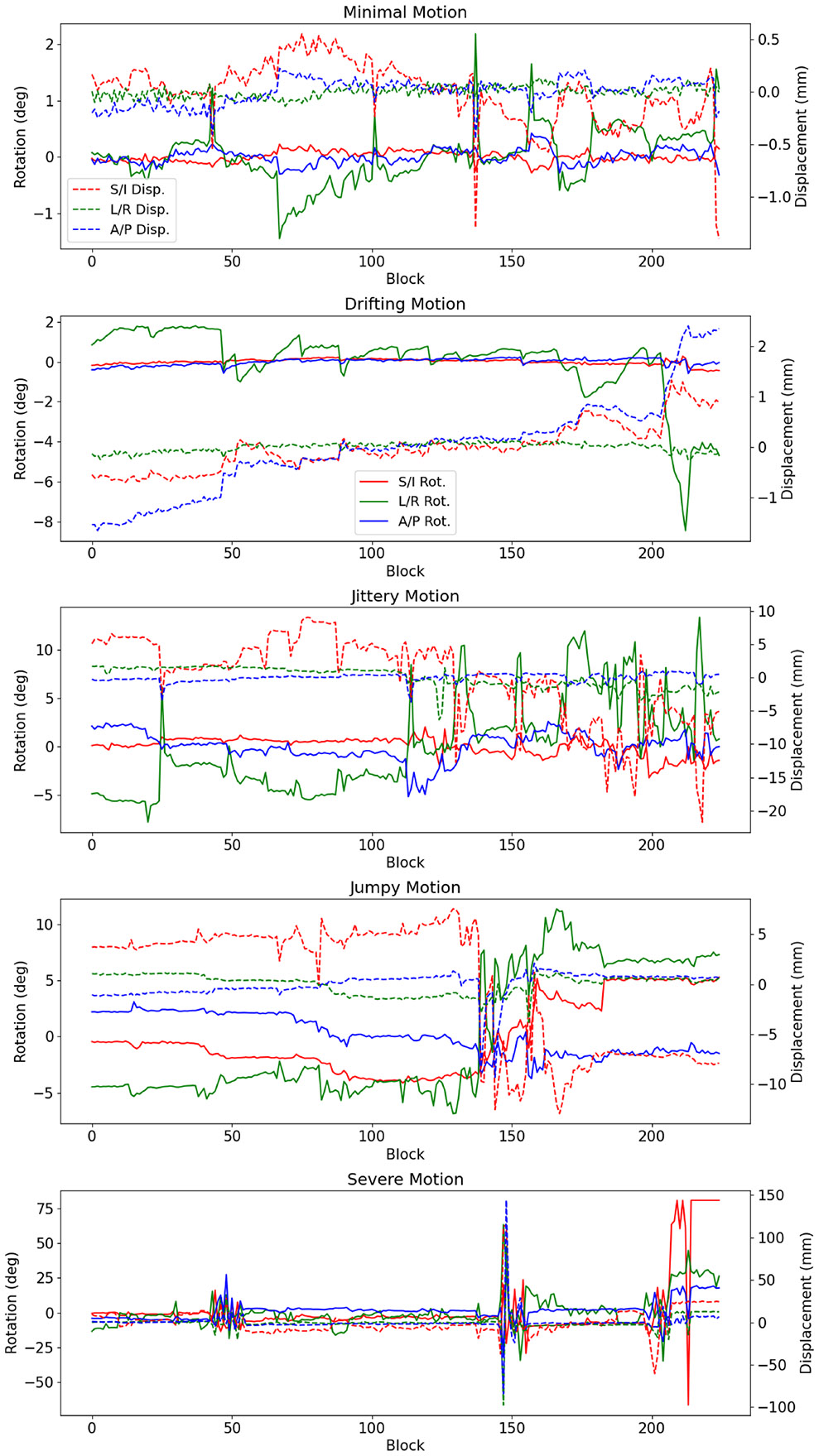 Figure 3
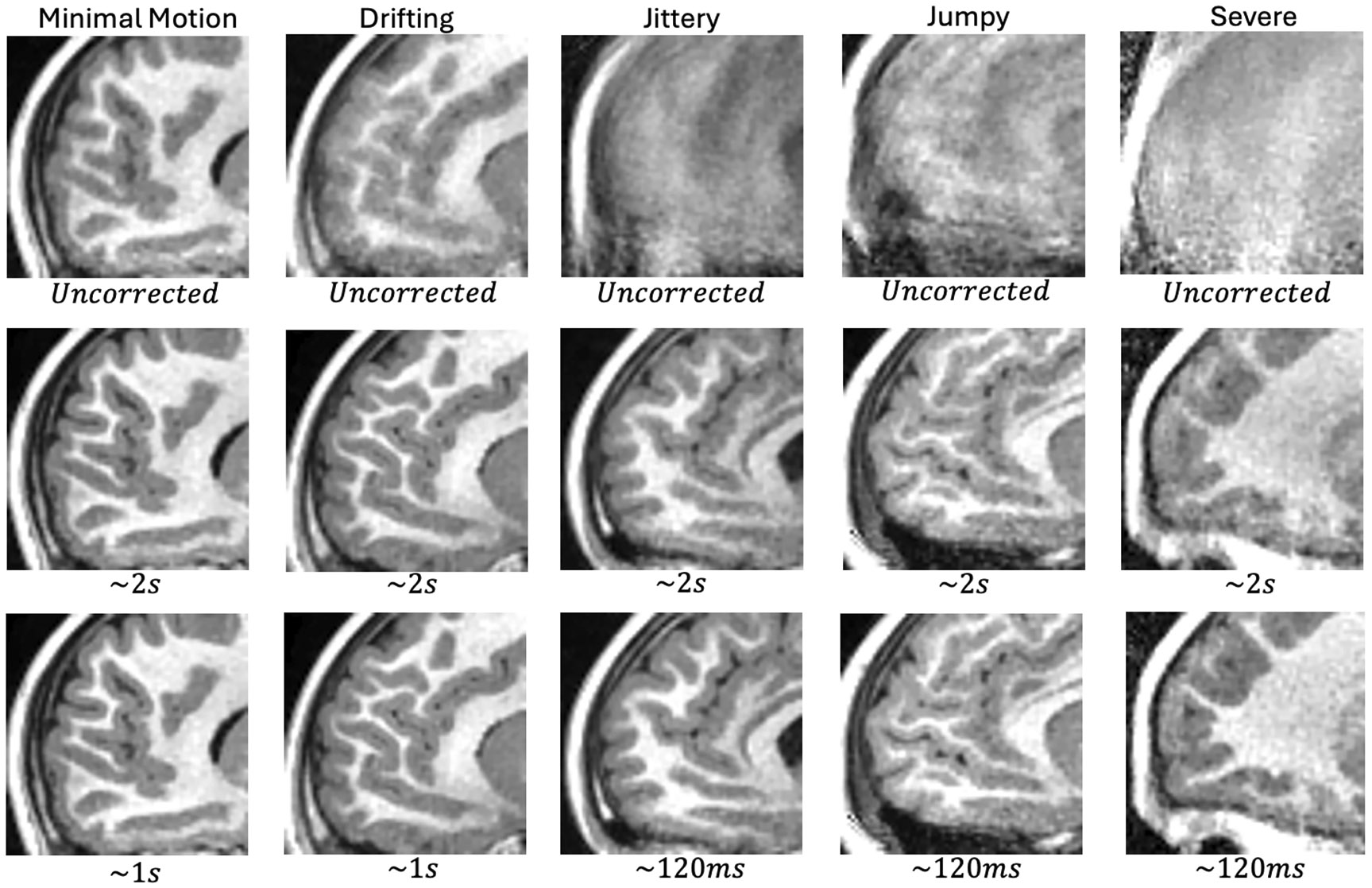 Figure 4
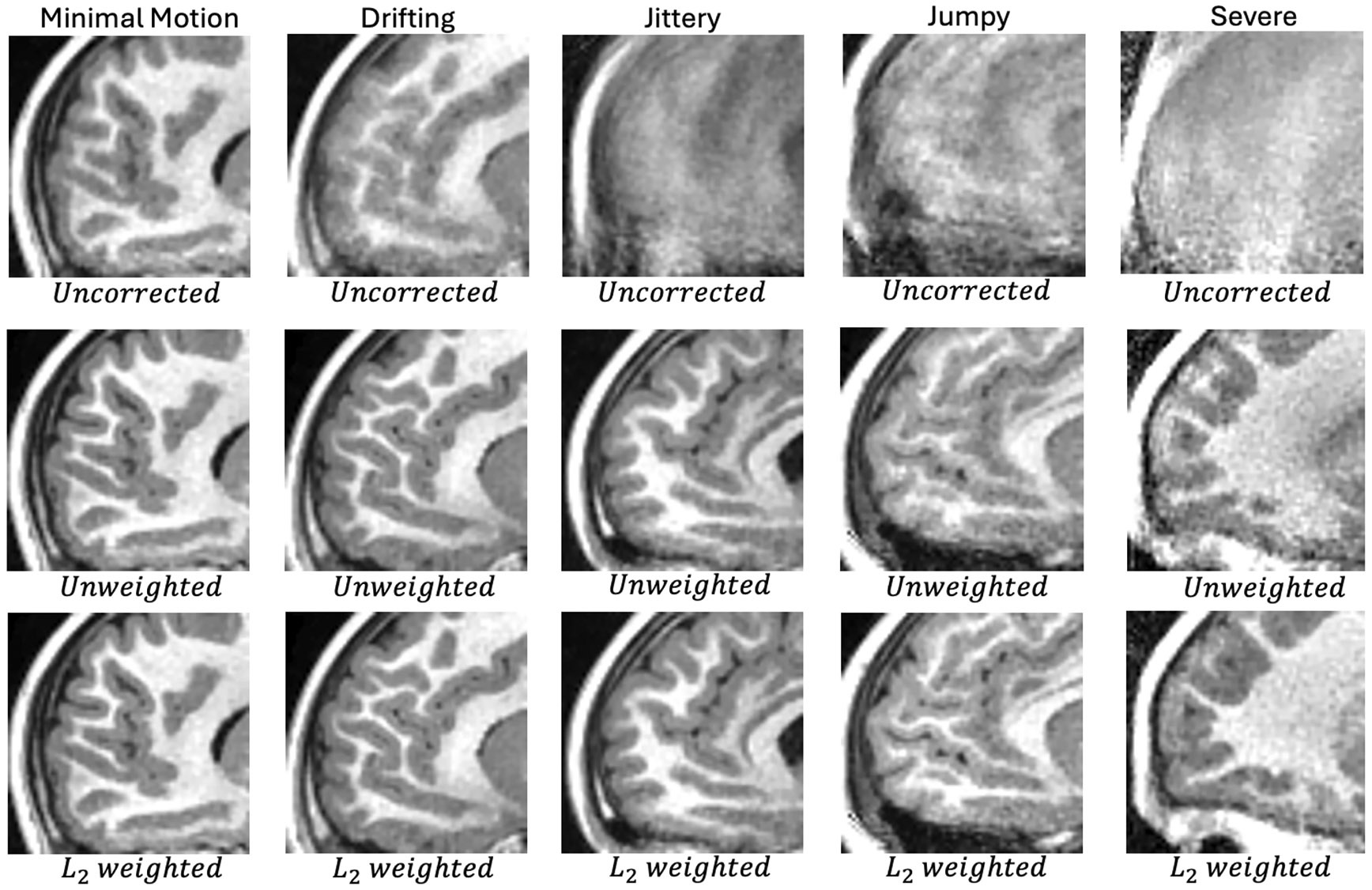 Figure 5
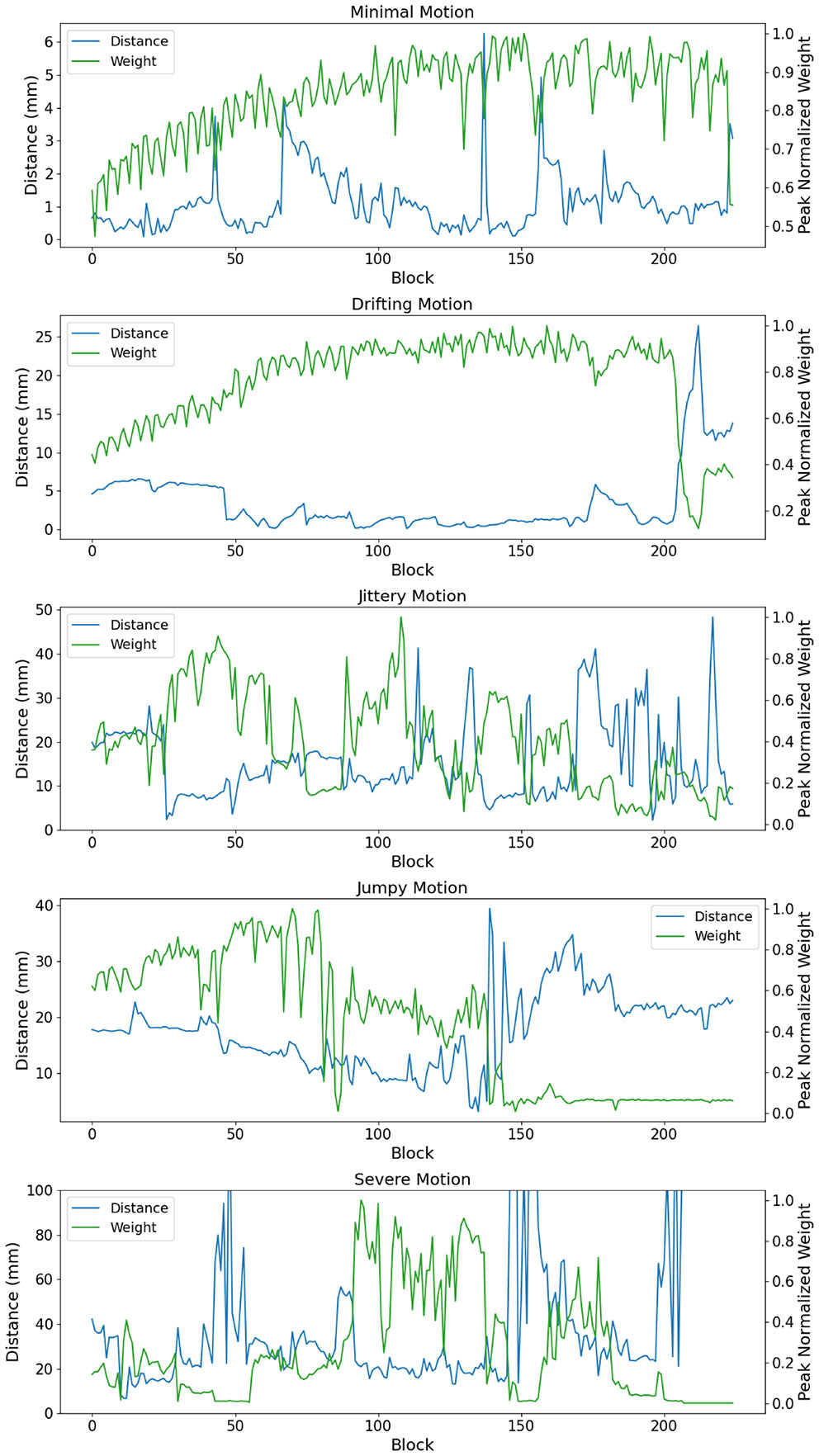 Figure 6
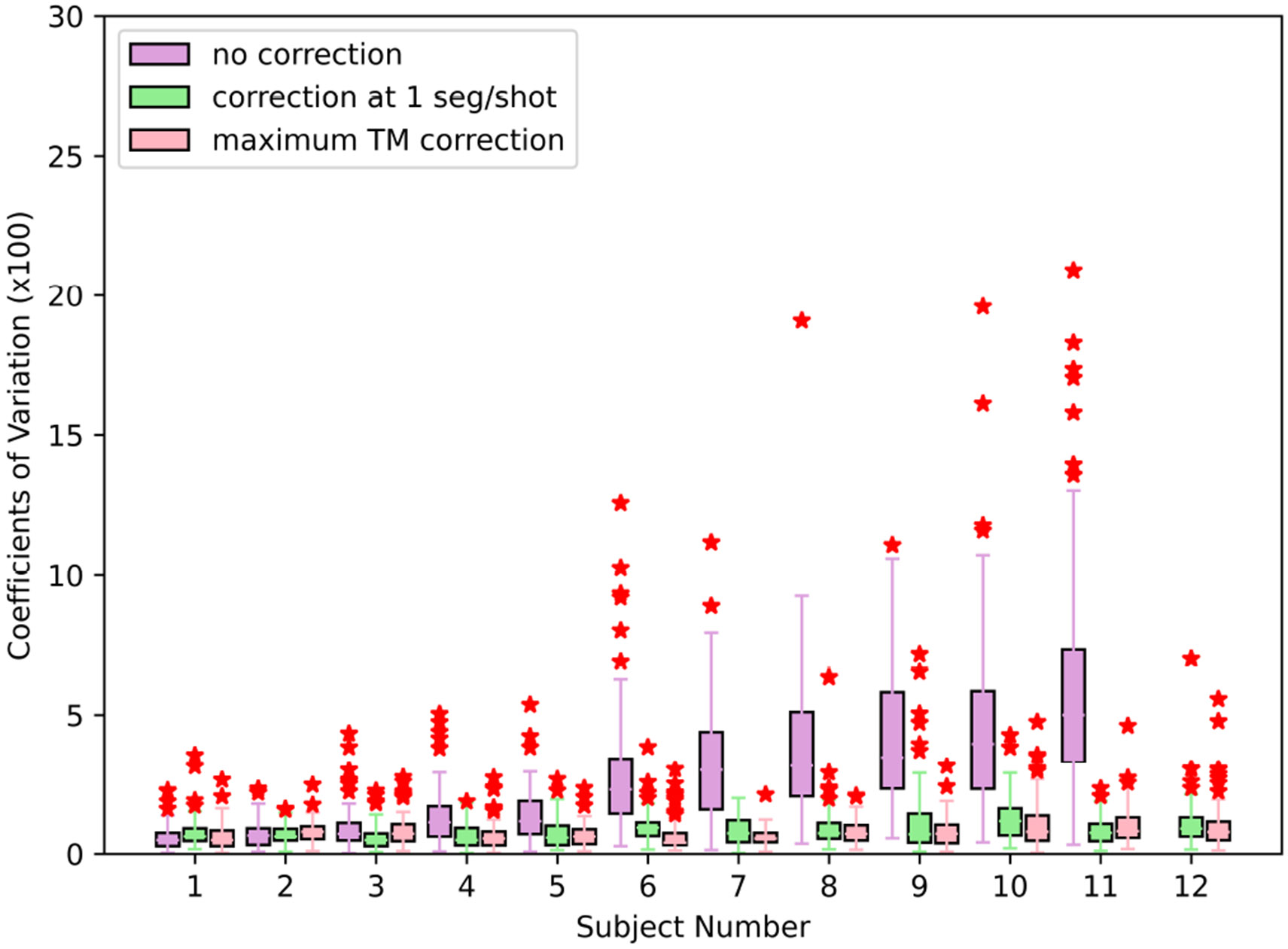 Figure 7
Peer Reviews
No public reviews on file for this paper yet. If you reviewed it on a platform where reviews are public (OpenReview, ICLR, NeurIPS, ICML), you can paste yours below so the community can read it here.
Videos
No videos yet. Explain this paper in a talk, walkthrough, or lecture? Add one.
Taxonomy
TopicsAdvanced MRI Techniques and Applications · Advanced Neuroimaging Techniques and Applications · Medical Imaging Techniques and Applications