Development of an Electrochemical Immunosensor for Detecting Coagulation Factor Xa and Perspectives in Monitoring Direct Oral Anticoagulant Therapy
Mariana Rost Meireles, Julia Konzen Moreira, Giovana Dalpiaz, Muriel Schiling Krohn, Gabriela Victória de Mello Jantzch, Willyan Hasenkamp Carreira

TL;DR
This paper describes a new electrochemical sensor that can detect blood clotting factors to monitor anticoagulant therapy.
Contribution
A novel graphene-based immunosensor is developed to distinguish active and inactive forms of Factor X for DOAC monitoring.
Findings
The sensor successfully differentiated FXa from FX using electrochemical methods with high sensitivity.
Structural analysis confirmed FXa lacks an activation peptide, affecting its electrochemical response.
In silico docking showed the sensor is effective across genetic variations in Factor X.
Abstract
This study aims to develop a point-of-care (POC) electrochemical immunosensor to monitor the anticoagulant activity of direct oral anticoagulants (DOACs) by detecting and distinguishing between the inactive (FX) and active (FXa) forms of Factor X. DOACs have transformed the management of thromboembolic disorders by selectively inhibiting FXa. Common monitoring methods are either insufficiently sensitive to DOAC levels or not widely accessible. This study demonstrates the development of a graphene-based electrochemical immunosensor modified by gold nanostructures and functionalized with anti-FX antibodies. Electrode modifications were characterized by cyclic voltammetry (CV), differential pulse voltammetry (DPV), and field-emission scanning electron microscopy (FESEM), showing enhanced electron transfer and increased current peaks (I pc: −241.4 μA, I pa: 244.6 μA). The sensor…
Genes, proteins, chemicals, diseases, species, mutations and cell lines named across the full text — each resolved to its canonical identifier and authoritative record.
Click any figure to enlarge with its caption.
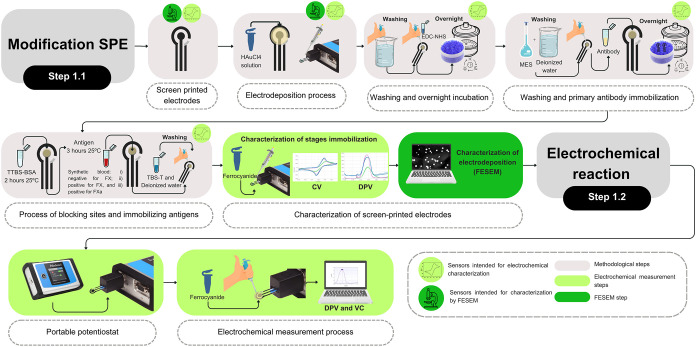 Figure 1
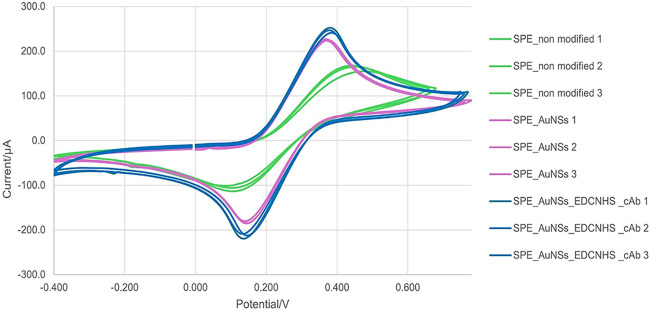 Figure 2
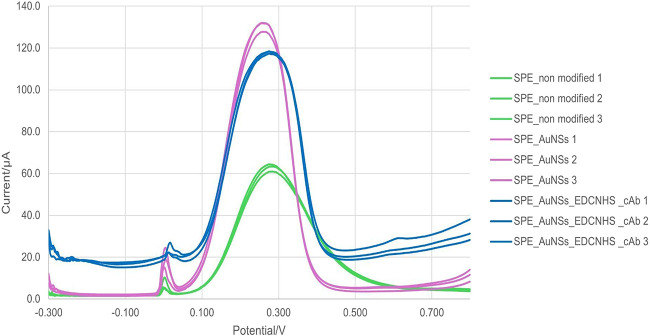 Figure 3
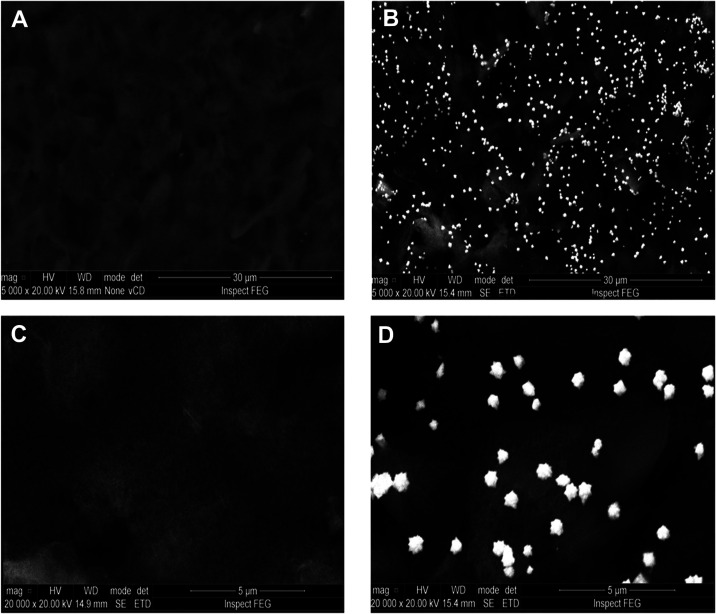 Figure 4
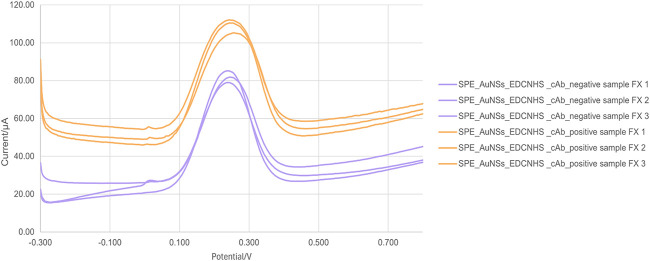 Figure 5
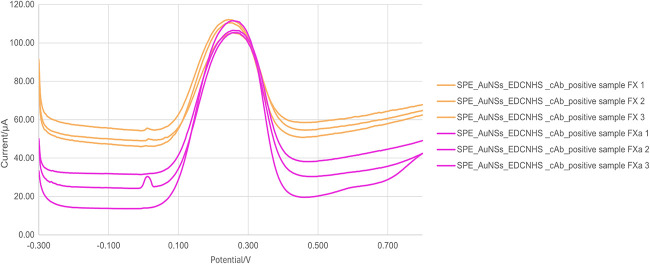 Figure 6
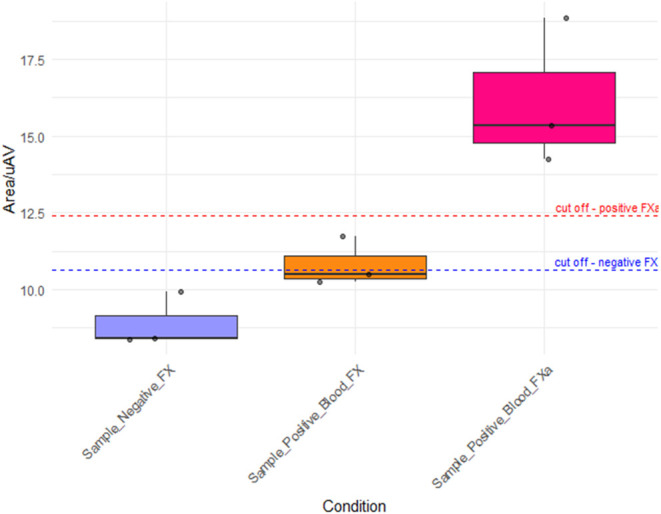 Figure 7
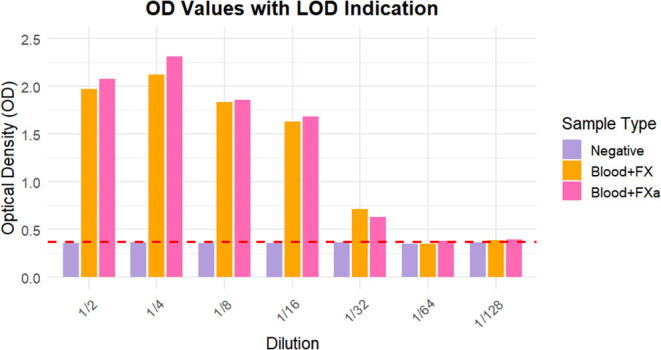 Figure 8
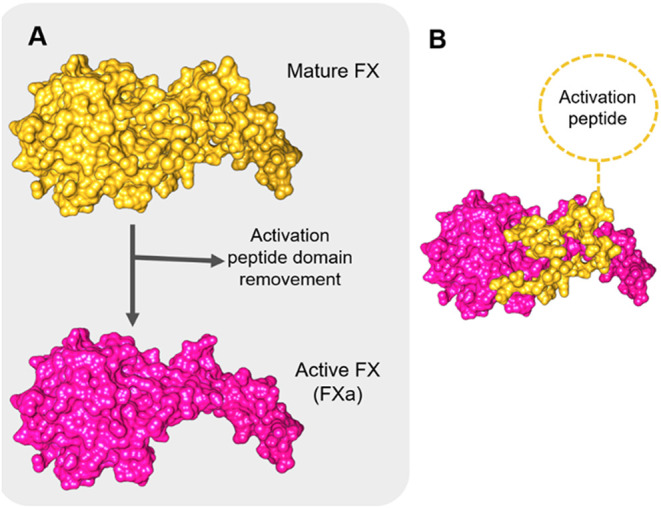 Figure 9
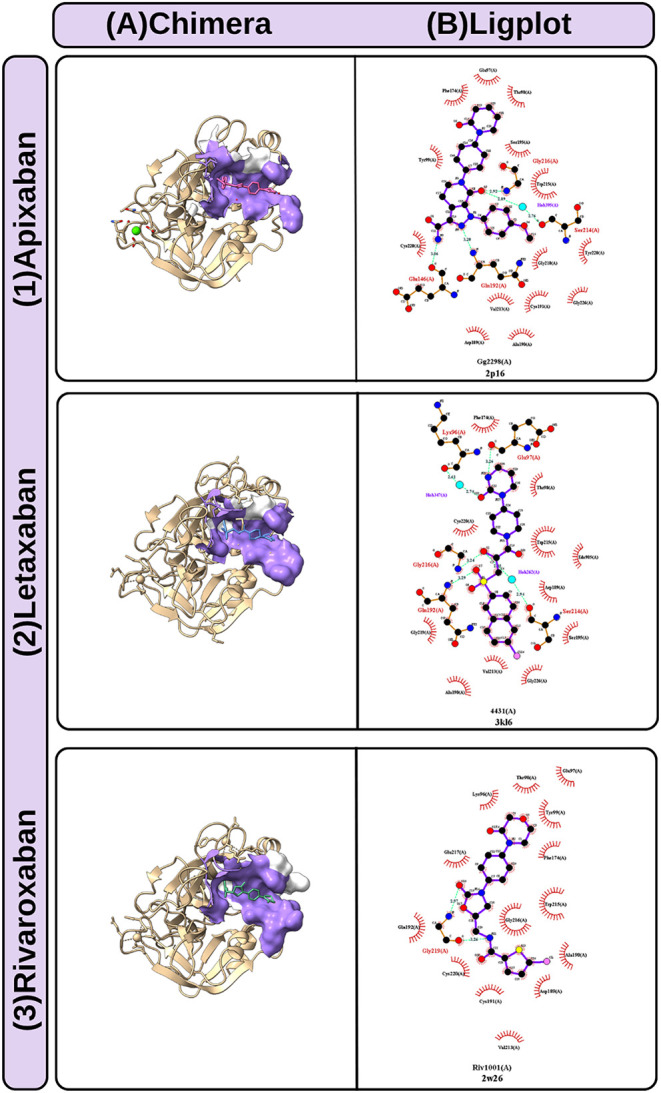 Figure 10
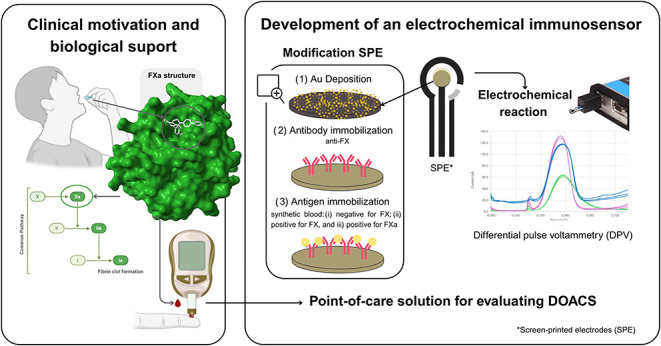 Figure 11
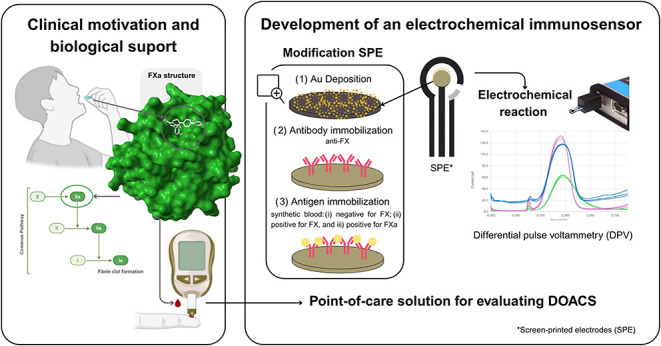 Figure 12
Peer Reviews
No public reviews on file for this paper yet. If you reviewed it on a platform where reviews are public (OpenReview, ICLR, NeurIPS, ICML), you can paste yours below so the community can read it here.
Videos
No videos yet. Explain this paper in a talk, walkthrough, or lecture? Add one.
Taxonomy
TopicsAdvanced biosensing and bioanalysis techniques · Blood Coagulation and Thrombosis Mechanisms · Biosensors and Analytical Detection