Childhood lymphadenopathy: ultrasonographic predictors of malignancy in a retrospective cohort of 500 patients
Şule Çalışkan Kamış, Begül Yağcı

TL;DR
This study identifies ultrasound features as strong predictors of malignancy in children with swollen lymph nodes, potentially reducing unnecessary biopsies.
Contribution
The study demonstrates that ultrasonographic features are more reliable than traditional parameters like size or location for predicting malignancy in pediatric lymphadenopathy.
Findings
Ultrasonographic assessment was the only independent predictor of malignancy, with suspicious nodes having ~56-fold higher odds of malignancy.
The model showed excellent discrimination with an AUC of 0.92 for predicting malignancy.
Traditional parameters like node size and region were not significant in multivariable analysis.
Abstract
Pediatric lymphadenopathy is common and usually benign, yet selecting children who need biopsy remains challenging. We evaluated clinical and ultrasonographic (US) predictors of malignancy in a large pediatric cohort. We retrospectively analyzed 500 children (0-18 years) evaluated for regional lymphadenopathy at a tertiary pediatric hematology-oncology clinic (June 2024-March 2025). Demographics, node location/size/count, US features, viral tests, and biopsy/bone-marrow results were extracted. Univariable tests and multivariable logistic regression identified independent predictors of malignancy. Model performance was assessed with Hosmer-Lemeshow and ROC AUC. Median age was 6 years; cervical nodes predominated (92.2%), and multiple nodes were frequent (93.6%). Biopsy was performed in 47 children; malignancy was found in 23. Final diagnoses in the cohort were reactive (87.4%),…
Genes, proteins, chemicals, diseases, species, mutations and cell lines named across the full text — each resolved to its canonical identifier and authoritative record.
Click any figure to enlarge with its caption.
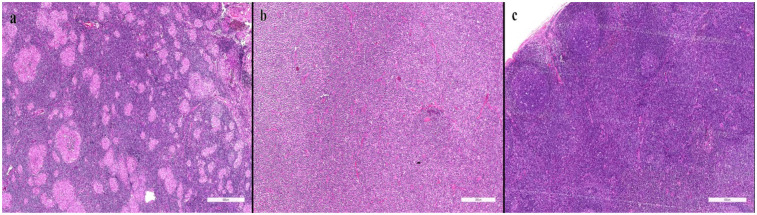 Figure 1
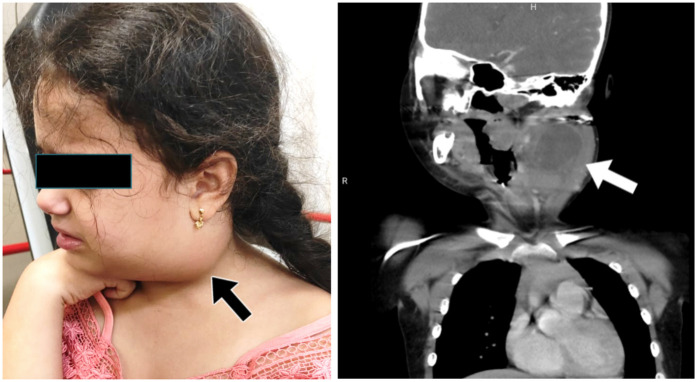 Figure 2
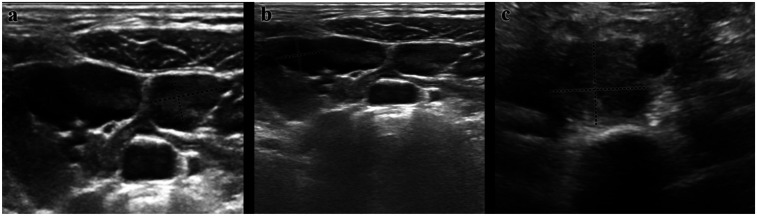 Figure 3
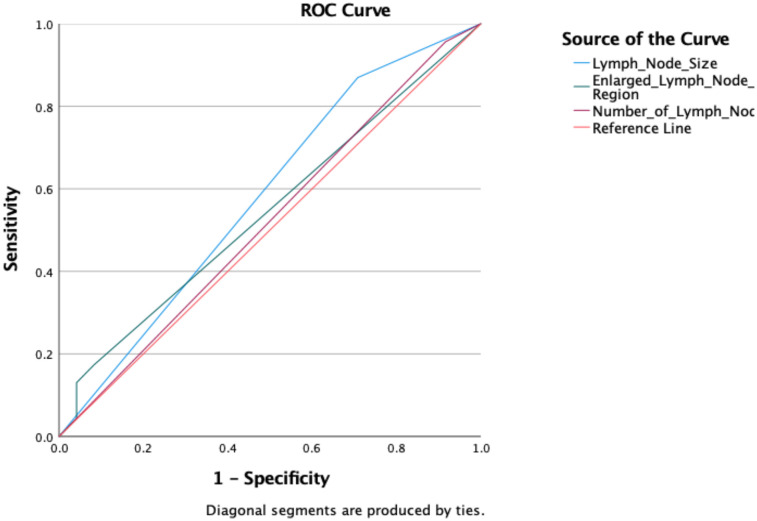 Figure 4
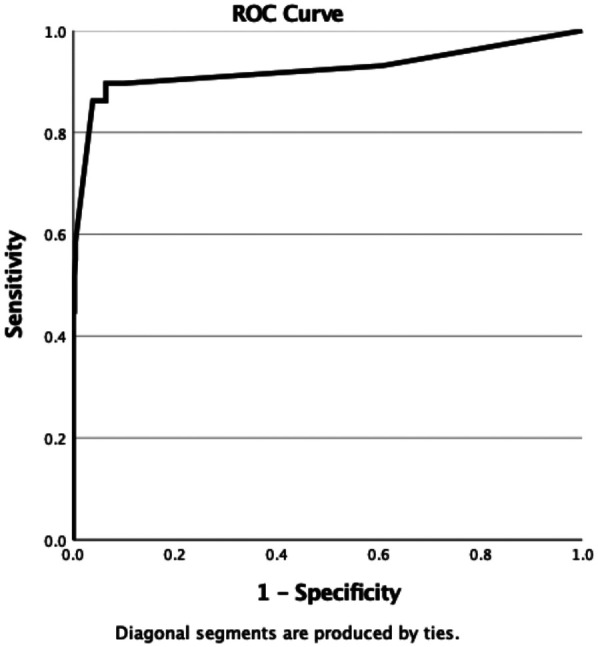 Figure 5
Peer Reviews
No public reviews on file for this paper yet. If you reviewed it on a platform where reviews are public (OpenReview, ICLR, NeurIPS, ICML), you can paste yours below so the community can read it here.
Videos
No videos yet. Explain this paper in a talk, walkthrough, or lecture? Add one.
Taxonomy
TopicsLymphadenopathy Diagnosis and Analysis · Lymphatic Disorders and Treatments · Neuroblastoma Research and Treatments