Structure–activity relationships of hydrophobic small molecule irreversible inhibitors of tissue transglutaminase
Daniel A. Wallace, Sarah Tribe, Pauline Navals, Christina Bi, Tarasha Sharma, Jeffrey W. Keillor

TL;DR
This study explores how different chemical groups affect the potency and properties of irreversible inhibitors of the enzyme tissue transglutaminase (TG2), which is linked to various diseases.
Contribution
The study identifies the optimal hydrophobic pendant group for TG2 inhibition, showing that chloroadamantyl derivatives offer the best balance of potency and stability.
Findings
The adamantyl group provides superior affinity compared to other cycloalkyl and aryl groups.
Chloroadamantyl derivatives exhibit the best overall inhibitory efficiency and membrane permeability.
Bromo- and iodoadamantyl derivatives, while more efficient, show poor hepatocyte stability compared to chloroadamantyl.
Abstract
Tissue transglutaminase (TG2) is both an enzyme and a G-protein that is implicated in many diseases, such that small molecule inhibitors of TG2 have broad potential as drugs or research tools. Previous work has demonstrated how the structure of EB-2-16, a highly potent irreversible inhibitor of TG2, has been optimised with respect to its warhead, tether and bridge moieties. In this work, we studied the structure–activity relationships of the pendant hydrophobic group of the scaffold. This confirmed the superior affinity conferred by the parent adamantyl moiety, over other cycloalkyl, aryl, biaryl and bridged biaryl groups. Additionally, some substituted adamantyl derivatives were shown to exhibit superior inhibitory efficiency over the parent inhibitor, with kinact/KI values over 106 M−1 min−1. The best inhibitors were shown to exhibit excellent lipid membrane permeability, but…
Genes, proteins, chemicals, diseases, species, mutations and cell lines named across the full text — each resolved to its canonical identifier and authoritative record.
Click any figure to enlarge with its caption.
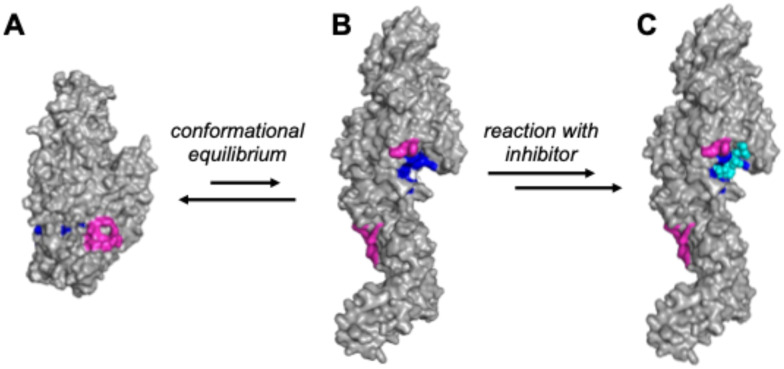 Figure 1
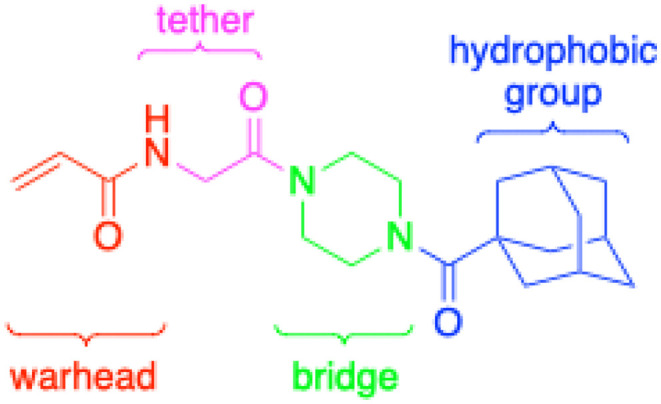 Figure 2
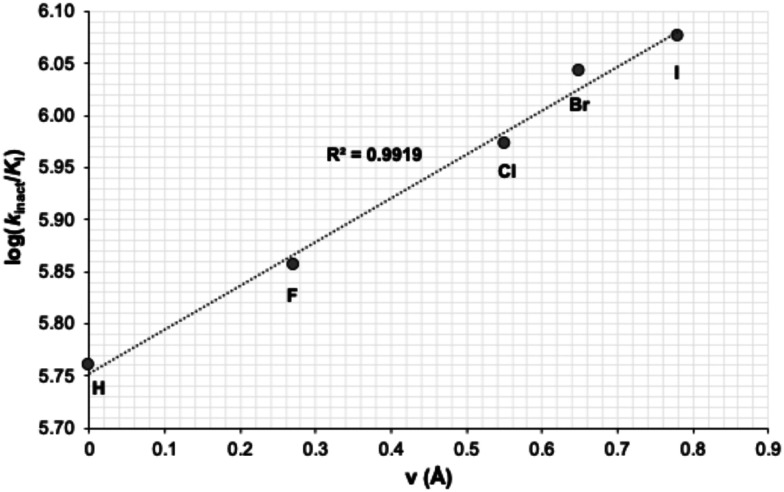 Figure 3
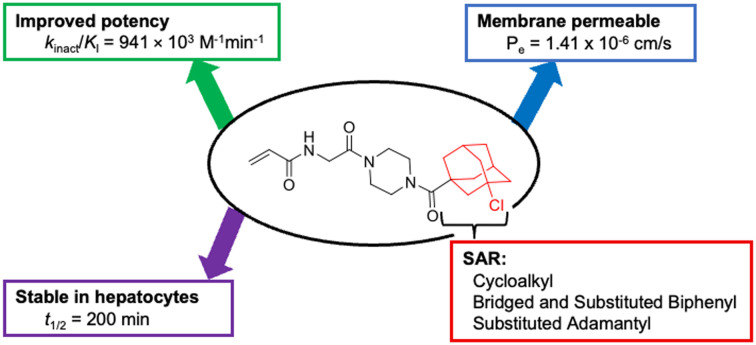 Figure 4
 Figure 5
 Figure 6
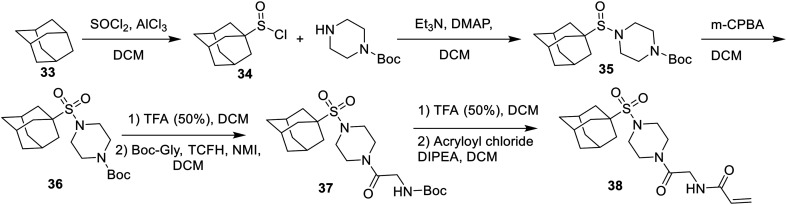 Figure 7
 Figure 8
 Figure 9
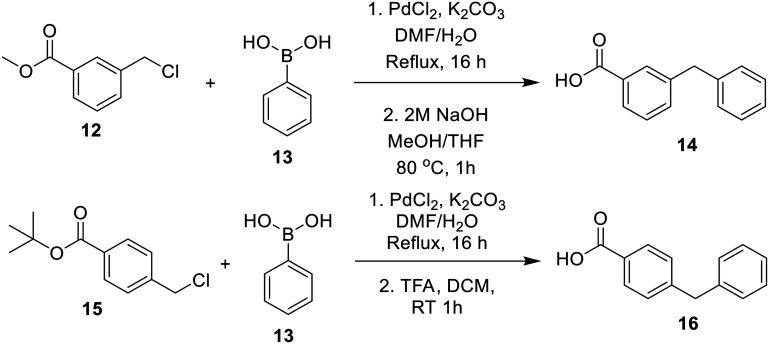 Figure 10
 Figure 11
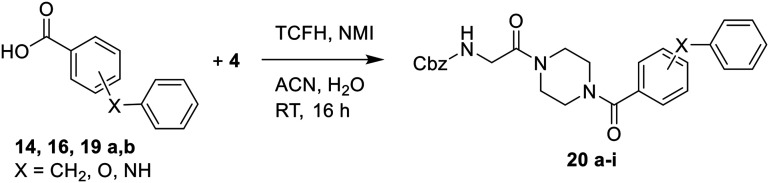 Figure 12
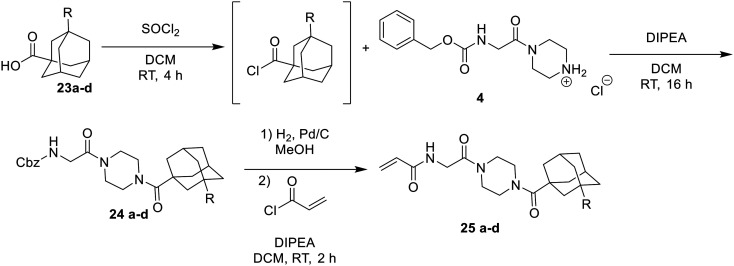 Figure 13
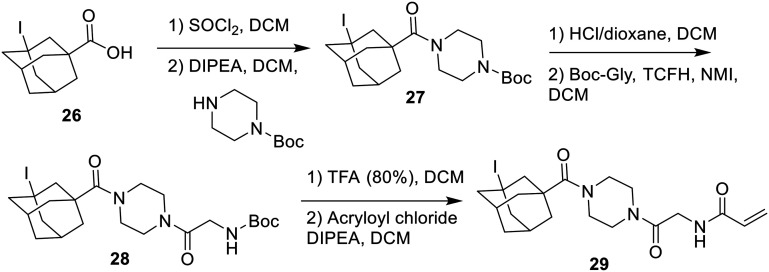 Figure 14
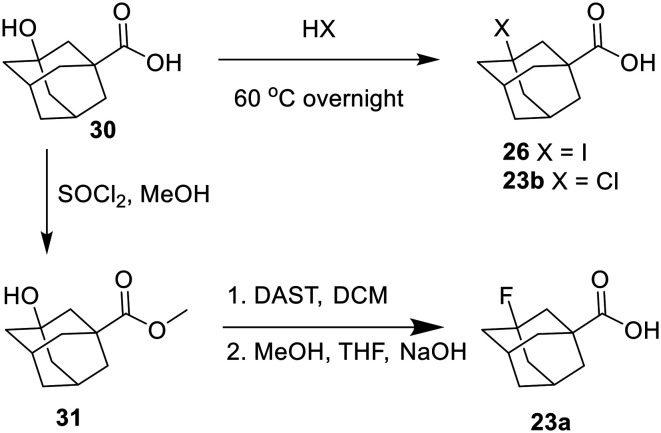 Figure 15
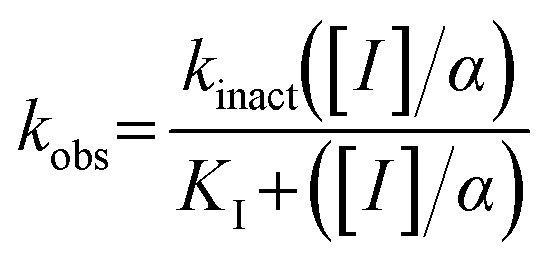 Figure 16
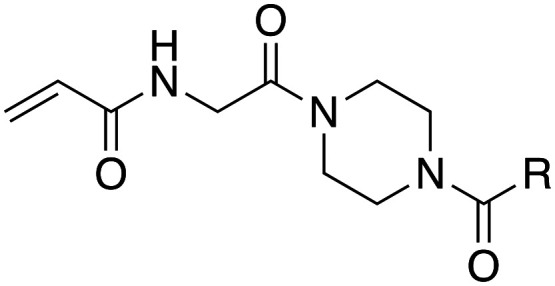 Figure 17
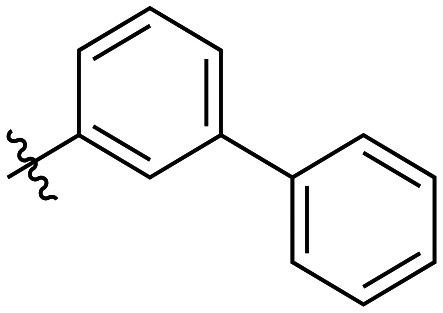 Figure 18
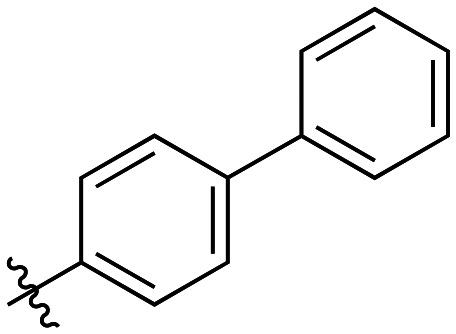 Figure 19
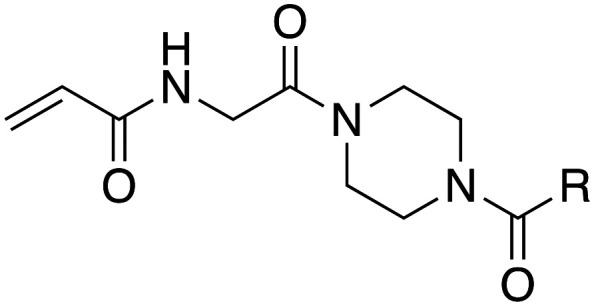 Figure 20
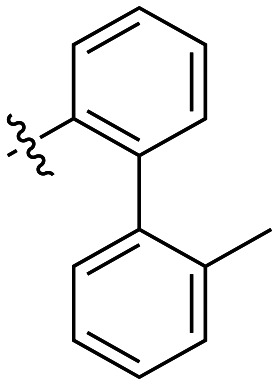 Figure 21
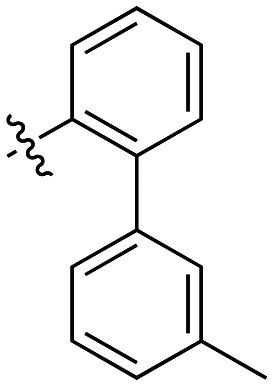 Figure 22
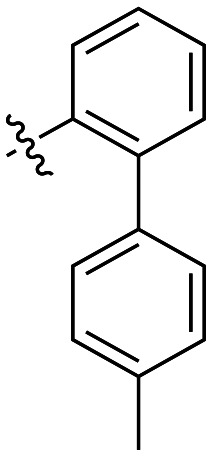 Figure 23
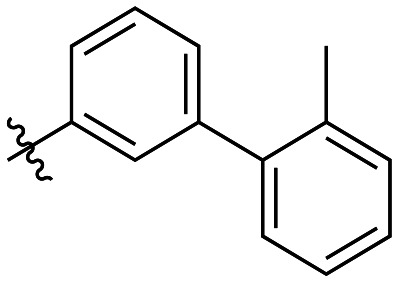 Figure 24
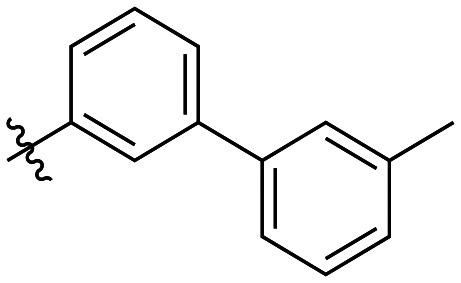 Figure 25
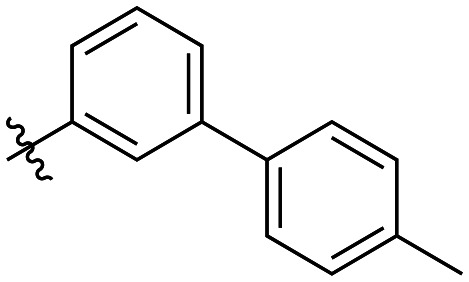 Figure 26
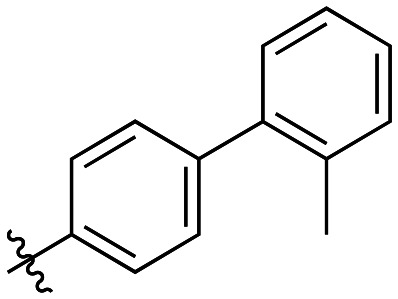 Figure 27
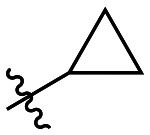 Figure 28
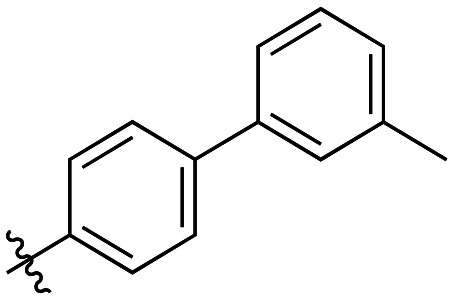 Figure 29
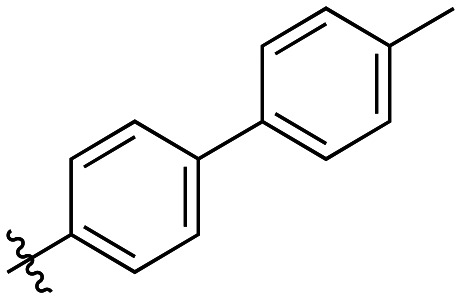 Figure 30
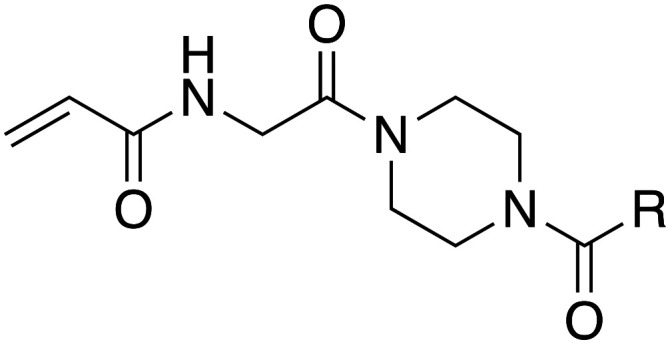 Figure 31
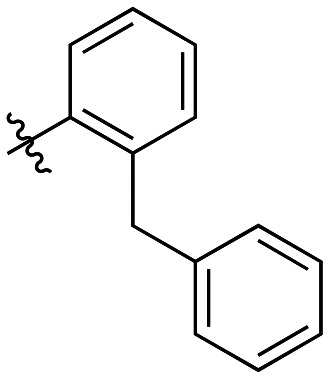 Figure 32
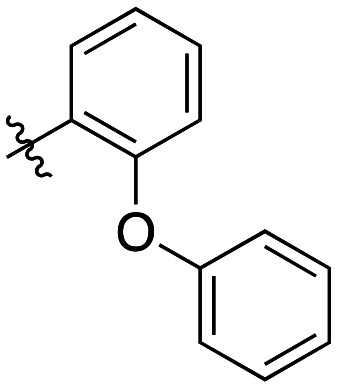 Figure 33
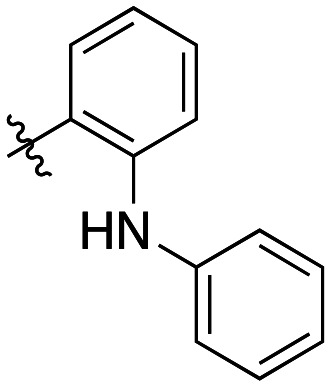 Figure 34
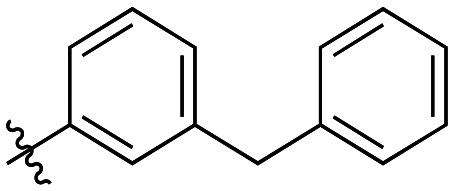 Figure 35
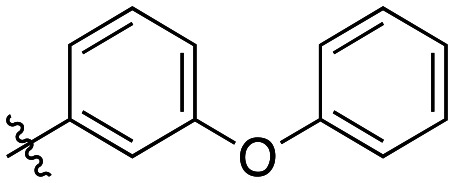 Figure 36
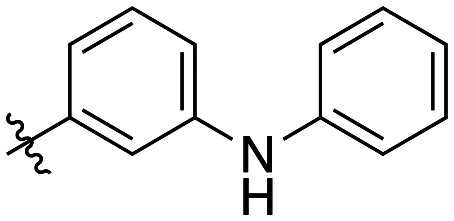 Figure 37
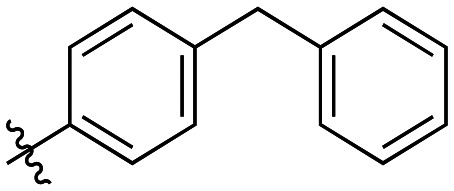 Figure 38
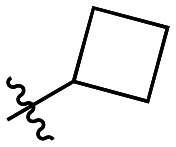 Figure 39
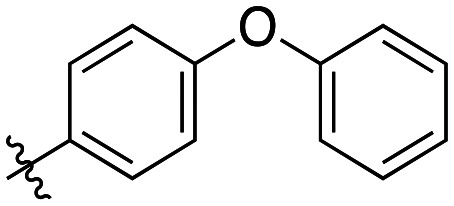 Figure 40
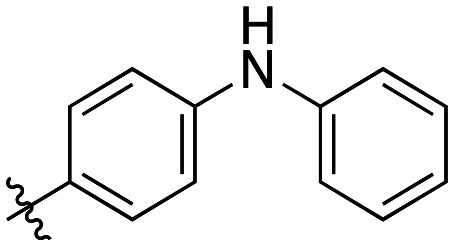 Figure 41
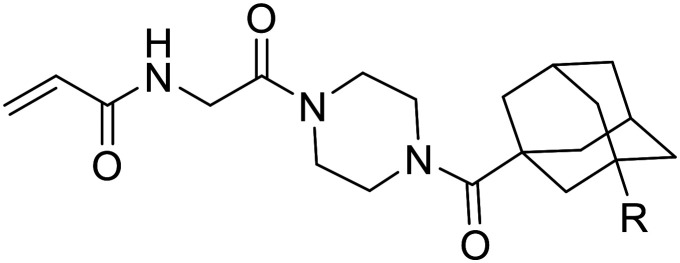 Figure 42
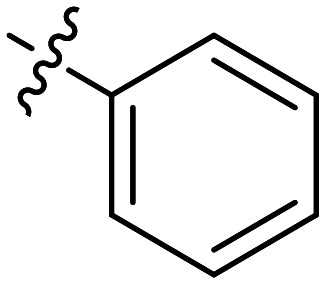 Figure 43
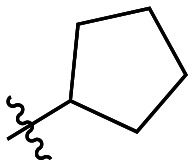 Figure 44
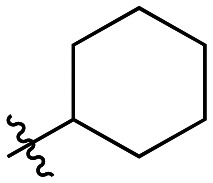 Figure 45
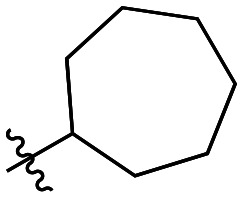 Figure 46
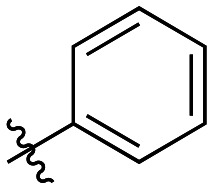 Figure 47
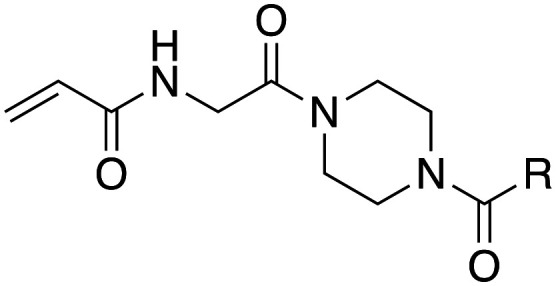 Figure 48
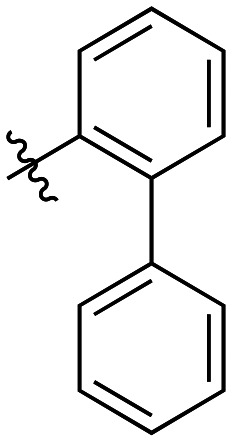 Figure 49
Peer Reviews
No public reviews on file for this paper yet. If you reviewed it on a platform where reviews are public (OpenReview, ICLR, NeurIPS, ICML), you can paste yours below so the community can read it here.
Videos
No videos yet. Explain this paper in a talk, walkthrough, or lecture? Add one.
Taxonomy
TopicsBlood properties and coagulation · Rheology and Fluid Dynamics Studies · Skin and Cellular Biology Research