Optimization of fluidized bed drying of Lactiplantibacillus plantarum grown in sustainable culture media for winemaking application
Marina E. Navarro, Manuel A. Morales, Natalia S. Brizuela, Adriana C. Caballero, Andrés Reyes-Urrutia, Fausto Vicente, Liliana C. Semorile, Bárbara M. Bravo-Ferrada, Emma E. Tymczyszyn

TL;DR
This study explores fluidized bed drying as a sustainable and cost-effective method to preserve Lactiplantibacillus plantarum for winemaking, comparing its effectiveness with traditional freeze-drying.
Contribution
The study introduces fluidized bed drying as a novel, energy-efficient alternative for preserving Lactiplantibacillus plantarum with sustainable culture media.
Findings
Fluidized bed drying at 45 °C for 35 min achieved optimal cell viability with WP cultures yielding 8.3 log CFU/g.
WP-derived cultures preserved malolactic activity, consuming up to 80% of malic acid in Malbec wine.
AP-based cultures required rehydration to restore full malolactic activity in winemaking trials.
Abstract
Lactic acid bacteria (LAB) play a key role in winemaking by driving malolactic fermentation, which enhances microbial stability and reduces wine acidity. To enable the large-scale development of LAB starter cultures, cost-effective biomass production and preservation methods are required. Traditional preservation techniques, such as freeze-drying, can be expensive and energy-intensive. Therefore, this study explored fluidized bed drying as a sustainable and low-cost alternative for preserving Lactiplantibacillus plantarum UNQLp 11 cultured in apple pomace (AP) and whey permeate (WP)-based media, with emphasis on maintaining malolactic activity after preservation. L. plantarum UNQLp 11 was cultivated in AP- and WP-based media and subjected to fluidized bed drying at 45 °C and 60 °C. Drying times and culture conditions (pH, medium composition) were varied to assess their impact on cell…
Genes, proteins, chemicals, diseases, species, mutations and cell lines named across the full text — each resolved to its canonical identifier and authoritative record.
Click any figure to enlarge with its caption.
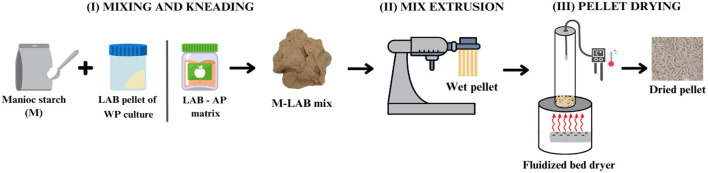 Figure 1
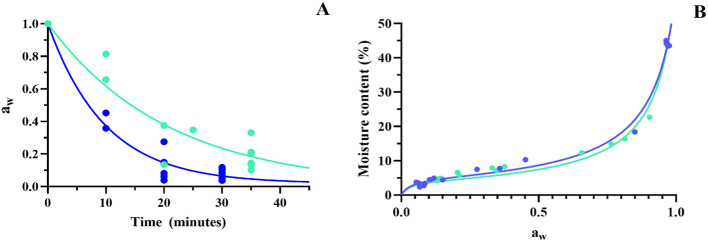 Figure 2
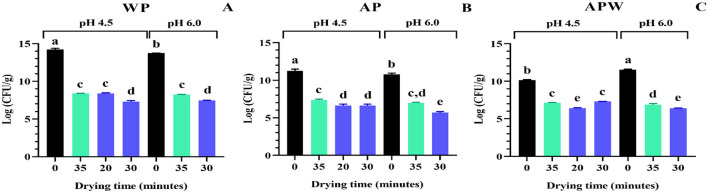 Figure 3
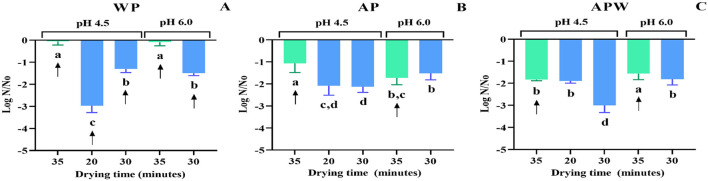 Figure 4
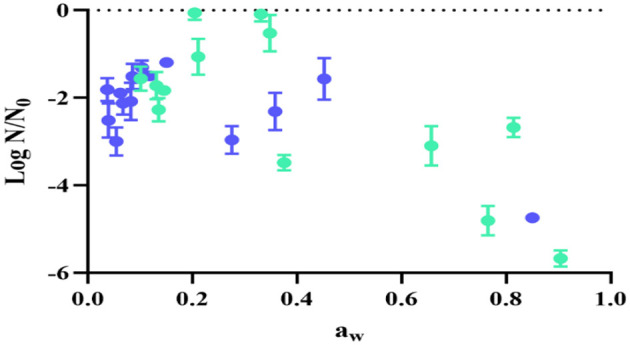 Figure 5
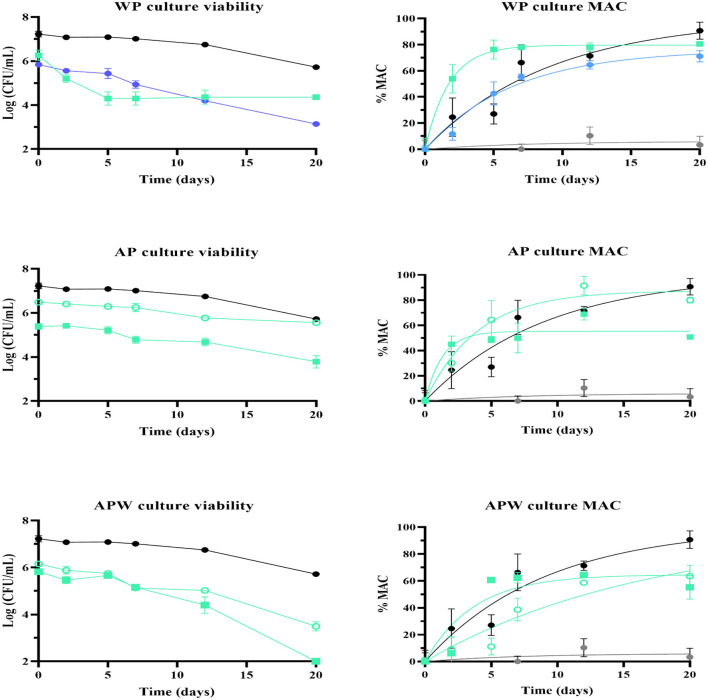 Figure 6
Peer Reviews
No public reviews on file for this paper yet. If you reviewed it on a platform where reviews are public (OpenReview, ICLR, NeurIPS, ICML), you can paste yours below so the community can read it here.
Videos
No videos yet. Explain this paper in a talk, walkthrough, or lecture? Add one.
Taxonomy
TopicsFermentation and Sensory Analysis · Probiotics and Fermented Foods · Fungal Biology and Applications