Roots of Indian heliotrope (Heliotropium indicum) produce simple pyrrolizidine alkaloids using the same homospermidine oxidase involved in biosynthesis of complex pyrrolizidine alkaloids in aerial parts
M. M. Zakaria, M.‐B. Salewski, D. Ober

TL;DR
Indian heliotrope uses the same enzyme to make different types of toxic plant compounds in its roots and leaves.
Contribution
Discovery that a single homospermidine oxidase is responsible for pyrrolizidine alkaloid biosynthesis in both roots and aerial parts of Heliotropium indicum.
Findings
H. indicum synthesizes complex PAs in aerial parts and simple PAs in roots.
Only one of three CuAOs in H. indicum is involved in root PA biosynthesis.
Root PA biosynthesis is less efficient than in aerial parts, allowing intermediate analysis.
Abstract
Pyrrolizidine alkaloids (PAs) are toxic specialized metabolites found in several plant lineages with independent evolutionary origins. In comfrey (Symphytum officinale), two independent homospermidine oxidase (HSO) paralogs are responsible for oxidation of homospermidine (Hspd) to the bicyclic pyrrolizidine in roots and young leaves. As PA biosynthesis in S. officinale and Heliotropium indicum (Indian heliotrope) share a common ancestor, we tested whether H. indicum is also able to synthesize PAs, not only in aerial parts but also in roots. H. indicum constitutively synthesizes not only complex PAs, in aerial parts but also simple PAs in roots. Of five copper‐containing amine oxidases (CuAOs) identified in H. indicum, three have the ability to convert Hspd to the bicyclic pyrrolizidine in vitro. CRISPR/Cas9 genome editing confirmed that, in planta, only one of these CuAOs is involved in…
Genes, proteins, chemicals, diseases, species, mutations and cell lines named across the full text — each resolved to its canonical identifier and authoritative record.
Click any figure to enlarge with its caption.
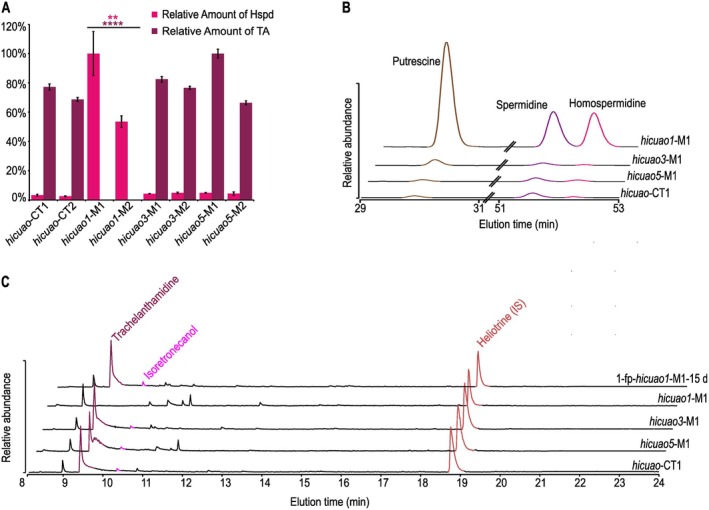 Figure 1
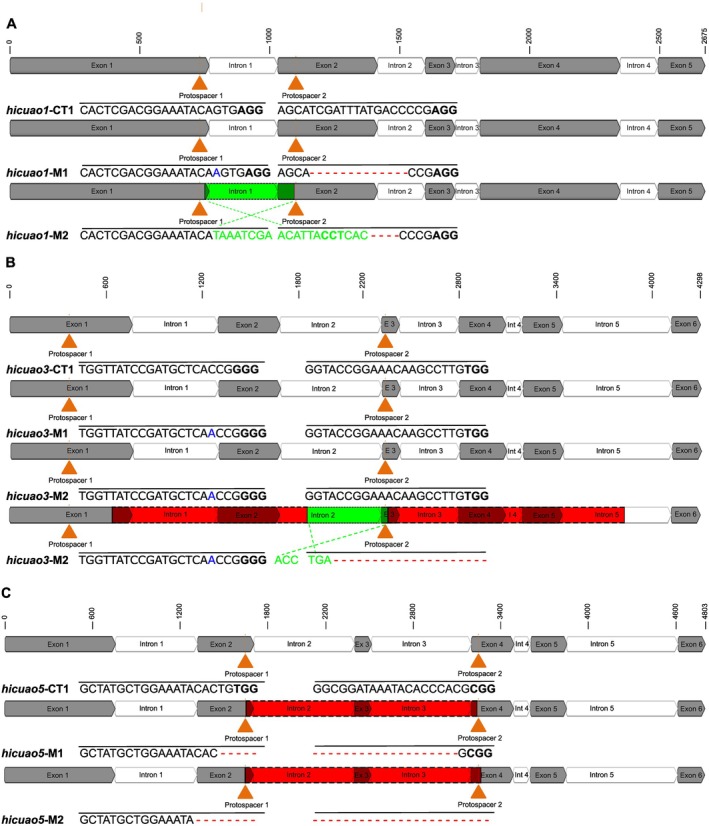 Figure 2
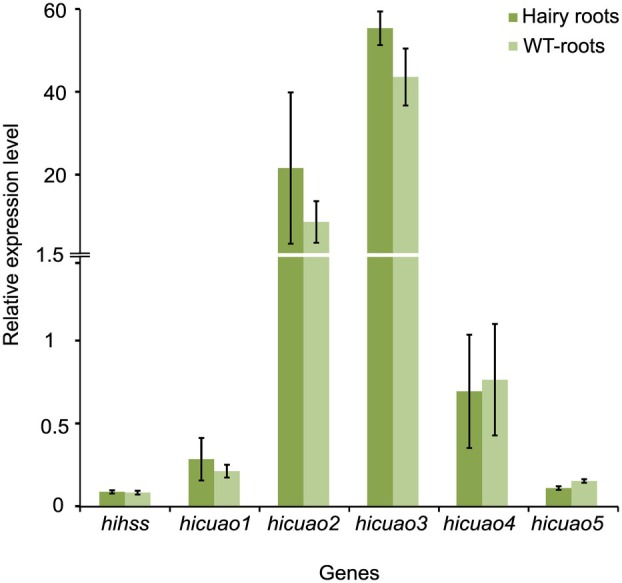 Figure 3
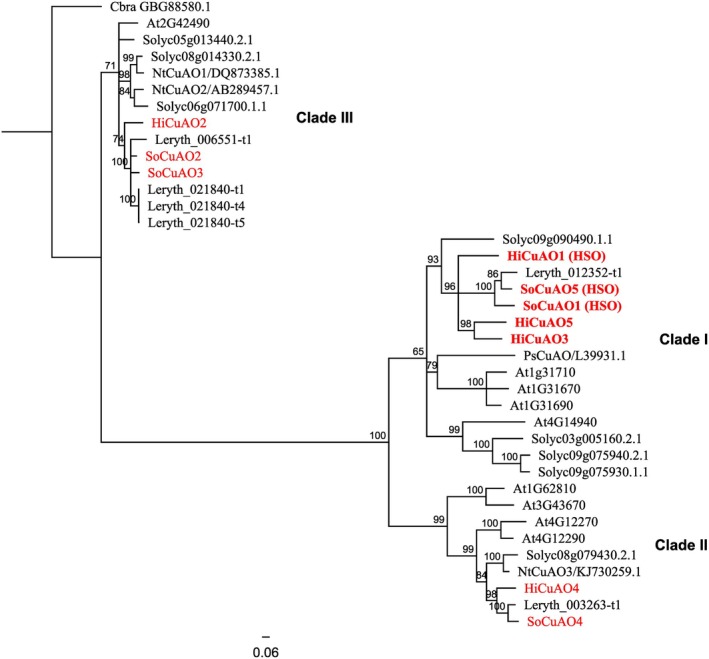 Figure 4
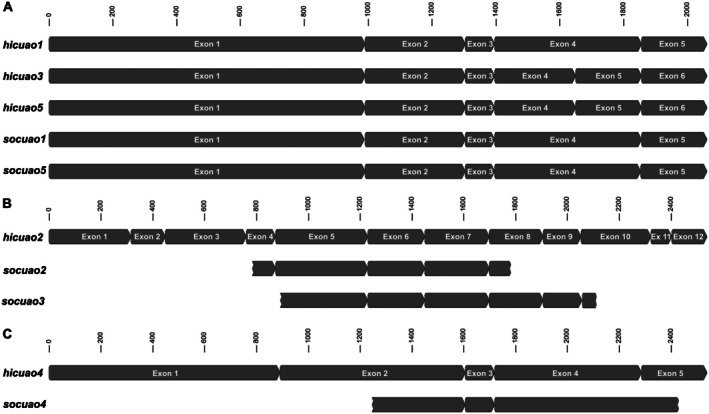 Figure 5
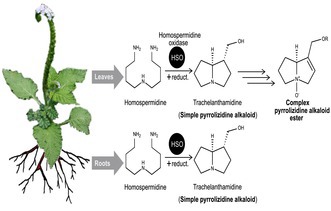 Figure 6
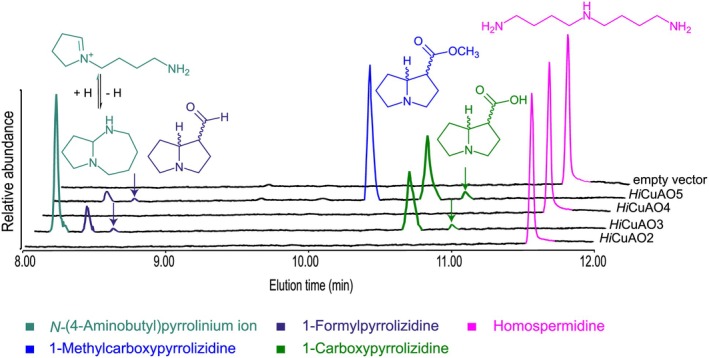 Figure 7
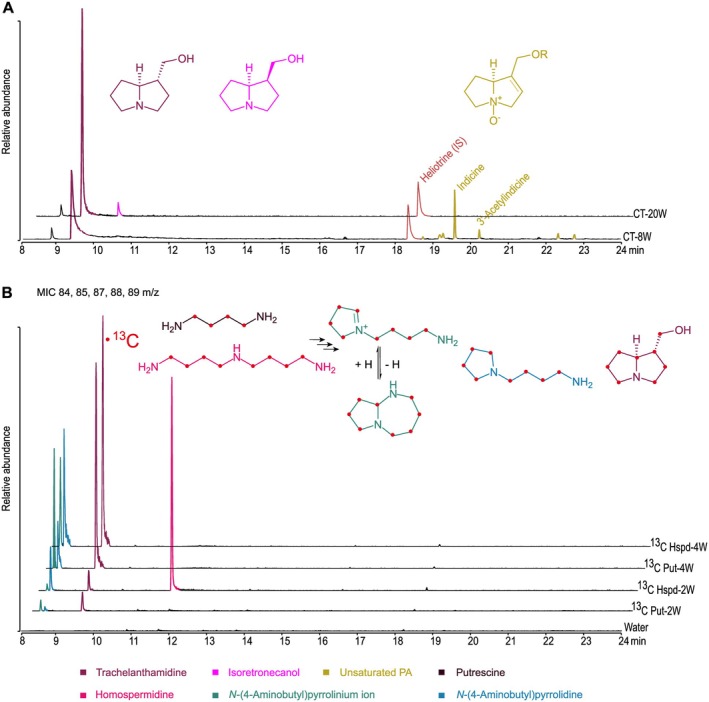 Figure 8
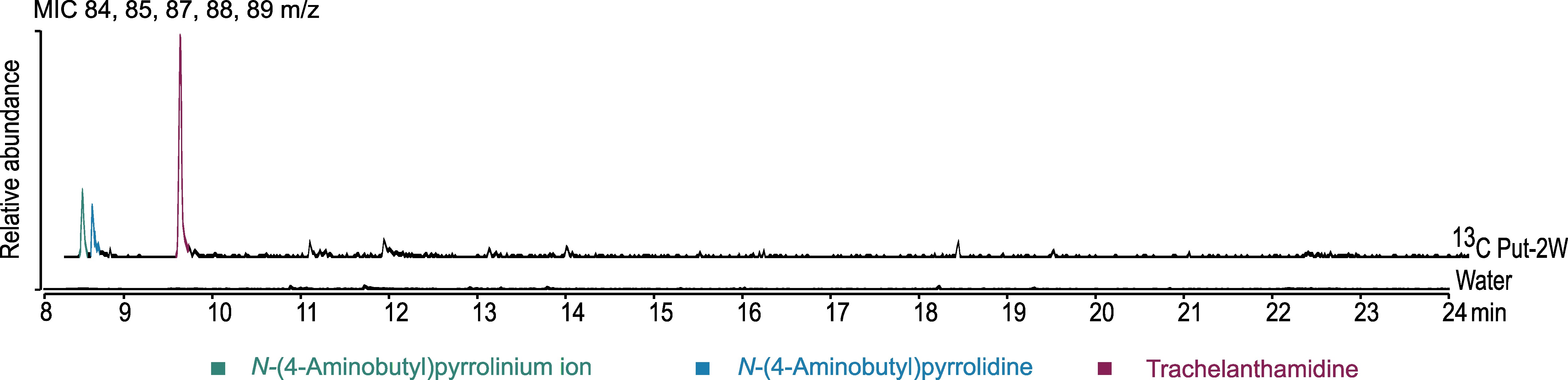 Figure 9
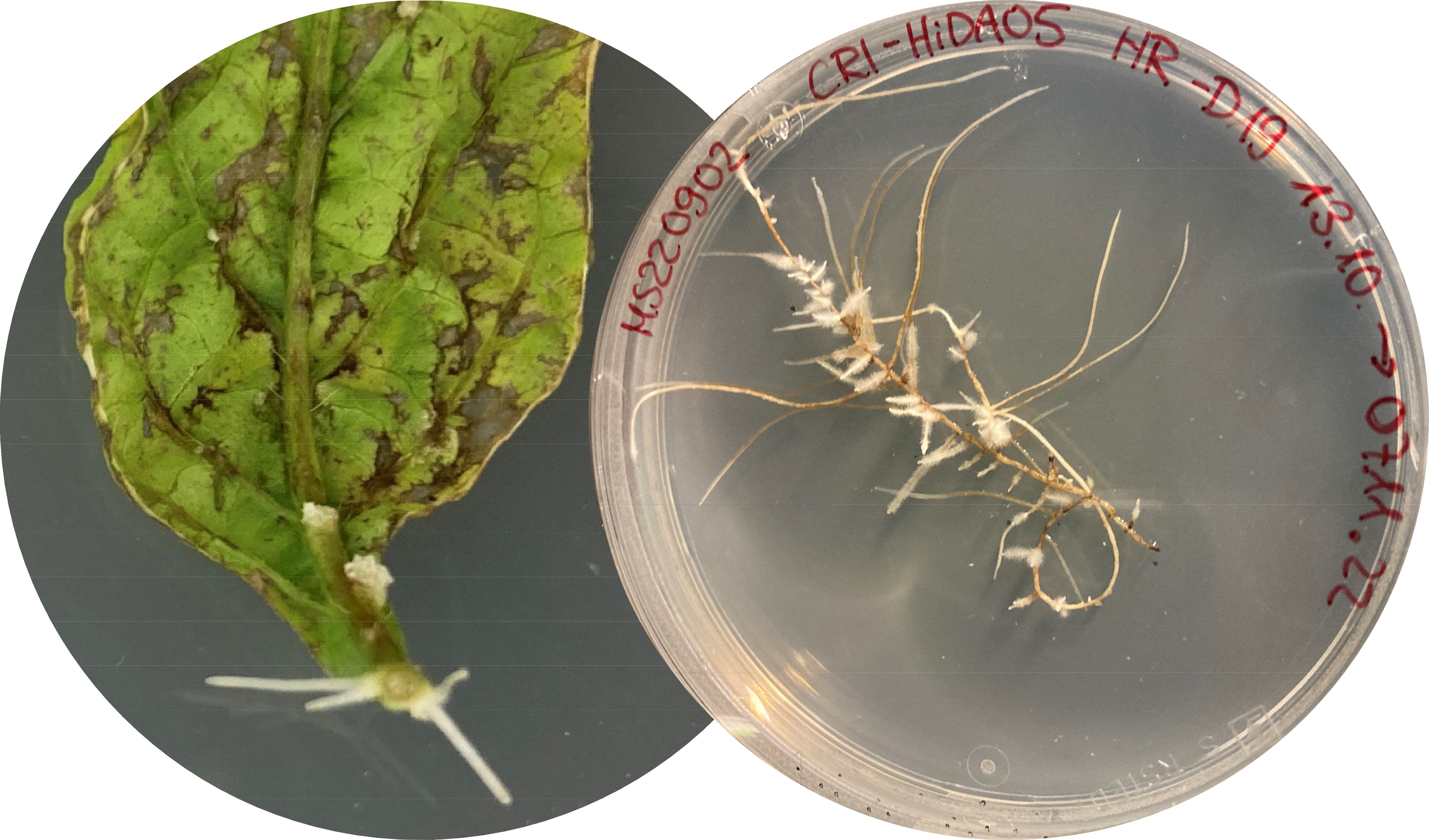 Figure 10
Peer Reviews
No public reviews on file for this paper yet. If you reviewed it on a platform where reviews are public (OpenReview, ICLR, NeurIPS, ICML), you can paste yours below so the community can read it here.
Videos
No videos yet. Explain this paper in a talk, walkthrough, or lecture? Add one.
Taxonomy
TopicsPlant Toxicity and Pharmacological Properties · Botanical Research and Chemistry · Plant and fungal interactions