Effect of Salts on the Aggregation and Strength of Protein-Based Underwater Adhesives
Zachary D. Lamberty, Chloe M. Skogg, Michael C. Wilson, Maryssa A. Beasley, Abdon A. Vivas Tejada, Beulah A. Peters, Christopher R. So, Elizabeth A. Yates

TL;DR
This paper explores how different salts affect the strength and performance of protein-based underwater adhesives made from agricultural byproducts.
Contribution
The study reveals how salt concentration and type can control adhesive properties, offering a novel approach to improve underwater adhesion.
Findings
Moderate salt concentrations increase bond strength, while high concentrations decrease it.
Salts that stabilize protein structures create stiffer gels but reduce adhesion.
Silica fillers enhance αLa gel strength but reduce BSA gel strength when combined with salts.
Abstract
While hydrophobic underwater adhesives have often been desired for their ability to remove water from interfaces, their inherent immiscibility with water can also hinder their use. Water-based adhesive systems can lead to improved wetting, lower toxicity, and exhibit dynamic physical responses to aqueous chemistries in the environment. For protein-based adhesives, simple aqueous salts can dramatically alter the intra- and intermolecular forces driving interactions between proteins and with surfaces. Here, we investigate the effect of four main salts found in seawater, NaCl, KCl, MgCl2, and CaCl2 on underwater curing adhesives made from two agricultural byproduct proteins, bovine serum albumin (BSA), and bovine α-Lactalbumin (αLa). We demonstrate that salts can significantly impact the adhesion of protein-based adhesives, increasing bond strength at moderate salt concentrations but…
Genes, proteins, chemicals, diseases, species, mutations and cell lines named across the full text — each resolved to its canonical identifier and authoritative record.
Click any figure to enlarge with its caption.
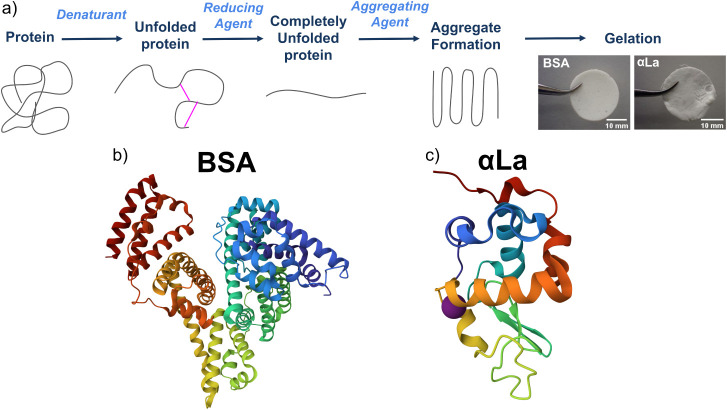 Figure 1
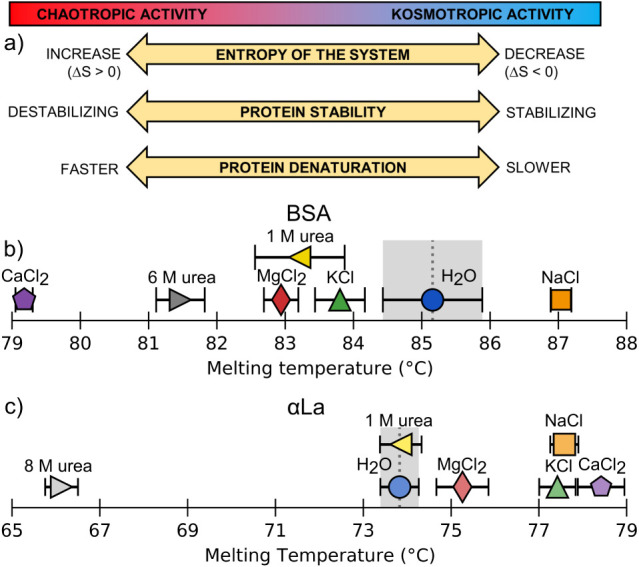 Figure 2
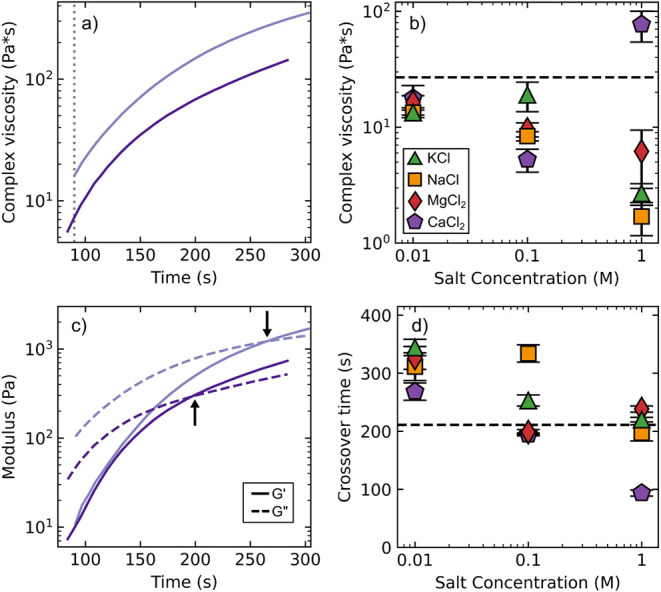 Figure 3
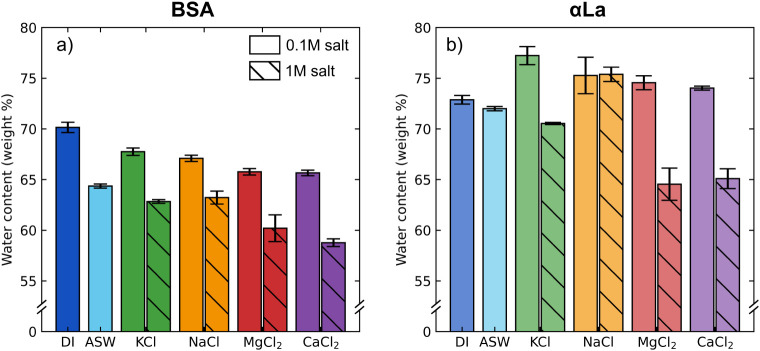 Figure 4
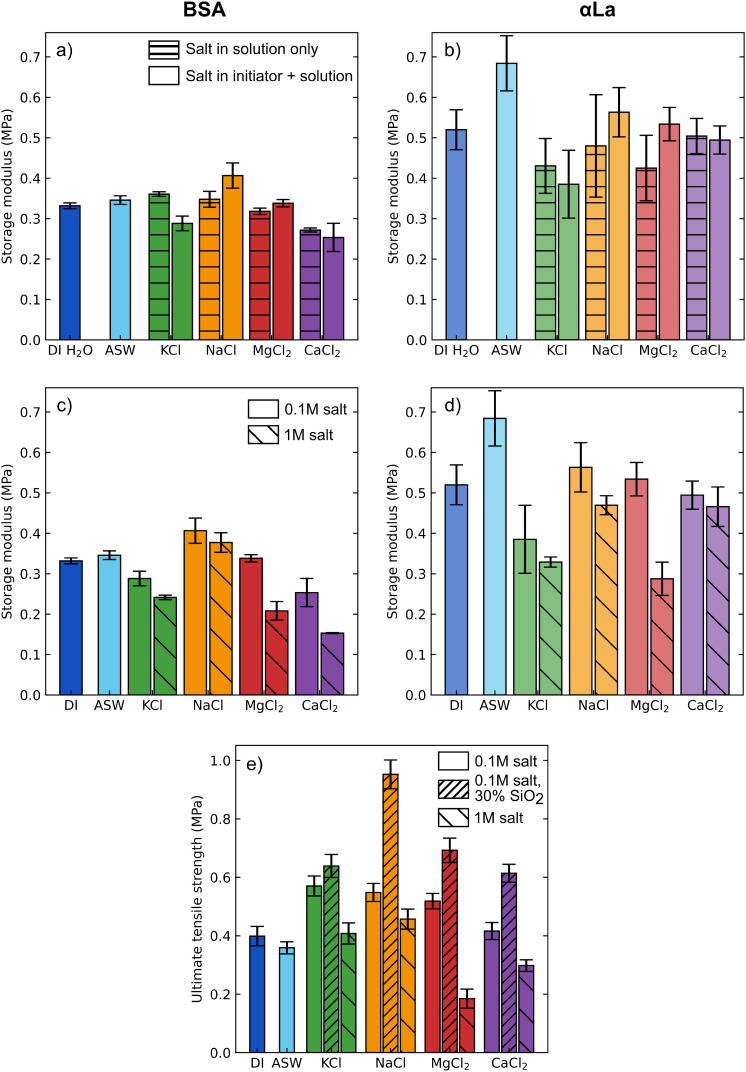 Figure 5
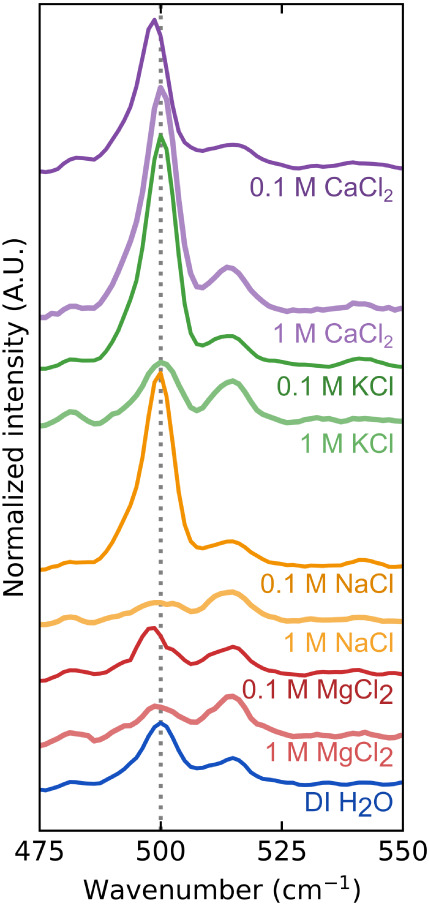 Figure 6
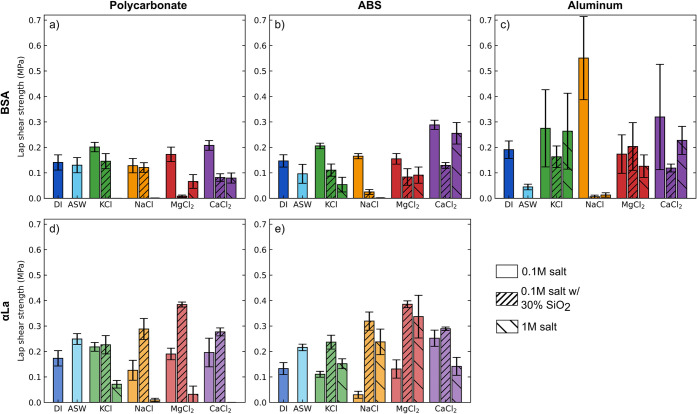 Figure 7
 Figure 8
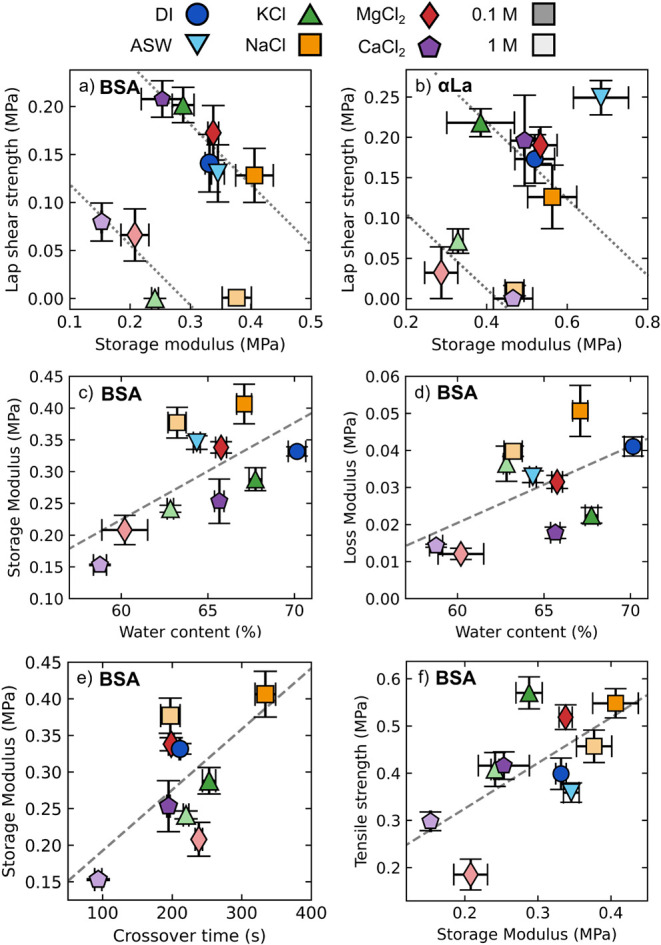 Figure 9
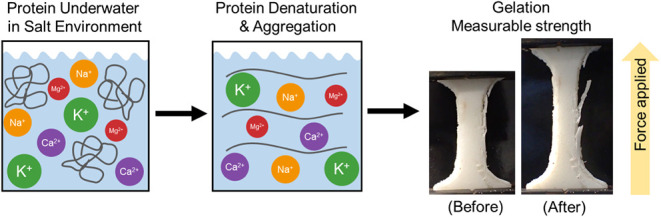 Figure 10
 Figure 11
Peer Reviews
No public reviews on file for this paper yet. If you reviewed it on a platform where reviews are public (OpenReview, ICLR, NeurIPS, ICML), you can paste yours below so the community can read it here.
Videos
No videos yet. Explain this paper in a talk, walkthrough, or lecture? Add one.
Taxonomy
TopicsPolymer Surface Interaction Studies · Adhesion, Friction, and Surface Interactions · Surface Modification and Superhydrophobicity