Recent progress of nanomaterials for diagnosis and treatment of rejection in heart transplantation
Guangyin Li, Chun Wang, Xin Ai, Yuxi Yang, Haizhuo Yu, Piao Wu, Weiyi Zhao, Jiawei Tian, Shuangquan Jiang

TL;DR
This review discusses how nanomaterials are being developed to improve the diagnosis and treatment of heart transplant rejection.
Contribution
The paper highlights recent advances in nanomaterials for targeted drug delivery and imaging in heart transplantation.
Findings
Nanomaterials enhance drug delivery and reduce adverse effects in heart transplant patients.
They serve as molecular probes for early detection of acute rejection through imaging techniques.
Theranostic nanomaterials enable simultaneous diagnosis and treatment of transplant rejection.
Abstract
Transplant rejection and the side effects of immunosuppressive therapy have hindered heart transplantation development. Rejection of a heart transplant can lead to cellular and antibody-mediated immunoinflammatory responses and allograft dysfunction, thereby significantly affecting patients’ survival and prognosis. To address these challenges, many new technologies and materials, including nanomaterials, have been developed for potential applications in the heart transplantation field. Nanomaterials are most commonly used as drug delivery carriers, and the addition of specific ligands can enhance drug utilization, strengthen therapeutic effects, and reduce the occurrence of adverse reactions. In addition, nanomaterials have been developed as targeted molecular probes to support various imaging techniques and to assist in monitoring the infiltration of immune cells (such as T cells and…
Genes, proteins, chemicals, diseases, species, mutations and cell lines named across the full text — each resolved to its canonical identifier and authoritative record.
Click any figure to enlarge with its caption.
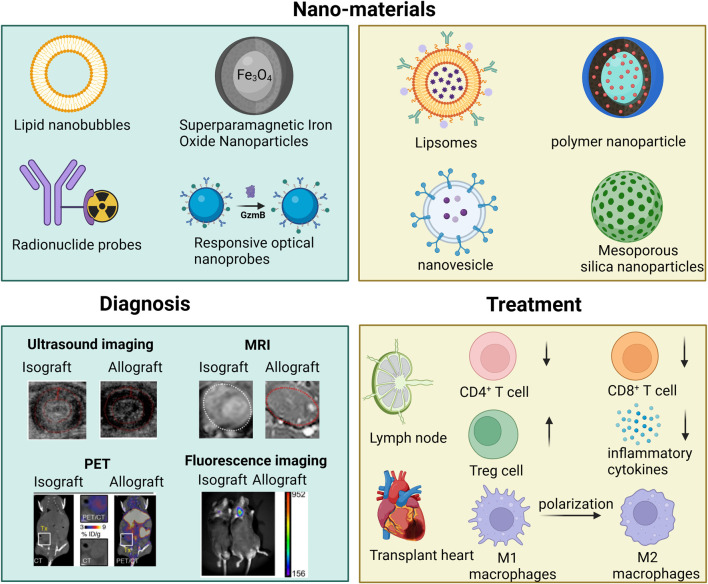 Figure 1
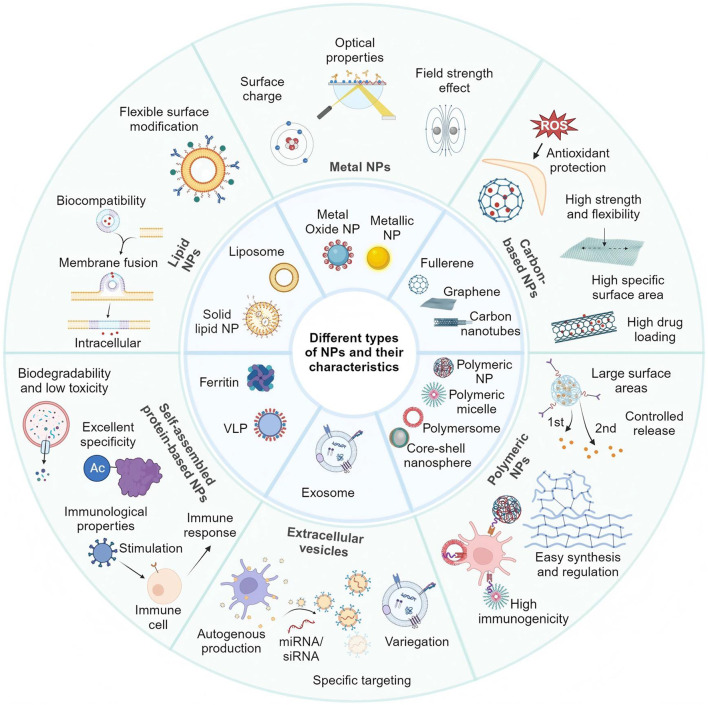 Figure 2
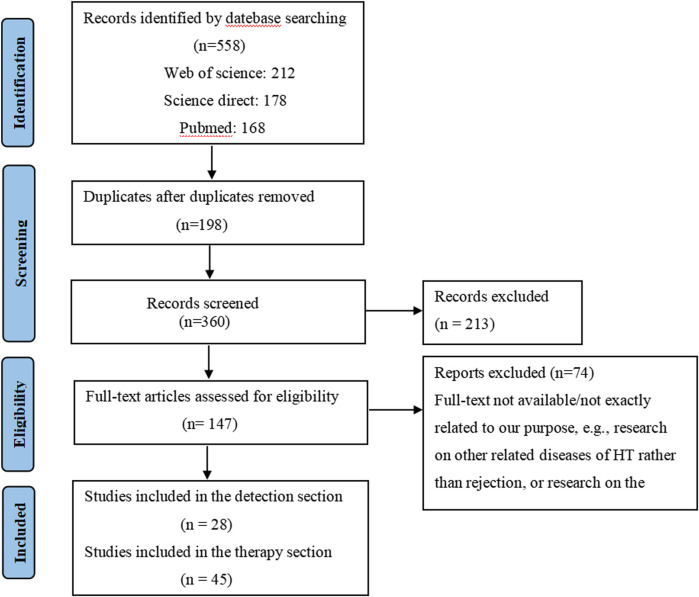 Figure 3
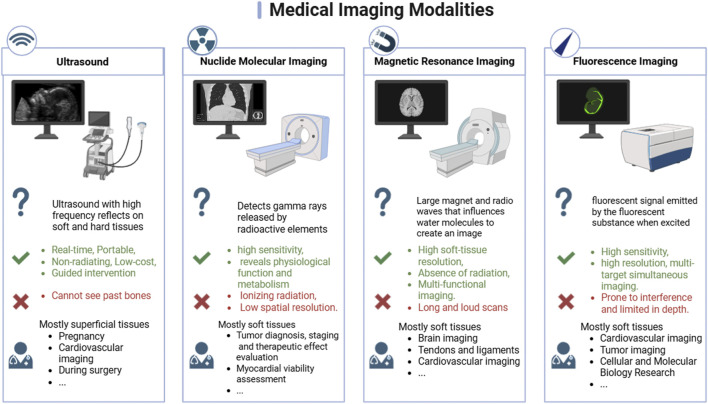 Figure 4
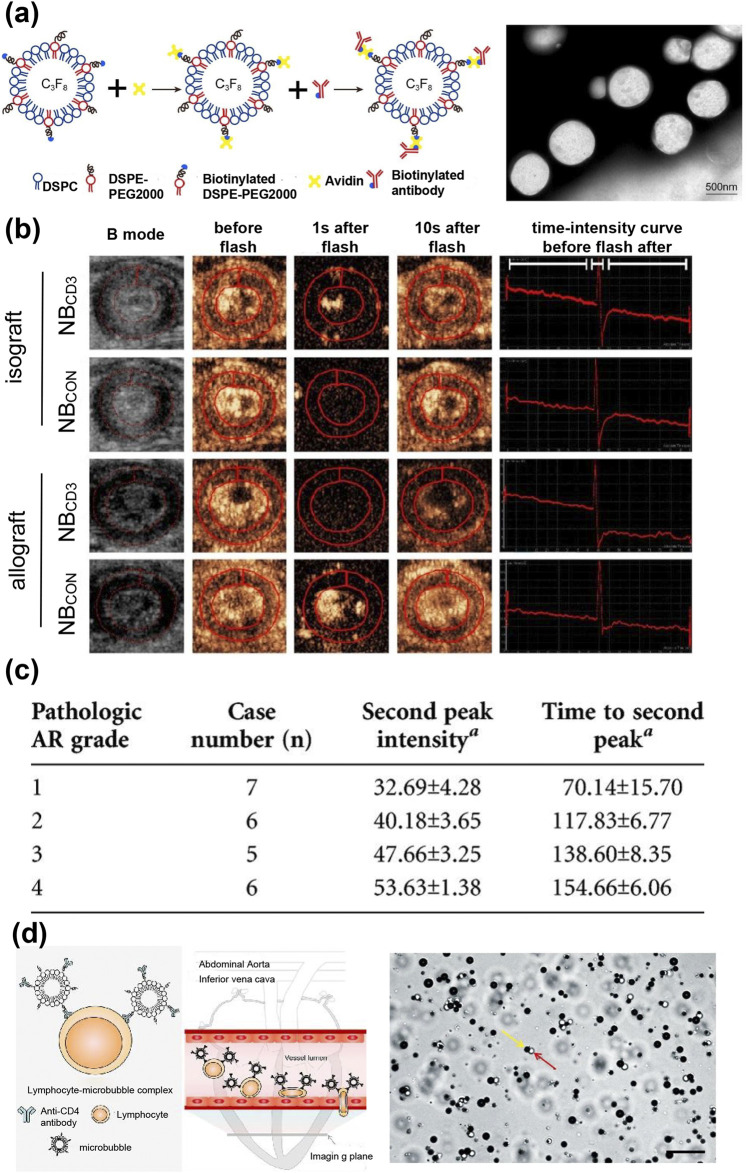 Figure 5
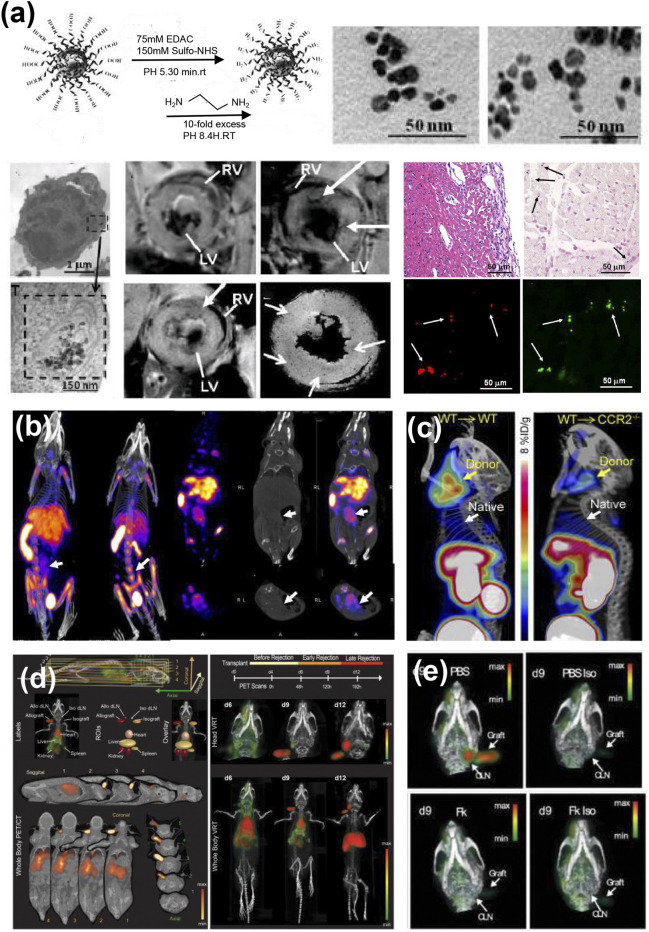 Figure 6
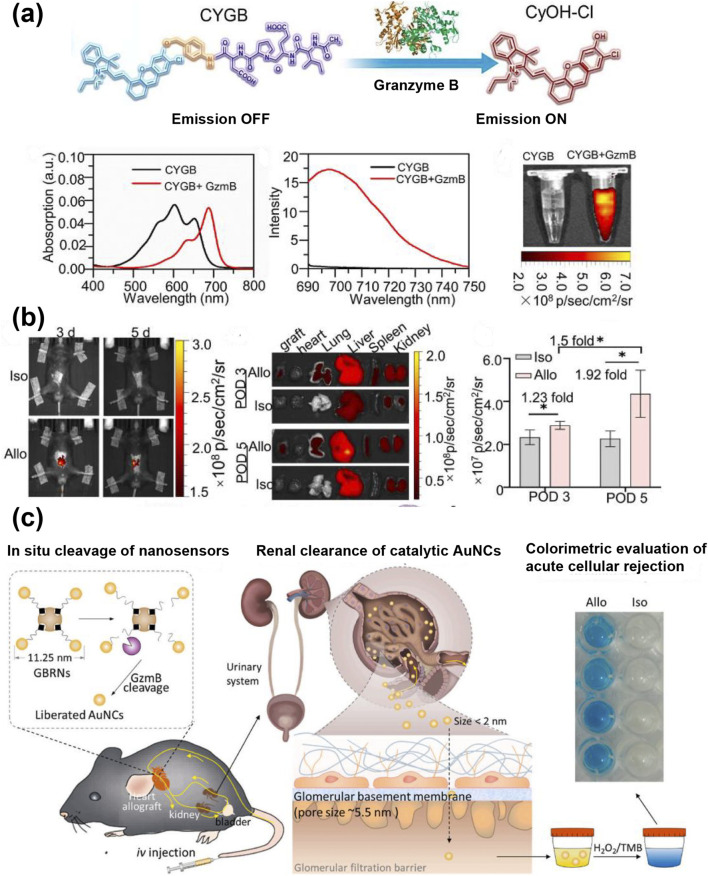 Figure 7
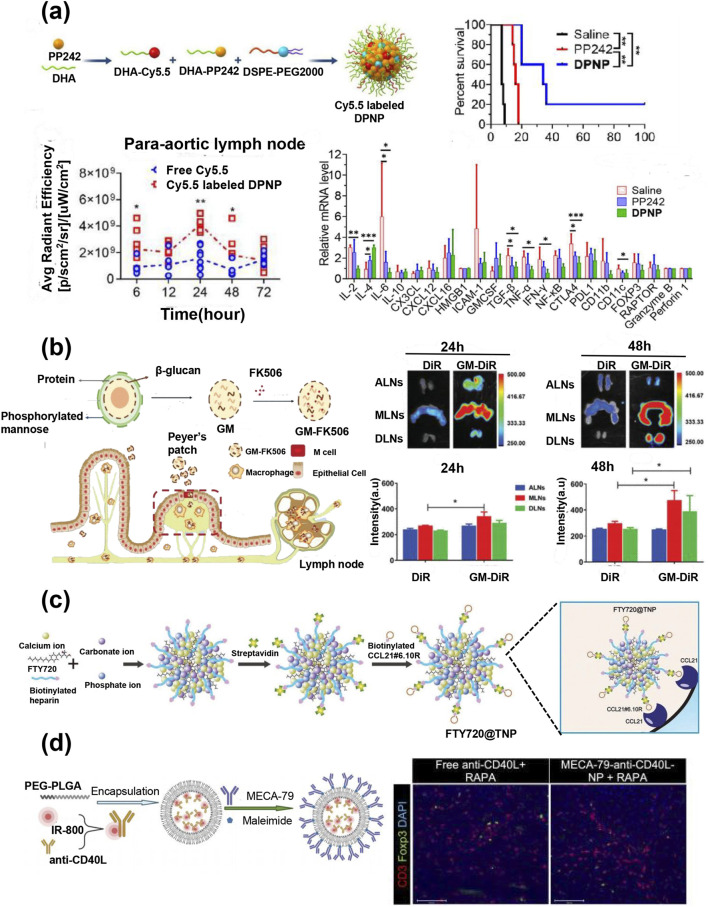 Figure 8
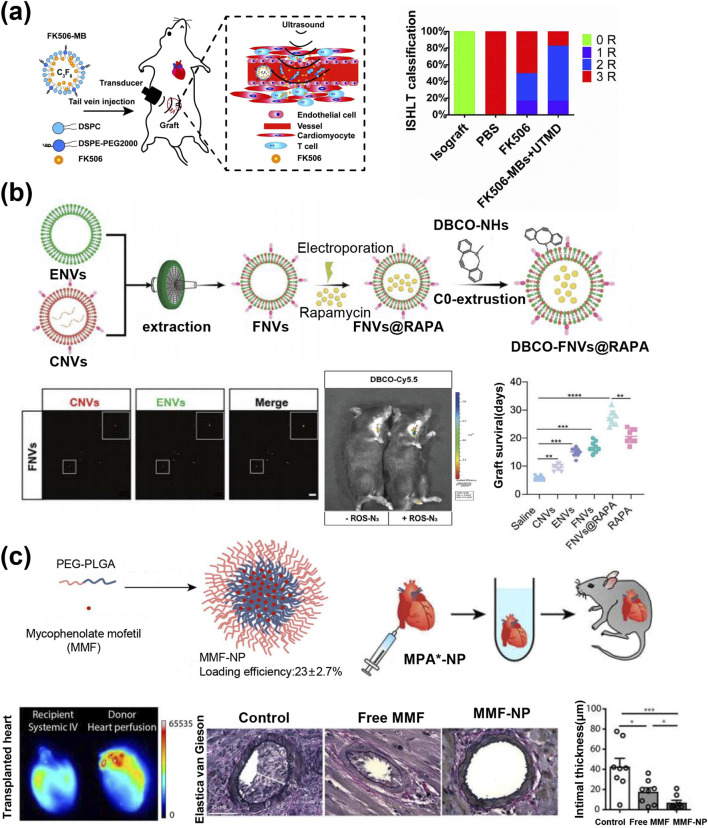 Figure 9
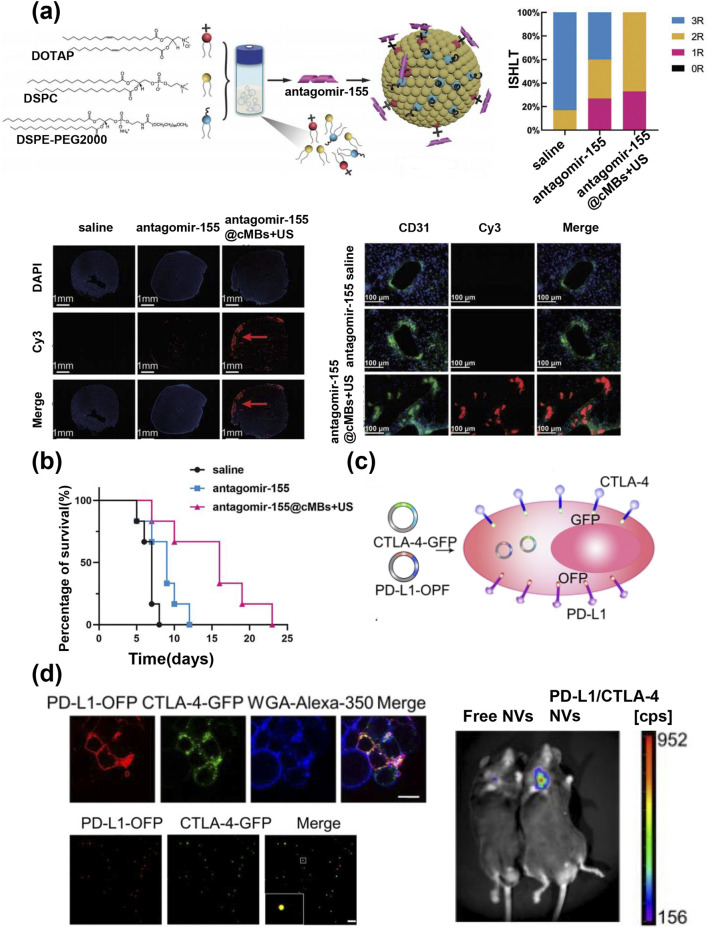 Figure 10
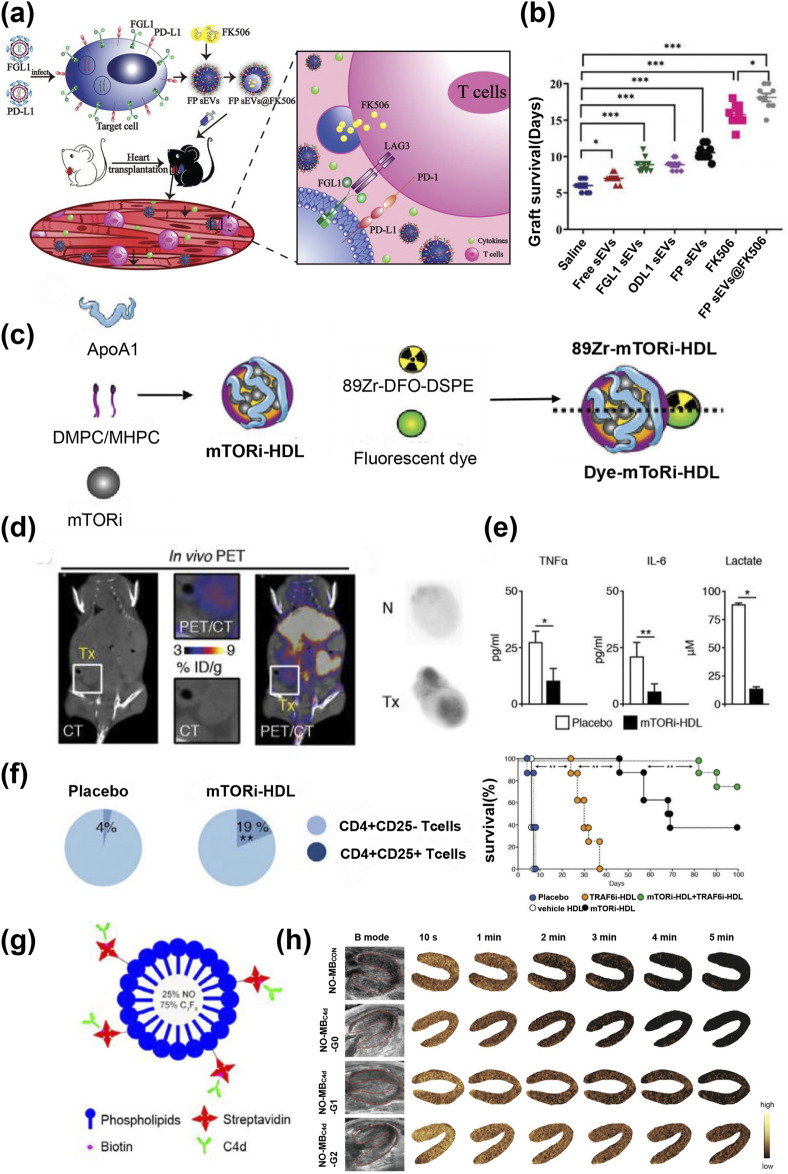 Figure 11
Peer Reviews
No public reviews on file for this paper yet. If you reviewed it on a platform where reviews are public (OpenReview, ICLR, NeurIPS, ICML), you can paste yours below so the community can read it here.
Videos
No videos yet. Explain this paper in a talk, walkthrough, or lecture? Add one.
Taxonomy
TopicsTransplantation: Methods and Outcomes · Advanced biosensing and bioanalysis techniques · Renal Transplantation Outcomes and Treatments