Rapid and Nondestructive Sex Differentiation of Aedes aegypti Using Infrared Spectroscopy and Discriminant Analysis
Marfran C. D. Santos, Jorge L. S. Viana, Gigliane J. S. S. Santos, Renata A. Gama, Anne B. F. Câmara, Kássio M. G. Lima

TL;DR
This paper introduces a fast and non-invasive method to distinguish male and female Aedes aegypti mosquitoes using infrared spectroscopy and machine learning, improving disease surveillance.
Contribution
A novel nondestructive method for sex differentiation of Aedes aegypti using NIR and MIR spectroscopy with chemometric models is proposed.
Findings
NIR and MIR spectroscopy achieved 93.94% sensitivity and specificity in sex differentiation.
NIR models outperformed MIR models, with NIR-iSPA-PLS-DA showing the best classification results.
The method is more cost-effective and faster than traditional techniques.
Abstract
Aedes aegypti (A. aegypti) mosquitoes are arthropods that transmit a set of viruses of great relevance to public health, such as Dengue, Zika, and Chikungunya, causing recurrent epidemics in tropical and subtropical regions. This fact raises the need for improvements and enhancements in the entomological surveillance of these species, preventing the occurrence of outbreaks. In this work, the potential of near-infrared (NIR) and mid-infrared (MIR) spectroscopy together with variable selection and supervised classification methods for the differentiation of A. aegypti mosquitoes according to their sex was analyzed. 66 mosquitoes were analyzed by NIR and 198 by MIR. Chemometric models of successive projection algorithm–linear discriminant analysis (SPA-LDA), genetic algorithm–linear discriminant analysis (GA-LDA), and partial least squares–discriminant analysis (PLS-DA) coupled with…
Genes, proteins, chemicals, diseases, species, mutations and cell lines named across the full text — each resolved to its canonical identifier and authoritative record.
Click any figure to enlarge with its caption.
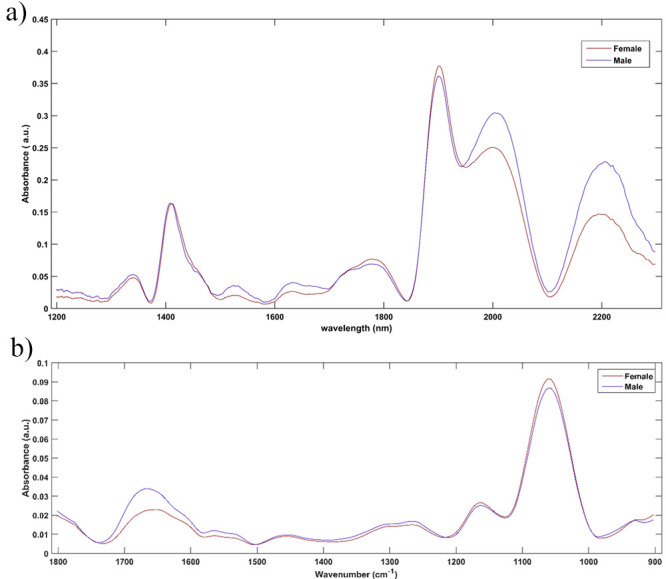 Figure 1
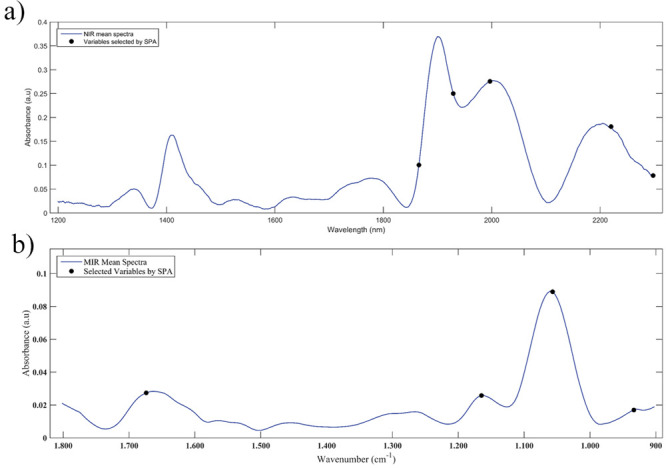 Figure 2
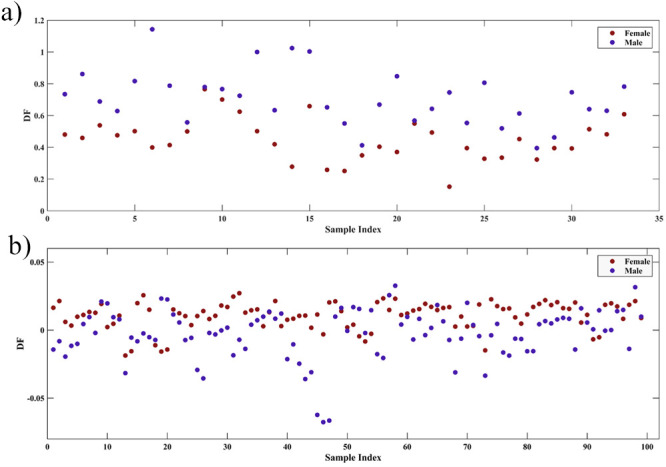 Figure 3
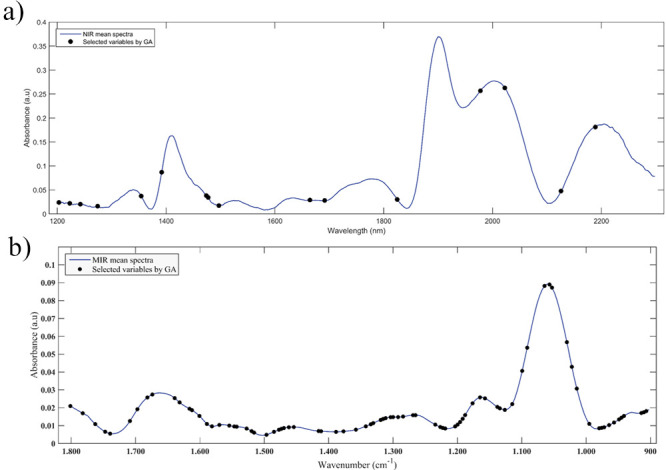 Figure 4
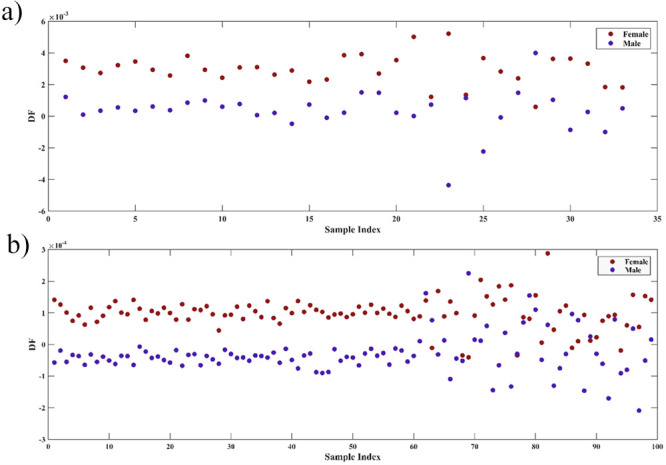 Figure 5
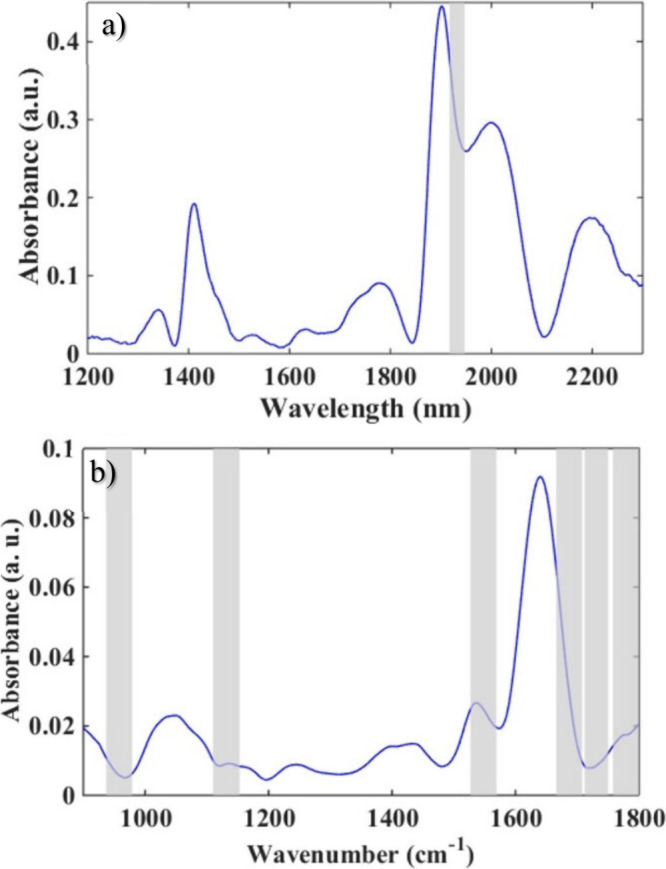 Figure 6
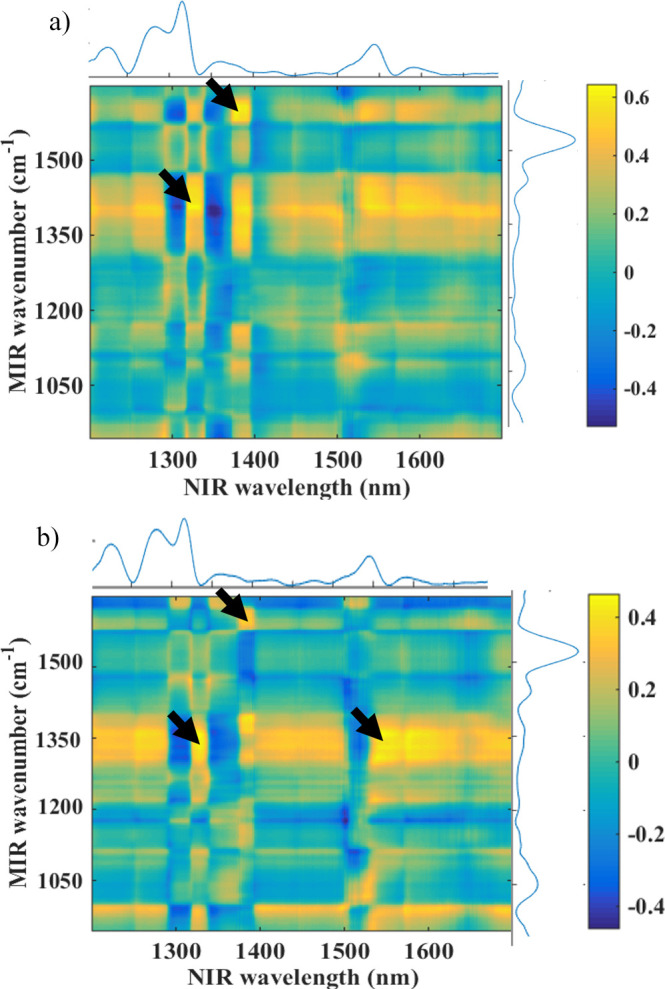 Figure 7
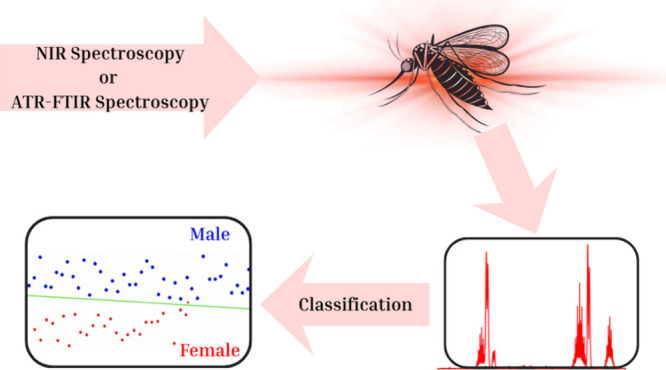 Figure 8
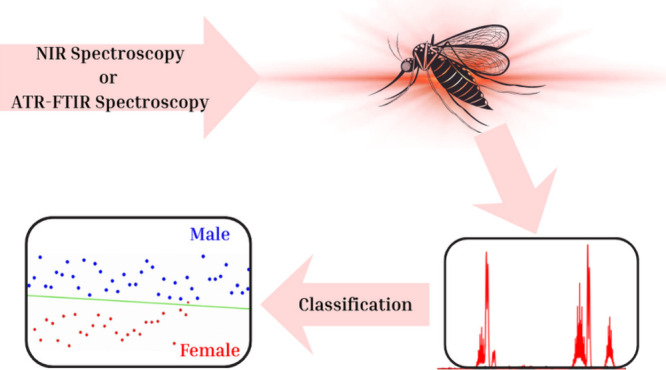 Figure 9
 Figure 10
 Figure 11
 Figure 12
 Figure 13
Peer Reviews
No public reviews on file for this paper yet. If you reviewed it on a platform where reviews are public (OpenReview, ICLR, NeurIPS, ICML), you can paste yours below so the community can read it here.
Videos
No videos yet. Explain this paper in a talk, walkthrough, or lecture? Add one.
Taxonomy
TopicsSpectroscopy and Chemometric Analyses · Spectroscopy Techniques in Biomedical and Chemical Research · Mosquito-borne diseases and control