Binary Polymeric System Based on Fish Collagen and Poloxamer 407: Mechanical and Rheological Analysis for Pharmaceutical and Biomedical Applications
Denise Tiemi Uchida, Douglas Shiguero Takano Ogassawara, Marcos Luciano Bruschi

TL;DR
This paper develops a collagen and Poloxamer 407 hydrogel system optimized for pharmaceutical and biomedical uses, including 3D printing.
Contribution
A novel binary polymer system using tilapia collagen and Poloxamer 407 is developed and optimized for biomedical applications.
Findings
The CP12 system showed optimal pseudoplastic behavior and viscoelastic properties for topical use.
SEM analysis confirmed microstructural features suitable for 3D printing.
The hydrogels demonstrated structural recovery after shearing, important for extrusion-based printing.
Abstract
Tilapia skin collagen is recognized for its regenerative properties and biocompatibility. Poloxamer 407 (P407) is a copolymer considerate ideal for stabilization and emulsification. The objective of this study was to develop a binary polymer system composed of tilapia skin collagen and P407, seeking to optimize its properties for pharmaceutical and biomedical applications. Using the two-block Box–Behnken 33 factorial design, the mechanical and rheological analysis of the binary polymer systems was evaluated, varying the temperature, polymer concentration and the combination of components. The binary polymer systems demonstrated pseudoplastic behavior (shear thinning). The results indicate that the combination of tilapia collagen with P407 provides synergistic behavior, promoting desirable characteristics for pharmaceutical and biomedical applications, especially for topical use and 3D…
Genes, proteins, chemicals, diseases, species, mutations and cell lines named across the full text — each resolved to its canonical identifier and authoritative record.
Click any figure to enlarge with its caption.
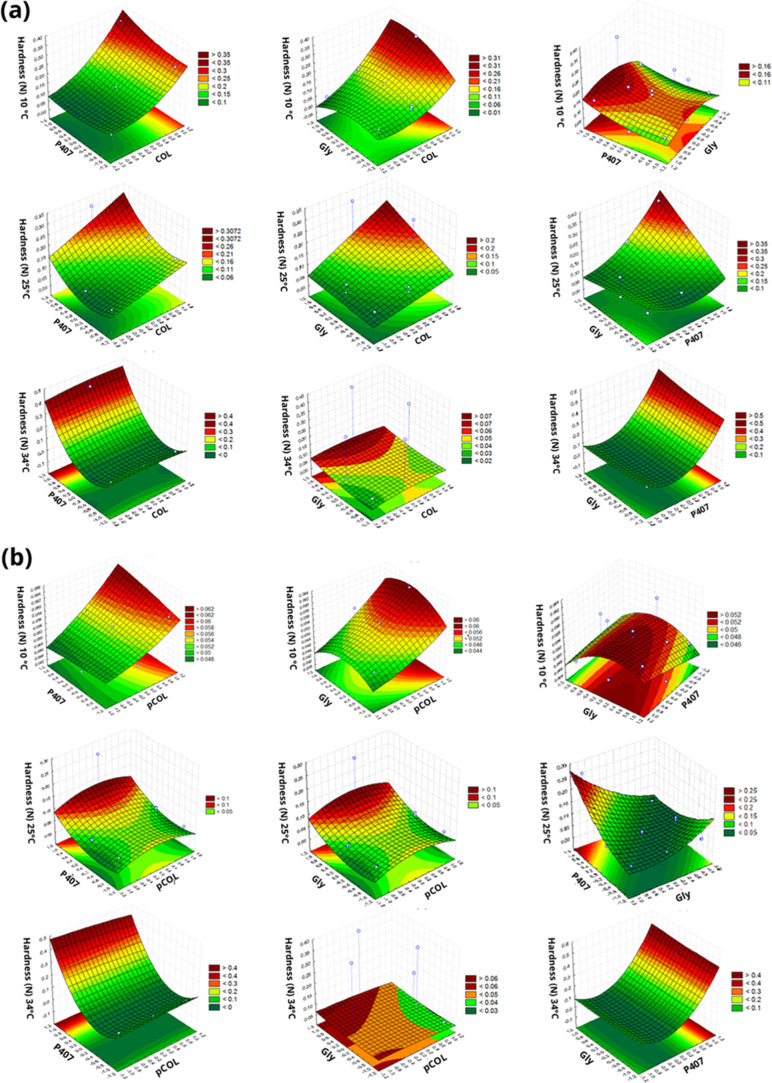 Figure 1
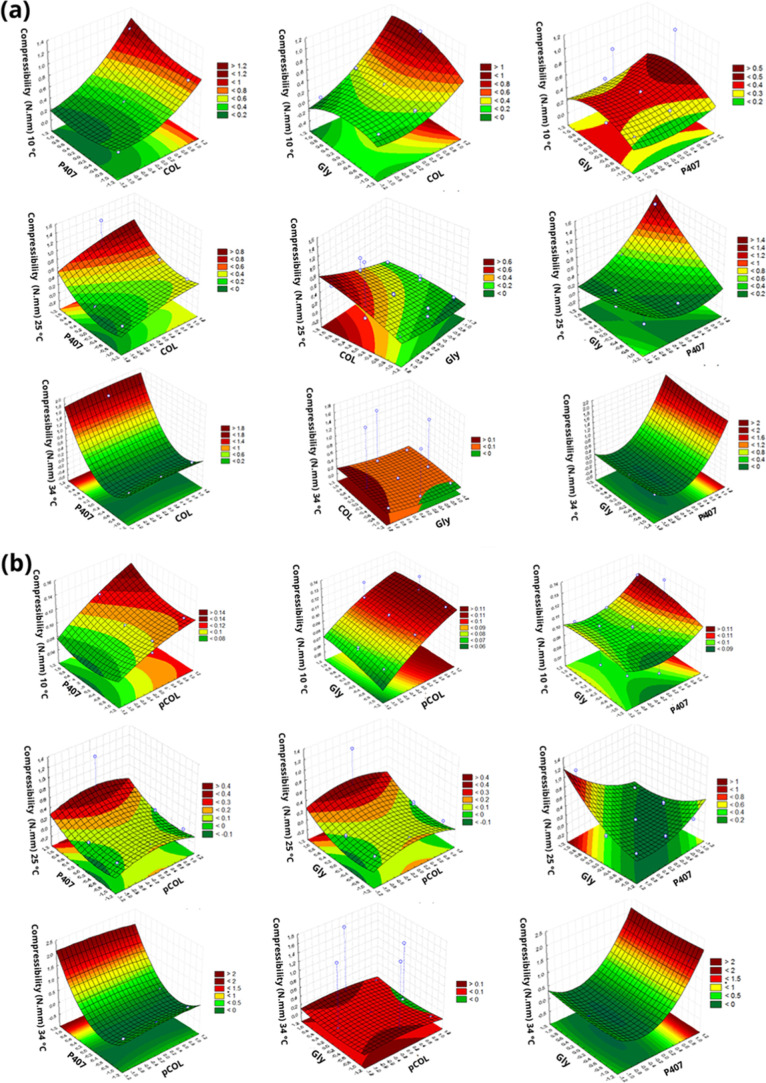 Figure 2
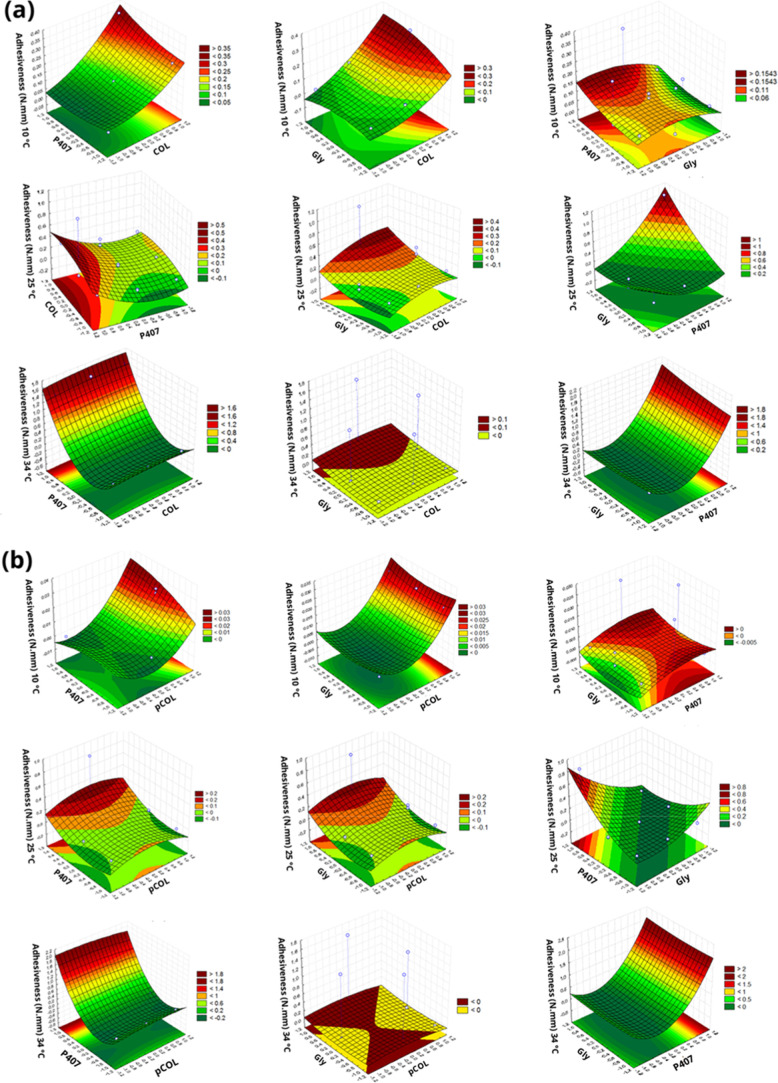 Figure 3
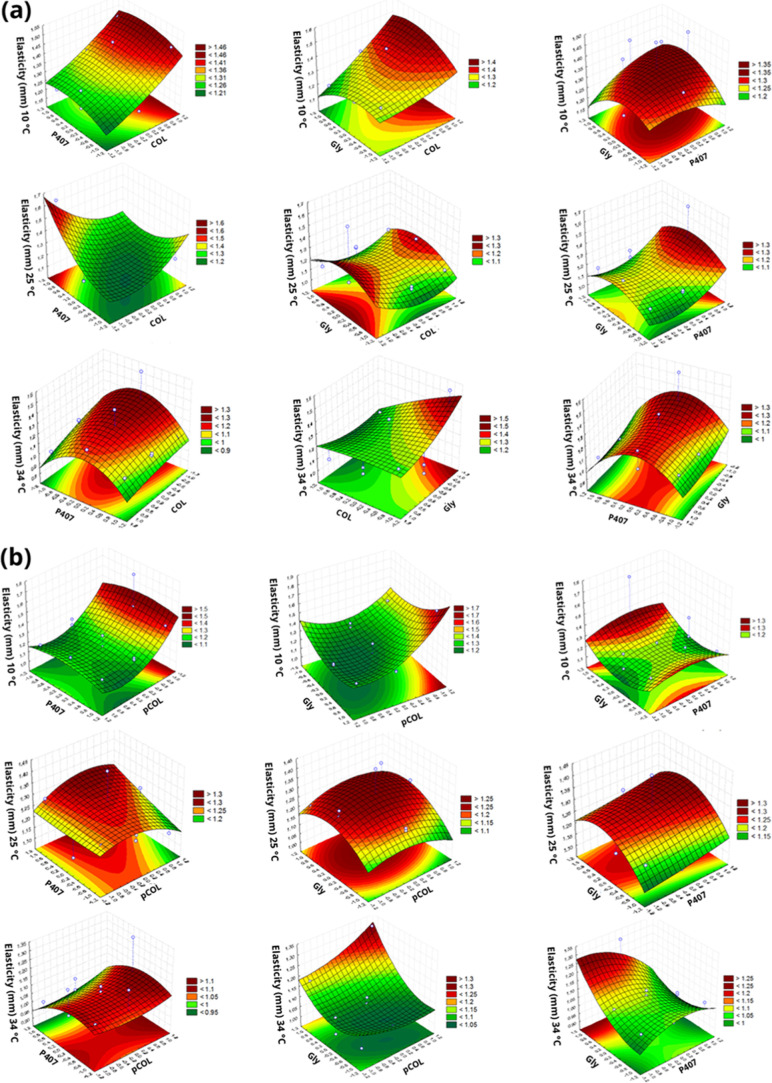 Figure 4
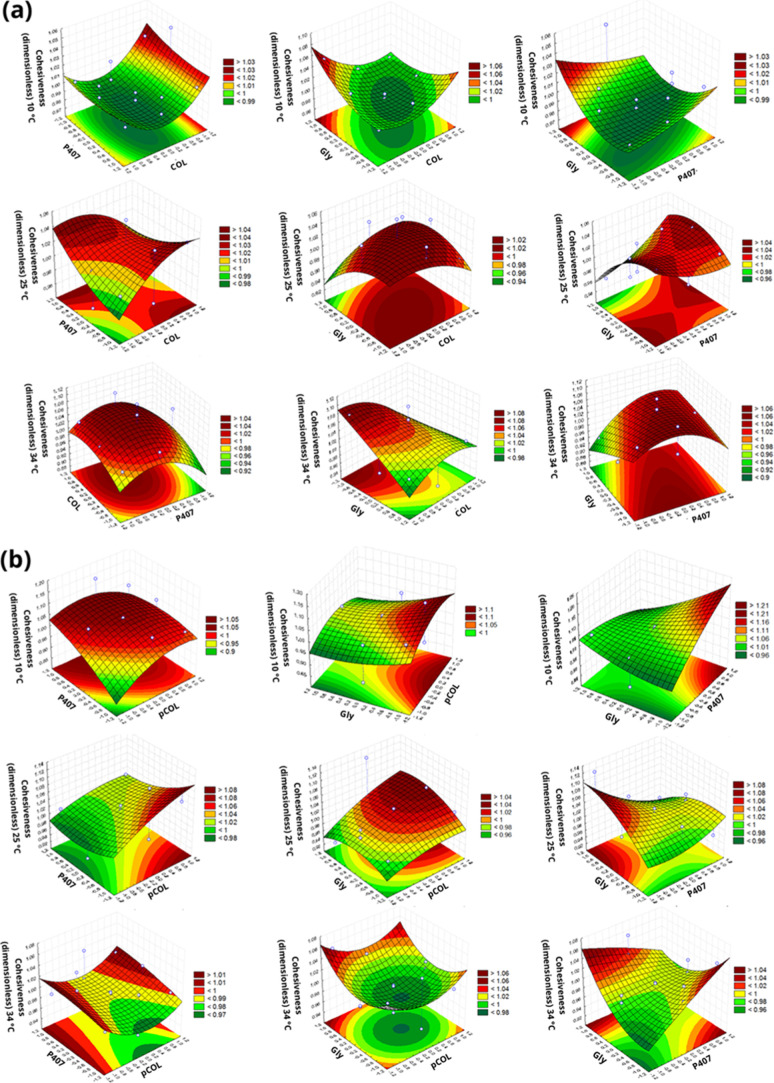 Figure 5
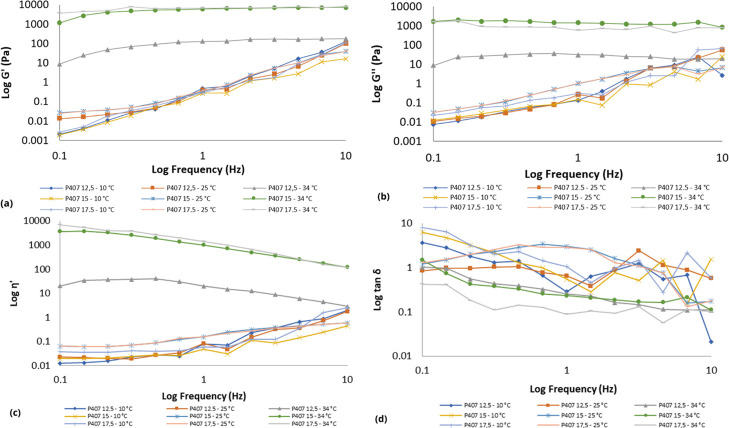 Figure 6
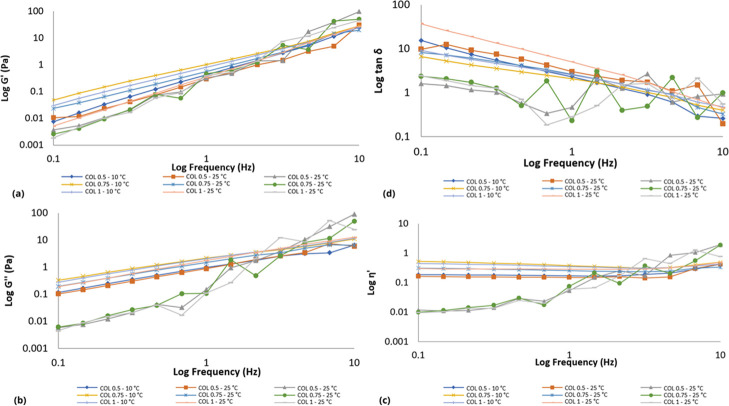 Figure 7
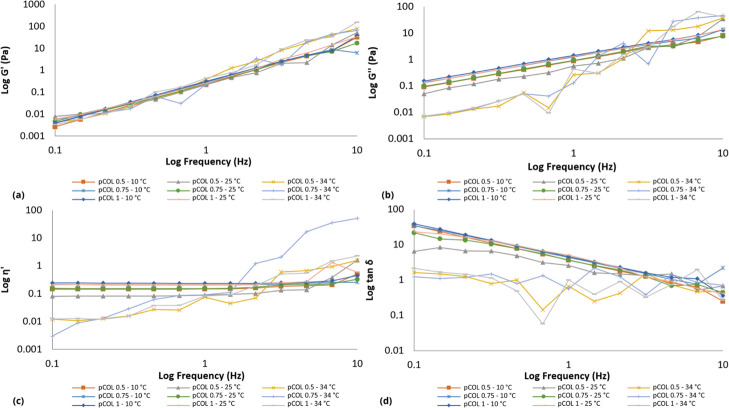 Figure 8
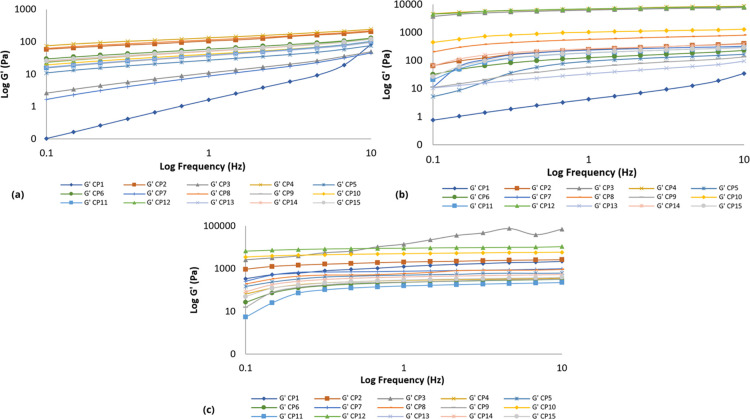 Figure 9
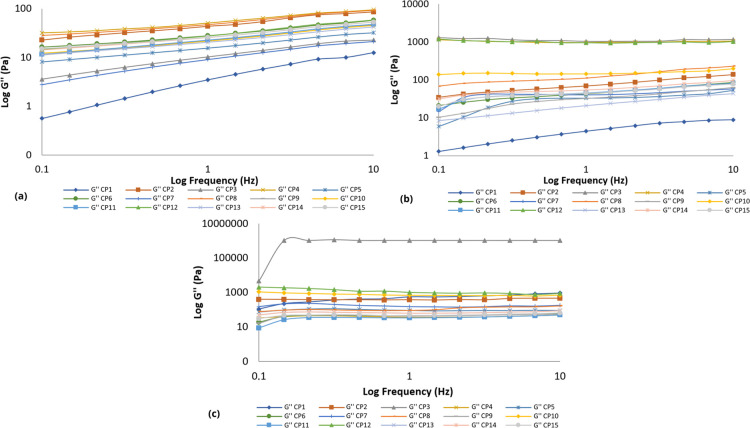 Figure 10
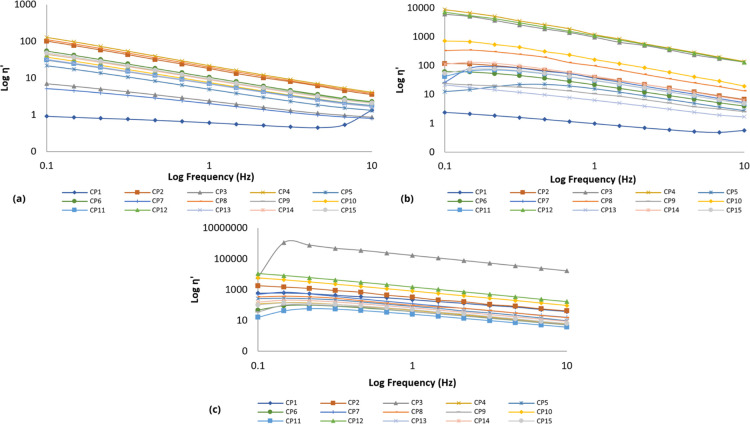 Figure 11
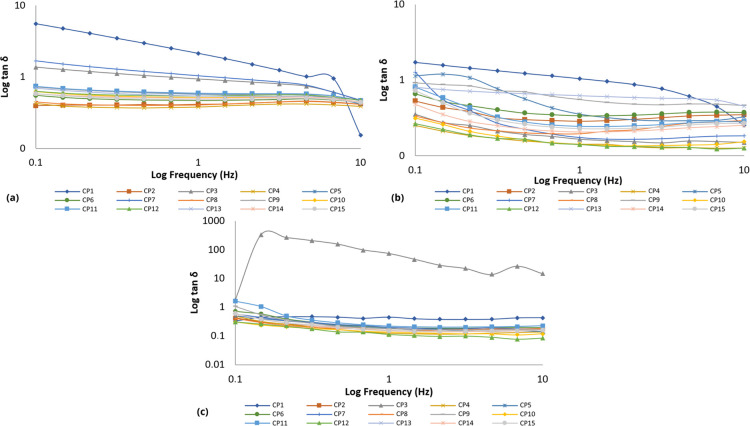 Figure 12
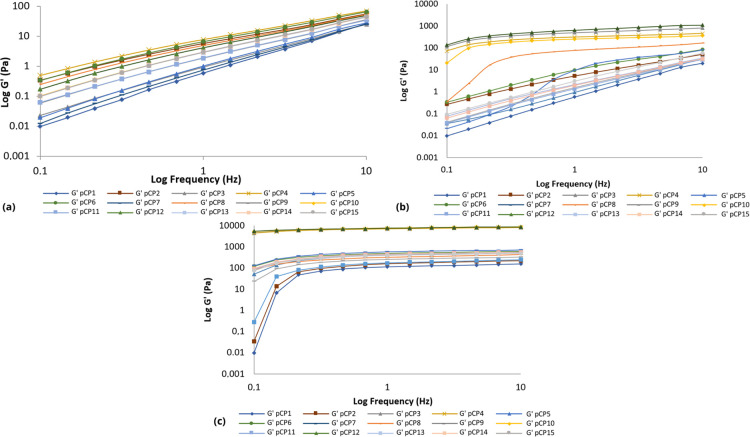 Figure 13
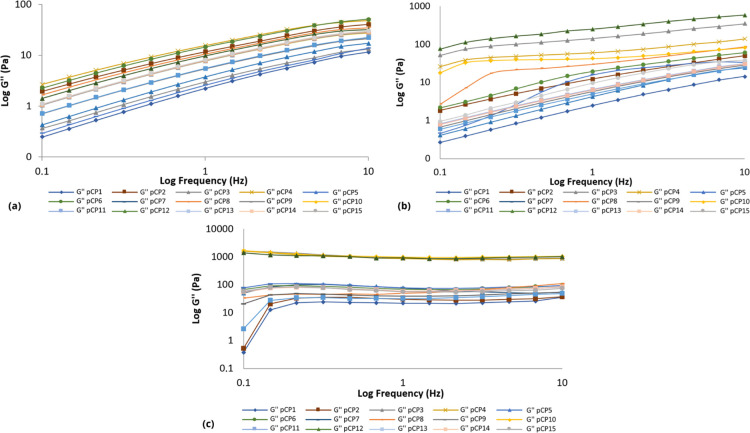 Figure 14
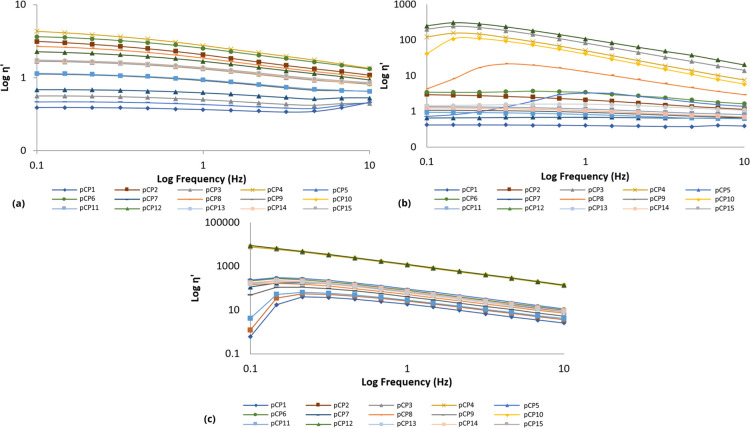 Figure 15
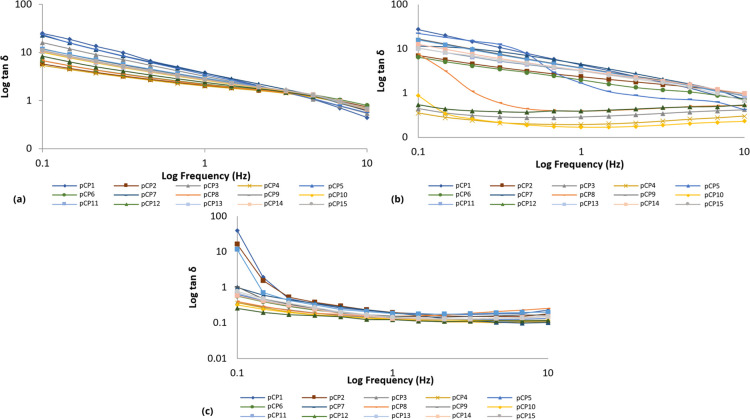 Figure 16
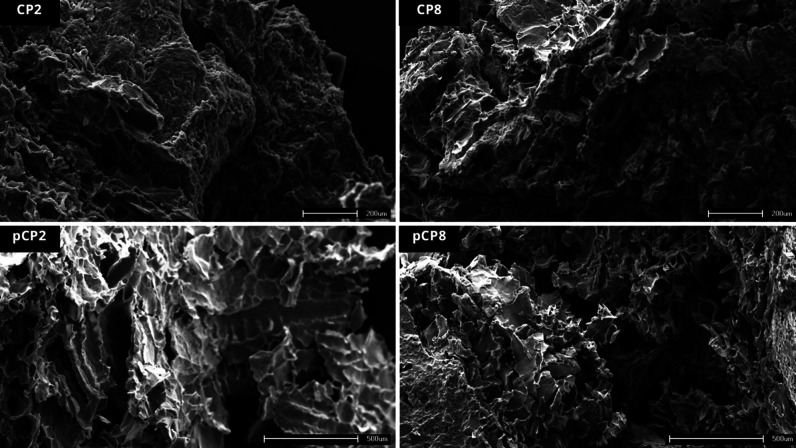 Figure 17
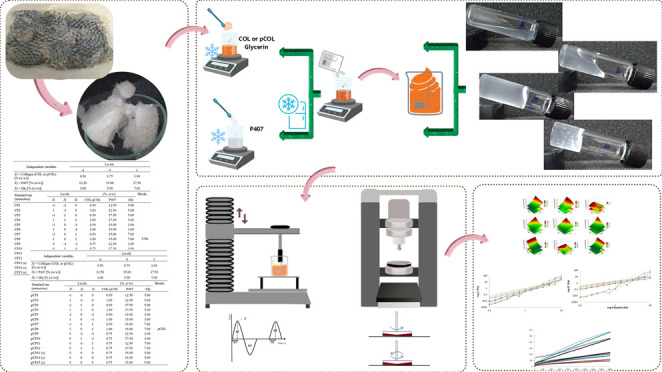 Figure 18
 Figure 19
 Figure 20
 Figure 21
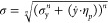 Figure 22
 Figure 23
Peer Reviews
No public reviews on file for this paper yet. If you reviewed it on a platform where reviews are public (OpenReview, ICLR, NeurIPS, ICML), you can paste yours below so the community can read it here.
Videos
No videos yet. Explain this paper in a talk, walkthrough, or lecture? Add one.
Taxonomy
TopicsCollagen: Extraction and Characterization · Wound Healing and Treatments · 3D Printing in Biomedical Research