Effect of a Low Electrostatic Environment on the Helical Structures of Peptides and Proteins Using Flexible Water Models: An In Silico Study
Jorge Alberto Aguilar-Pineda, Jesús Pérez-Aguilar, Minerva González-Melchor

TL;DR
This study explores how low electrostatic water models affect the structure of membrane proteins and peptides, showing improved stability and interactions.
Contribution
The paper introduces new flexible water models that simulate low dielectric environments to better understand membrane protein behavior.
Findings
Low electrostatic water models increase hydrogen bonding and structural stability in peptides and membrane proteins.
These models enhance interactions between transmembrane domains, preventing structural deformation.
Improved membrane properties like thickness and diffusion were observed with low electrostatic solvents.
Abstract
The electrostatic representation of the molecular environment surrounding membrane proteins is a topic that has not been addressed in the field of molecular simulations. The forces produced by such environments play a decisive role in processes such as GPCR activation, molecular recognition between membrane components, and interactions with ligands, directly impacting their dynamics and physiological function. Based on the FBA/ϵ and TIP4P/ϵflex parameters, we have constructed two new flexible water models to produce low dielectric constants in order to study their effect on the structural properties of protein–membrane complexes. These new low electrostatic water (LEw) models were tested on five helical peptides and two helical-type integral membrane proteins (IMPs) by using molecular dynamics simulations and other in silico tools. Our results show that LEw models enhance intramolecular…
Genes, proteins, chemicals, diseases, species, mutations and cell lines named across the full text — each resolved to its canonical identifier and authoritative record.
Click any figure to enlarge with its caption.
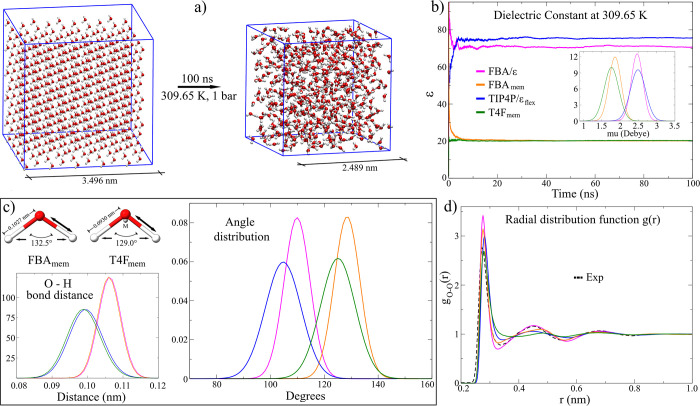 Figure 1
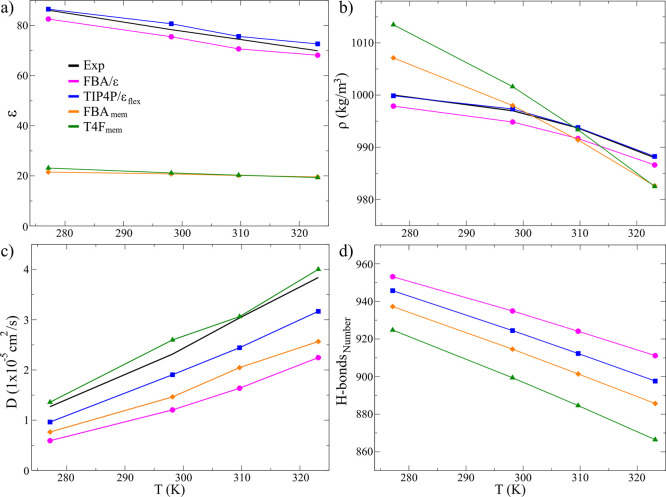 Figure 2
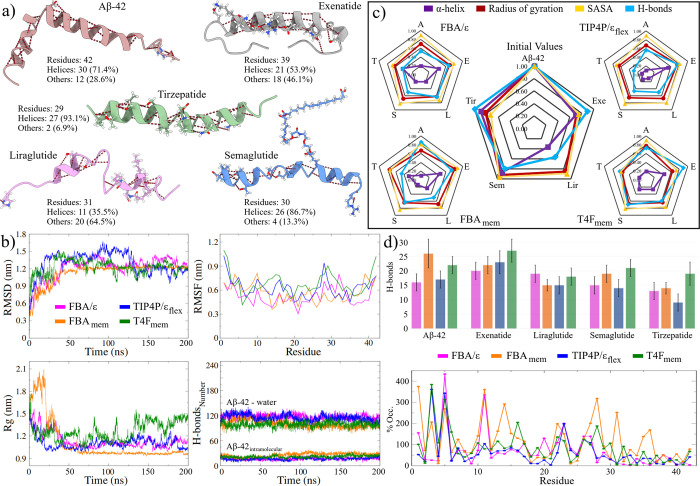 Figure 3
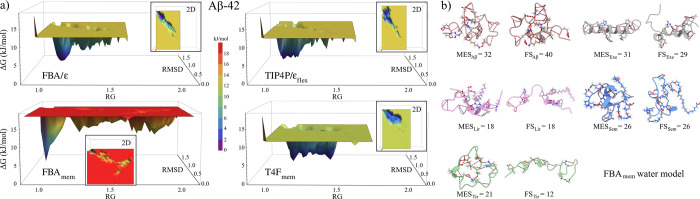 Figure 4
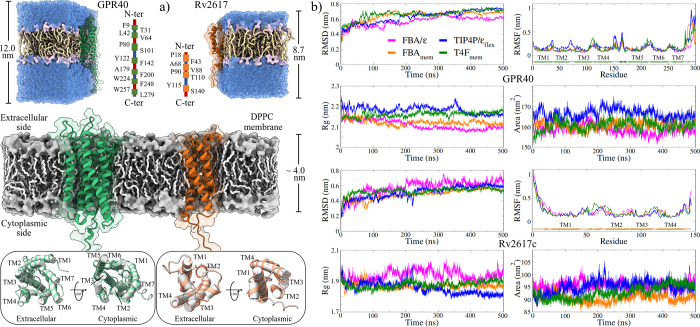 Figure 5
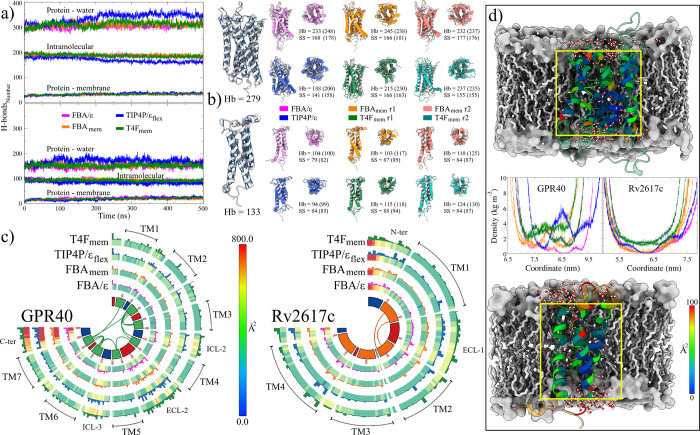 Figure 6
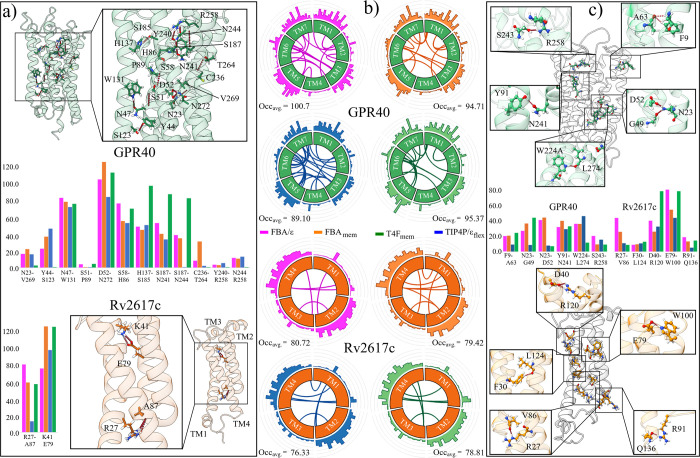 Figure 7
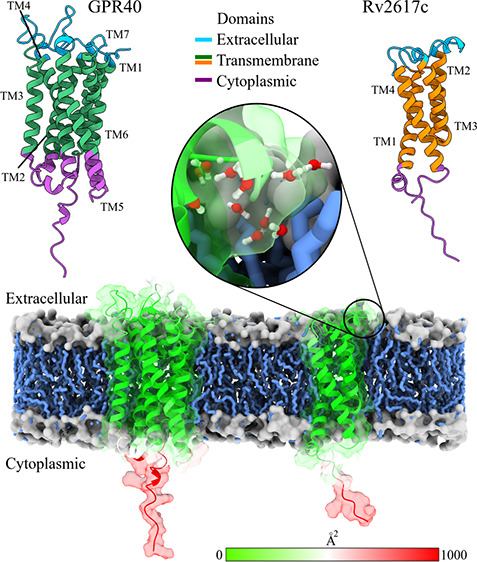 Figure 8
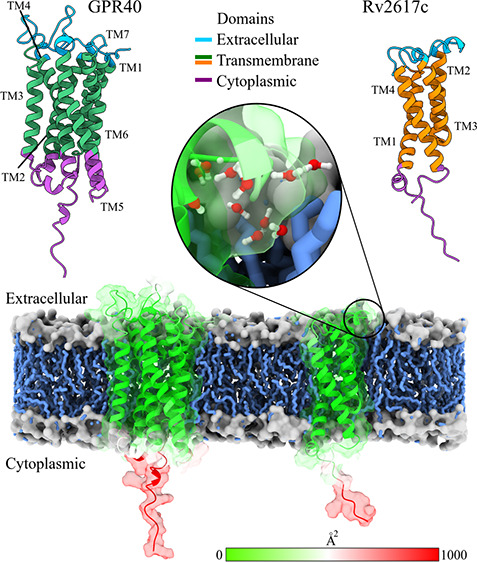 Figure 9
Peer Reviews
No public reviews on file for this paper yet. If you reviewed it on a platform where reviews are public (OpenReview, ICLR, NeurIPS, ICML), you can paste yours below so the community can read it here.
Videos
No videos yet. Explain this paper in a talk, walkthrough, or lecture? Add one.
Taxonomy
TopicsLipid Membrane Structure and Behavior · Nanopore and Nanochannel Transport Studies · Spectroscopy and Quantum Chemical Studies