Neural signatures of engagement in driving: comparing active control and passive observation
Zixin Li, Hiroyuki Kambara, Yasuharu Koike

TL;DR
The study identifies brain activity patterns that differentiate active driving from passive observation using EEG.
Contribution
A novel matched-stimulus driving paradigm is introduced to isolate neural signatures of engagement.
Findings
Manual control increases frontal midline theta and occipital alpha power.
A classifier can distinguish active from passive states with high within-subject accuracy.
Cross-subject classification accuracy is lower, indicating individual variability.
Abstract
Understanding how the human brain differentiates between active engagement and passive observation is a fundamental question in cognitive neuroscience. Using a matched-stimulus driving paradigm to isolate engagement from sensory input, we recorded whole-brain EEG while participants performed a manual control task and passively viewed a replay of their own performance. Manual control elicited distinct spectral signatures, including stronger frontal midline theta power and, paradoxically, greater occipital alpha power, consistent with heightened cognitive control and active attentional filtering. While a classifier could distinguish these states with high within-subject accuracy, performance declined in cross-subject validation, highlighting inter-individual variability. These findings delineate the distinct neural signatures of active versus passive engagement under controlled…
Genes, proteins, chemicals, diseases, species, mutations and cell lines named across the full text — each resolved to its canonical identifier and authoritative record.
Click any figure to enlarge with its caption.
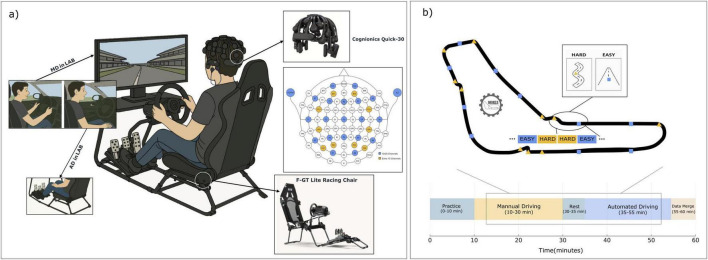 Figure 1
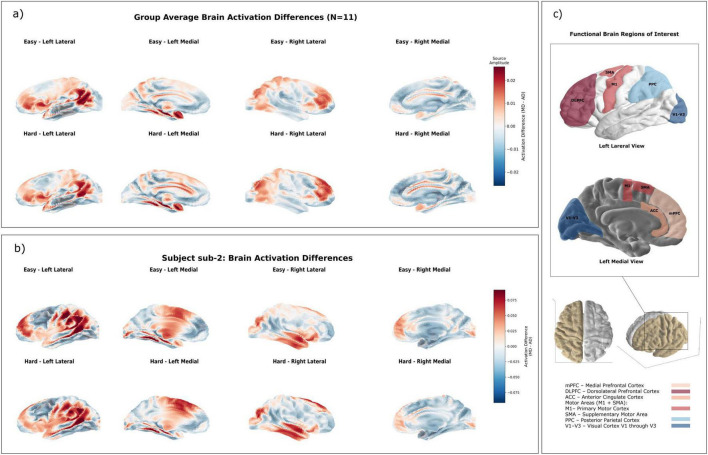 Figure 2
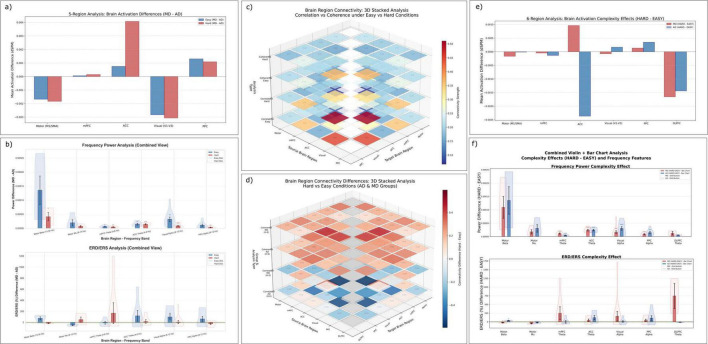 Figure 3
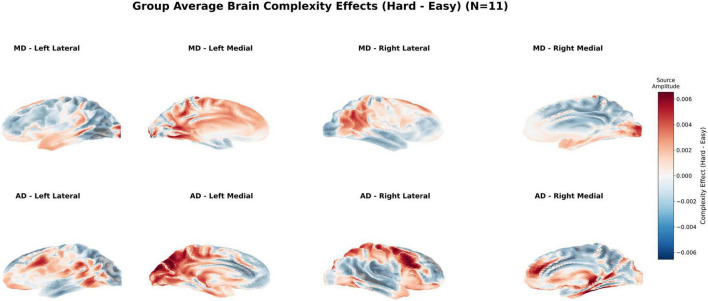 Figure 4
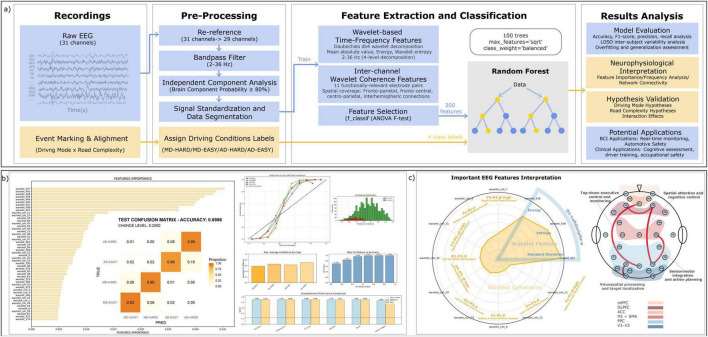 Figure 5
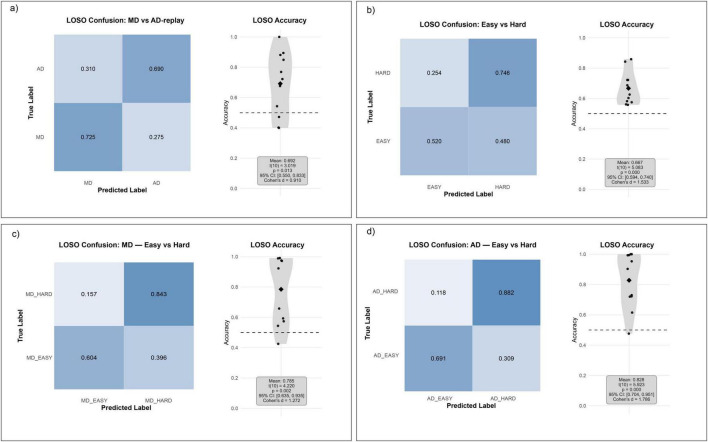 Figure 6
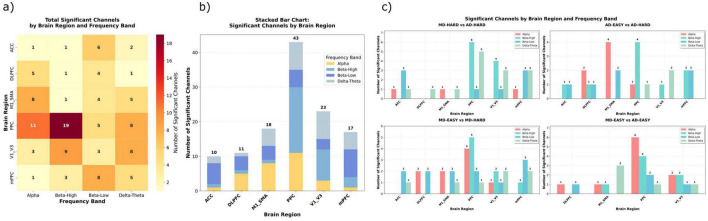 Figure 7
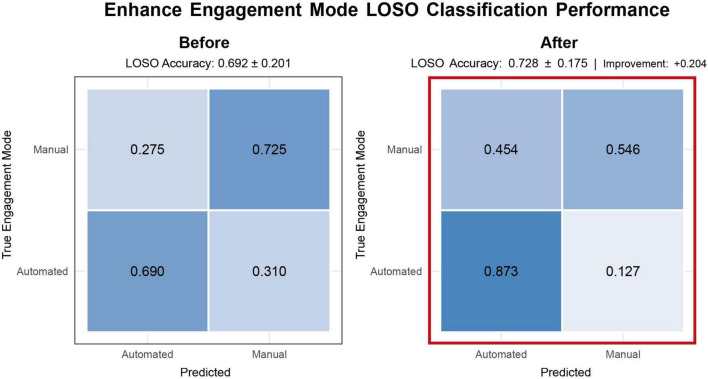 Figure 8
Peer Reviews
No public reviews on file for this paper yet. If you reviewed it on a platform where reviews are public (OpenReview, ICLR, NeurIPS, ICML), you can paste yours below so the community can read it here.
Videos
No videos yet. Explain this paper in a talk, walkthrough, or lecture? Add one.
Taxonomy
TopicsEEG and Brain-Computer Interfaces · Human-Automation Interaction and Safety · Neural and Behavioral Psychology Studies