Diagnostic utility of reticulocyte hemoglobin for iron-restricted anemia in patients with end-stage kidney disease on hemodialysis
Majed N. Almashjary, Ammar M. Sahl, Mohannad S. Hazzazi, Mohammad H. Alhashmi, Waleed M. Bawazir, Ammar A. Basabrain, Anwar Borai, Haitham Khalil, Mohammad Almohammadi, Malik A. Altayar, Abdullah M. Alqarni, Sahl A. Jamalallail, Salem M. Bahashwan, Husam Qanash, Elrashed B. Yasin

TL;DR
This study shows that reticulocyte hemoglobin (MCHr) is a better indicator of iron deficiency in hemodialysis patients than traditional markers like ferritin and TSAT.
Contribution
The study demonstrates that MCHr outperforms conventional iron biomarkers in detecting iron deficiency in patients with end-stage kidney disease.
Findings
MCHr showed an AUC of 0.98 with 100% specificity and 72.41% sensitivity for detecting iron deficiency anemia when TSAT was < 20%.
In patients with ferritin < 200 ng/mL, MCHr had 89.47% sensitivity and 100% specificity with a cut-off of < 31.20 pg.
MCHr outperformed ferritin and TSAT in identifying functional iron deficiency in hemodialysis patients.
Abstract
Chronic kidney disease (CKD) is a serious, long-term illness that damages kidneys and lowers glomerular filtration rate. CKD often causes anemia. Iron deficiency (ID) is common in these patients and worsens illness symptoms. Modern hematology analysers can measure reticulocyte mean cell hemoglobin (MCHr), which directly measures iron integration into erythrocyte hemoglobin. MCHr can improve iron deficiency detection in CKD patients, who have aberrant iron indicators due to chronic inflammation. This research aims to evaluate the effectiveness of MCHr as a marker for ID in patients with CKD. To obtain data for this study, CBC, reticulocyte profile, and iron biomarkers were collected from King Khalid National Guard Hospital (Ref No. IRB/1861/23). Transferring saturation was calculated using (Serum iron/TIBC) × 100. GraphPad Prism 9 software was used to analyze the data, and Mann-Whitney,…
Genes, proteins, chemicals, diseases, species, mutations and cell lines named across the full text — each resolved to its canonical identifier and authoritative record.
Click any figure to enlarge with its caption.
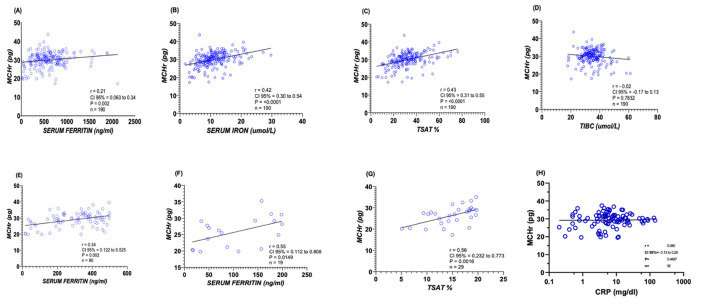 Figure 1
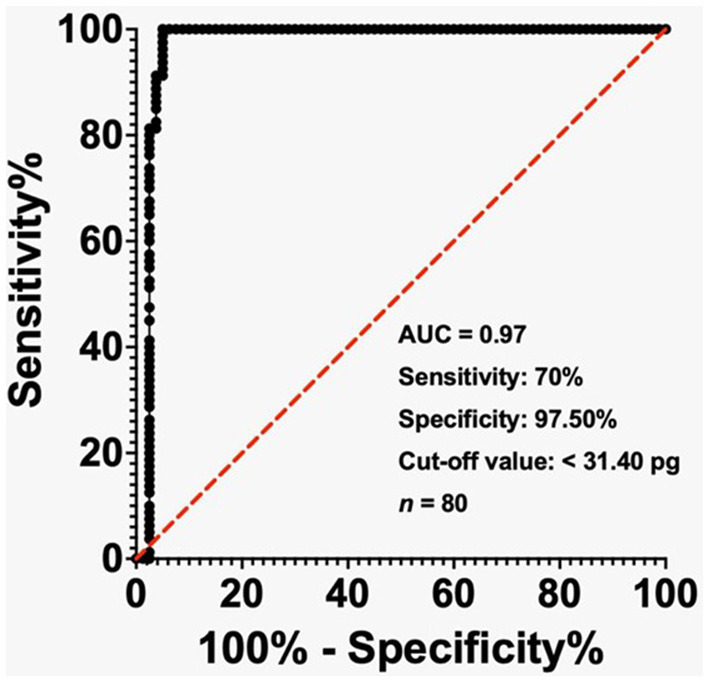 Figure 2
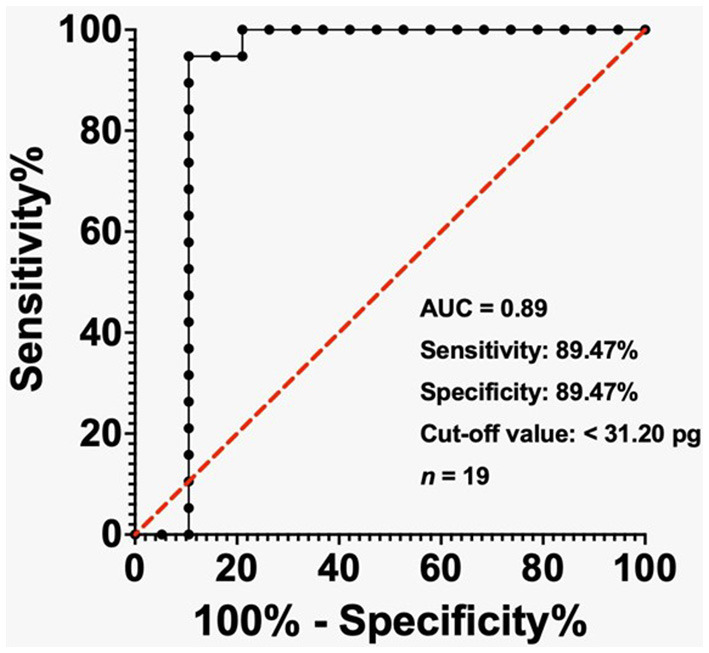 Figure 3
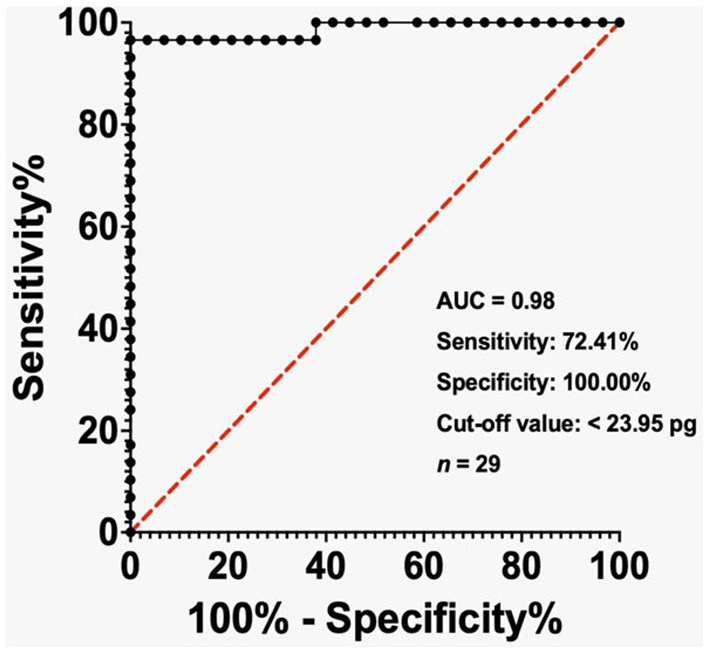 Figure 4
Peer Reviews
No public reviews on file for this paper yet. If you reviewed it on a platform where reviews are public (OpenReview, ICLR, NeurIPS, ICML), you can paste yours below so the community can read it here.
Videos
No videos yet. Explain this paper in a talk, walkthrough, or lecture? Add one.
Taxonomy
TopicsErythropoietin and Anemia Treatment · Iron Metabolism and Disorders · Hemoglobinopathies and Related Disorders