Graphene Oxide (GO) Coating on Reticulated Open-Cell Mullite (ROM) Foams for Enhancing Antibacterial Activity
Wadwan Singhapong, Angkhana Jaroenworaluck, Watchara Chokevivat, Pongthorn Suksanong

TL;DR
Graphene oxide (GO) coatings on mullite foams significantly enhance antibacterial activity against both Gram-negative and Gram-positive bacteria.
Contribution
A novel method of enhancing antibacterial properties of mullite foams through multilayer GO coatings is presented.
Findings
GO-coated foams showed effective antibacterial activity against Escherichia coli and Staphylococcus aureus.
Ten coating cycles produced the most effective antibacterial performance.
XCT analysis confirmed successful multilayer GO coating on foam surfaces.
Abstract
Graphene oxide (GO) was synthesized by a modified Hummers’ method to study its antibacterial activity in two forms: powders and coating agents. Reticulated open-cell mullite (ROM) foams, fabricated by a replica method using polymer foam as the pore template, were enhanced in their antibacterial activity by coating them with the synthesized GO dispersed in aqueous solutions. To fabricate the mullite foams, nano silica (nSiO2), derived from rice husk (RH), was mixed with commercial alumina (Al2O3) and sintered at 1500 °C for 4 h. The sintered foams were pretreated with HCl acid and dip-coated in GO aqueous solutions prepared with a fixed ratio of GO and deionized water. The dip-coating process was performed 3, 5, and 10 cycles to obtain GO multilayers on the surface of the mullite foams. X-ray computed tomography (XCT) analysis was used to investigate the external and internal…
Genes, proteins, chemicals, diseases, species, mutations and cell lines named across the full text — each resolved to its canonical identifier and authoritative record.
Click any figure to enlarge with its caption.
 Figure 1
 Figure 2
 Figure 3
 Figure 4
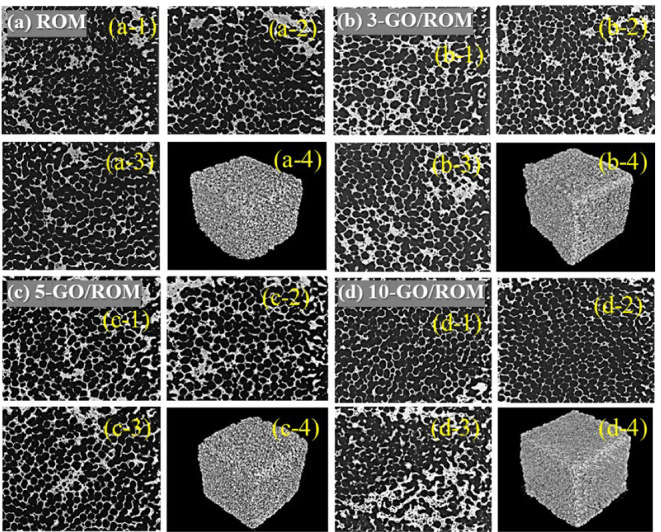 Figure 5
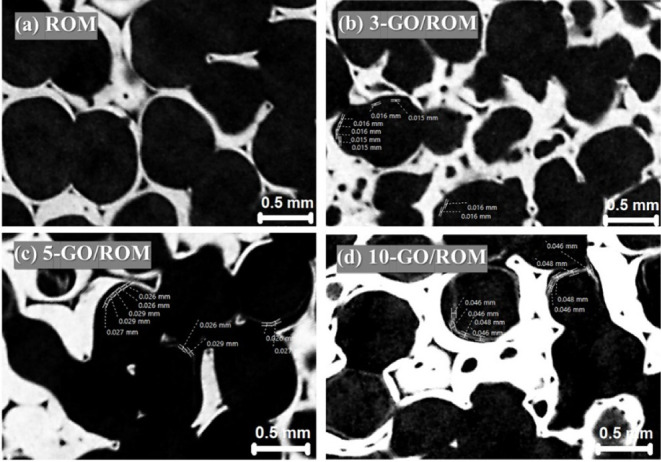 Figure 6
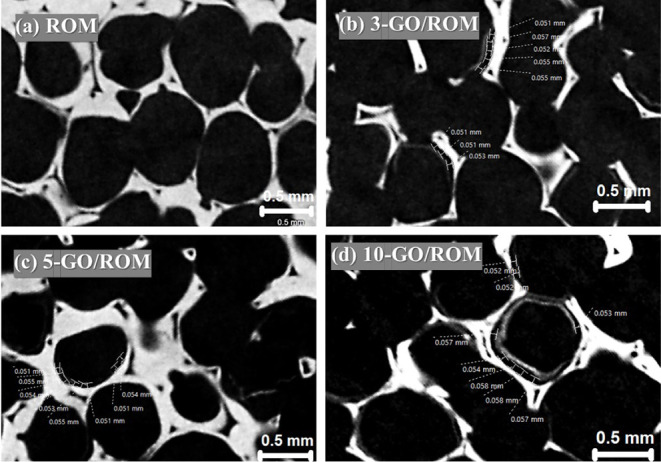 Figure 7
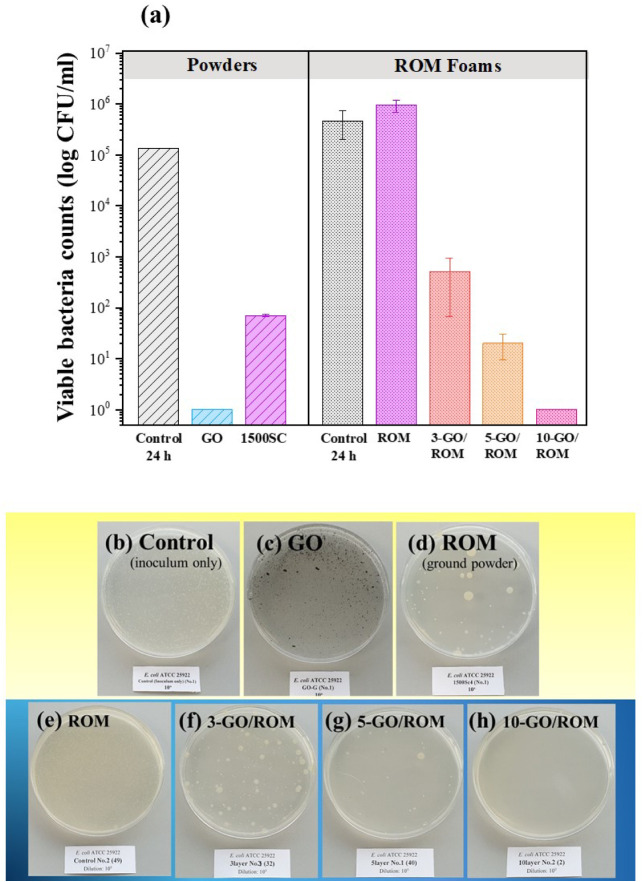 Figure 8
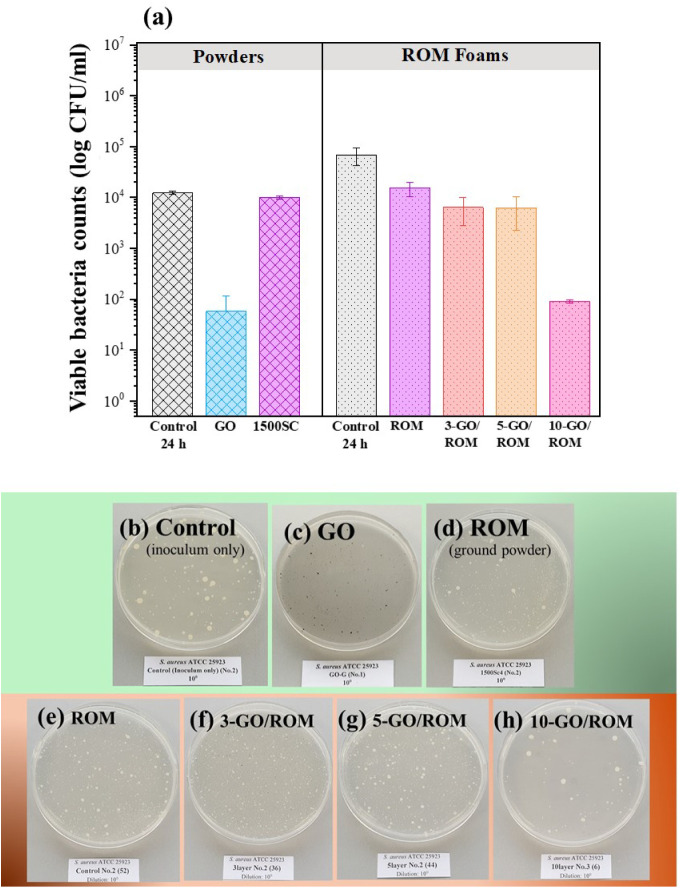 Figure 9
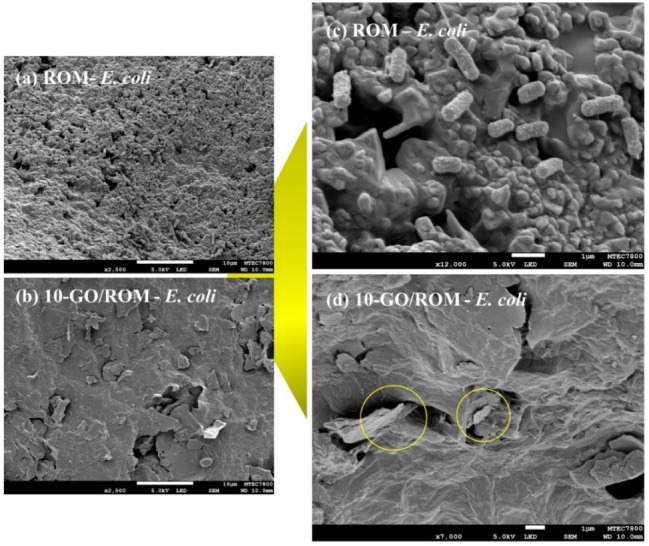 Figure 10
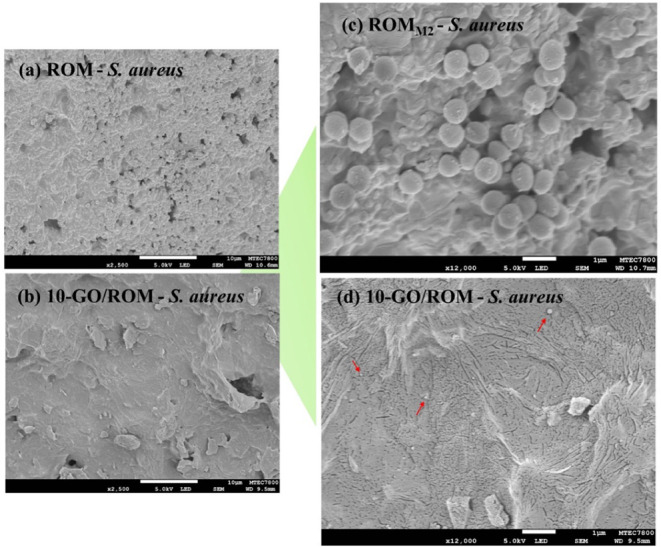 Figure 11
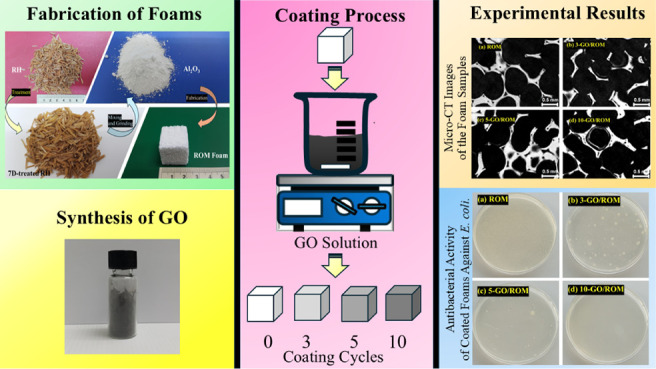 Figure 12
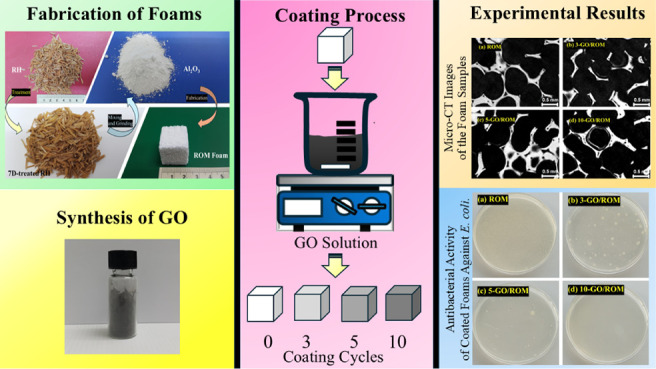 Figure 13
 Figure 14
 Figure 15
Peer Reviews
No public reviews on file for this paper yet. If you reviewed it on a platform where reviews are public (OpenReview, ICLR, NeurIPS, ICML), you can paste yours below so the community can read it here.
Videos
No videos yet. Explain this paper in a talk, walkthrough, or lecture? Add one.
Taxonomy
TopicsMXene and MAX Phase Materials · Advanced ceramic materials synthesis · Boron and Carbon Nanomaterials Research