Differential gene expression in ripe mango fruit (Mangifera indica L. cv. Azúcar) that favors the pathogenicity of the endophyte Colletotrichum tropicale
Andrés F. Quintero-Mercado, Sebastián Rojas, Yordan J. Romero-Contreras, Luis F. Lozano, Mario Serrano, Celsa García

TL;DR
This study identifies genes in ripe mango fruit that change during infection by the pathogen Colletotrichum tropicale, revealing how the fruit's defense mechanisms may inadvertently help the pathogen.
Contribution
The study reveals specific gene expression patterns in ripe mango fruit that facilitate the pathogenicity of Colletotrichum tropicale.
Findings
A total of 5,435 differentially expressed genes were identified in the interaction, with 421 in ripe mango fruits.
Downregulated genes in the fruit were linked to oxidative burst defense mechanisms, while upregulated genes were associated with stress and defense responses.
KEGG analysis highlighted pathways like MAPK signaling and PAMP-triggered immunity involved in the fruit's response to the pathogen.
Abstract
Colletotrichum tropicale is an endophyte that has been reported as a pathogen in ripe mango fruits (Mangifera indica L. cv. Azúcar) in Magdalena, Colombia, causing anthracnose. However, gene expression in the host that promotes its lifestyle transition remains unknown. This study aimed to analyze gene expression during the interaction between ripe mango fruit cv. Azúcar and C. tropicale to identify differentially expressed host genes that facilitate the pathogen’s infection process. RNA sequencing (RNA-seq) analysis was conducted at 0 and 12 h post inoculation (hpi), including de novo assembly and bioinformatic functional annotation using Gene Ontology (GO) and Kyoto Encyclopedia of Genes and Genomes (KEGG). A total of 5,435 differentially expressed genes (DEGs) were identified in the interaction, of which only 421 DEGs were detected in ripe mango fruits. Among these, 379 were…
Genes, proteins, chemicals, diseases, species, mutations and cell lines named across the full text — each resolved to its canonical identifier and authoritative record.
Click any figure to enlarge with its caption.
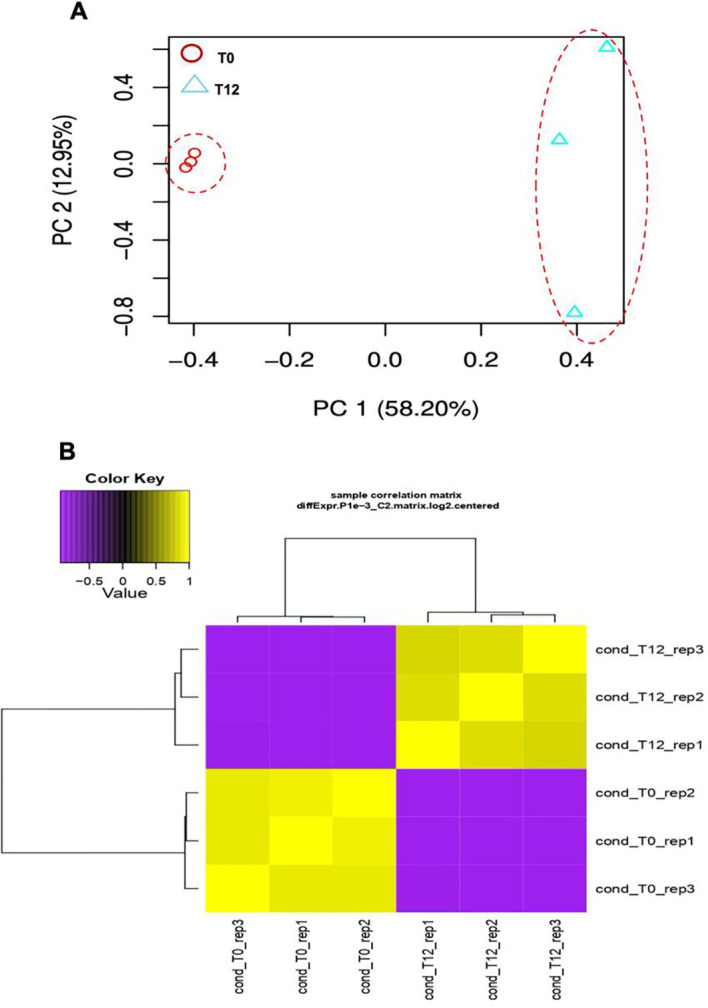 Figure 1
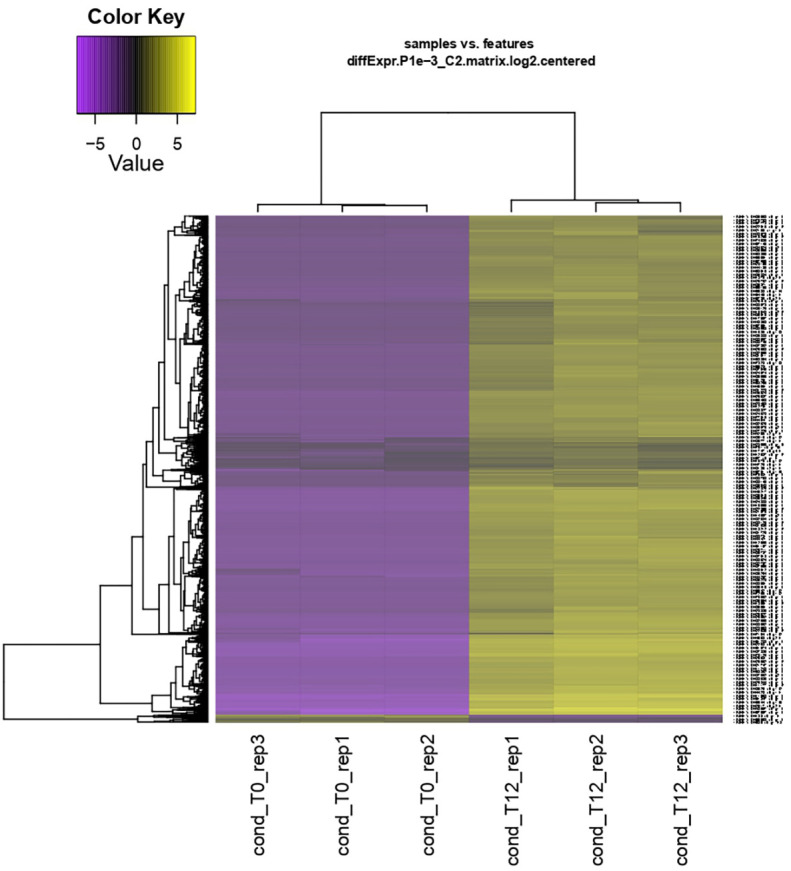 Figure 2
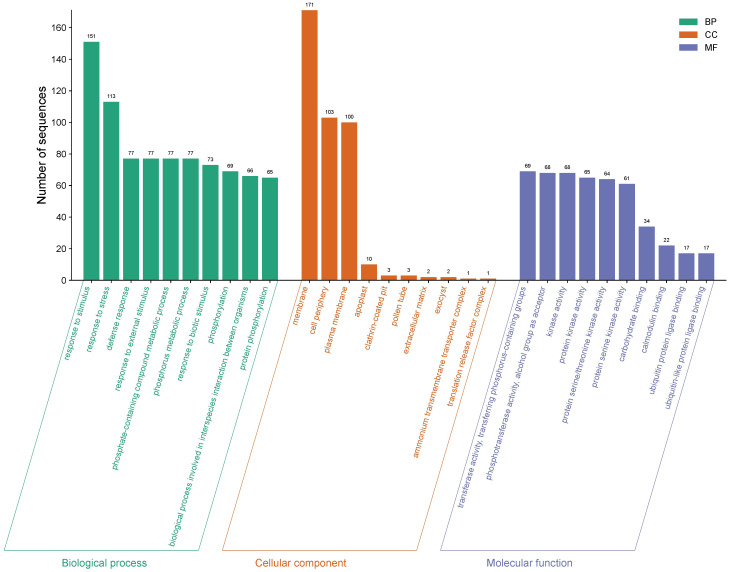 Figure 3
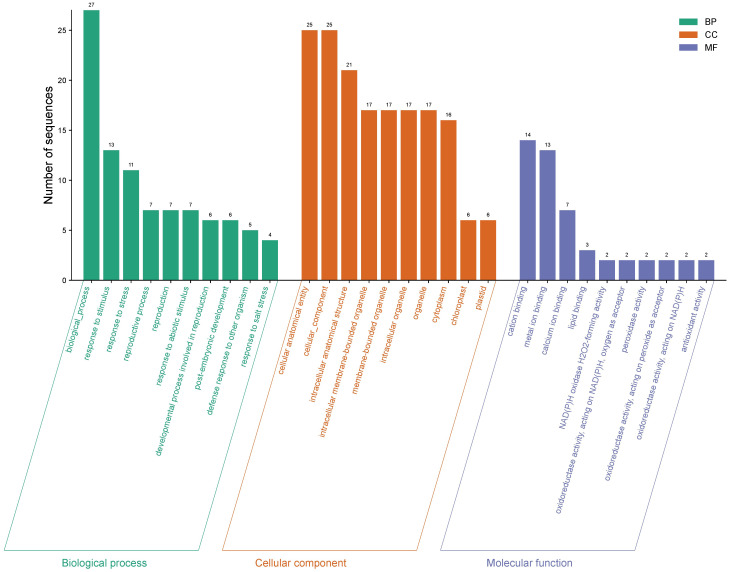 Figure 4
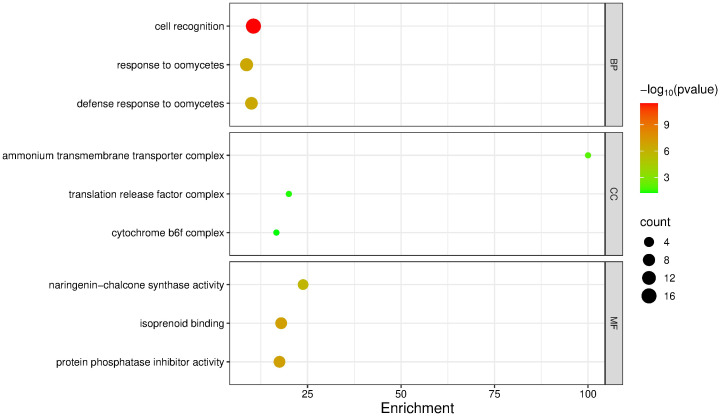 Figure 5
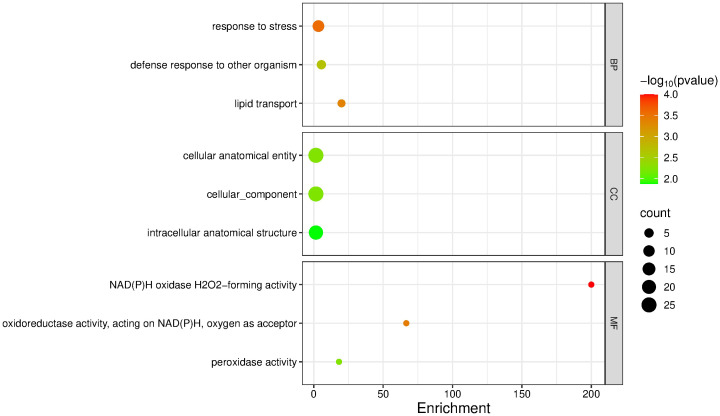 Figure 6
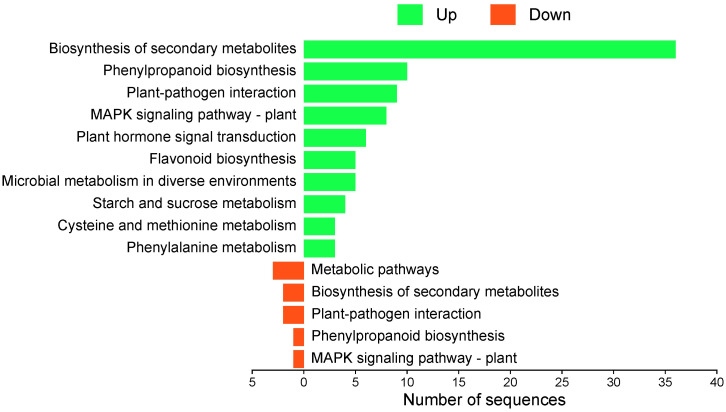 Figure 7
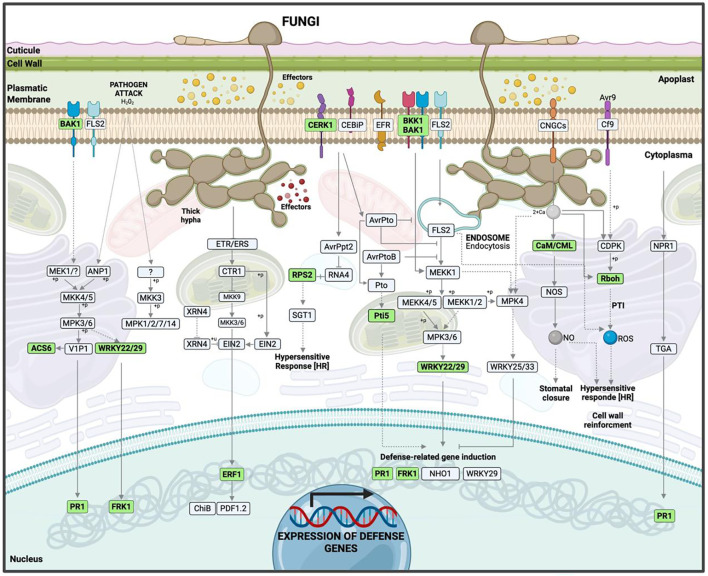 Figure 8
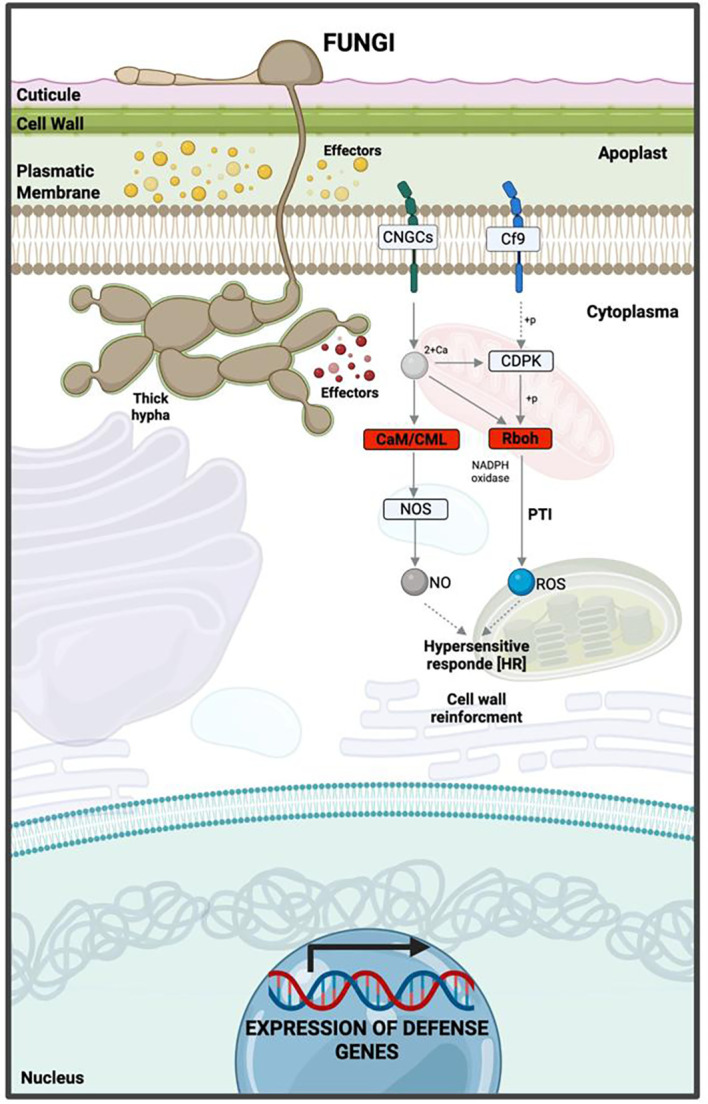 Figure 9
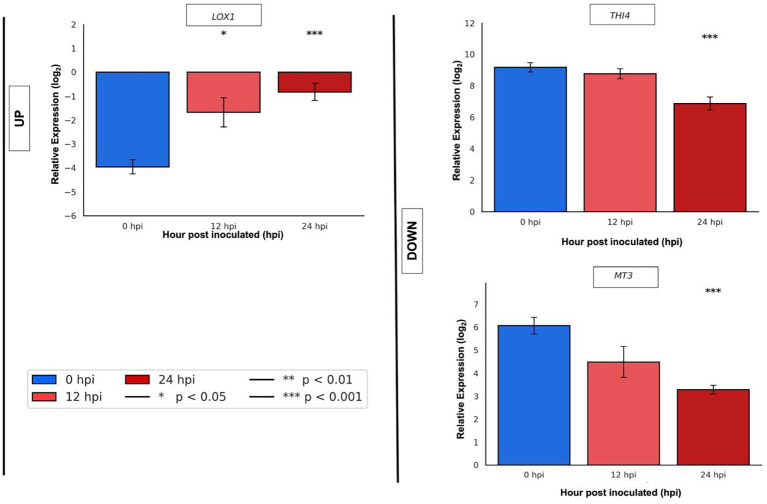 Figure 10
Peer Reviews
No public reviews on file for this paper yet. If you reviewed it on a platform where reviews are public (OpenReview, ICLR, NeurIPS, ICML), you can paste yours below so the community can read it here.
Videos
No videos yet. Explain this paper in a talk, walkthrough, or lecture? Add one.
Taxonomy
TopicsPlant Pathogens and Fungal Diseases · Plant-Microbe Interactions and Immunity · Mycorrhizal Fungi and Plant Interactions