Identification of metabolic pathways modulated by GAM and NGAM in the inhibition of Staphylococcus aureus biofilm formation
Amirmohammad Afsharnia, Arjen Nauta, Andre Groeneveld, Blanca Fernandez-Ciruelos, Mostafa Asadpoor, Gert Folkerts, Saskia Braber, Marc Wösten

TL;DR
This study shows that glucosamine (GAM) inhibits Staphylococcus aureus biofilm formation more effectively than its derivative NGAM by altering key metabolic pathways.
Contribution
The study identifies GAM as a potent anti-biofilm agent and reveals specific metabolic pathways modulated by GAM in S. aureus.
Findings
GAM at 2–8% significantly inhibits S. aureus biofilm formation.
GAM downregulates adhesion genes and disrupts arginine biosynthesis and TCA pathways.
GAM reduces biofilm pH and impairs urea metabolism, contributing to its anti-biofilm effect.
Abstract
The prevalence of antibiotic-resistant bacterial strains, particularly Staphylococcus aureus, poses a significant threat to global health. The ability of S. aureus to form biofilms reduces the efficacy of antibiotics. Therefore, the need for innovative anti-biofilm strategies to improve the efficacy of antibiotic therapy is crucial, particularly when biofilms cause treatment failure. In this study, we investigated the effects of glucosamine (GAM) and its acetylated derivative, N-acetylglucosamine (NGAM), on the biofilm formation of the multidrug-resistant S. aureus strain Wood 46. The minimum biofilm inhibitory concentration (MBIC) assay was used to evaluate the inhibition of biofilm formation. The results indicated that 2–8% of GAM significantly inhibited S. aureus biofilm formation. However, only a high concentration of NGAM (8%) showed partial inhibition of biofilm formation. The RNA…
Genes, proteins, chemicals, diseases, species, mutations and cell lines named across the full text — each resolved to its canonical identifier and authoritative record.
Click any figure to enlarge with its caption.
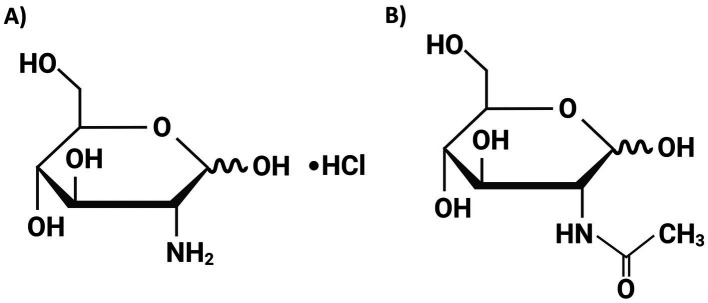 Figure 1
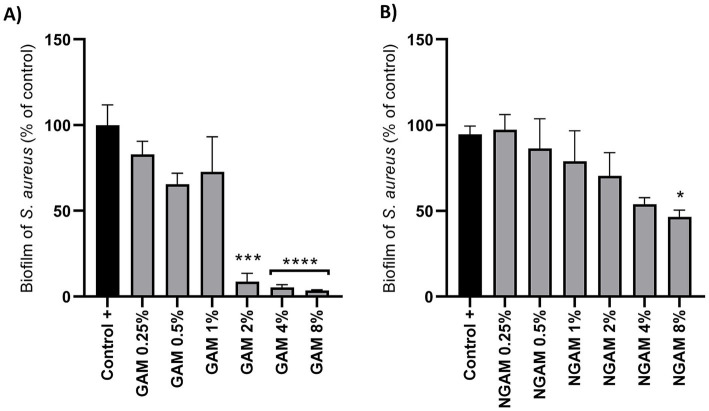 Figure 2
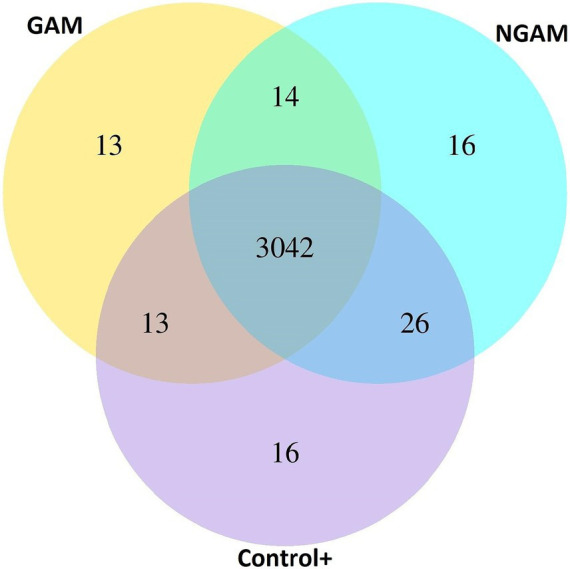 Figure 3
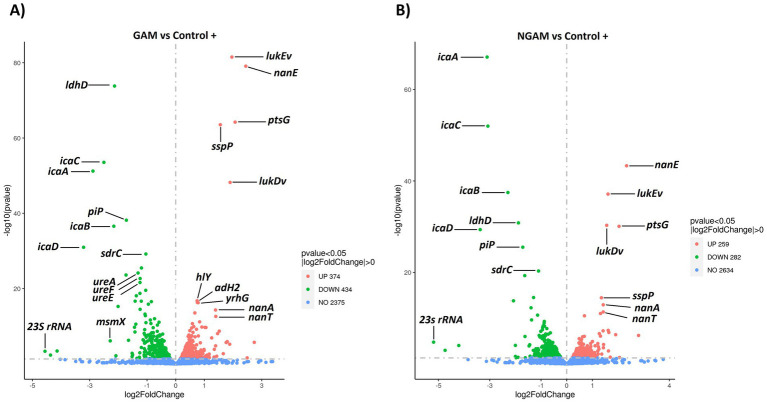 Figure 4
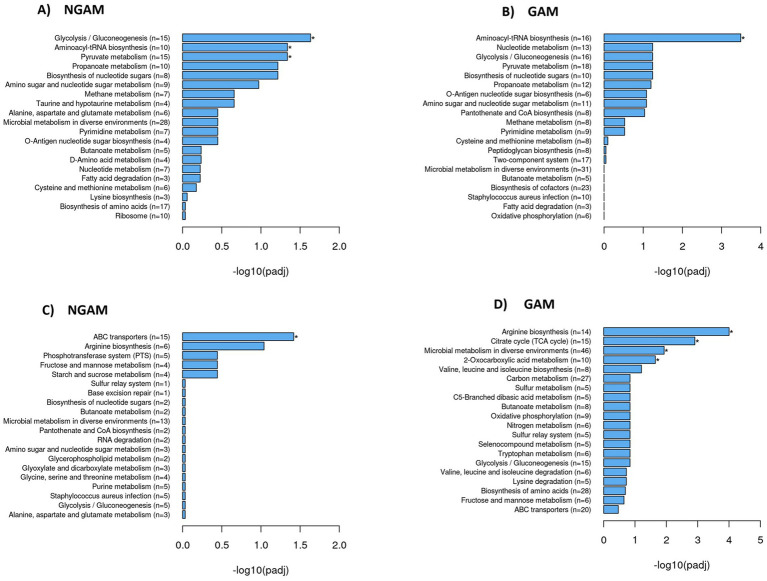 Figure 5
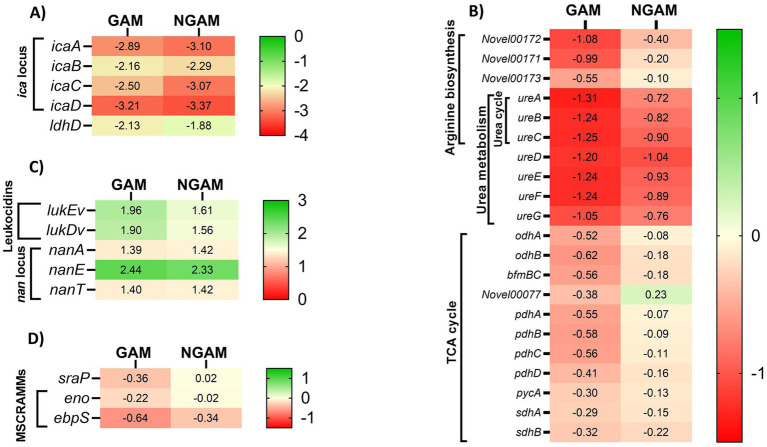 Figure 6
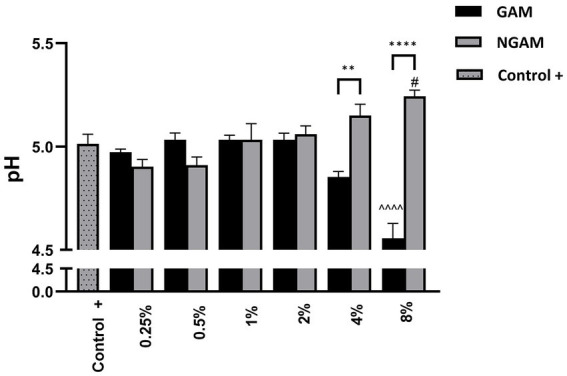 Figure 7
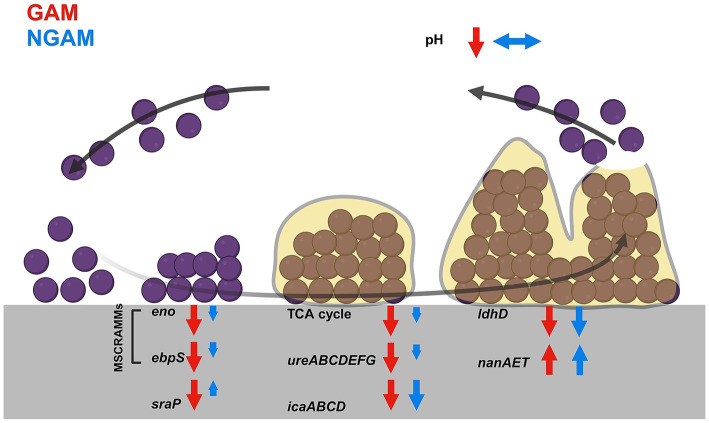 Figure 8
Peer Reviews
No public reviews on file for this paper yet. If you reviewed it on a platform where reviews are public (OpenReview, ICLR, NeurIPS, ICML), you can paste yours below so the community can read it here.
Videos
No videos yet. Explain this paper in a talk, walkthrough, or lecture? Add one.
Taxonomy
TopicsBacterial biofilms and quorum sensing · Antimicrobial agents and applications · Antimicrobial Resistance in Staphylococcus