Investigation of phytochemical profiling and biological activities of methanol extract from Eryngium billardieri: antimicrobial, antibiofilm, and anthelmintic properties
Mahdi Yaghoobi, Mahdi Moridi Farimani, Ajmal Khan, Mojtaba Asadollahi, Marzieh Omrani, Walter Luyten, Haibo Hu

TL;DR
This study explores the chemical composition and biological activities of a plant extract from Eryngium billardieri, showing strong antimicrobial and anthelmintic effects.
Contribution
The study provides a detailed phytochemical profile and evaluates the antimicrobial and anthelmintic properties of Eryngium billardieri extract.
Findings
The extract showed strong activity against Gram-positive bacteria and yeast strains, with low IC50 values.
It effectively inhibited biofilm formation within 24 hours at low concentrations.
The extract demonstrated high anthelmintic activity against a model nematode.
Abstract
The genus Eryngium, belonging to the Umbelliferae family, comprises flowering plants with various pharmacological activities, including anti-inflammatory and antidiabetic properties. However, many of these activities lack scientific evaluation. This study aimed to characterize the metabolites and evaluate the antihelmintic, antibacterial, and antibiofilm activities of a methanolic extract derived from the aerial parts of Eryngium billardieri. Metabolite characterization was conducted using LC-MS combined with a computer-assisted structure elucidation method. The extract was tested against six fungi, six Gram-positive bacteria, and nine Gram-negative bacteria, and a non-parasitic nematode (Caenorhabditis elegans). A total of thirty-three compounds were identified, with the major constituents including isorhamnetin-3-O-glucoside, phytolaccagenin, terpinolene, 3,4-dimethoxybenzaldehyde,…
Genes, proteins, chemicals, diseases, species, mutations and cell lines named across the full text — each resolved to its canonical identifier and authoritative record.
Click any figure to enlarge with its caption.
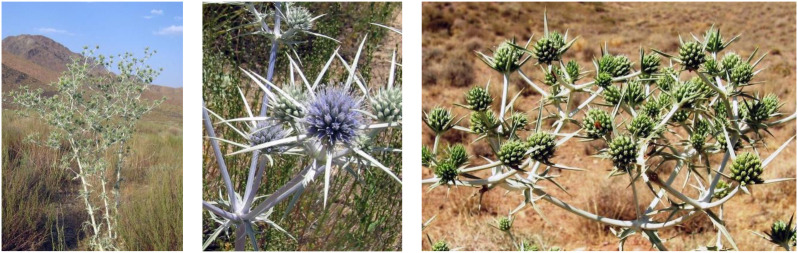 Figure 1
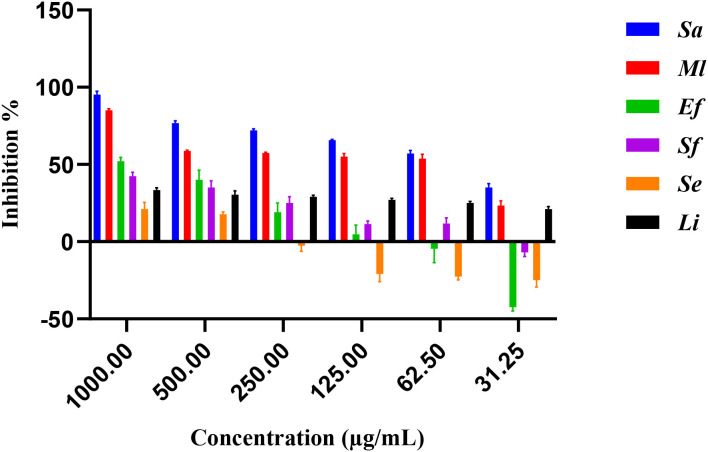 Figure 2
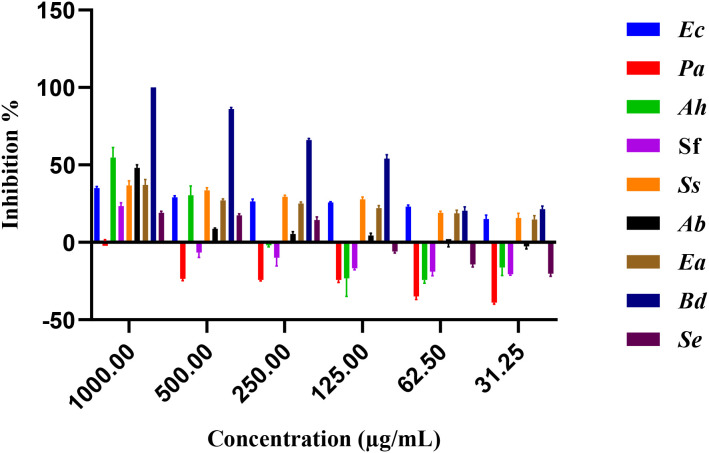 Figure 3
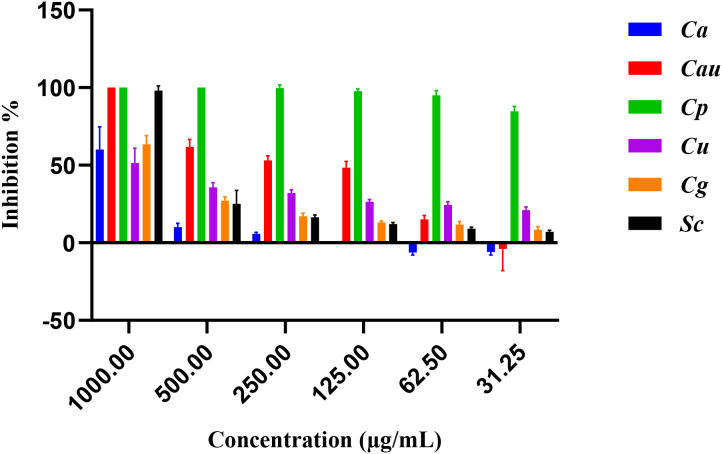 Figure 4
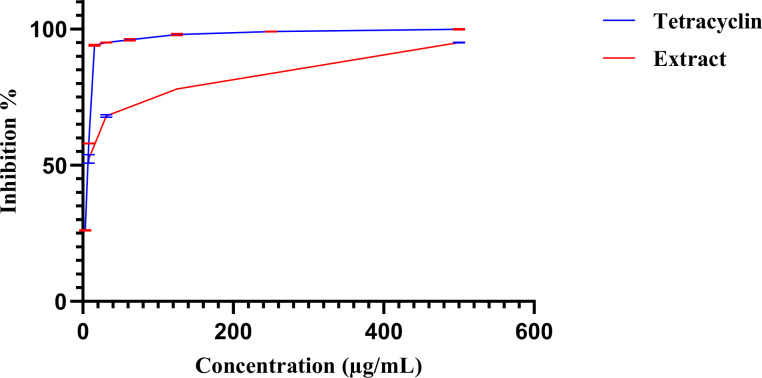 Figure 5
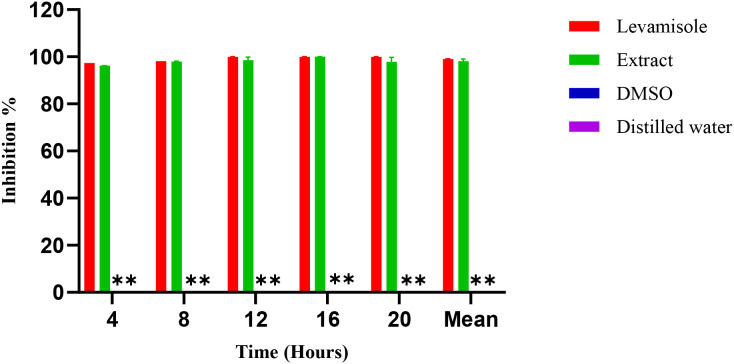 Figure 6
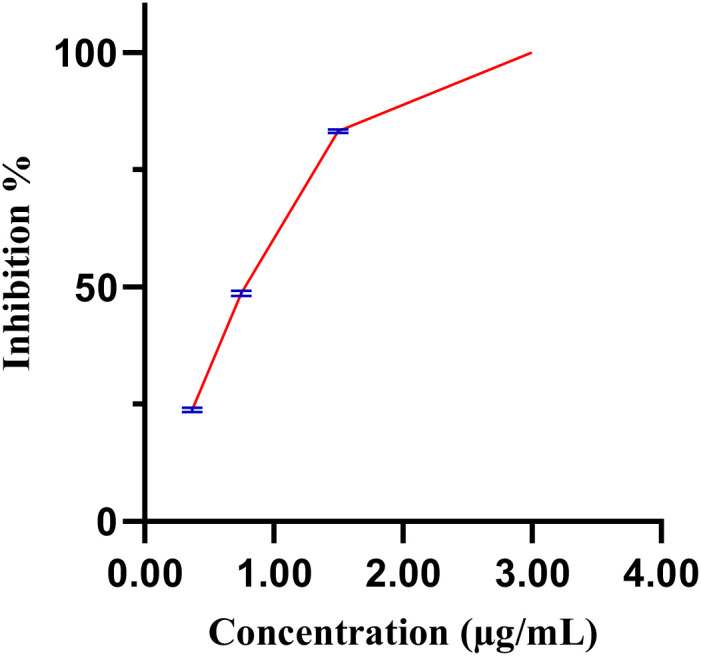 Figure 7
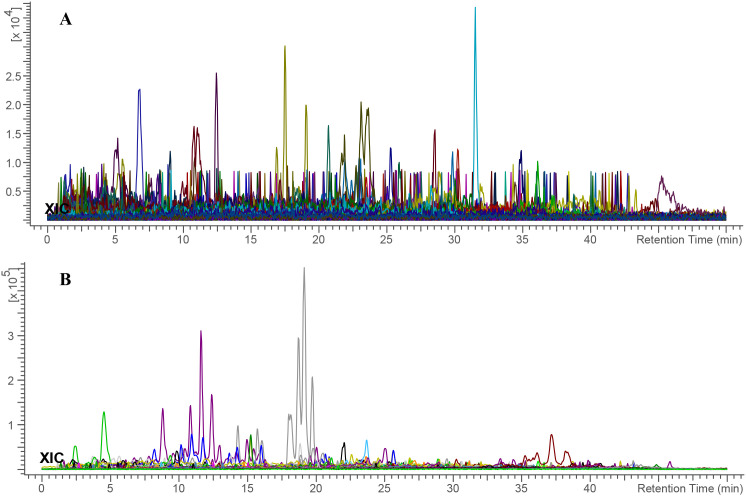 Figure 8
Peer Reviews
No public reviews on file for this paper yet. If you reviewed it on a platform where reviews are public (OpenReview, ICLR, NeurIPS, ICML), you can paste yours below so the community can read it here.
Videos
No videos yet. Explain this paper in a talk, walkthrough, or lecture? Add one.
Taxonomy
TopicsPlant Toxicity and Pharmacological Properties · Plant chemical constituents analysis · Alkaloids: synthesis and pharmacology