Exploring the molecular mechanism of EGCG in preventing obesity-induced precocious puberty based on serum metabolomics and molecular docking
Shiyu Gao, Lina Xia, Chenzhenghao Jiang, Bang Shao, Ying Shao, Xiaojing Li, Peiying Wu, Jieyi He, Qiujv Du, Lingwei Liang, Qiuyun Gu

TL;DR
This study explores how EGCG prevents obesity-related early puberty in mice by altering lipid metabolism and identifying key enzymes as potential targets.
Contribution
The study identifies specific enzymes in lipid metabolism as potential targets for EGCG in preventing obesity-induced precocious puberty.
Findings
EGCG significantly altered the serum metabolite profile, particularly affecting lipid metabolism.
Glycerophospholipid metabolism was identified as the key pathway modulated by EGCG.
Phosphatidylserine decarboxylase, phospholipase D, and phosphatidylserine synthase were highlighted as potential targets.
Abstract
Obesity-induced precocious puberty presents serious health risks to adolescents. Building on our previous finding that epigallocatechin gallate (EGCG) exhibits a preventive effect on obesity-induced precocious puberty, the present study aims to elucidate the underlying molecular mechanisms. Female C57BL/6 mice were divided into four groups: control, normal diet + EGCG, high-fat diet (HFD), and HFD + EGCG. Body weight, vaginal opening time, and serum samples were analyzed to assess the effects of EGCG on obesity-induced precocious puberty, using serum metabolomics and molecular docking. EGCG treatment significantly altered the serum metabolite profile, particularly affecting lipid metabolism. Glycerophospholipid metabolism emerged as the key pathway modulated by EGCG. Molecular docking identified phosphatidylserine decarboxylase, phospholipase D, and phosphatidylserine synthase as…
Genes, proteins, chemicals, diseases, species, mutations and cell lines named across the full text — each resolved to its canonical identifier and authoritative record.
Click any figure to enlarge with its caption.
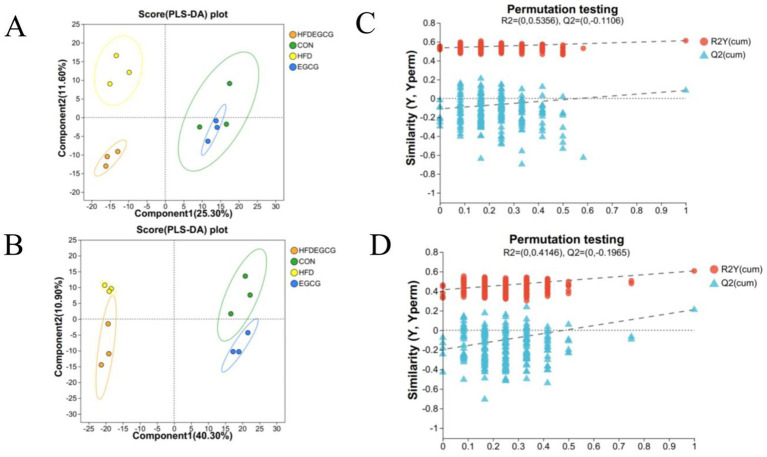 Figure 1
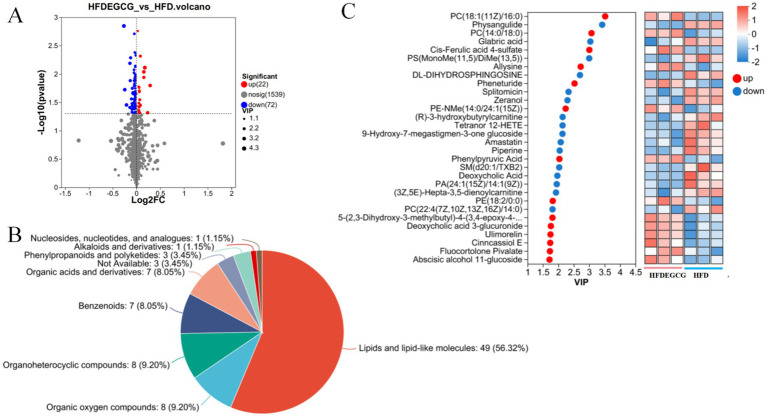 Figure 2
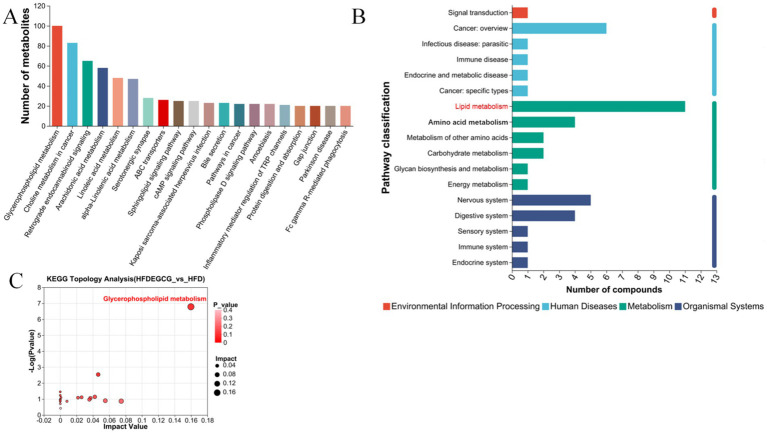 Figure 3
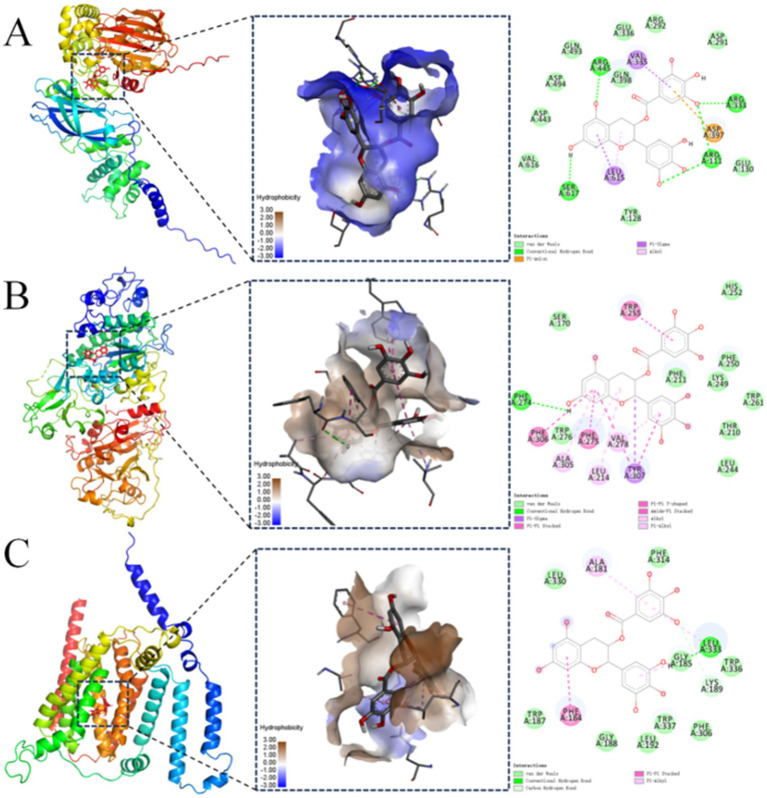 Figure 4
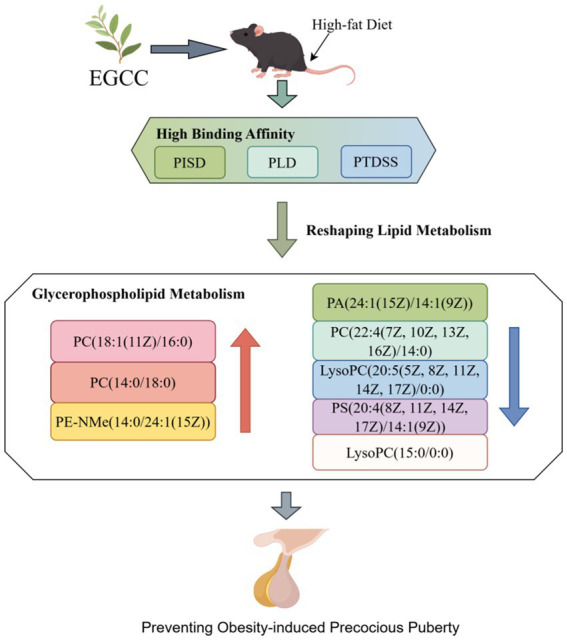 Figure 5
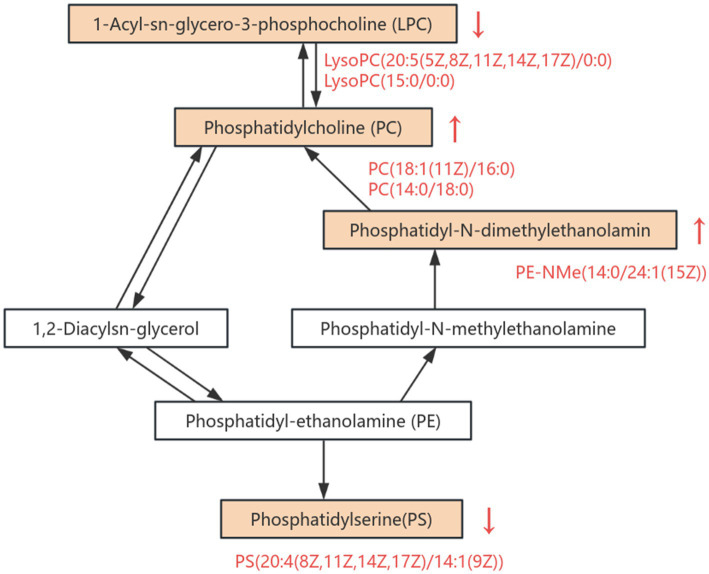 Figure 6
Peer Reviews
No public reviews on file for this paper yet. If you reviewed it on a platform where reviews are public (OpenReview, ICLR, NeurIPS, ICML), you can paste yours below so the community can read it here.
Videos
No videos yet. Explain this paper in a talk, walkthrough, or lecture? Add one.
Taxonomy
TopicsHypothalamic control of reproductive hormones · Peroxisome Proliferator-Activated Receptors · Adipokines, Inflammation, and Metabolic Diseases