Demystifying metabolic‒immune crosstalk: how amino acid metabolic reprogramming shapes the malignant phenotype and macrophage polarization of biliary and pancreatic tumors
Jinglei Zhang, Zhuohuan Chu, Jiawen Li, Lu Xie, Cong Ding, Zihui An, Xiang Wang, Hangbin Jin, Xiaofeng Zhang, Qiang Liu, Jianfeng Yang

TL;DR
This paper explores how changes in amino acid metabolism affect biliary and pancreatic tumors and their associated immune cells, aiming to find new treatment strategies.
Contribution
The paper reviews how amino acid metabolic reprogramming influences tumor progression and macrophage polarization in biliary and pancreatic cancers, offering new therapeutic insights.
Findings
Amino acid metabolic reprogramming supports tumor cell energy and alters the tumor microenvironment.
Tumor cells compete with macrophages for amino acids, influencing immune tolerance and macrophage polarization.
Understanding these metabolic-immune interactions could lead to better diagnostic and therapeutic approaches for biliary and pancreatic cancers.
Abstract
Biliary and pancreatic malignant tumors refer to biliary tract carcinoma (BTC) and pancreatic cancer (PC), among which BTC mainly includes cholangiocarcinoma (CCA) and gallbladder cancer (GBC), and their prognosis is poor because of the lack of effective early diagnostic methods. Although surgical resection is the preferred method for a cure, treatment options are limited for patients with advanced tumors. Therefore, the exploration of other new treatment methods is urgently needed. Currently, metabolic reprogramming is a key mechanism in the process of tumor development and progression and is closely related to cancer cell proliferation, metastasis and drug resistance. As an indispensable part of metabolic reprogramming in tumor cells, amino acid (AA) metabolic reprogramming provides an energy source for tumor cells and participates in regulating the tumor microenvironment (TME).…
Genes, proteins, chemicals, diseases, species, mutations and cell lines named across the full text — each resolved to its canonical identifier and authoritative record.
Click any figure to enlarge with its caption.
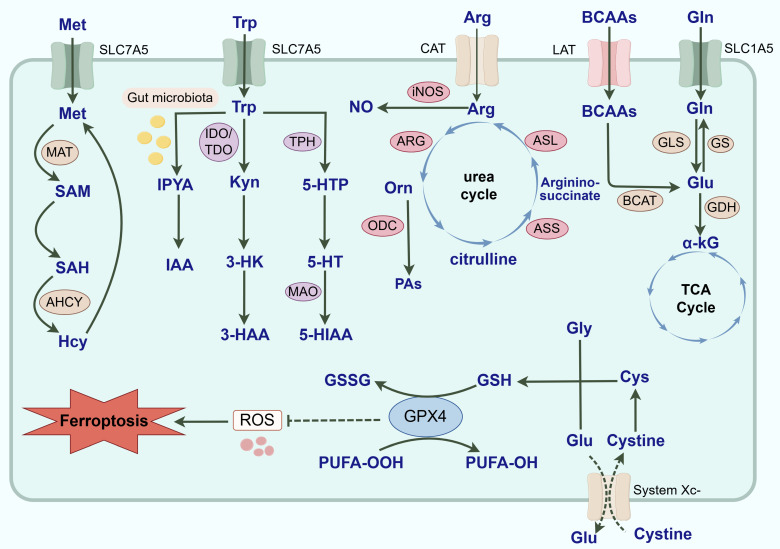 Figure 1
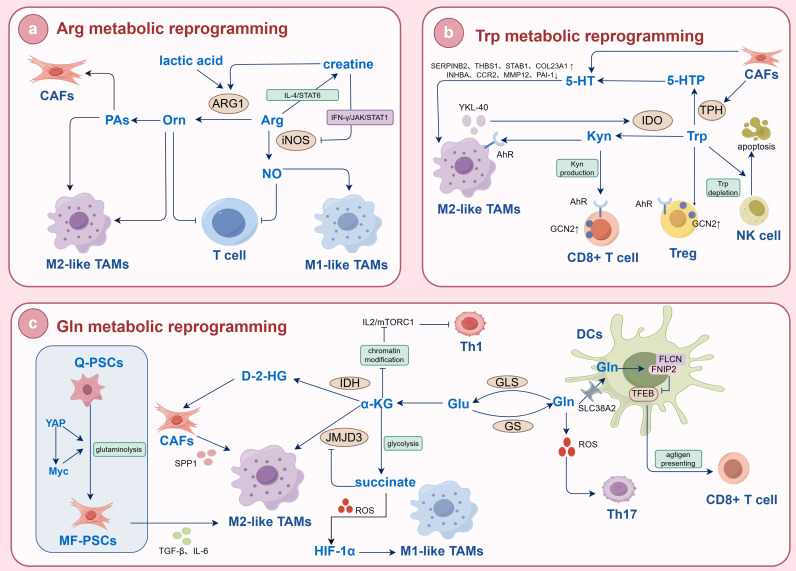 Figure 2
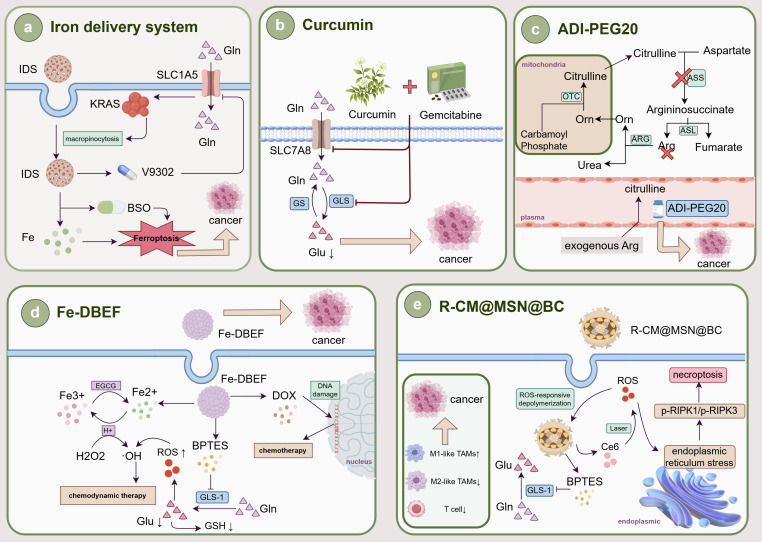 Figure 3
Peer Reviews
No public reviews on file for this paper yet. If you reviewed it on a platform where reviews are public (OpenReview, ICLR, NeurIPS, ICML), you can paste yours below so the community can read it here.
Videos
No videos yet. Explain this paper in a talk, walkthrough, or lecture? Add one.
Taxonomy
TopicsCancer, Hypoxia, and Metabolism · Immune cells in cancer · Cancer Research and Treatments