Tai Chi Postures and Joint Health: A Comparative Study of Professional and Amateur Practitioners
Cenyi Wang, Xiaohan Wang, Yiwen Liu, Wenbo Wan, Ganfeng Yang, Qinfang Lu

TL;DR
The study compares joint loads in high and low Tai Chi postures among professionals and amateurs, finding that lower postures increase knee and ankle stress.
Contribution
This study provides new insights into how posture and skill level affect joint loading during Tai Chi movements.
Findings
Low Tai Chi postures cause higher knee and ankle joint peak moments compared to high postures.
Amateurs show higher ankle joint stress than professionals during certain movements.
Skill level and posture are positively correlated with joint loading in lower limb joints.
Abstract
This study aimed to compare the knee and ankle joint load characteristics of high and low Tai Chi postures, focusing on three typical Tai Chi movements: Wild Horse Mane (WHM), Repulse Monkey (RM), and Wave Hand in Cloud (WHC). It further explored how different postures affect lower limb loading in practitioners with varying skill levels to provide optimal guidance for Tai Chi practice. A total of 26 male participants were enrolled, divided into the professional group (PG, n = 13) and the interest group (IG, n = 15). A three‐dimensional (3D) high‐speed motion capture system was employed to record participants’ Tai Chi movements, while a force platform was used concurrently to collect kinematic and dynamic data. For the knee joint, both groups exhibited significantly higher peak moments in the sagittal and coronal planes during the low posture than the high posture across all three…
Genes, proteins, chemicals, diseases, species, mutations and cell lines named across the full text — each resolved to its canonical identifier and authoritative record.
Click any figure to enlarge with its caption.
 Figure 1
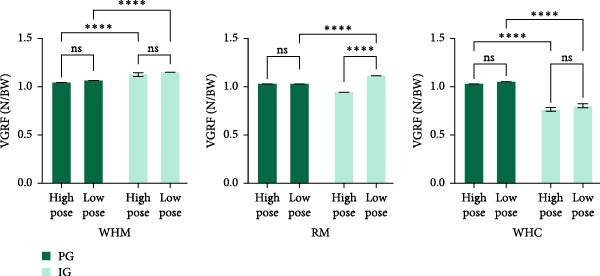 Figure 2
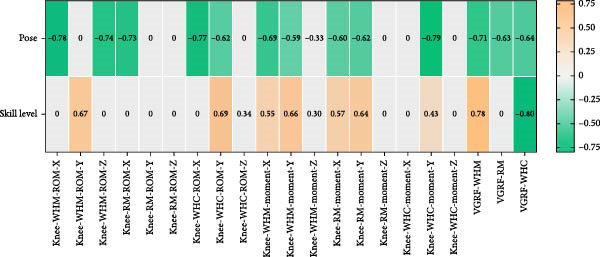 Figure 3
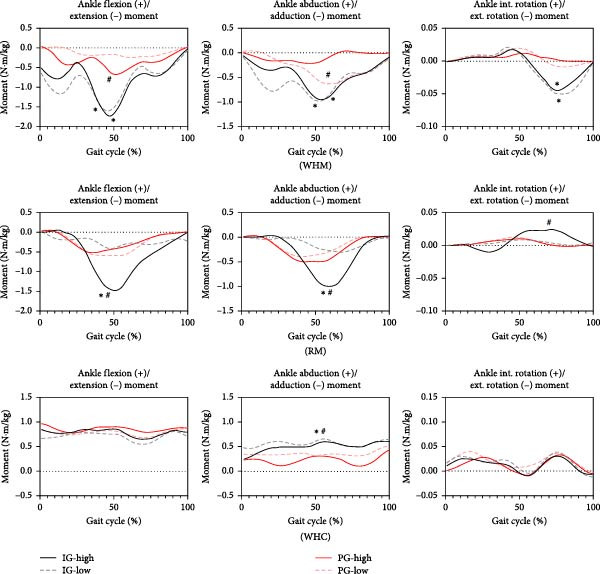 Figure 4
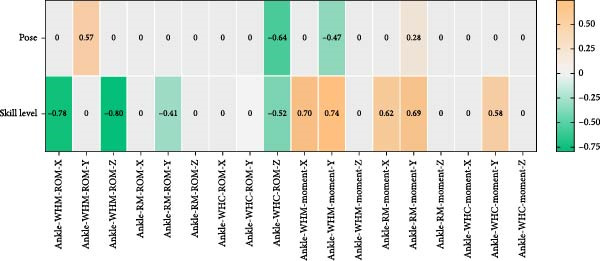 Figure 5
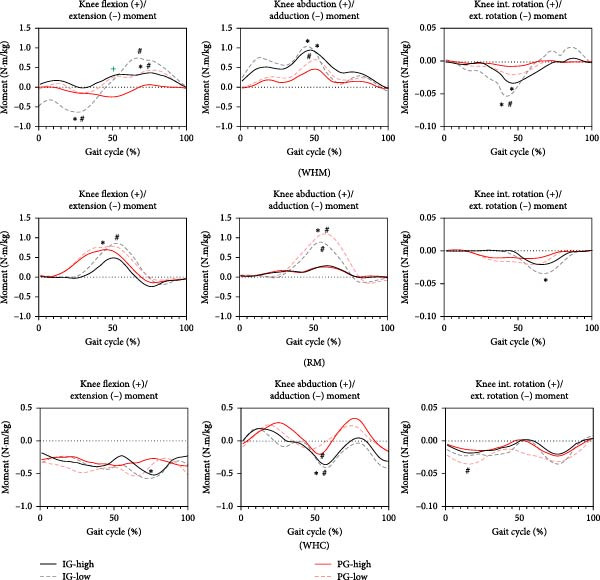 Figure 6
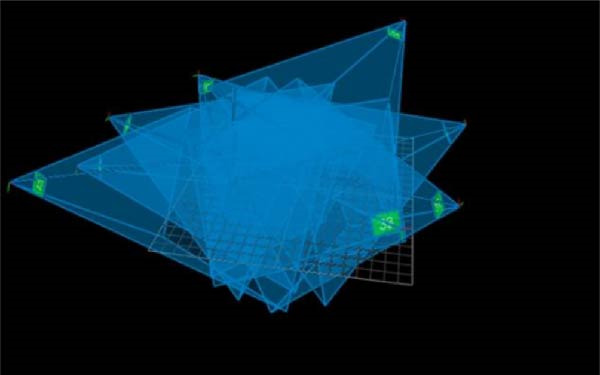 Figure 7
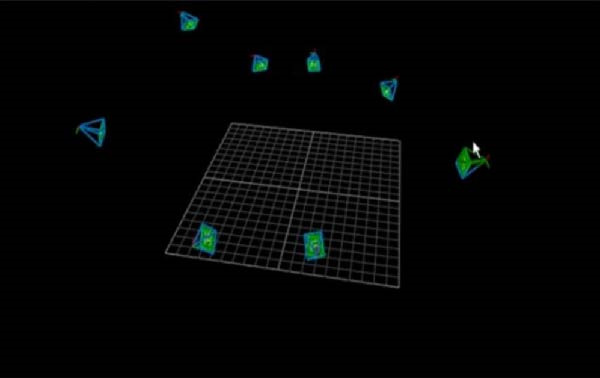 Figure 8
Peer Reviews
No public reviews on file for this paper yet. If you reviewed it on a platform where reviews are public (OpenReview, ICLR, NeurIPS, ICML), you can paste yours below so the community can read it here.
Videos
No videos yet. Explain this paper in a talk, walkthrough, or lecture? Add one.
Taxonomy
TopicsSports injuries and prevention · Musculoskeletal pain and rehabilitation · Balance, Gait, and Falls Prevention