Low-dose methotrexate adverse reaction risk in renal impairment: pharmacovigilance and physiological pharmacokinetic model assessment
Lichang Zhang, Jianling Li, Xin Wang, Yaolei Zhang, Sen Gao, Deshi Dong, Yanna Zhu, Shilei Yang

TL;DR
Low-dose methotrexate increases adverse reaction risks in patients with kidney impairment, especially from stage 2 chronic kidney disease, according to pharmacovigilance and modeling.
Contribution
Combines pharmacovigilance data and a PBPK model to assess LD-MTX risks in renal impairment, identifying risk thresholds from CKD stage 2.
Findings
Pharmacovigilance analysis showed increased risks of hematological, hepatic, and pulmonary adverse events with methotrexate in renal impairment.
PBPK modeling and RCS analysis identified that adverse reaction risks increase starting from CKD stage 2.
Dose adjustments and monitoring are recommended for patients with CKD stage 2 or higher on LD-MTX.
Abstract
Low-dose methotrexate (LD-MTX), a treatment regimen involving weekly doses ≤20 mg, is widely used in rheumatoid arthritis. Methotrexate (MTX) is primarily excreted via the kidneys. However, the assessment protocol for the adverse reaction risk threshold of the LD-MTX dosing regimen in renal impairment remains inadequate. This study aims to use pharmacovigilance analysis and physiologically-based pharmacokinetic (PBPK) model to combine the analysis of the risk of adverse reactions of LD-MTX in patients with renal impairment. Collected and analyzed disproportionate signals from adverse reaction reports on MTX in patients with renal impairment from the FDA Adverse Event Reporting System (FAERS) from Q1 2004 to Q3 2024. The restricted cubic spline (RCS) model explored the nonlinear relationship between MTX maximum plasma concentration and dose to derive risk thresholds. The PBPK model was…
Genes, proteins, chemicals, diseases, species, mutations and cell lines named across the full text — each resolved to its canonical identifier and authoritative record.
Click any figure to enlarge with its caption.
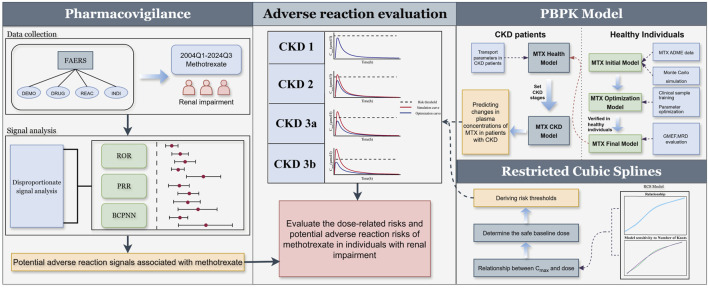 Figure 1
 Figure 2
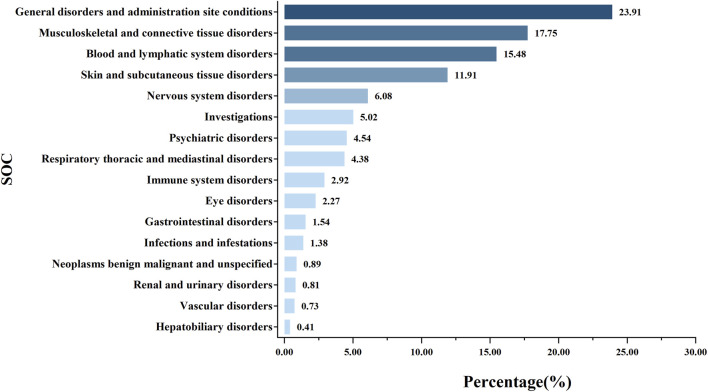 Figure 3
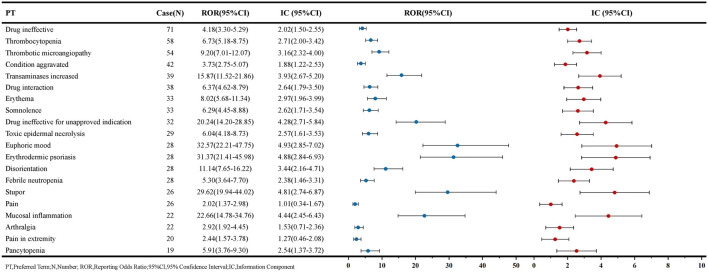 Figure 4
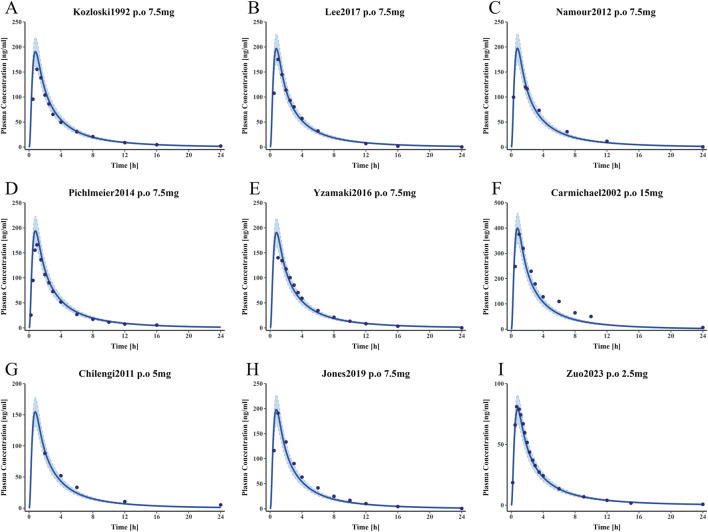 Figure 5
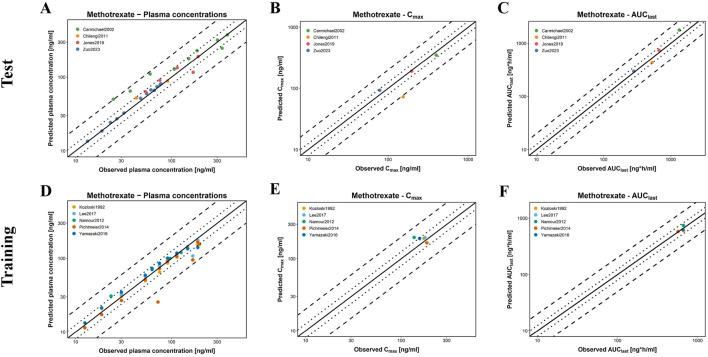 Figure 6
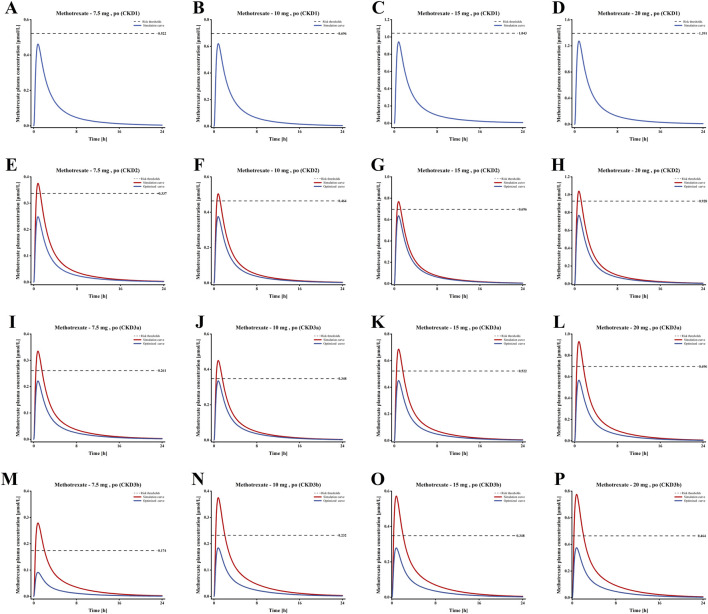 Figure 7
Peer Reviews
No public reviews on file for this paper yet. If you reviewed it on a platform where reviews are public (OpenReview, ICLR, NeurIPS, ICML), you can paste yours below so the community can read it here.
Videos
No videos yet. Explain this paper in a talk, walkthrough, or lecture? Add one.
Taxonomy
TopicsPharmacovigilance and Adverse Drug Reactions · Acute Lymphoblastic Leukemia research · Nephrotoxicity and Medicinal Plants