CCL2 supports human hepatocytes long-term expansion for bioartificial liver therapy to relieve acute liver failure and extrahepatic complications
Zibin Zhan, Xuewen Liu, Min Zeng, Zehua Li, Yue Zhang, Xueyan Qiao, Xinming Li, Xianfeng Xia, Kunhao Bai, Fanhong Zeng, Yi Gao, Jun Weng

TL;DR
Scientists found that CCL2 helps human liver cells grow long-term in the lab, which could lead to better treatments for severe liver failure.
Contribution
CCL2 is identified as a key factor enabling long-term expansion of human hepatocytes for bioartificial liver therapy.
Findings
CCL2 promotes long-term expansion of human primary hepatocytes over 30 passages.
CCL2-mediated hepatocyte proliferation supports bioartificial liver therapy in a porcine model.
BAL therapy using CCL2 improves survival rates in acute liver failure by protecting extrahepatic organs.
Abstract
The lack of expandable human hepatocytes in vitro hampers the clinical application of the bioartificial liver. Previous studies have shown that chemical cocktails containing growth factors can support long-term expansion of hepatocytes through dedifferentiation. Here, it is revealed that chemokine (C-C motif) ligand 2 (CCL2) is a key factor in liver regeneration. CCL2 could promote the long-term expansion (over 30 passages) of human primary hepatocytes and enhancing their proliferative efficiency. Subsequently, CCL2-mediated proliferation of hepatocytes can effectively expand in vitro, and repopulate the liver of Fah-/- mice following 2-(2-nitro-4-trifluoromethylbenzyol)-1,3- cyclohexanedione (NTBC) withdrawal. Further studies revealed that CCL2-mediated hepatocyte proliferation could yield a sufficient number of highly active and well-functioning hepatocytes, crucial for supporting…
Genes, proteins, chemicals, diseases, species, mutations and cell lines named across the full text — each resolved to its canonical identifier and authoritative record.
Click any figure to enlarge with its caption.
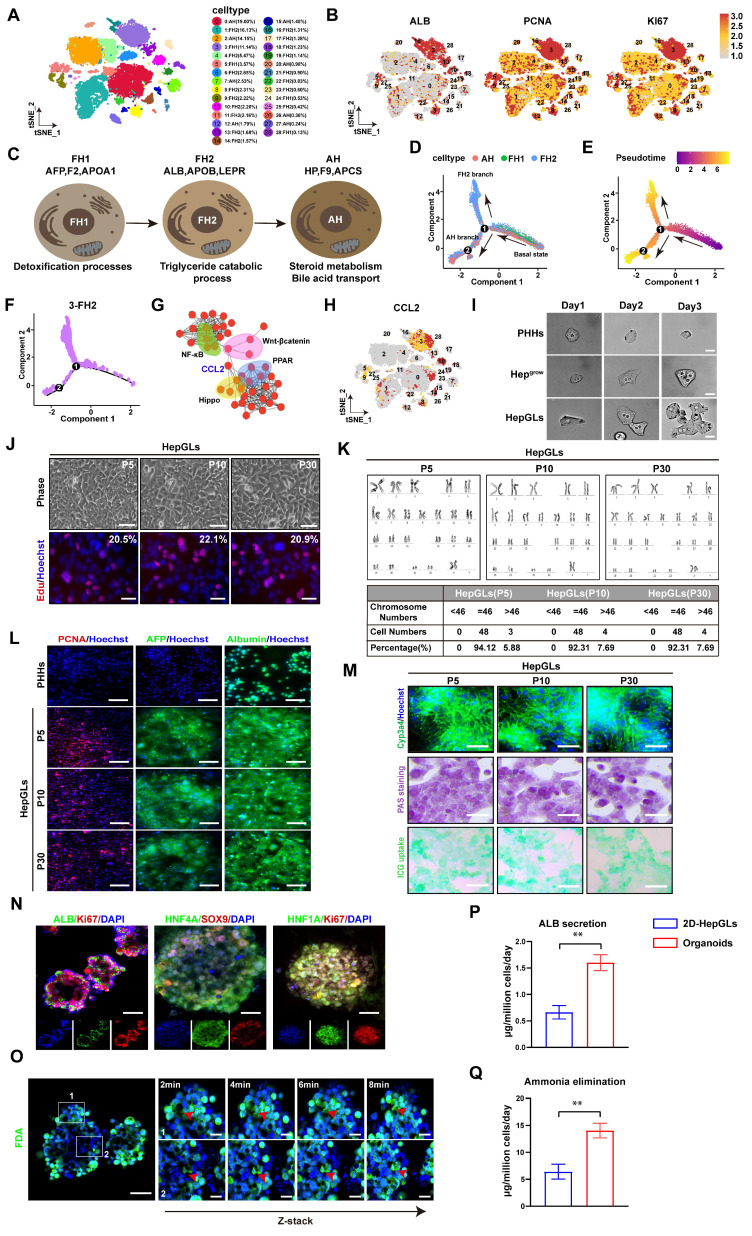 Figure 1
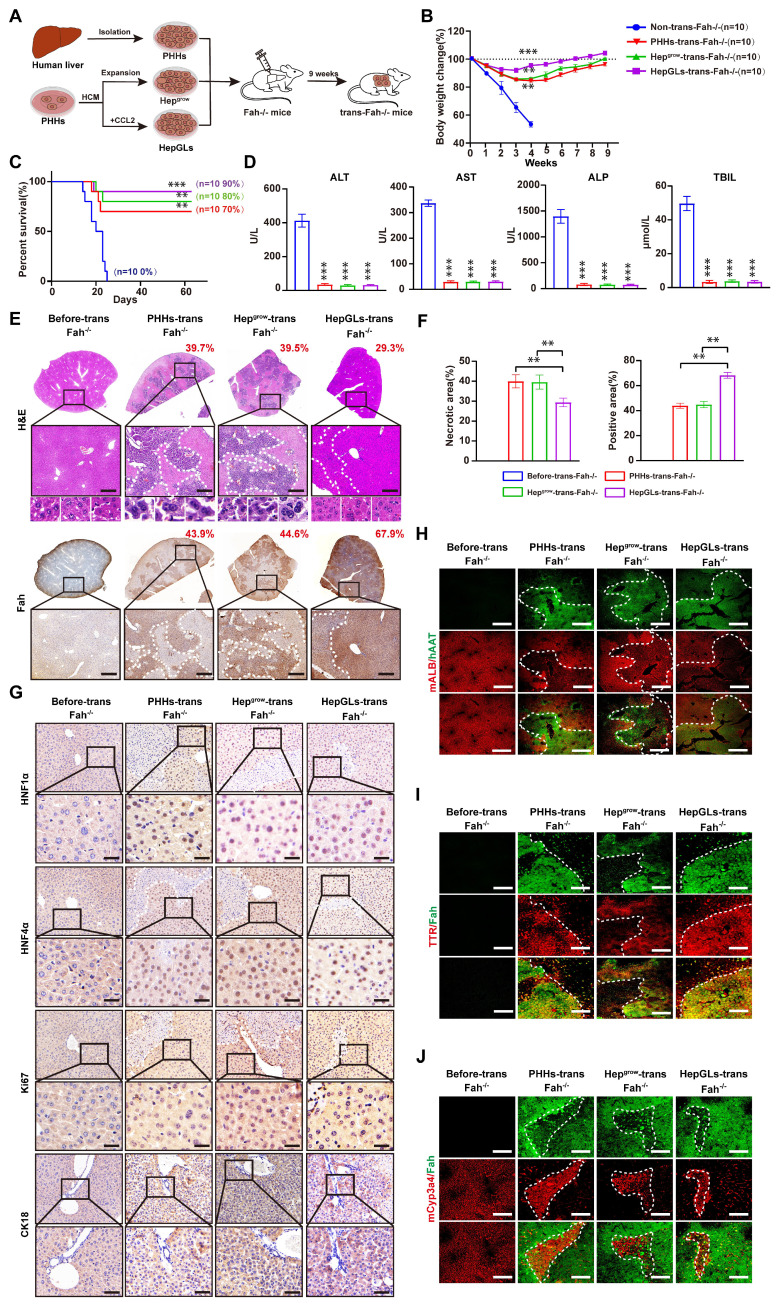 Figure 2
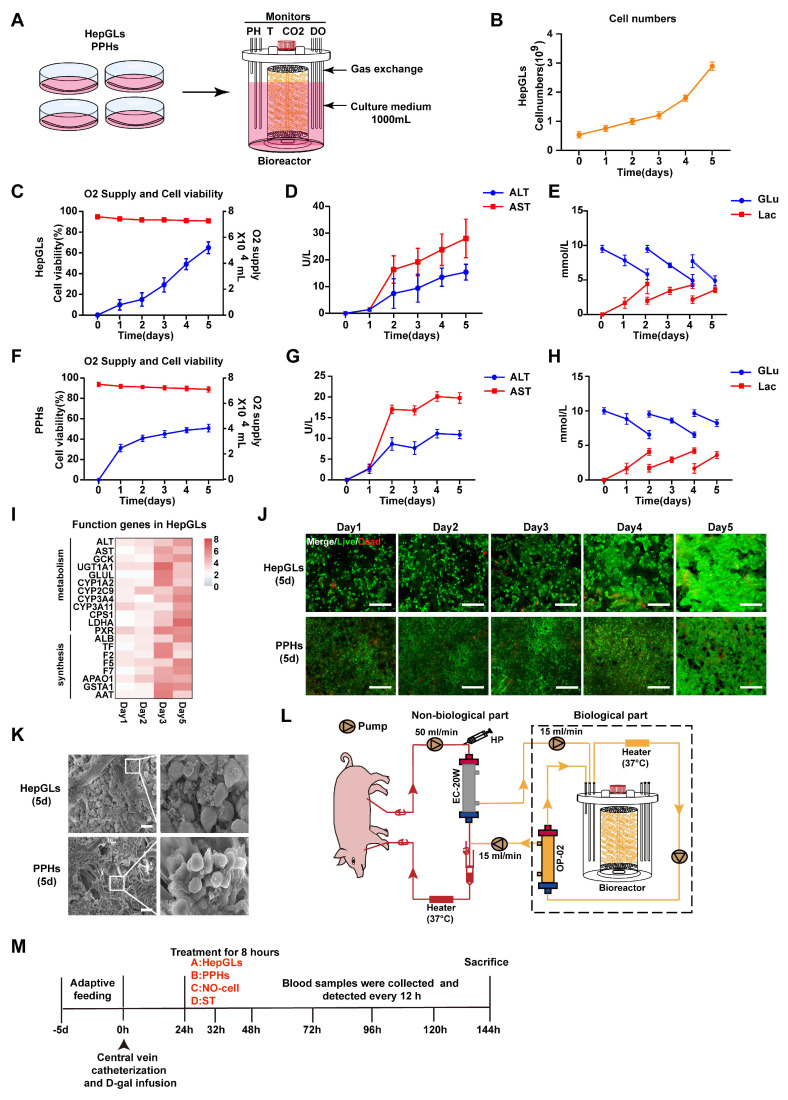 Figure 3
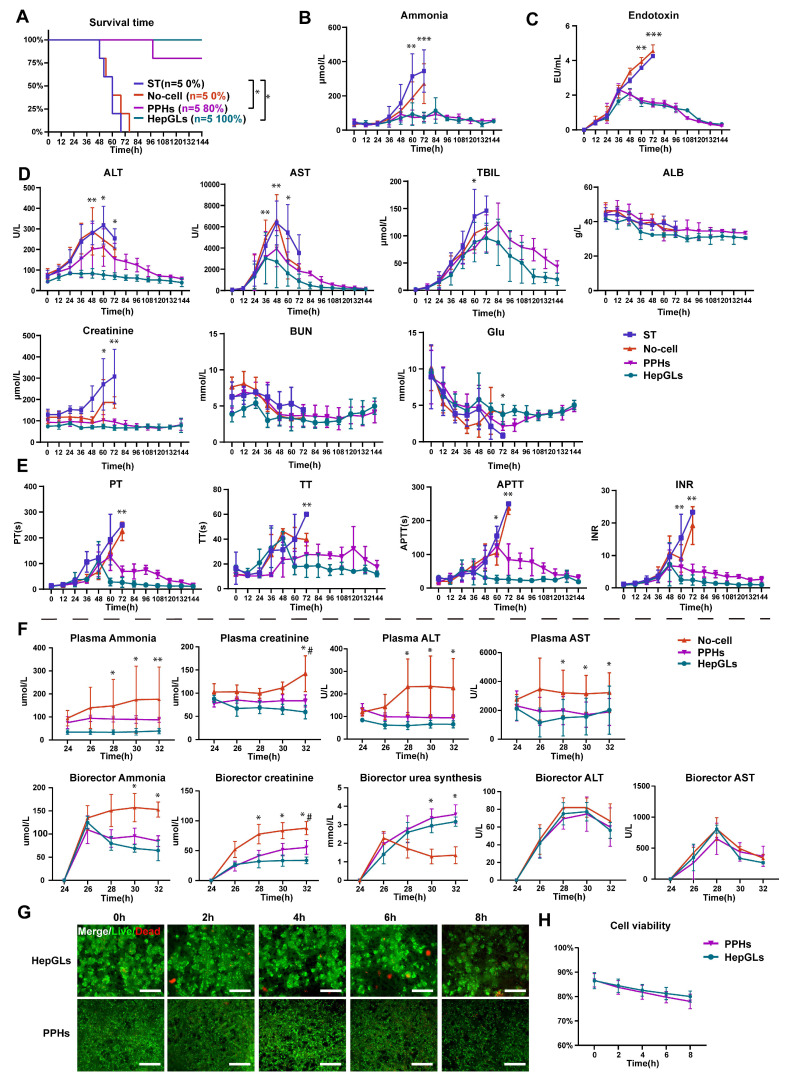 Figure 4
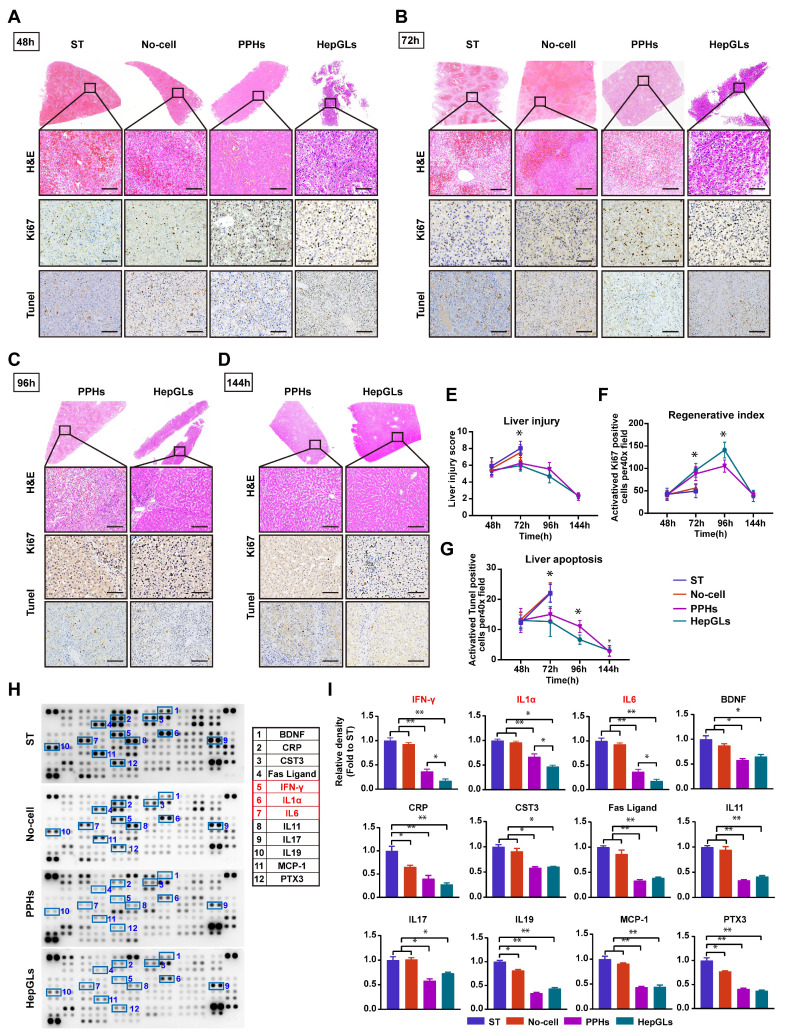 Figure 5
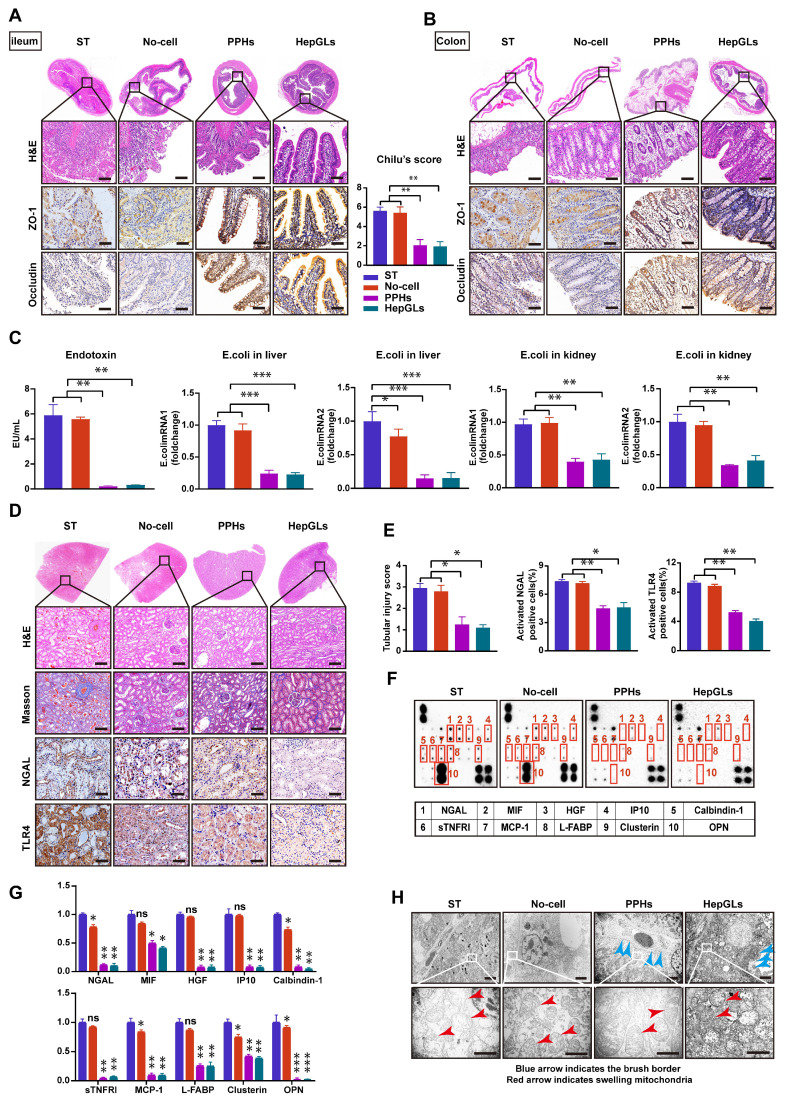 Figure 6
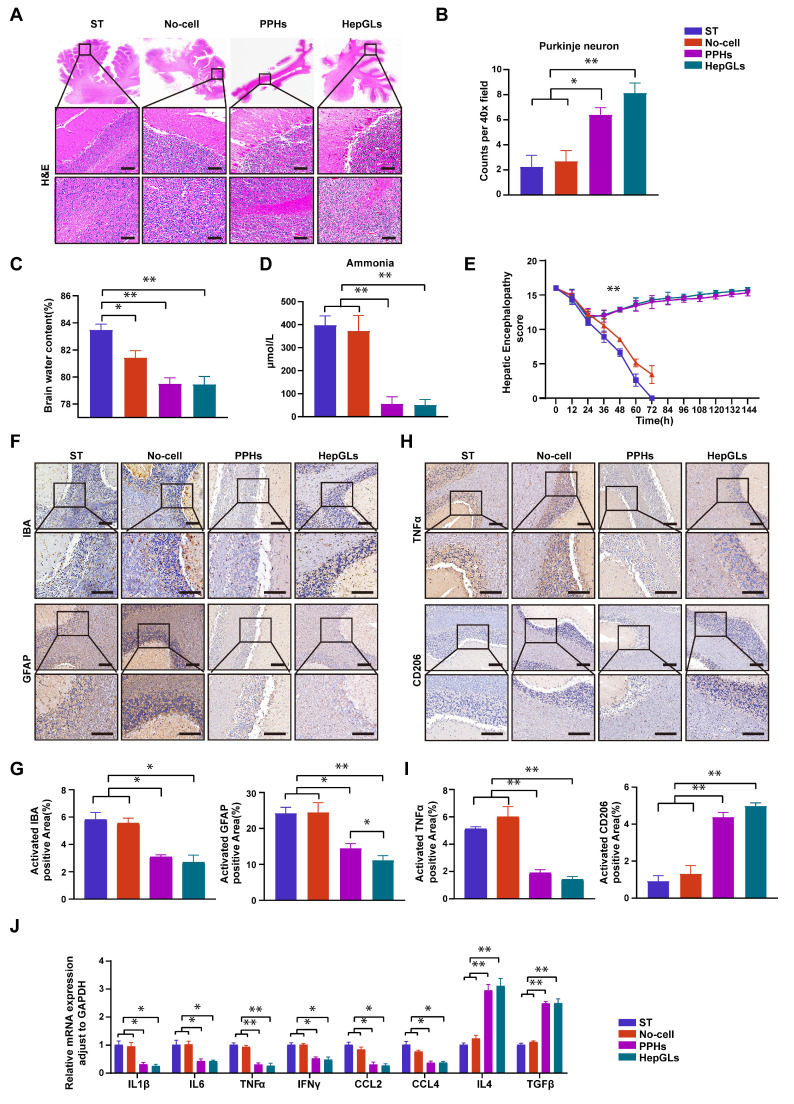 Figure 7
Peer Reviews
No public reviews on file for this paper yet. If you reviewed it on a platform where reviews are public (OpenReview, ICLR, NeurIPS, ICML), you can paste yours below so the community can read it here.
Videos
No videos yet. Explain this paper in a talk, walkthrough, or lecture? Add one.
Taxonomy
TopicsLiver physiology and pathology · Hepatocellular Carcinoma Treatment and Prognosis · Tissue Engineering and Regenerative Medicine