N-Homocysteinylation of HMGB1/2 Promotes Corpus Cavernosum Endothelial Senescence in Erectile Dysfunction
Peng Hu, Sen Fu, Beining Li, Xiaoyu Zhu, Bocheng Tu, Chenglin Han, Jiaxin Wang, Wenchao Xu, Xinqi Liu, Shiqing Zhu, Chengwei Wang, Zhiyao Deng, Yuxuan Deng, Sheng Xin, Jingyu Song, Jihong Liu, Kai Cui

TL;DR
This study reveals how homocysteine contributes to erectile dysfunction through a specific pathway involving endothelial cell aging and offers a new treatment approach.
Contribution
The study identifies the MARS1-HTL axis as a novel mechanism linking homocysteine to endothelial senescence in age-related erectile dysfunction.
Findings
Senescent endothelial cells show increased MARS1 activity, leading to homocysteine thiolactone production and N-homocysteinylation.
N-homocysteinylation, not acetylation, drives HMGB1/2 release and amplifies the senescence-associated secretory phenotype.
N-acetylcysteine reduces homocysteine thiolactone and improves erectile function in middle-aged individuals with high homocysteine.
Abstract
Homocysteine (Hcy) is an age-related risk factor for erectile dysfunction (ED), with enhanced vascular toxicity in middle-aged and elderly individuals. However, folate-based Hcy-lowering therapies have shown limited efficacy, necessitating a reevaluation of its age-dependent pathogenic mechanism. Here, we demonstrate that senescent endothelial cells exhibit heightened responsiveness of methionyl-tRNA synthetase 1 (MARS1) to Hcy, promoting the production of homocysteine thiolactone (HTL) and widespread N-homocysteinylation (K-Hcy) of proteins. K-Hcy, rather than acetylation, drives cytoplasmic translocation and extracellular release of high mobility group box proteins 1 and 2 (HMGB1/2), amplifying the senescence-associated secretory phenotype (SASP). Competitive inhibition of MARS1 with N-acetylcysteine (NAC) attenuates endothelial senescence and improves erectile function in middle-aged…
Genes, proteins, chemicals, diseases, species, mutations and cell lines named across the full text — each resolved to its canonical identifier and authoritative record.
Click any figure to enlarge with its caption.
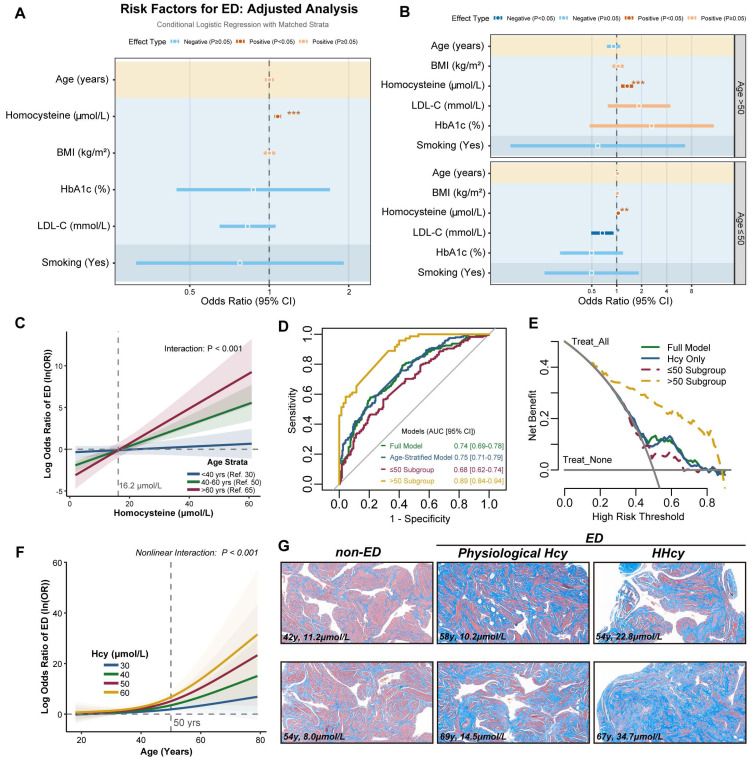 Figure 1
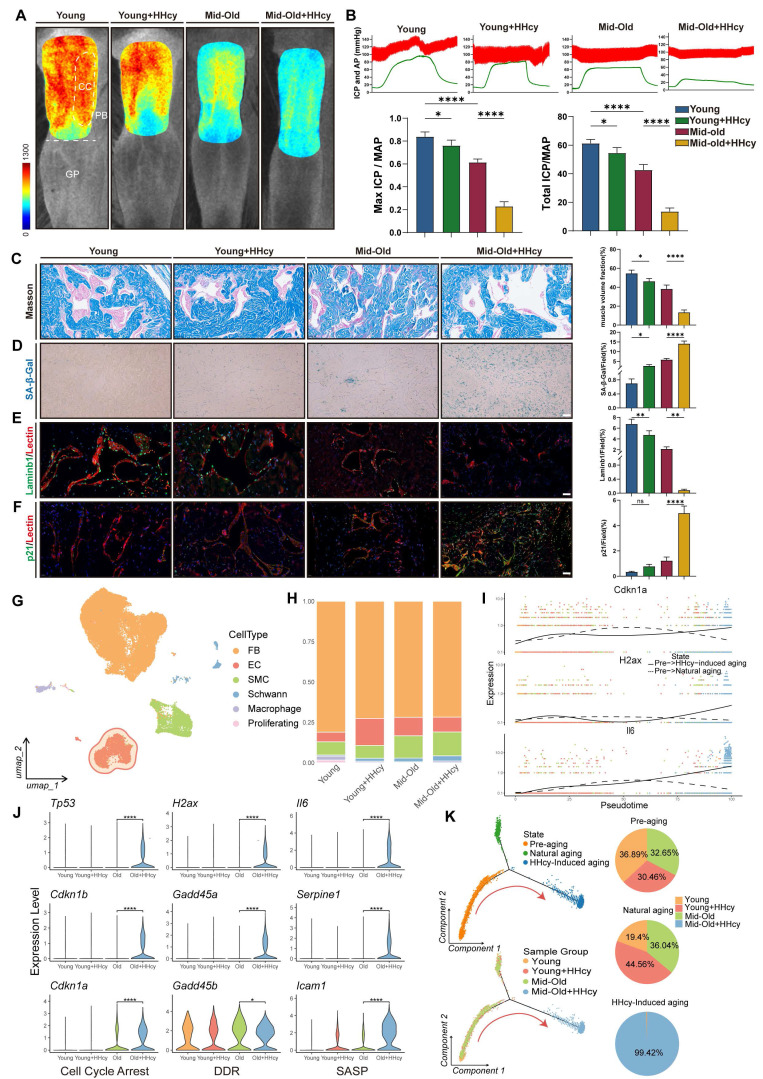 Figure 2
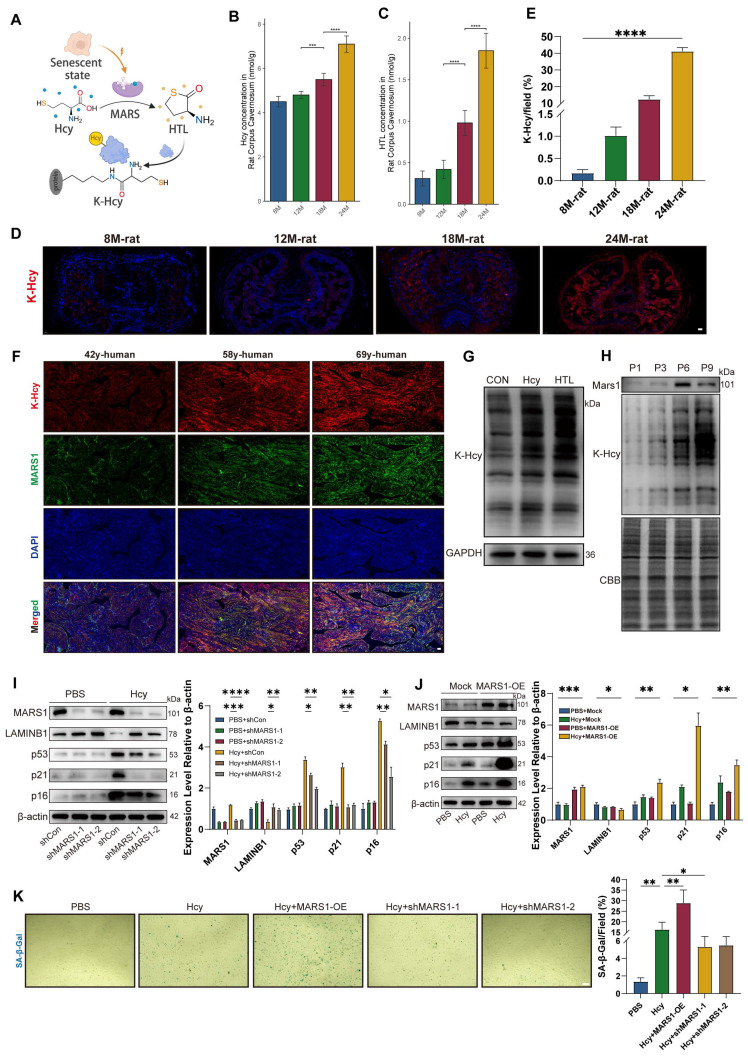 Figure 3
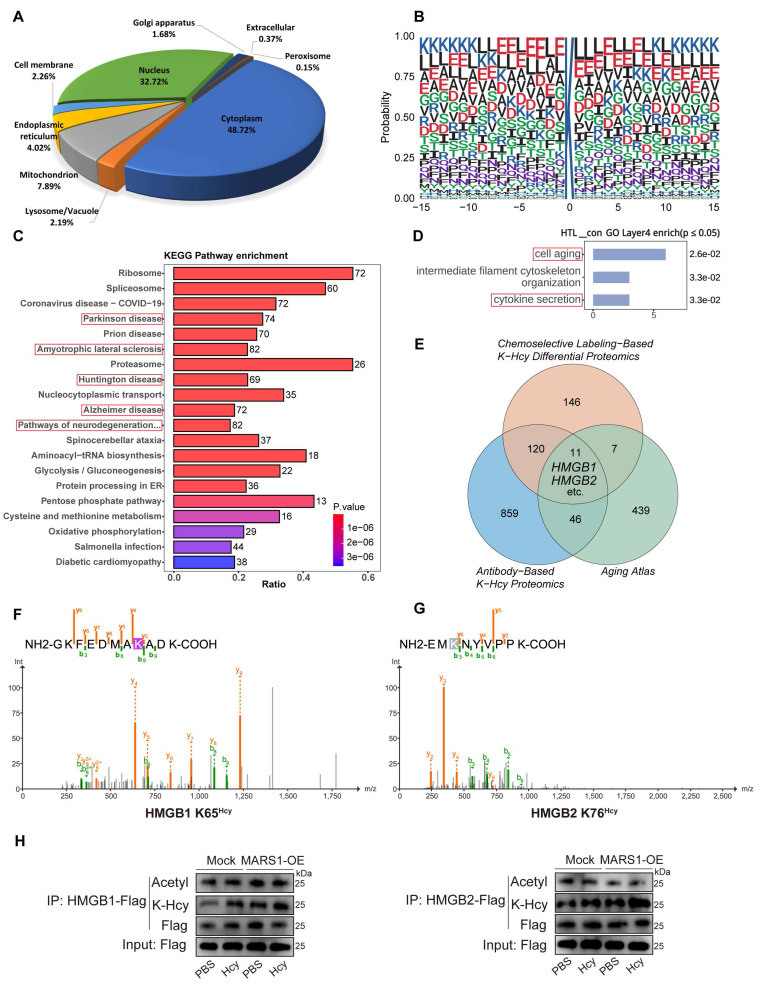 Figure 4
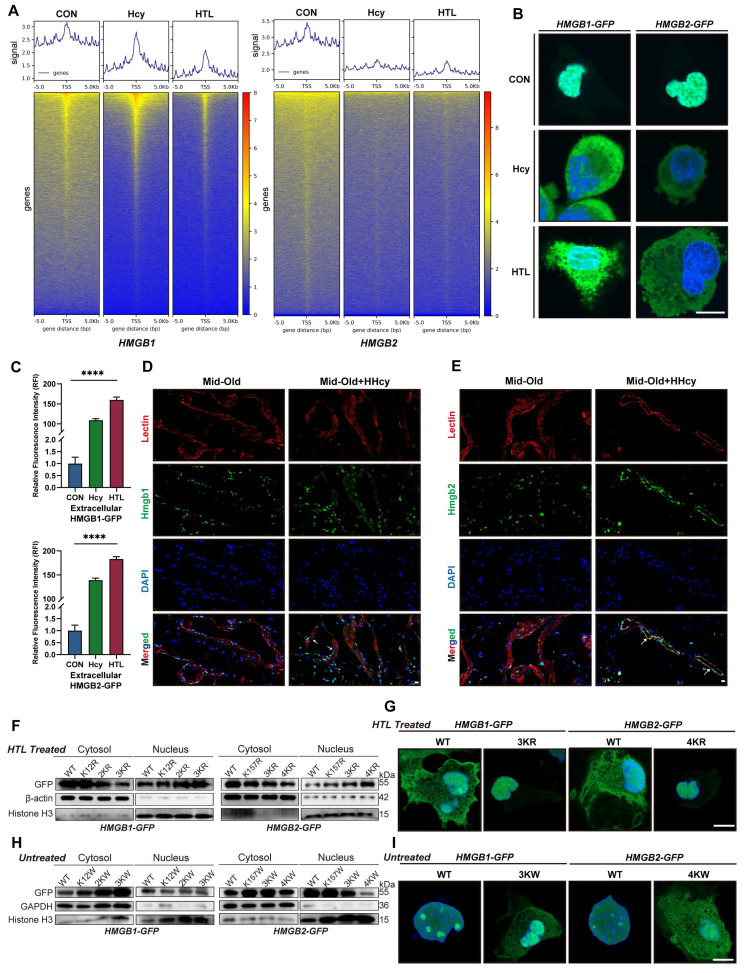 Figure 5
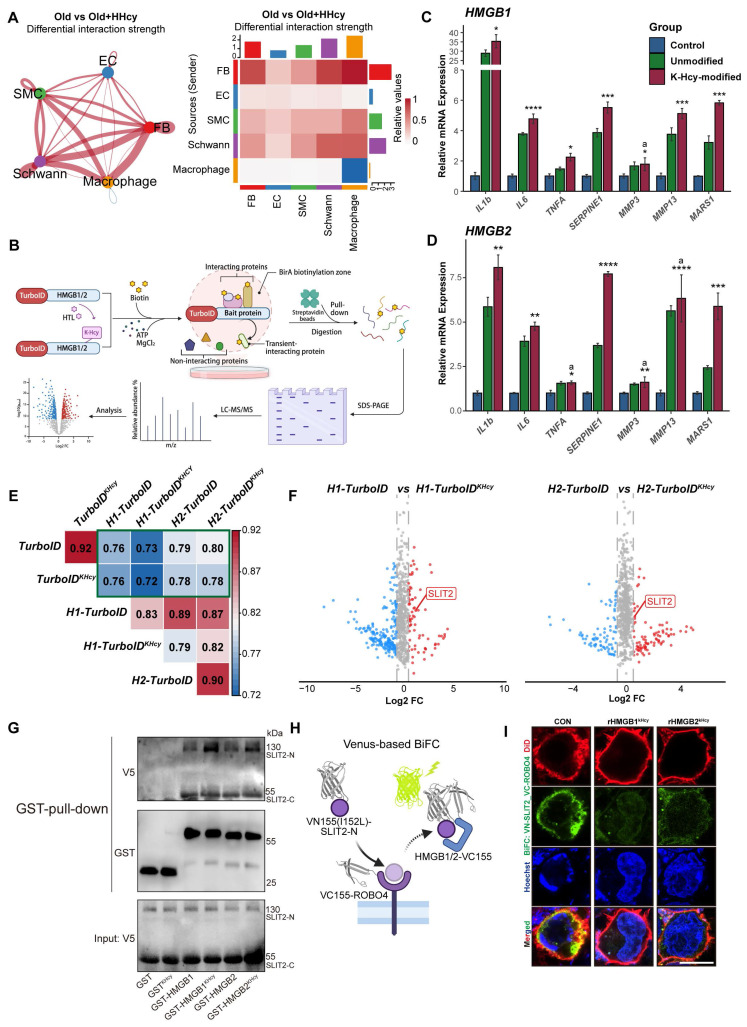 Figure 6
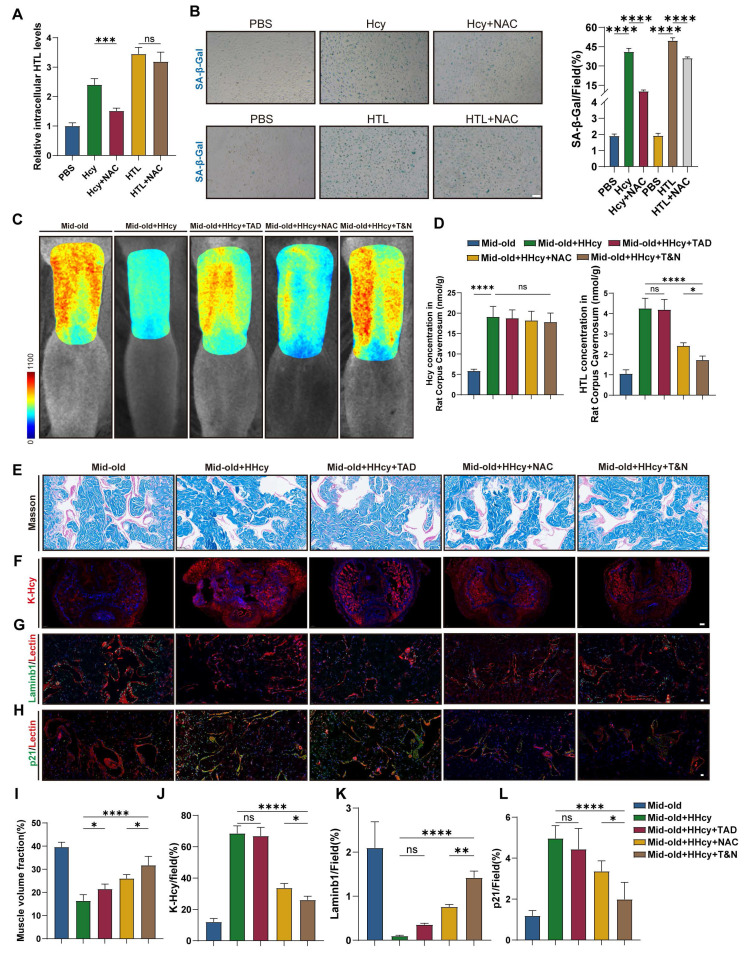 Figure 7
Peer Reviews
No public reviews on file for this paper yet. If you reviewed it on a platform where reviews are public (OpenReview, ICLR, NeurIPS, ICML), you can paste yours below so the community can read it here.
Videos
No videos yet. Explain this paper in a talk, walkthrough, or lecture? Add one.
Taxonomy
TopicsFolate and B Vitamins Research · Epigenetics and DNA Methylation · Sulfur Compounds in Biology