Regulators of homologous recombination deficiency identified by machine learning using somatic multi-omics data
Renan Valieris, Lucas Rosa, Luan Martins, Alexandre Defelicibus, Dirce Maria Carraro, Diana Noronha Nunes, Emmanuel Dias-Neto, Rafael Rosales, Israel Tojal da Silva

TL;DR
This study uses machine learning and multi-omics data to discover new genetic factors linked to homologous recombination deficiency in various cancers.
Contribution
The study introduces a machine learning framework that identifies novel regulators of homologous recombination deficiency beyond BRCA1/2.
Findings
The model achieved high predictive performance using somatic multi-omics data from over 8,000 patients.
SHAP-based analysis revealed shared and cancer-specific molecular determinants of HRD.
Findings expand the known HRD-associated alterations and suggest integrative AI can improve patient stratification for HR-targeted therapies.
Abstract
Using somatic multi-omics data and explainable artificial intelligence, this study identifies novel alterations underlying homologous recombination repair deficiency across cancers. Homologous recombination deficiency (HRD) is a critical biomarker for guiding targeted therapies, yet the full range of somatic alterations driving HRD across cancers remains incompletely characterized. Here, we present a tumor-agnostic machine learning framework that integrates somatic multi-omics data, including copy-number variations, single-nucleotide variants, DNA methylation, and gene expression from over 8,000 patients in The Cancer Genome Atlas. Using a genome-wide mutational signature–based HRD score as ground truth, our model achieved high predictive performance and leveraged SHAP-based explainability to uncover HRD regulators beyond BRCA1/2. Cross-tumor analysis revealed both shared and cancer…
Genes, proteins, chemicals, diseases, species, mutations and cell lines named across the full text — each resolved to its canonical identifier and authoritative record.
Click any figure to enlarge with its caption.
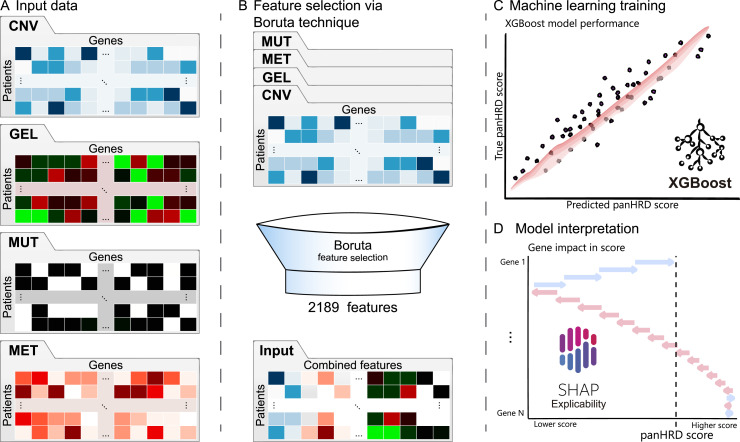 Figure 1
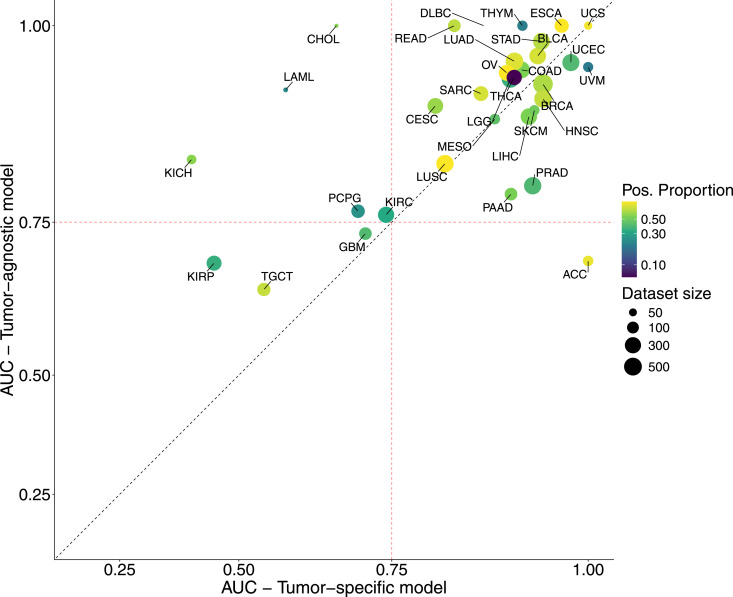 Figure 2
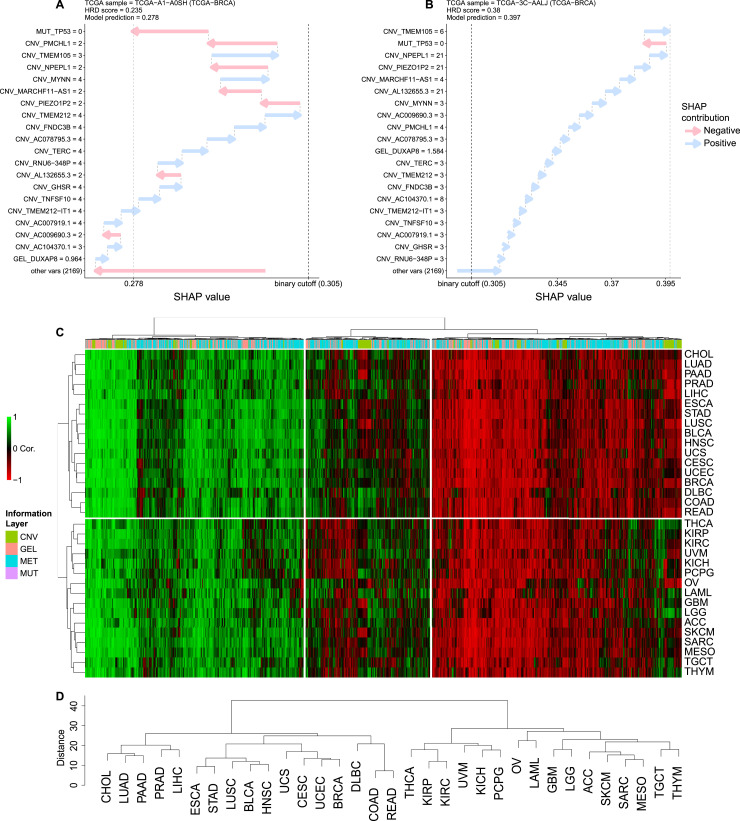 Figure 3
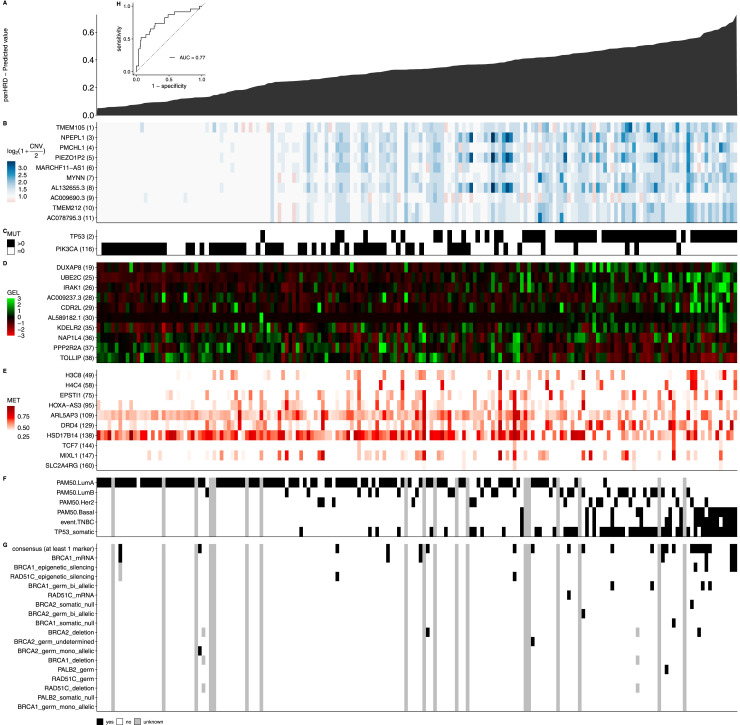 Figure 4
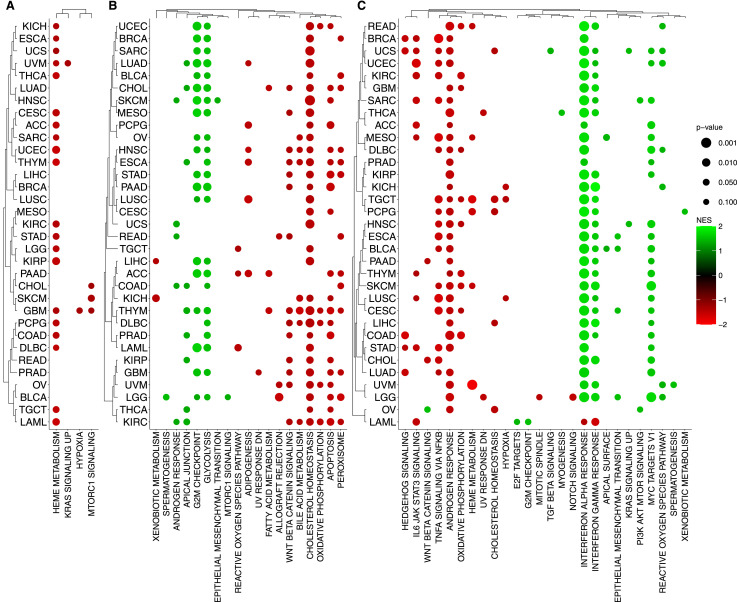 Figure 5
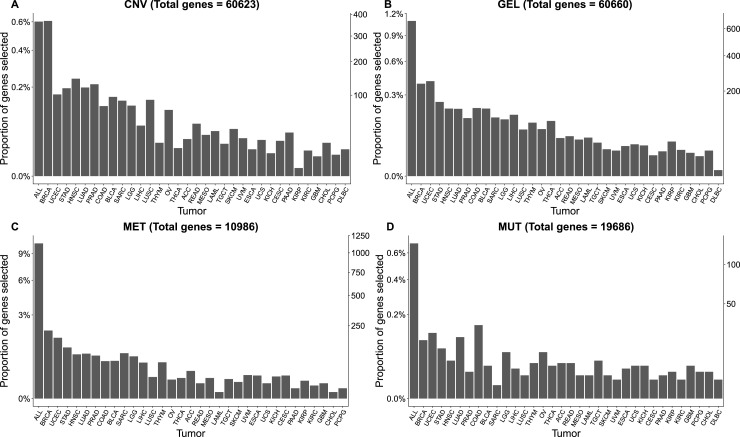 Figure 6
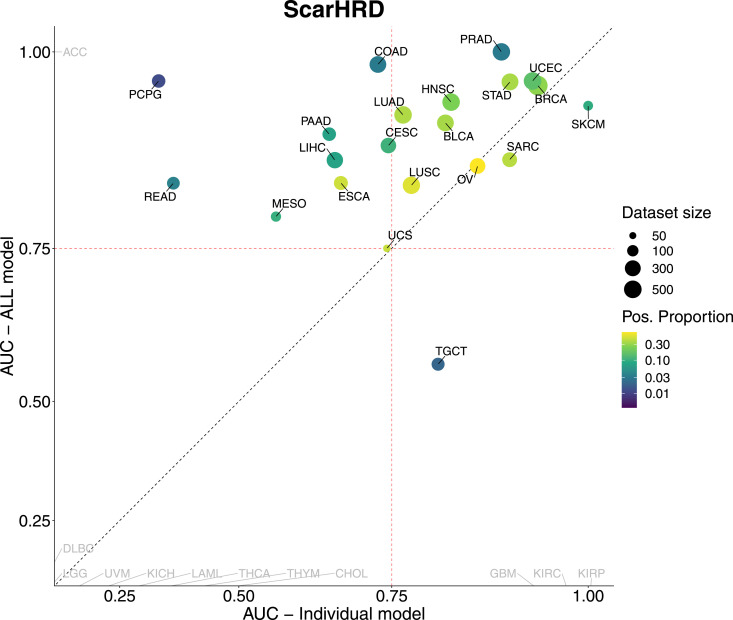 Figure 7
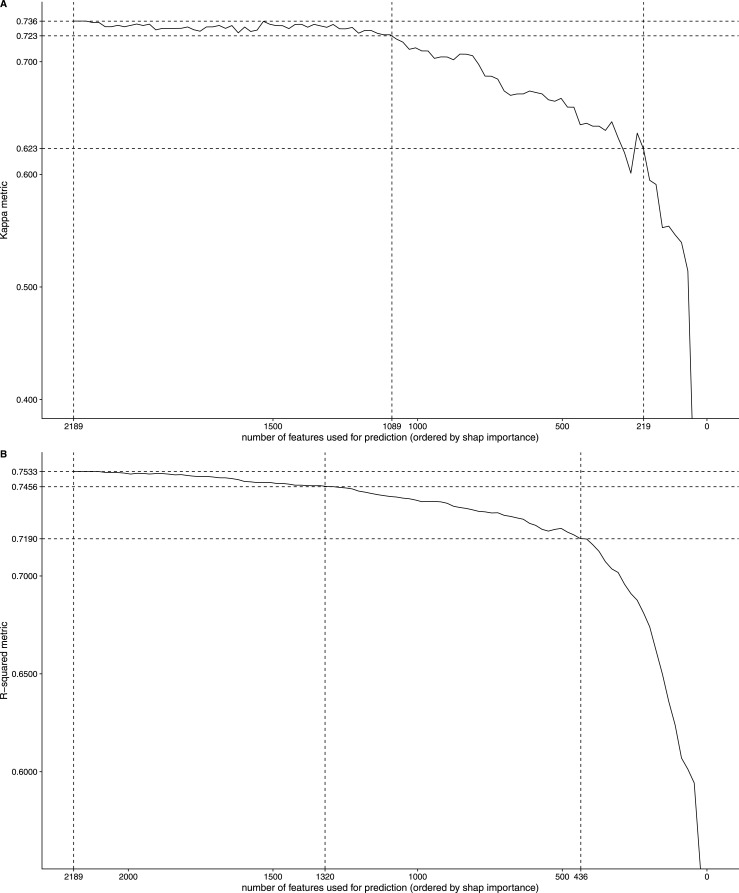 Figure 8
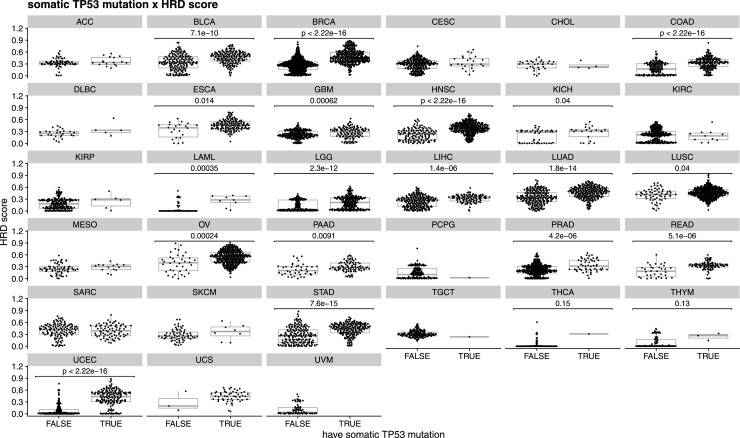 Figure 9
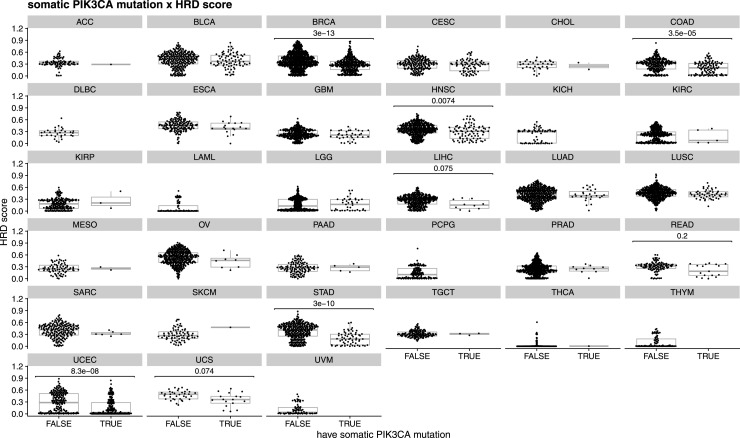 Figure 10
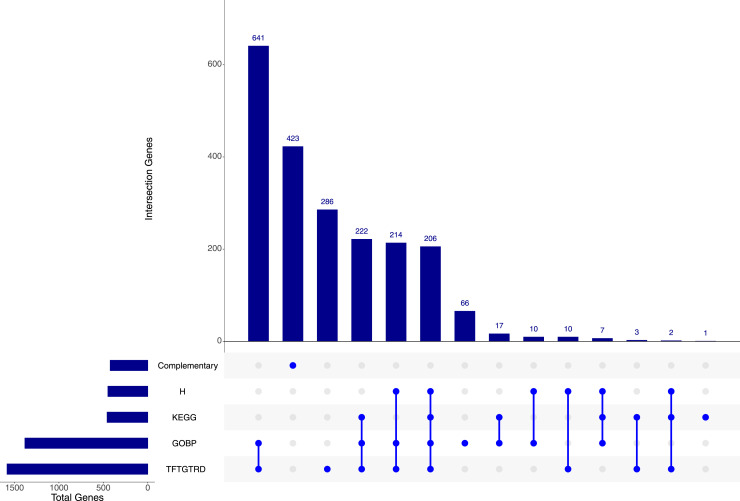 Figure 11
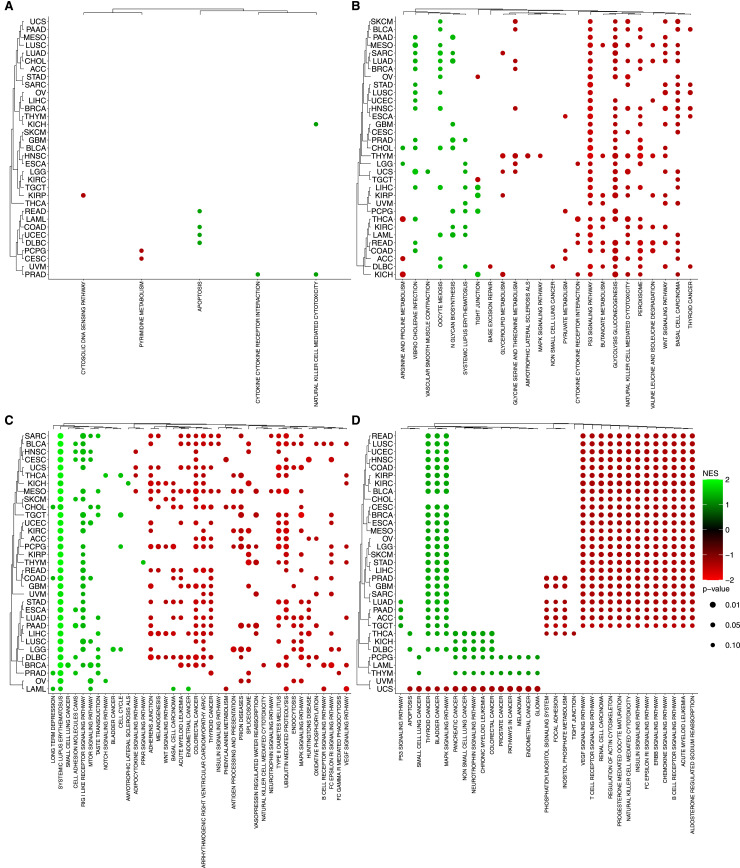 Figure 12
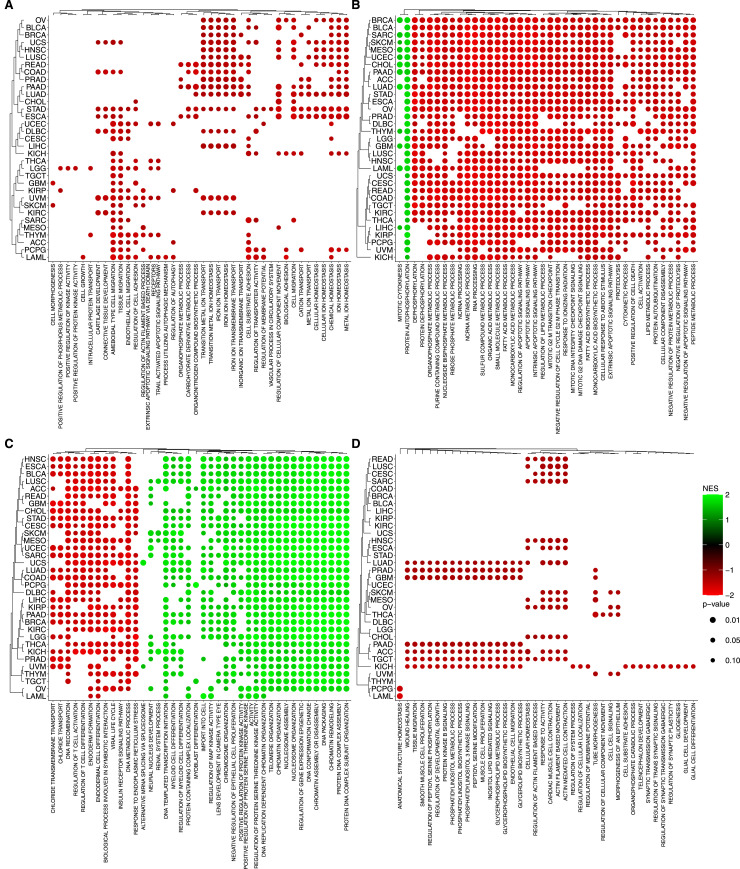 Figure 13
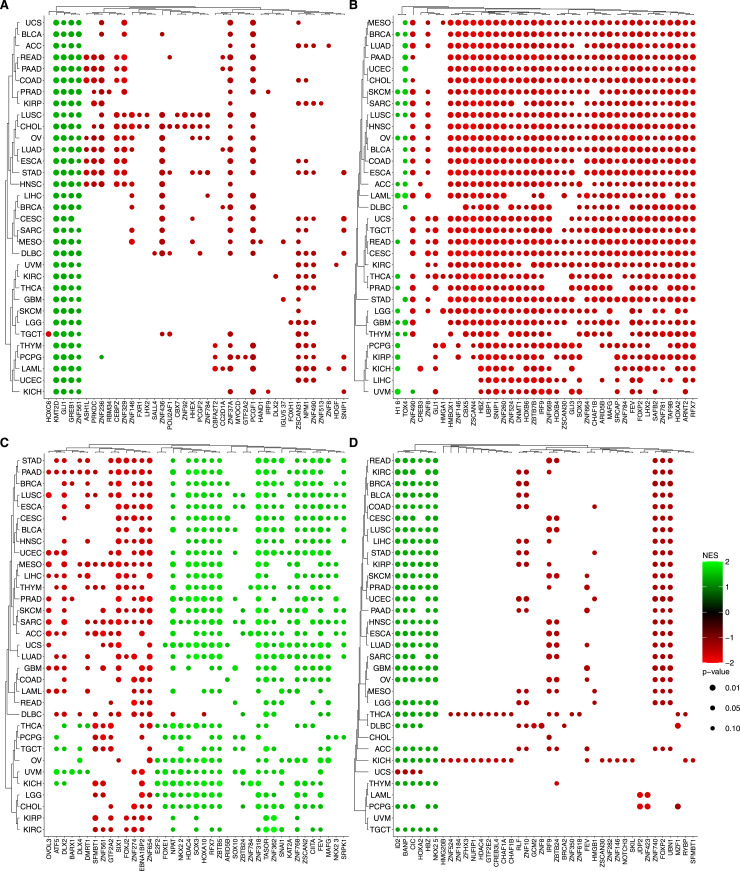 Figure 14
Peer Reviews
No public reviews on file for this paper yet. If you reviewed it on a platform where reviews are public (OpenReview, ICLR, NeurIPS, ICML), you can paste yours below so the community can read it here.
Videos
No videos yet. Explain this paper in a talk, walkthrough, or lecture? Add one.
Taxonomy
TopicsPARP inhibition in cancer therapy · Cancer Genomics and Diagnostics · Genomics and Rare Diseases