Targeting FTL regulates ferroptosis and remodels lymph node metastasis microenvironment in esophageal squamous cell carcinoma
Shuyue Zheng, Yunzhi Liu, Baifeng Zhang, Jiao Huang, Xiaona Fang, Cuicui Huang, Lanqi Gong, Jie Luo, Yuma Yang, Shan Liu, Ching Ngar Wong, Jinlin Huang, Shanshan Li, Yanan Tan, Qingyun Chen, Yanru Qin, Xin-Yuan Guan

TL;DR
This study shows that targeting FTL, a gene linked to ferroptosis, can reduce esophageal cancer growth and metastasis by altering the tumor environment.
Contribution
The paper identifies FTL as a key regulator of ferroptosis and metastasis in ESCC, and demonstrates its therapeutic potential using Brusatol.
Findings
FTL is highly expressed in ESCC and linked to poor prognosis and macrophage activity in the tumor microenvironment.
FTL promotes tumor growth, oxidative stress tolerance, and metastasis by activating the NRF2 pathway and inhibiting ferroptosis via NCOA4.
Brusatol, an FTL inhibitor, significantly reduces ESCC growth and metastasis in vivo.
Abstract
More than half of Esophageal squamous cell carcinoma (ESCC) patients are at an advanced stage when first diagnosed, thus they do not benefit much from radical surgery. Single-cell RNA sequencing (scRNA-seq) data from patients with ESCC lymph node metastasis in our laboratory implied that ferroptosis might play an important role in ESCC metastasis. Ferroptosis was found to be a shared specific pathway between ESCC and adjacent non-tumor tissue, as well as between ESCC lymph node metastasis and adjacent non-tumor tissue, of which FTL was selected as the pivotal target gene within this common pathway. Bioinformatic analyses showed that FTL was highly expressed in both primary and metastatic sites than normal, and patients with high expression had poor prognosis, and its function was related to macrophages in TME. Functional studies have shown that FTL promoted tumor growth, tolerated…
Genes, proteins, chemicals, diseases, species, mutations and cell lines named across the full text — each resolved to its canonical identifier and authoritative record.
Click any figure to enlarge with its caption.
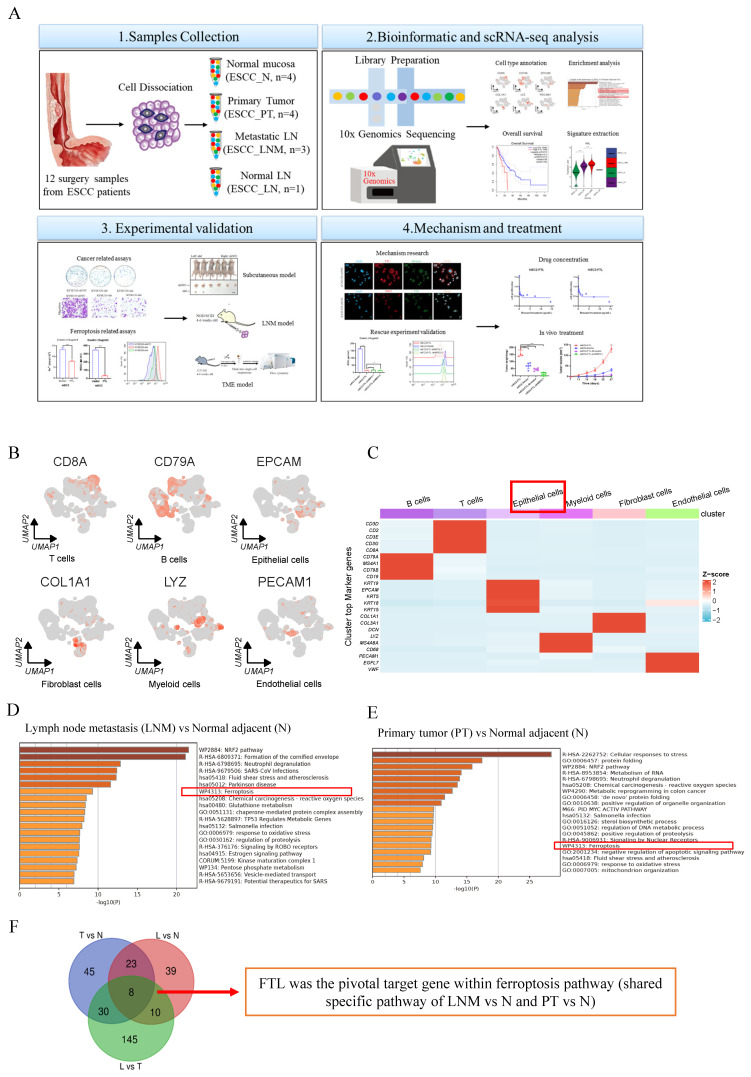 Figure 1
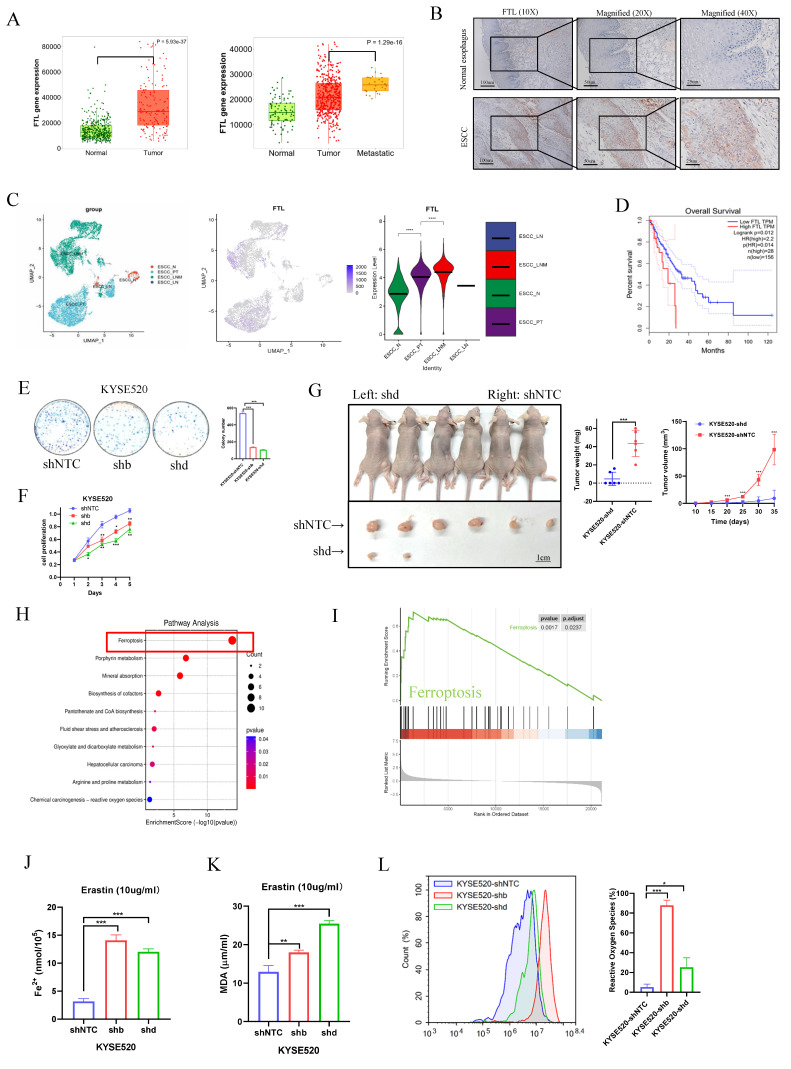 Figure 2
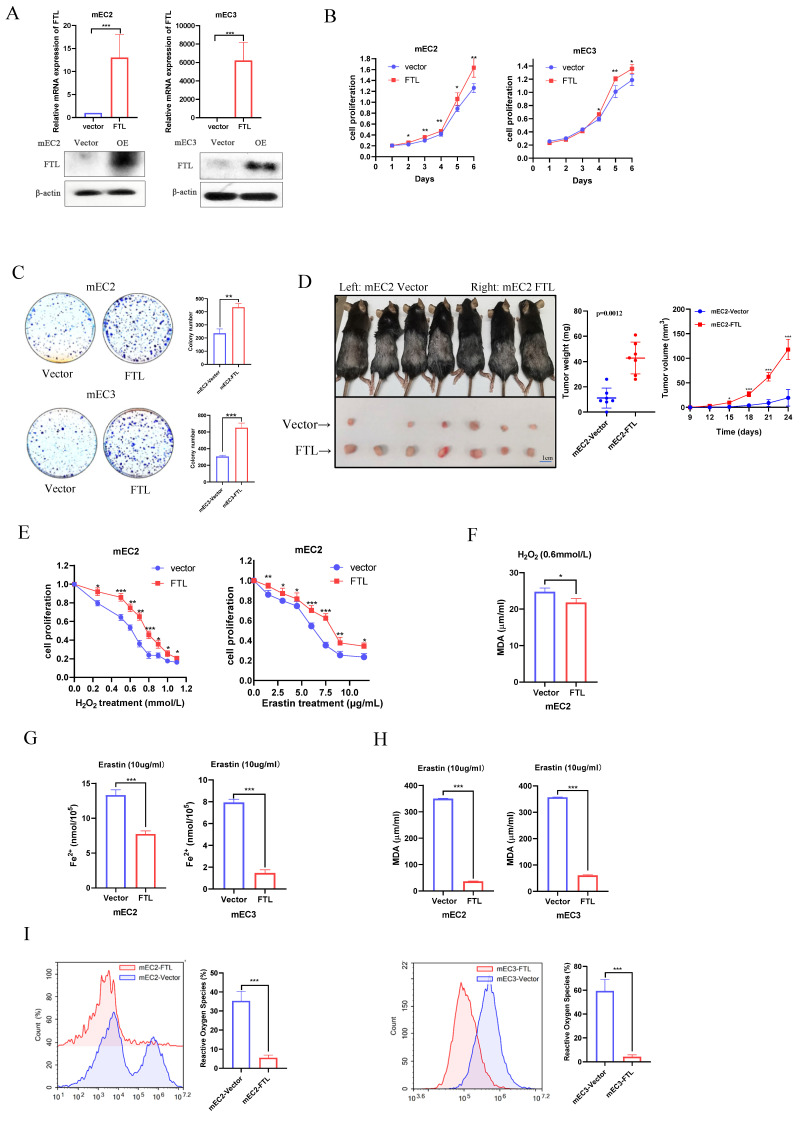 Figure 3
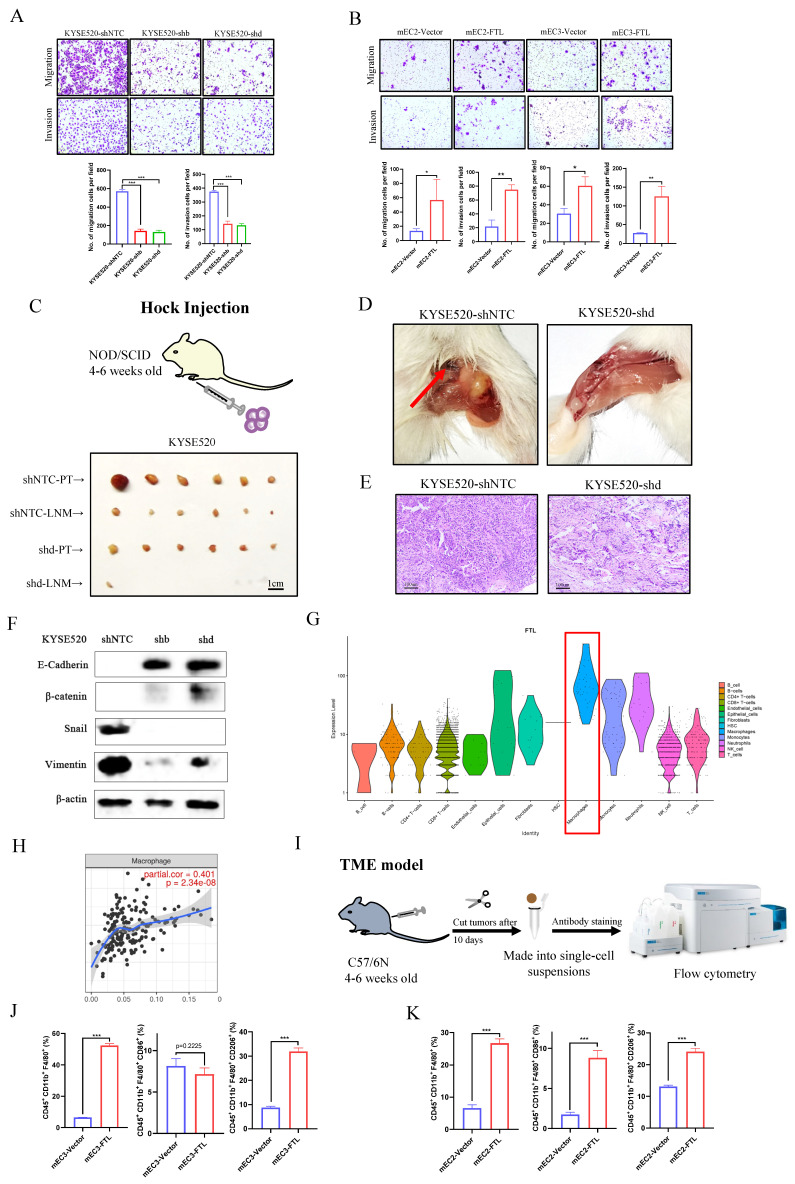 Figure 4
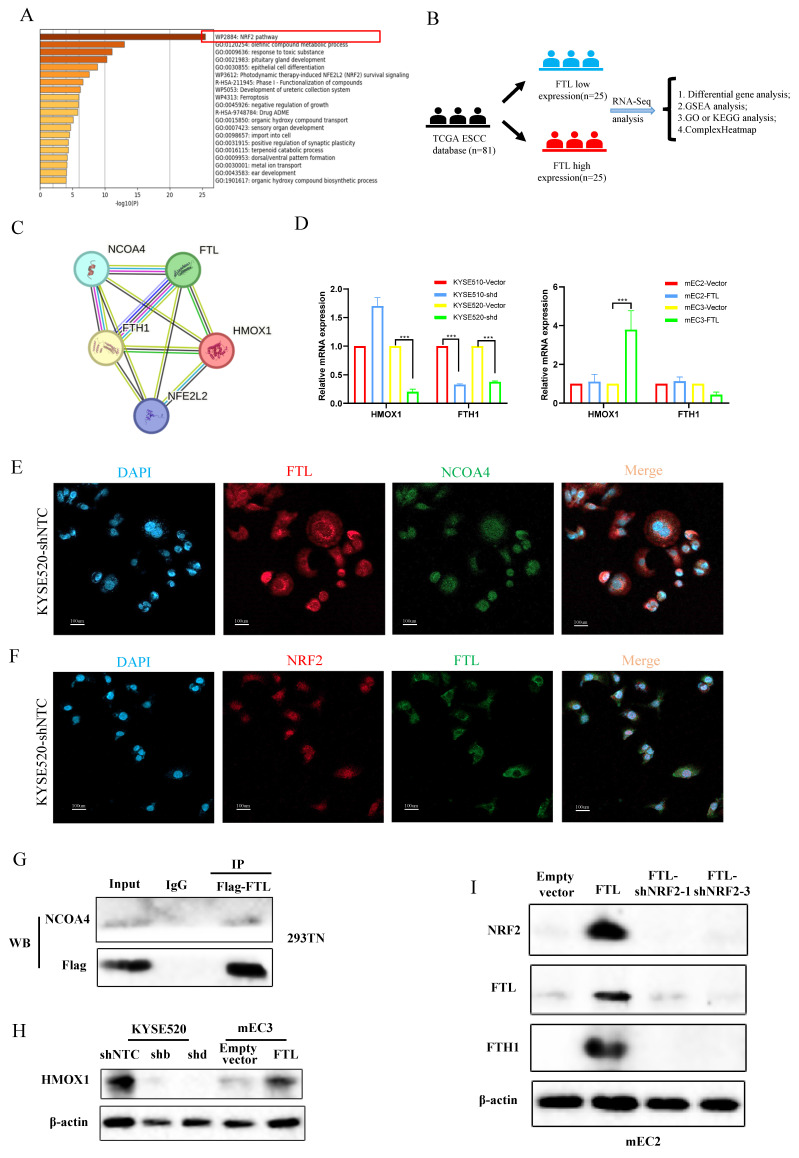 Figure 5
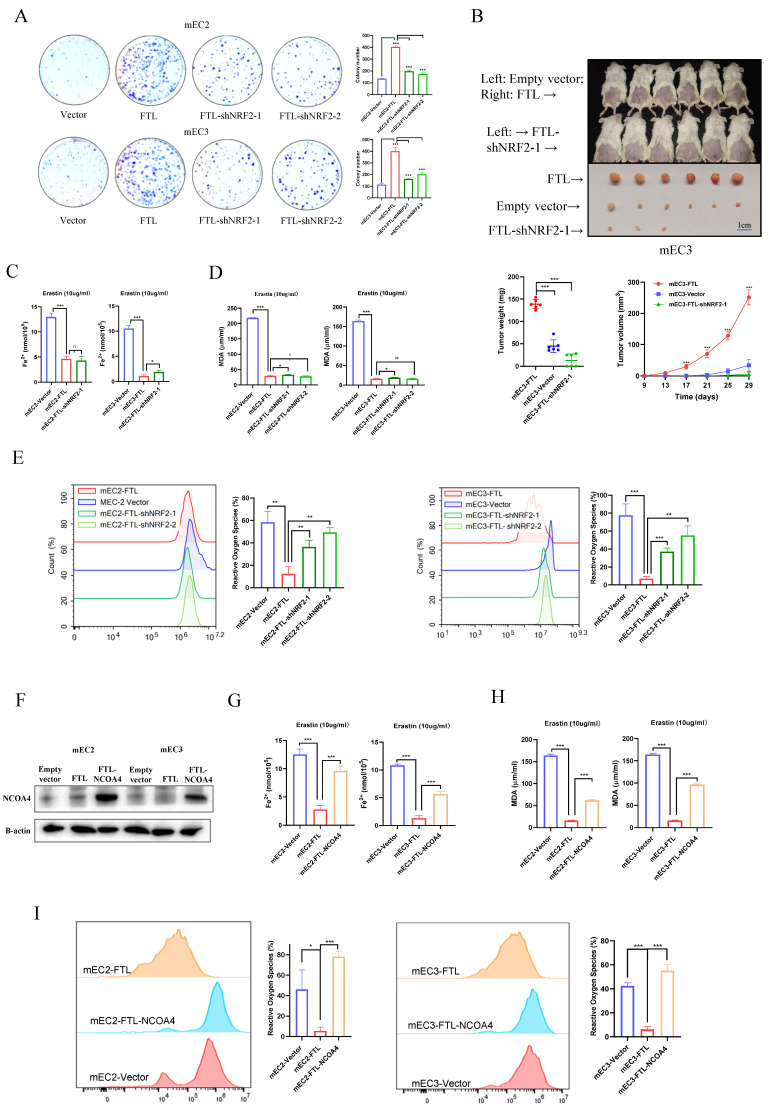 Figure 6
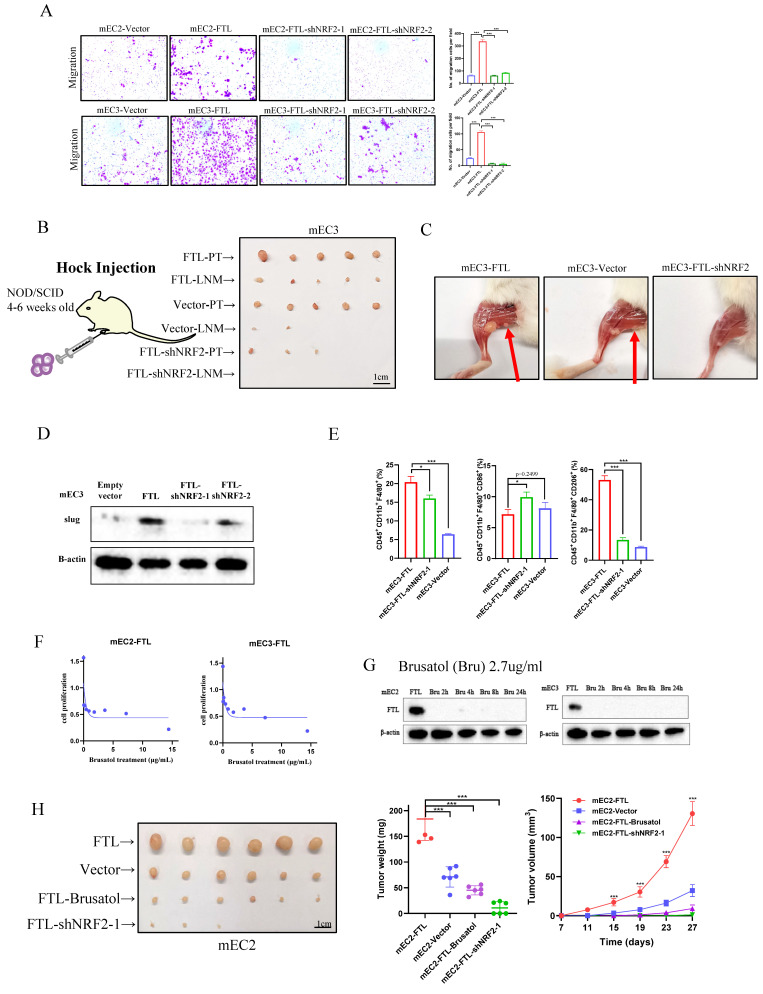 Figure 7
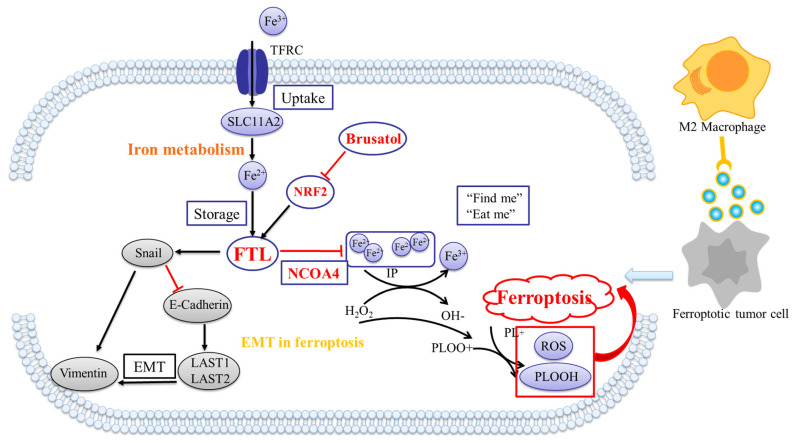 Figure 8
Peer Reviews
No public reviews on file for this paper yet. If you reviewed it on a platform where reviews are public (OpenReview, ICLR, NeurIPS, ICML), you can paste yours below so the community can read it here.
Videos
No videos yet. Explain this paper in a talk, walkthrough, or lecture? Add one.
Taxonomy
TopicsFerroptosis and cancer prognosis · Immune cells in cancer · Epigenetics and DNA Methylation