Remodeling Cell Adhesion Releases Cardiac Potential of Human Pluripotent Stem Cells with Continuous Proliferation and Accelerated Maturation
Weiwei Liu, Chuyu Liu, Qian Wang, Chengwu Li, Jiaxian Wang, Ning-Yi Shao, Guokai Chen

TL;DR
Changing how cells stick together can efficiently produce large numbers of heart cells from stem cells, improving cell therapy potential.
Contribution
A novel method for generating high-purity cardiomyocytes through cell adhesion remodeling without traditional cardiac inducers.
Findings
Cell passaging at specific times drives cardiac fate in human pluripotent stem cells without traditional inducers.
Cell adhesion remodeling increases cardiomyocyte yield tenfold with high purity compared to static culture.
Transcriptome analysis shows enhanced expression of cardiac maturation genes following adhesion remodeling.
Abstract
Human pluripotent stem cells (hPSCs) can generate specific cell types for therapeutic applications. Since cell therapy often requires billions of cells for transplantation, it is essential to maximize differentiation efficiency to optimize both cell yield and quality. Cardiomyocytes are commonly induced in static culture with limited expandability. In this study, we explored the impact of cell adhesion remodeling on hPSC cell fate determination. We reveal that cell passaging at critical time points drives cardiac cell fate even without traditional cardiac inducers. Cardiac fate is specified while cells proliferate continuously. Cell adhesion remodeling leads to a 10-fold increase of cardiomyocyte yield with high purity in comparison to traditional static culture. AMPK activation and PI3K/AKT inhibition were observed following cell passaging. The impact of cell passaging can be mimicked…
Genes, proteins, chemicals, diseases, species, mutations and cell lines named across the full text — each resolved to its canonical identifier and authoritative record.
Click any figure to enlarge with its caption.
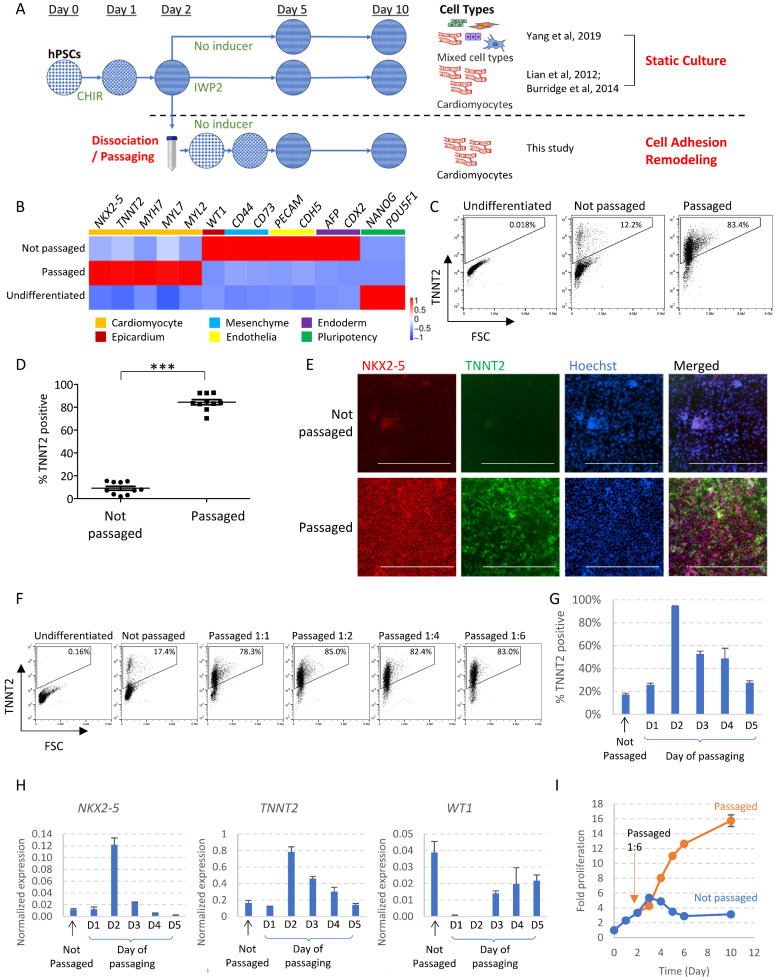 Figure 1
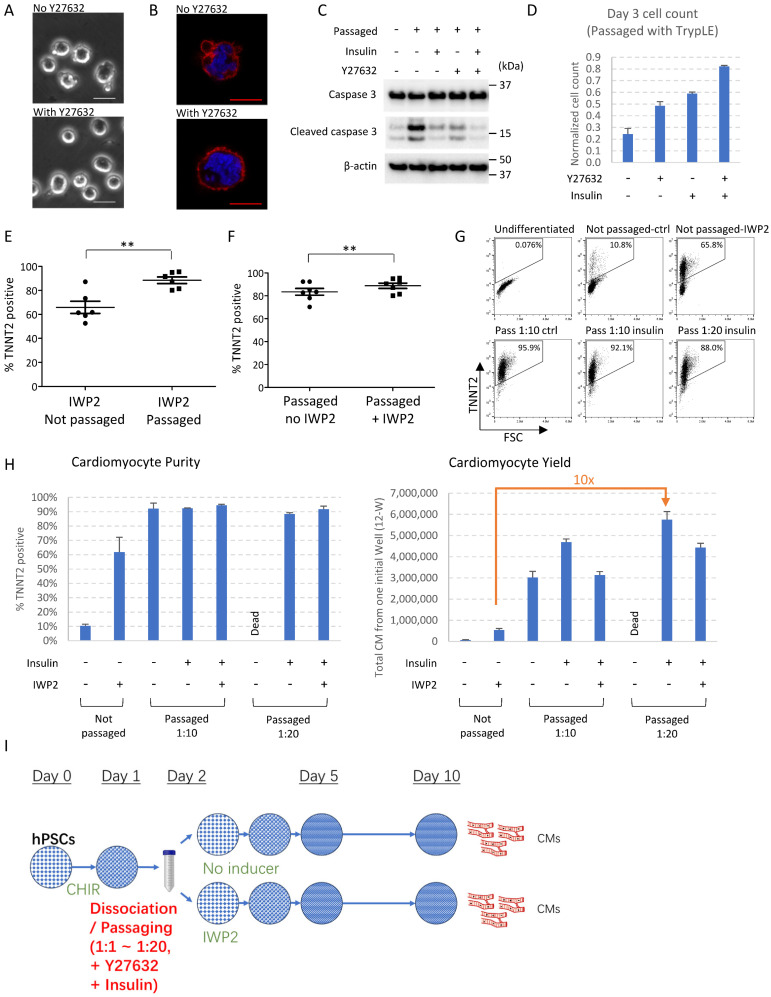 Figure 2
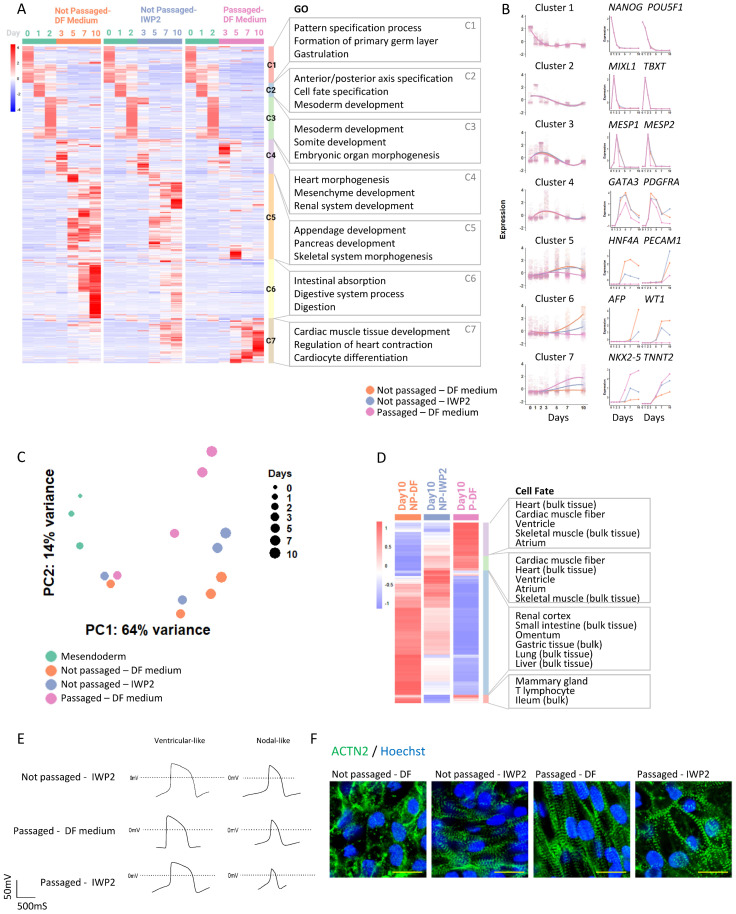 Figure 3
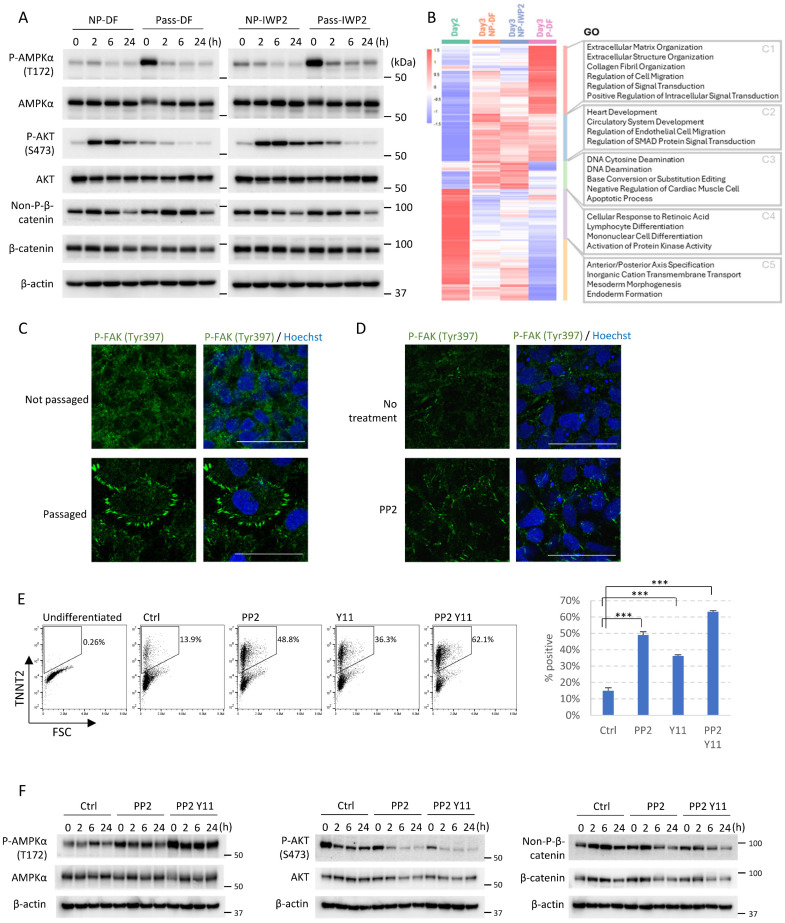 Figure 4
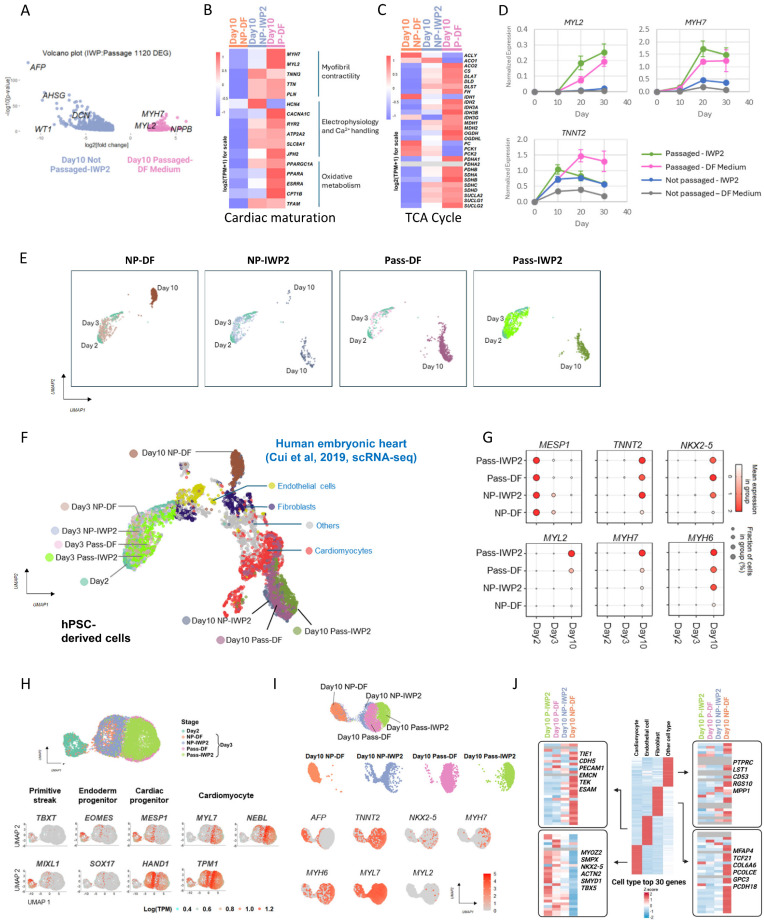 Figure 5
Peer Reviews
No public reviews on file for this paper yet. If you reviewed it on a platform where reviews are public (OpenReview, ICLR, NeurIPS, ICML), you can paste yours below so the community can read it here.
Videos
No videos yet. Explain this paper in a talk, walkthrough, or lecture? Add one.
Taxonomy
TopicsPluripotent Stem Cells Research · Congenital heart defects research · Mesenchymal stem cell research