Occupational performance characteristics in patients with attention‐deficit/hyperactivity disorder comorbid with major depressive disorders: Discriminant analysis with major depressive disorders
Tomonari Hayasaka, Izumi Nagashima, Miku Hoshino, Koji Teruya, Yasuyuki Matumoto, Masami Murao, Taku Maruki, Masako Watanabe, Takeshi Katagiri, Yayoi Imamura, Mariko Kurihara, Yuki Oe, Yoshikazu Takaesu, Takashi Tsuboi, Koichiro Watanabe, Hitoshi Sakurai

TL;DR
This study identifies specific occupational behaviors that help distinguish individuals with ADHD and depression from those with depression alone, improving diagnostic accuracy.
Contribution
The study introduces four occupational performance characteristics that effectively differentiate ADHD comorbid with MDD from MDD alone.
Findings
Four occupational performance characteristics achieved 81.3% classification accuracy in distinguishing ADHD-MDD comorbid cases from MDD alone.
The discriminant model showed a high area under the curve (AUC) of 0.857, indicating strong diagnostic potential.
Key traits like 'Work only at your own pace' and 'Ask questions and consult' were significant predictors in the model.
Abstract
Assessing symptoms and daily functioning in individuals with attention‐deficit/hyperactivity disorder (ADHD) comorbid with major depressive disorder (MDD) is challenging because of their limited self‐monitoring abilities. This study aimed to determine whether specific occupational behaviors could differentiate patients with ADHD comorbid with MDD from those with MDD alone. This study included patients who underwent a comprehensive assessment for suspected difficult‐to‐treat depression at Kyorin University Hospital, Japan. During an artistic activity program, three therapists evaluated occupational performance characteristics to identify potential traits. Characteristics in patients with comorbid ADHD and MDD were compared to those in MDD alone using the chi‐square test. Key discriminators were selected based on significant characteristics (p < 0.01). Discriminant analysis was conducted…
Genes, proteins, chemicals, diseases, species, mutations and cell lines named across the full text — each resolved to its canonical identifier and authoritative record.
Click any figure to enlarge with its caption.
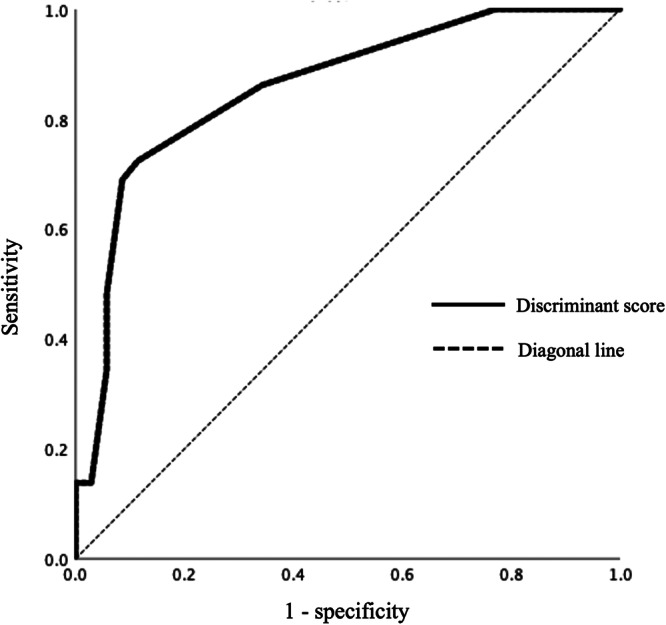 Figure 1
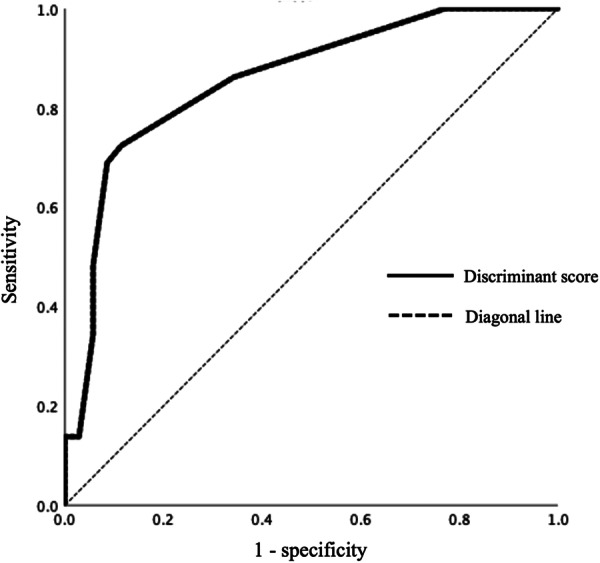 Figure 2
Peer Reviews
No public reviews on file for this paper yet. If you reviewed it on a platform where reviews are public (OpenReview, ICLR, NeurIPS, ICML), you can paste yours below so the community can read it here.
Videos
No videos yet. Explain this paper in a talk, walkthrough, or lecture? Add one.
Taxonomy
TopicsOccupational Therapy Practice and Research · Attention Deficit Hyperactivity Disorder · Traumatic Brain Injury Research