Case Report: Co-occurring de novo SHANK3 and SRCAP variants in a patient with autoimmune encephalitis and exhibiting Phelan-McDermid syndrome features
Li Li, Jie Zhang, Xiaoyan Shi, Yaqing Huang, Xingzhi Chang, Liya Zhang

TL;DR
A young male with autoimmune encephalitis and features of Phelan-McDermid syndrome was found to have two new genetic mutations in SHANK3 and SRCAP.
Contribution
The study reports novel de novo pathogenic variants in SHANK3 and SRCAP in a patient with autoimmune encephalitis and PMS-like features.
Findings
The patient had de novo frameshift variants in SHANK3 and a chimeric variant in SRCAP.
The patient showed improvement after immunomodulatory treatment for autoimmune encephalitis.
Both variants were classified as pathogenic by ACMG standards.
Abstract
Phelan-McDermid syndrome (PMS) is a rare neurodevelopmental disorder caused by a deletion or variant of SHANK3. Patients with PMS typically present with global developmental delay, delayed or absent speech, intellectual disability, hypotonia, autism spectrum disorder, behavioral abnormalities, and minor specific dysmorphic features. The SRCAP variation is rare and may be associated with chromatin remodeling and neural development. The SRCAP and SHANK3 phenotypes display certain overlapping features, including impaired intellectual and delayed speech development as well as behavioral and psychiatric problems. We report the case of a young male with significant recurrent neuropsychiatric symptoms, developmental regression, and cerebrospinal fluid white blood cell 72/mm3. The diagnosis was consistent with antibody-negative autoimmune encephalitis; the patient improved after…
Genes, proteins, chemicals, diseases, species, mutations and cell lines named across the full text — each resolved to its canonical identifier and authoritative record.
Click any figure to enlarge with its caption.
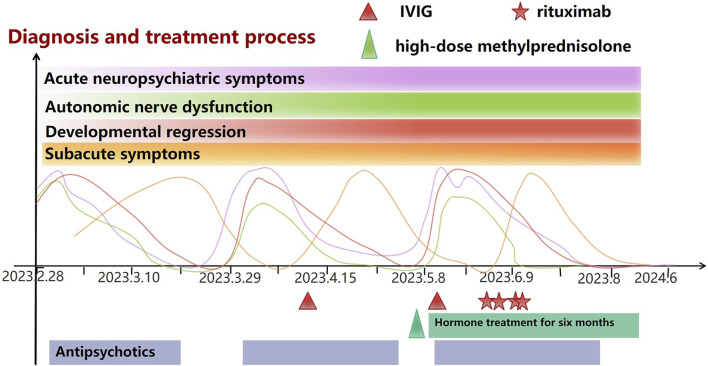 Figure 1
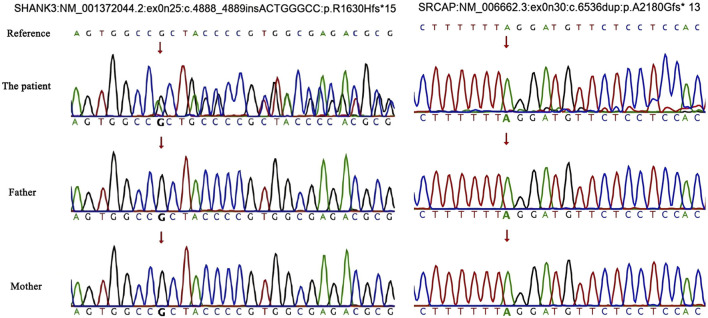 Figure 2
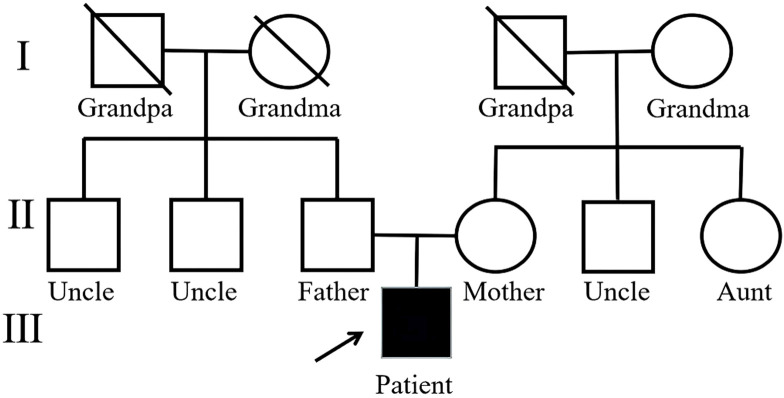 Figure 3
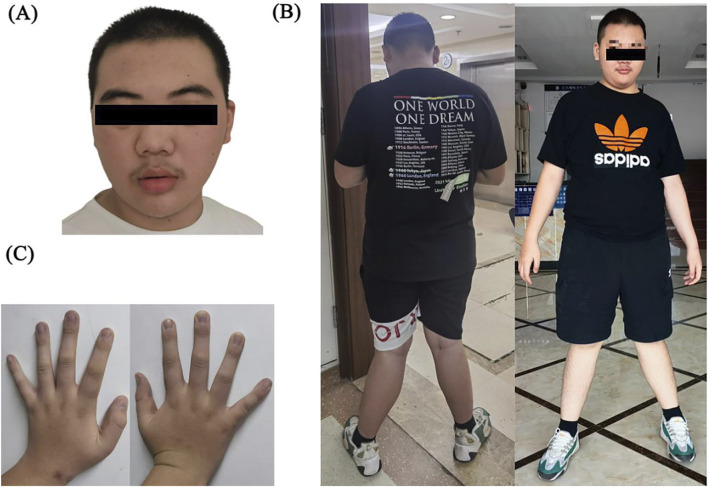 Figure 4
Peer Reviews
No public reviews on file for this paper yet. If you reviewed it on a platform where reviews are public (OpenReview, ICLR, NeurIPS, ICML), you can paste yours below so the community can read it here.
Videos
No videos yet. Explain this paper in a talk, walkthrough, or lecture? Add one.
Taxonomy
TopicsGenomics and Rare Diseases · Genomic variations and chromosomal abnormalities · Autoimmune Neurological Disorders and Treatments