Migration of CD8 + TSCM cells into intestine via PPBP–CXCR2 axis increases host stress susceptibility by inhibiting gut microbiome-derived homovanillic acid
Yuan Zhang, Minzi Ju, Suzhen Chen, Wendi Yang, Yang Cai, Xiaoyu Yu, Gang Chen, Zhongxia Shen, Ying Bai, Hui Ren, Yinghui Li, Ling Shen, Junxu Li, Peng Shi, Yonggui Yuan, Bing Han, Honghong Yao

TL;DR
Stem-like memory CD8+ T cells migrate to the gut, reducing a brain-boosting chemical and increasing depression risk.
Contribution
Identifies a novel immune-gut-brain axis involving CD8+ TSCM cells and gut microbiome metabolism in depression.
Findings
CD8+ TSCM cells migrate to the intestine via the PPBP–CXCR2 axis in stress-susceptible models.
These cells reduce tyrosine-metabolizing bacteria, lowering homovanillic acid and causing neuroinflammation.
Adoptive transfer of CD8+ TSCM cells induces depressive-like behavior without brain infiltration.
Abstract
Psychosocial stress impacts immune system and brain function, yet mechanisms linking peripheral immune dysregulation to major depressive disorder remain unclear. Here, we demonstrate that a specific subset of T cells, the stem cell-like memory CD8+ T (TSCM) cells, is elevated in patients and stress-susceptible mice. CD8+ TSCM cells from patients display unique transcriptional programs and correlated with depression severity. Adoptive transfer of stress-derived CD8⁺ TSCM cells induced depressive-like behavior and neuroinflammation in recipients, without brain migration. Employing a whole-body immunolabeling technology, we discover CD8+ TSCM cells migrated to intestine via the interaction of pro-platelet basic protein and C-X-C motif chemokine receptor 2. CD8+ TSCM cells decrease the abundance of tyrosine-metabolizing bacteria to reducing homovanillic acid production, triggered…
Genes, proteins, chemicals, diseases, species, mutations and cell lines named across the full text — each resolved to its canonical identifier and authoritative record.
Click any figure to enlarge with its caption.
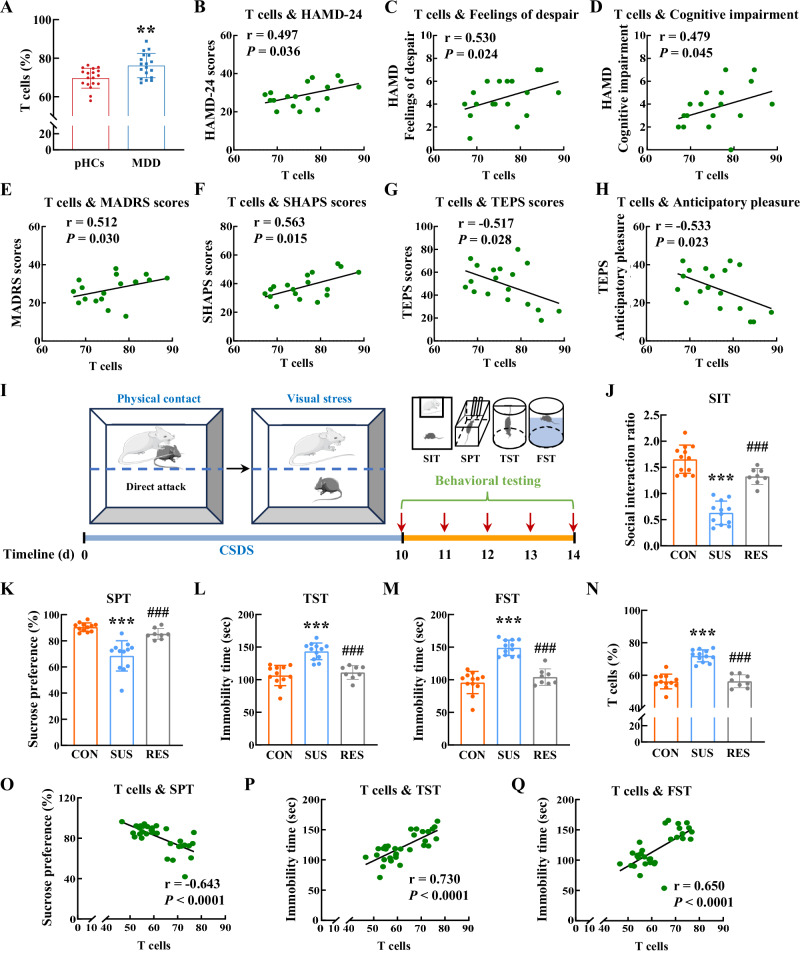 Figure 1
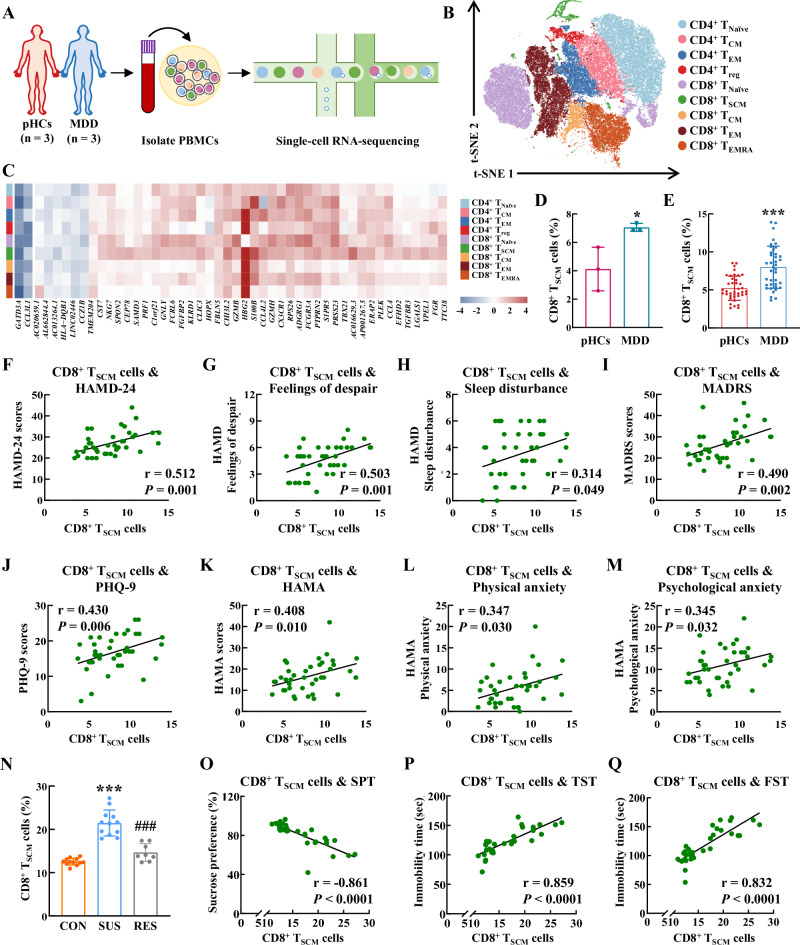 Figure 2
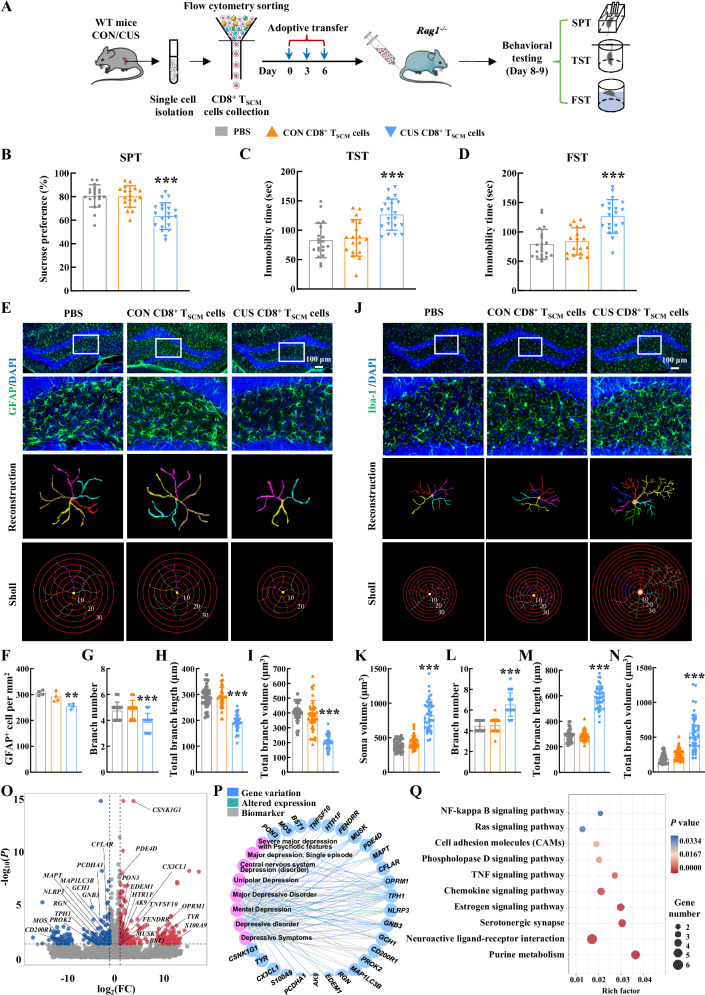 Figure 3
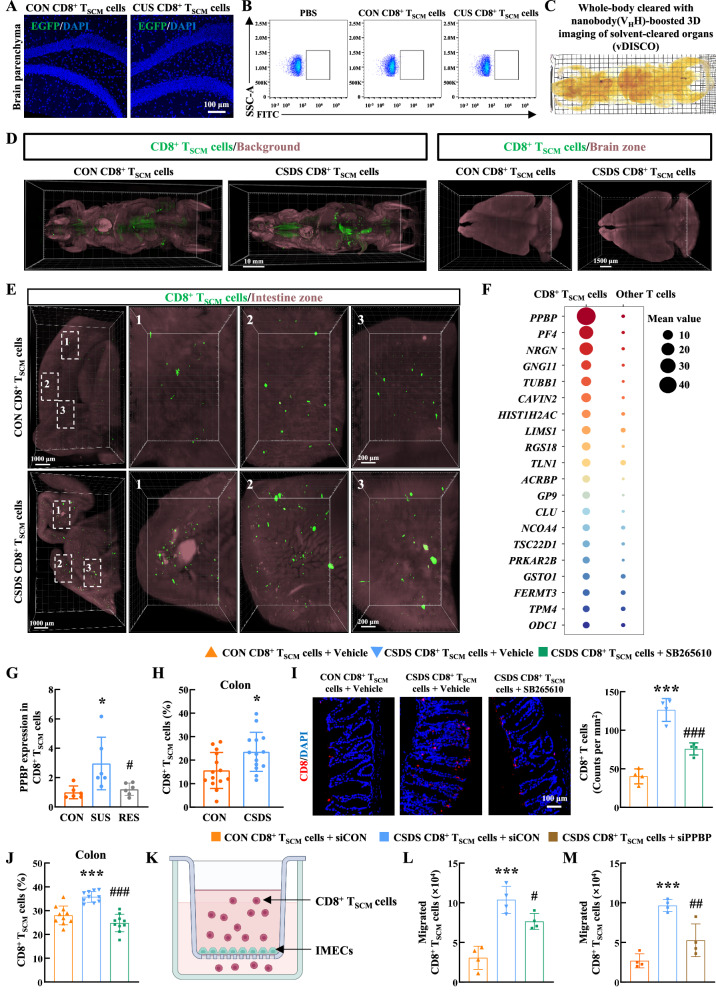 Figure 4
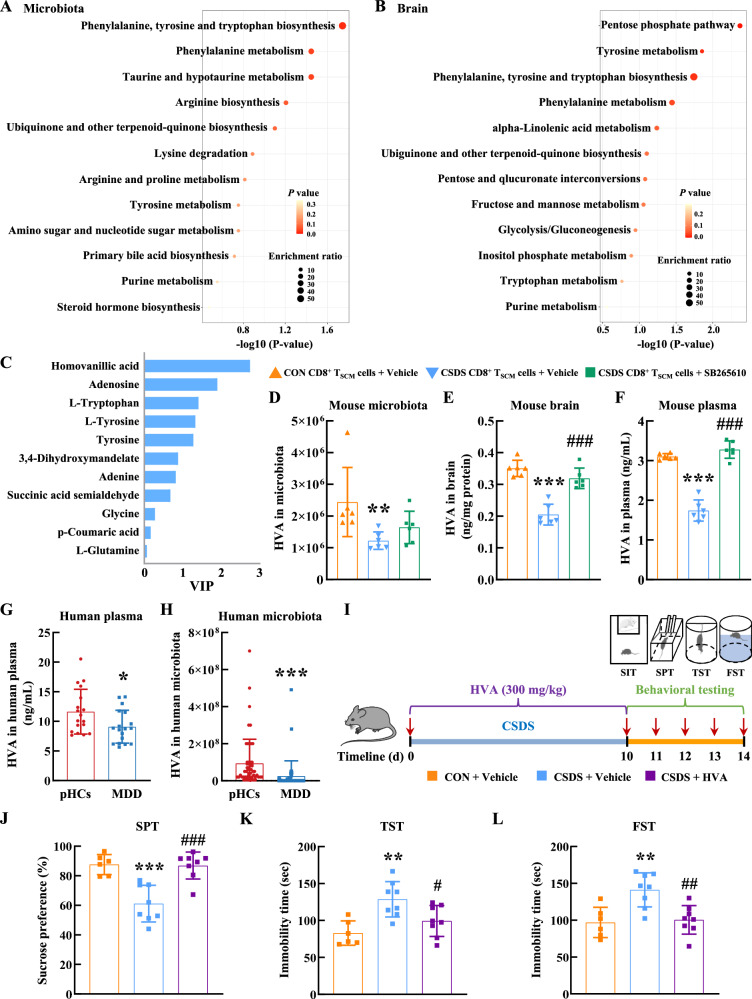 Figure 5
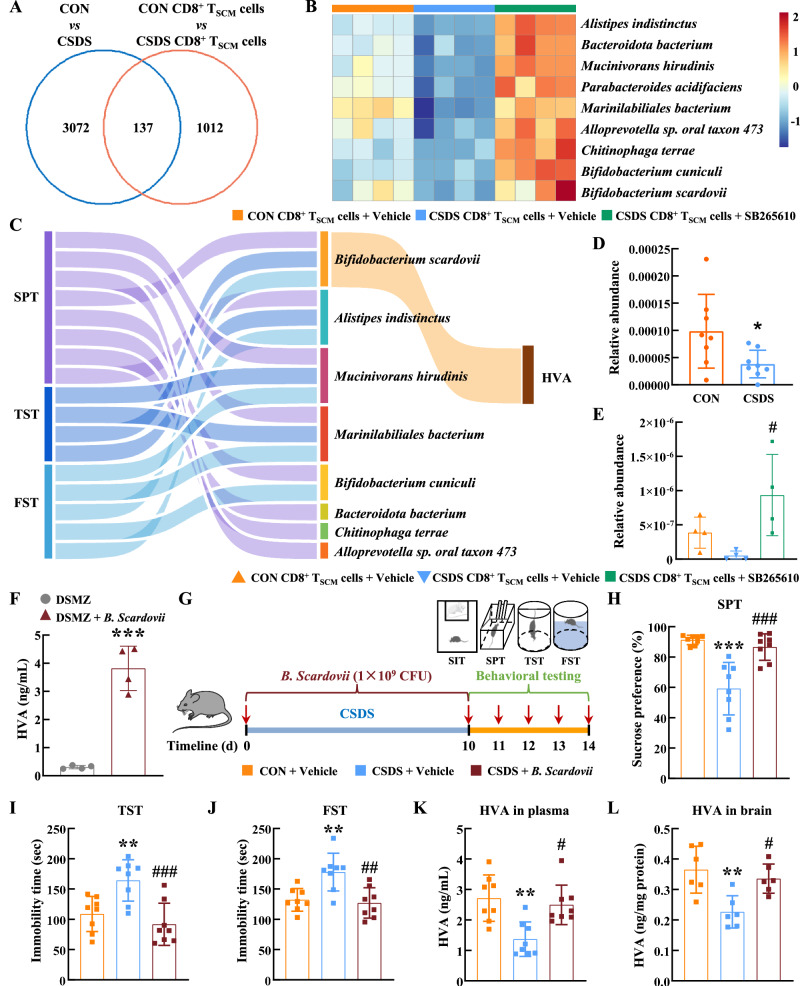 Figure 6
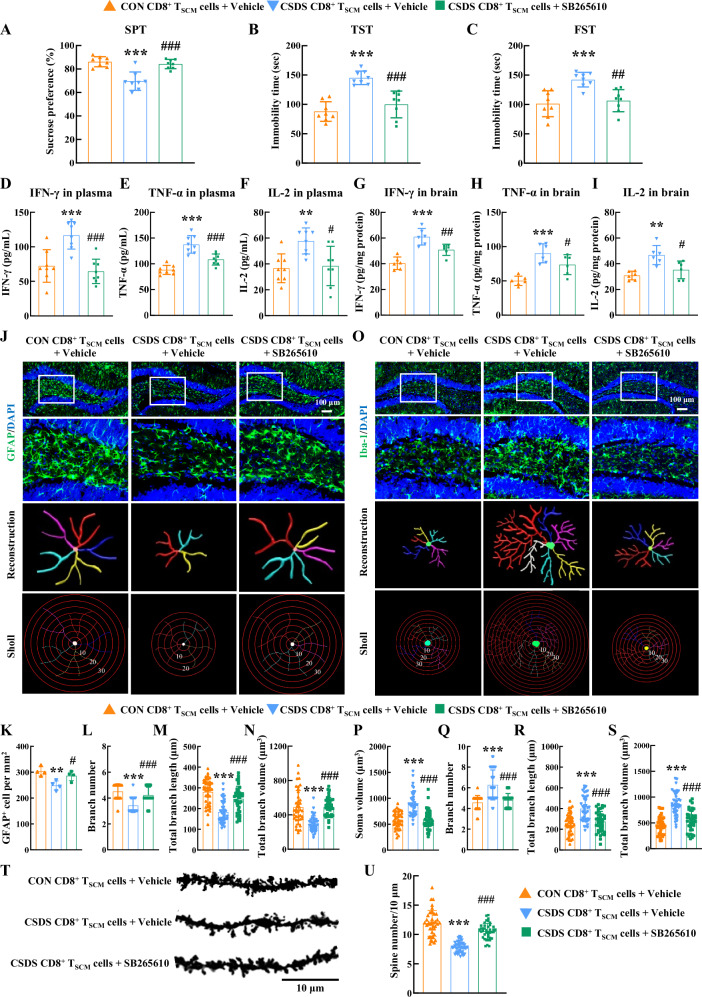 Figure 7
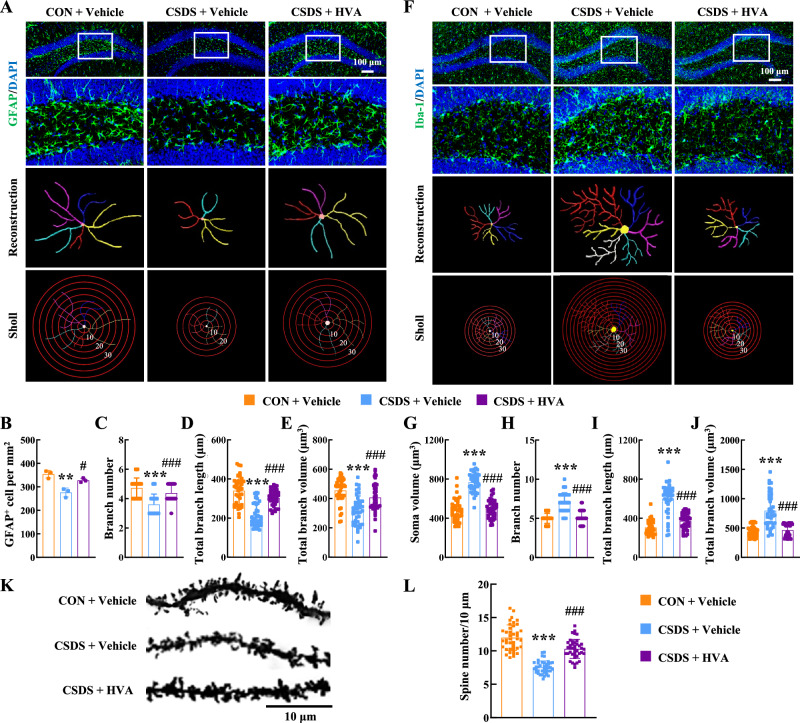 Figure 8
Peer Reviews
No public reviews on file for this paper yet. If you reviewed it on a platform where reviews are public (OpenReview, ICLR, NeurIPS, ICML), you can paste yours below so the community can read it here.
Videos
No videos yet. Explain this paper in a talk, walkthrough, or lecture? Add one.
Taxonomy
TopicsGut microbiota and health · Tryptophan and brain disorders · Immune cells in cancer