Targeted complement inhibition ameliorates the pathological and cognitive outcomes in repetitive mild closed head injury
Khalil Mallah, Carsten Krieg, Devin Hatchell, Nahla Hamouda, Tylar Roof, Stephen Walterhouse, Amer Toutonji, Davis Borucki, Christine Couch, Gary Hardiman, Firas Kobeissy, Silvia Guglietta, Stephen Tomlinson

TL;DR
This study shows that inhibiting the complement system can reduce brain damage and cognitive issues caused by repeated mild head injuries.
Contribution
The study is the first to demonstrate the role of the complement system in repetitive mild closed head injury and its inhibition as a therapeutic strategy.
Findings
Complement inhibition after injury reduced cognitive impairment and pathological changes in mice.
rmCHI caused significant immune cell recruitment and upregulation of complement proteins.
Neurodegeneration and apoptosis pathways were altered in mice with repetitive head injuries.
Abstract
Repeated mild closed head injury (rmCHI) is a significant public health concern, and this type of repetitive injury is garnering increasing attention, not least because of its increasing incidence in sports. The underlying neuroimmune mechanisms secondary to trauma that link rmCHI to cognitive impairment remain to be elucidated, and the contribution of the complement system to the pathological sequelae of this type of brain injury is unexplored. Here, using C57BL/6J mice, we established a repetitive 12-head impact model to investigate the neuroimmune and pathological processes that occur after rmCHI. We specifically studied the role of complement in pathology and cognitive impairment up to 21 days after the cessation of injury in a clinically relevant paradigm using the site-targeted complement inhibitor CR2-Crry. Our analytical methods included mass cytometry, RNA-seq, proteomics, and…
Genes, proteins, chemicals, diseases, species, mutations and cell lines named across the full text — each resolved to its canonical identifier and authoritative record.
Click any figure to enlarge with its caption.
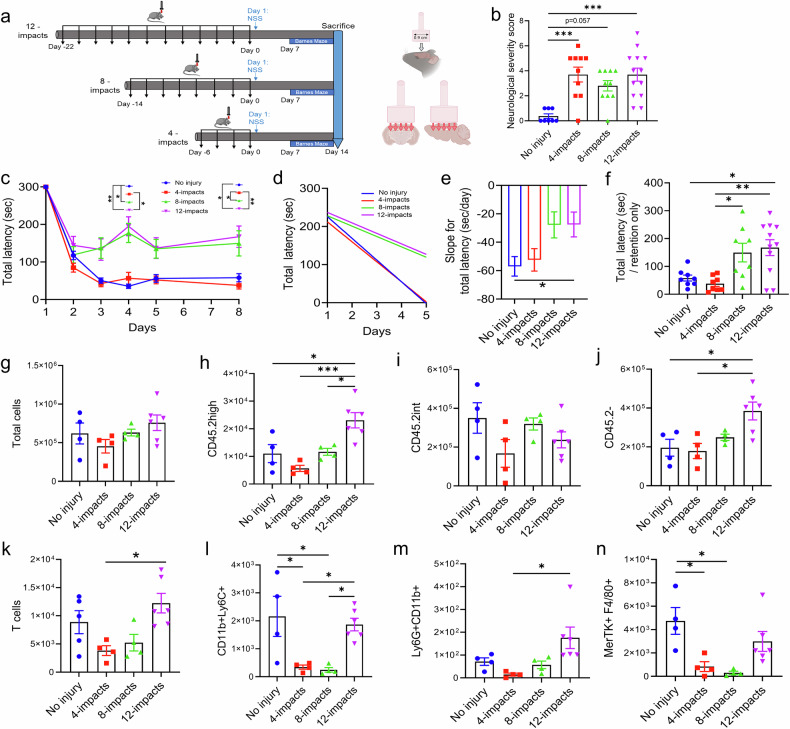 Figure 1
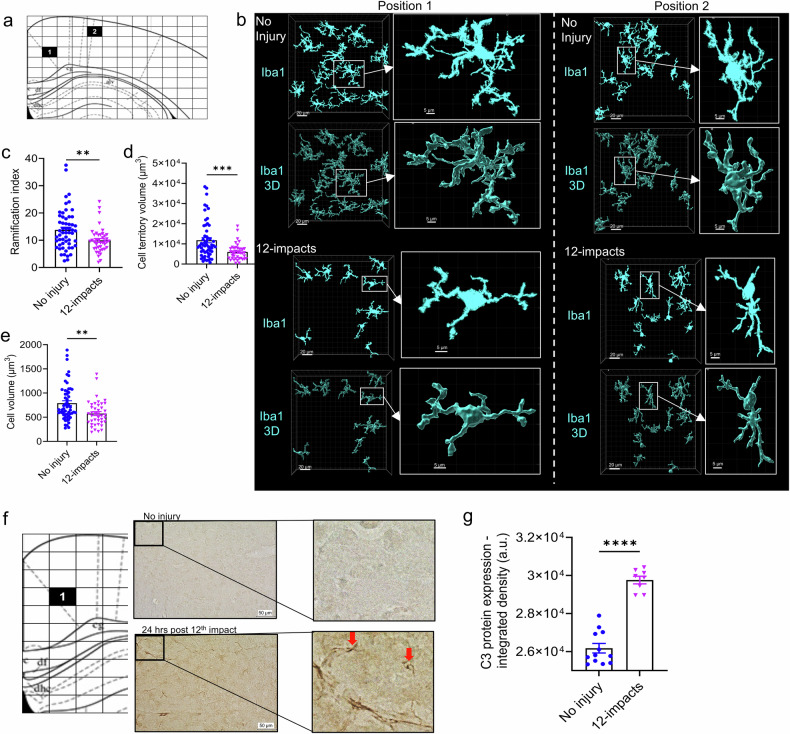 Figure 2
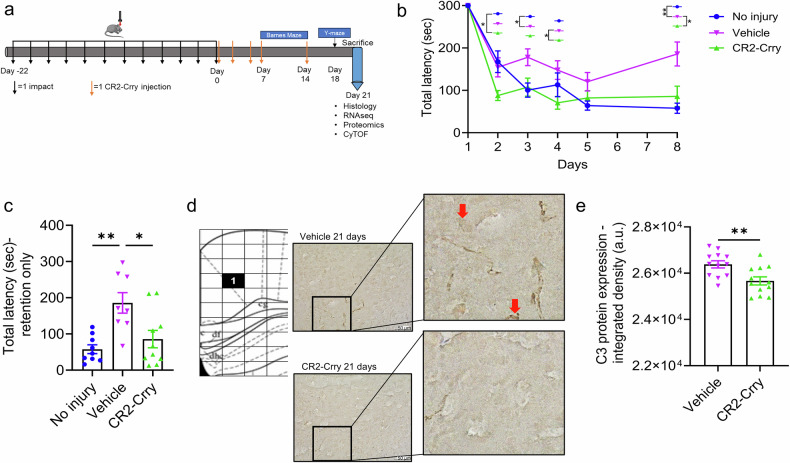 Figure 3
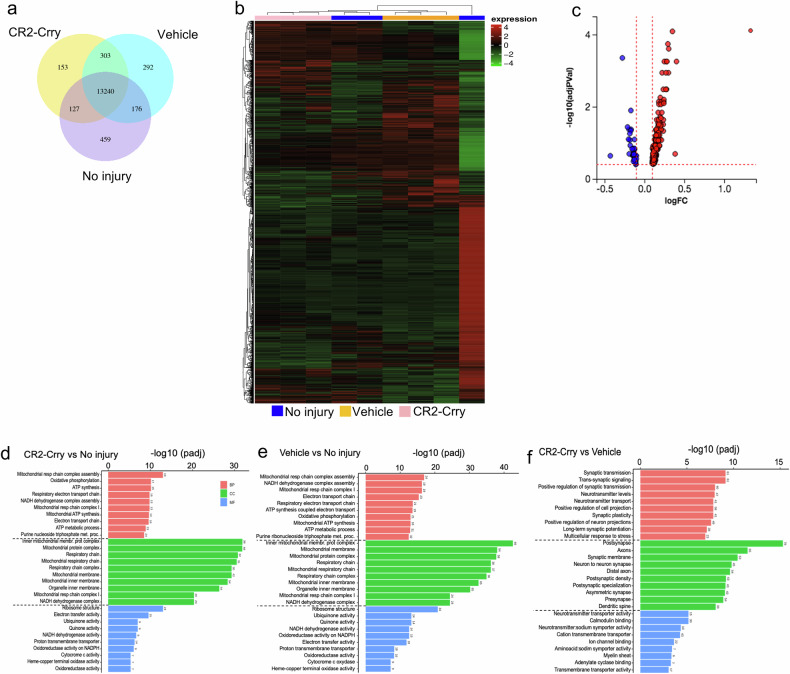 Figure 4
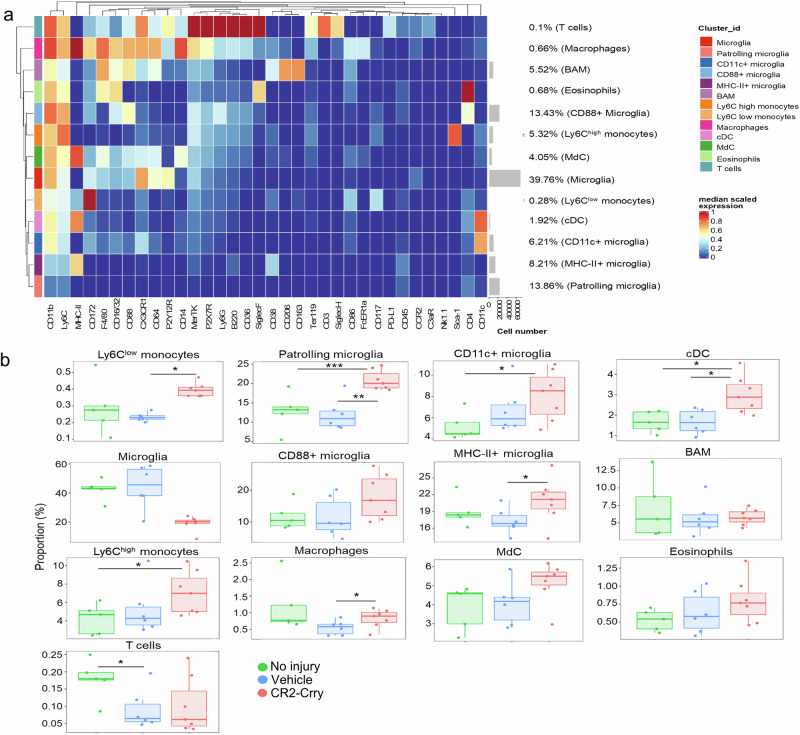 Figure 5
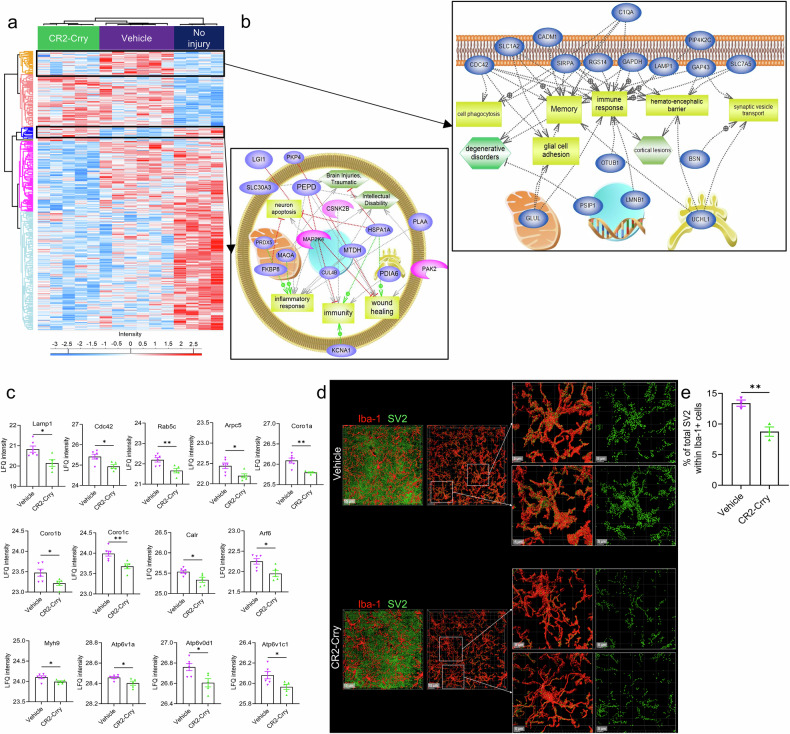 Figure 6
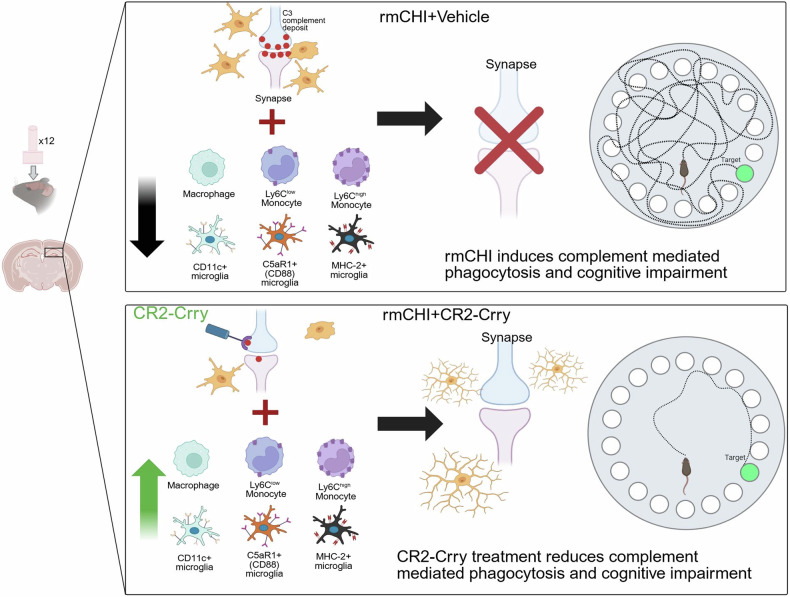 Figure 7
Peer Reviews
No public reviews on file for this paper yet. If you reviewed it on a platform where reviews are public (OpenReview, ICLR, NeurIPS, ICML), you can paste yours below so the community can read it here.
Videos
No videos yet. Explain this paper in a talk, walkthrough, or lecture? Add one.
Taxonomy
TopicsComplement system in diseases · Neuroinflammation and Neurodegeneration Mechanisms · Intracerebral and Subarachnoid Hemorrhage Research