Spike conformational and glycan heterogeneity associated with furin cleavage causes incomplete neutralization of SARS-CoV-2
Sahil Kumar, Rathina Delipan, Chanchal Sharma, Jyoti Jadoun, Kawkab Kanjo, Randhir Singh, Raju Rajmani, Suprit Deshpande, Rajesh Pandey, Krishan G. Thakur, Jayanta Bhattacharya, Rogier W. Sanders, Marit J. van Gils, Raghavan Varadarajan, Rajesh P. Ringe

TL;DR
This study explores how SARS-CoV-2 evades antibodies through spike protein conformation and glycosylation, without needing genetic changes.
Contribution
The study identifies a persistent fraction of infectivity with cleaved, closed spike conformations and increased mannosidic glycans as a novel mechanism of antibody resistance.
Findings
The persistent fraction of infectivity (PF) has a cleaved, closed spike conformation and more mannosidic glycans.
Incomplete neutralization is linked to furin cleavage and glycosylation, not genetic evolution.
The PF's resistance is stable and unrelated to conformational equilibrium in pseudovirus stocks.
Abstract
SARS-CoV-2 Spike - the sole neutralization target, is highly resilient to the immune pressure driving genetic evolution. While potency and breadth of neutralization are widely studied, the incomplete neutralization - the mechanism of resistance without needing genetic change - remains unexplored. Several monoclonal antibodies, although potent, showed incomplete neutralization of genetically homogeneous pseudovirus suggesting the existence of distinct spike conformations. The residual infectivity at high antibody concentration indicates a viral fraction with intrinsic resistance to the antibody. Although the published studies on spike glycosylation, structure, and conformations provide evidence of spike heterogeneity the precise mechanism for the incomplete neutralization has not been established. In this study, we devise a method to separate the un-neutralized virion population, called…
Genes, proteins, chemicals, diseases, species, mutations and cell lines named across the full text — each resolved to its canonical identifier and authoritative record.
Click any figure to enlarge with its caption.
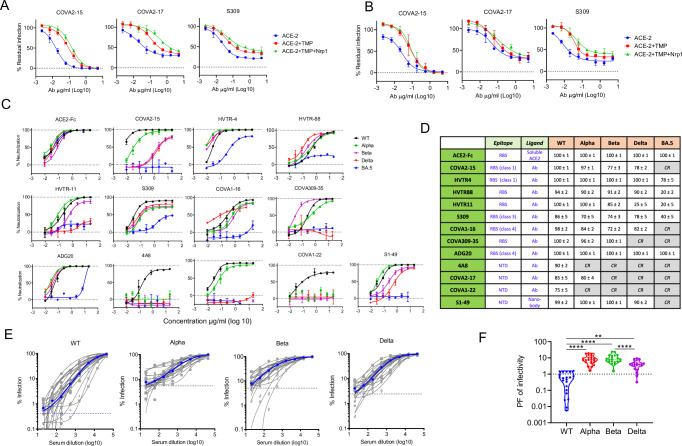 Figure 1
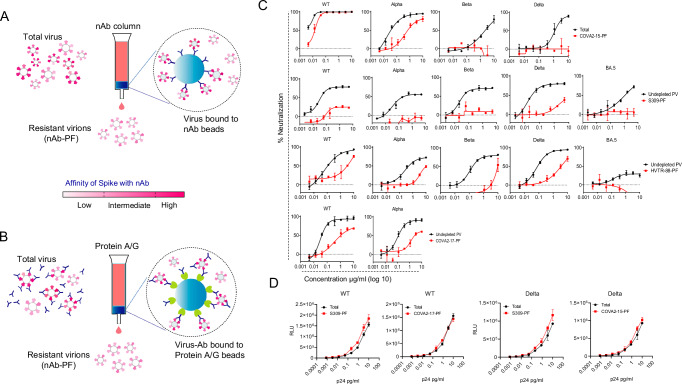 Figure 2
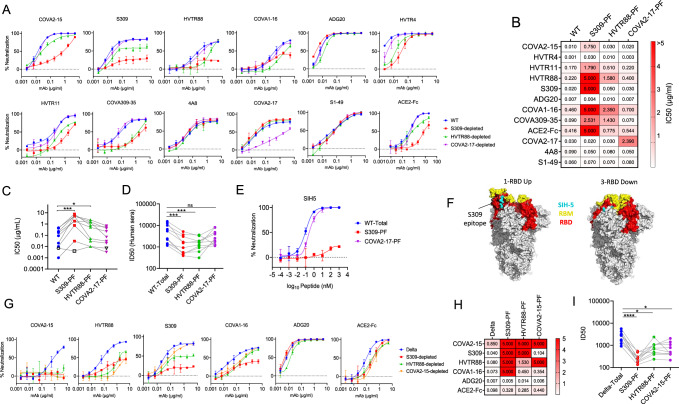 Figure 3
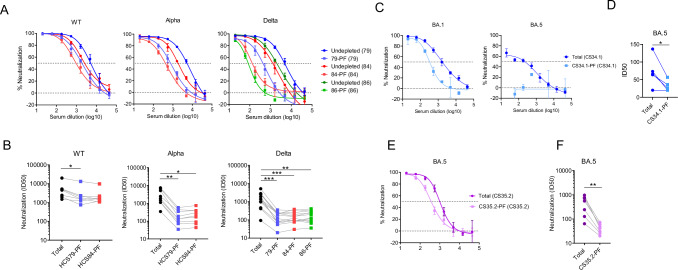 Figure 4
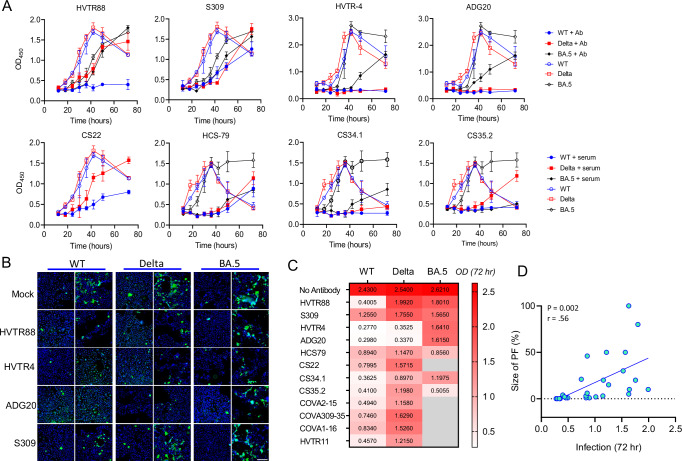 Figure 5
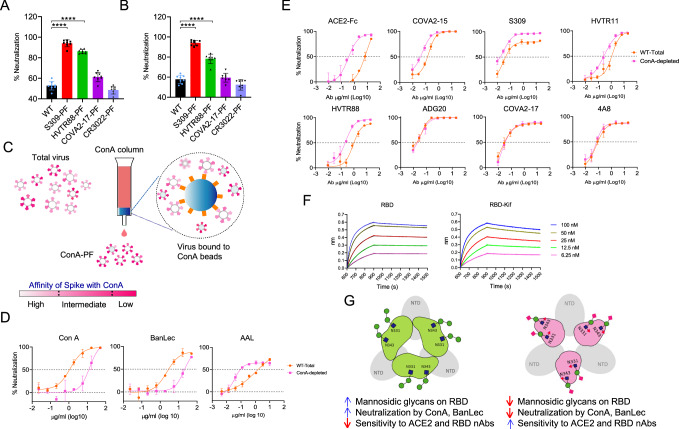 Figure 6
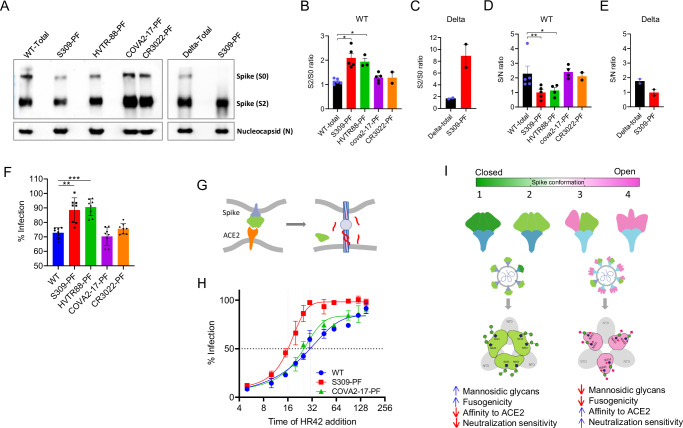 Figure 7
Peer Reviews
No public reviews on file for this paper yet. If you reviewed it on a platform where reviews are public (OpenReview, ICLR, NeurIPS, ICML), you can paste yours below so the community can read it here.
Videos
No videos yet. Explain this paper in a talk, walkthrough, or lecture? Add one.
Taxonomy
TopicsSARS-CoV-2 and COVID-19 Research · Animal Virus Infections Studies · Viral Infections and Immunology Research