Right Ventricular Myocardial Strain and Proteomic Analysis of Fetuses With Left Ventricular Hypoplasia: A Cross‐Sectional Study
Jing Ma, Sushan Xiao, Liu Hong, Juanjuan Liu, Shi Jiawei, Yi Zhang, Li Cui, Haiyan Cao, Mingxing Xie, Li Zhang

TL;DR
This study finds that fetuses with left ventricular hypoplasia have reduced right ventricular function and altered protein expression, suggesting early developmental issues affecting both sides of the heart.
Contribution
The study reveals novel molecular mechanisms of right ventricular dysfunction in left ventricular hypoplasia fetuses through proteomic analysis and strain measurements.
Findings
RV global longitudinal strain was significantly lower in LVH fetuses compared to controls.
144 differentially expressed proteins in LVH fetuses were linked to extracellular matrix, cytoskeleton, and DNA replication pathways.
Key factors affecting RV function included RV/LV ratio, LV sphericity index, and LV end-diastolic dimension z-score.
Abstract
Decreased right ventricular (RV) function in fetuses with left ventricular hypoplasia (LVH) increases the risk of adverse outcome. This study aimed to quantitatively evaluate RV myocardial function prenatally in LVH, and explore the relevant mechanism from protein expression. 81 singleton fetuses diagnosed with LVH and 81 normal controls were retrospectively included. We used RV global longitudinal strain (RVGLS) derived from two‐dimensional speckle tracking imaging to evaluate RV myocardial function and “XGboost” algorithm to select effective factors affecting RV myocardial function in fetuses with LVH. Bioinformatics analysis was performed for differentially expressed proteins between specimens with LVH and normal fetuses. In LVH fetuses, RVGLS was significantly lower in fetuses with LVH than in controls (p < 0.001). “XGboost” model showed that RV/LV ratio, LV sphericity index,…
Genes, proteins, chemicals, diseases, species, mutations and cell lines named across the full text — each resolved to its canonical identifier and authoritative record.
Click any figure to enlarge with its caption.
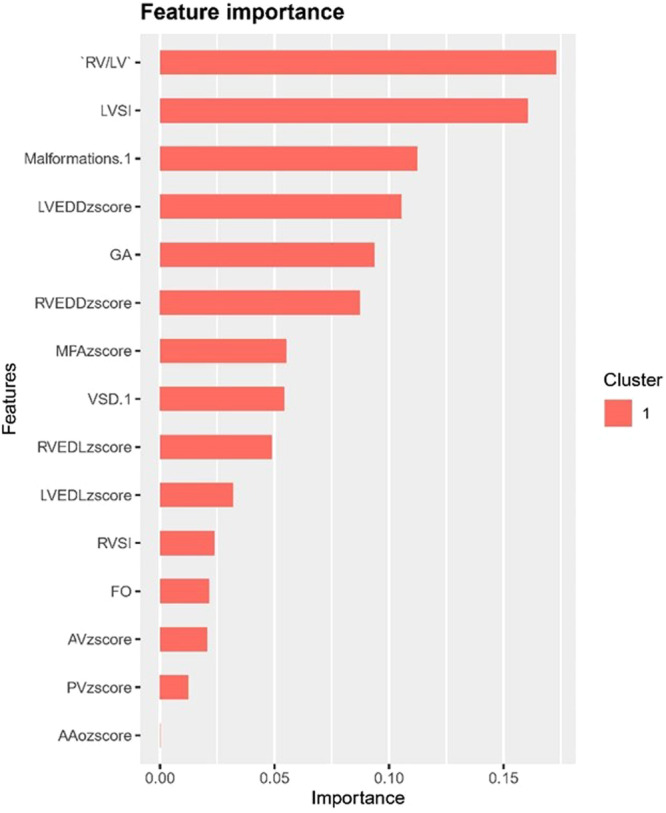 Figure 1
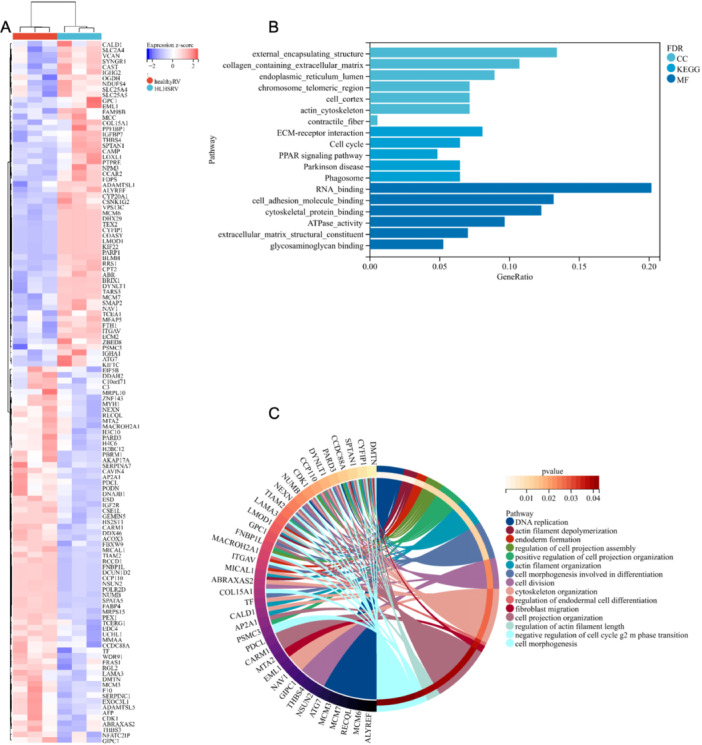 Figure 2
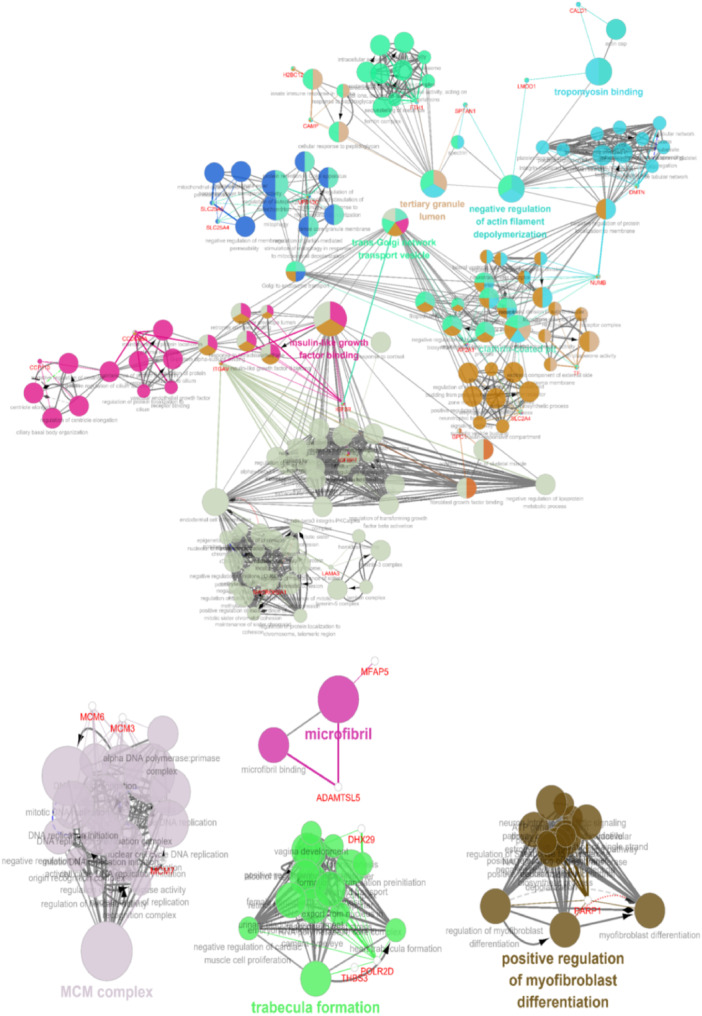 Figure 3
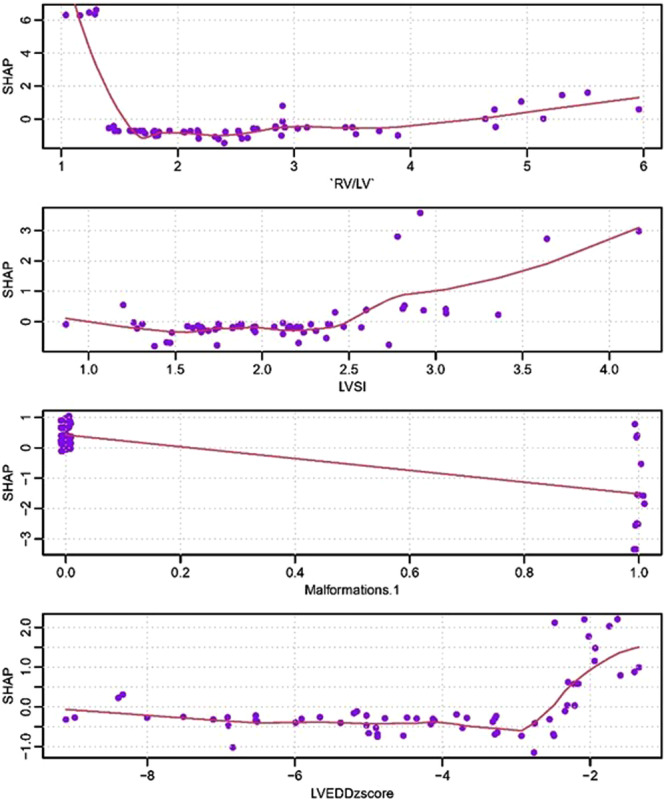 Figure 4
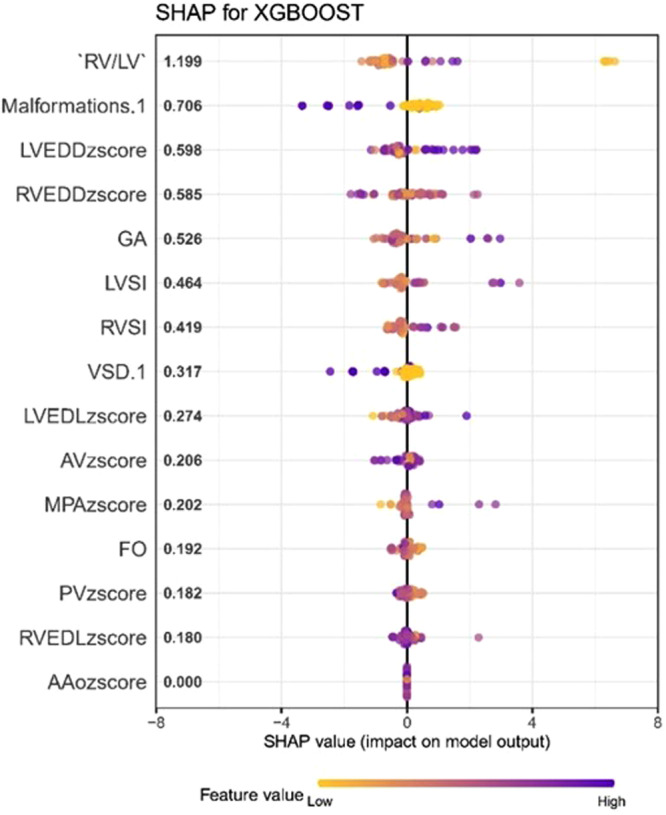 Figure 5
Peer Reviews
No public reviews on file for this paper yet. If you reviewed it on a platform where reviews are public (OpenReview, ICLR, NeurIPS, ICML), you can paste yours below so the community can read it here.
Videos
No videos yet. Explain this paper in a talk, walkthrough, or lecture? Add one.
Taxonomy
TopicsCongenital heart defects research · Cardiovascular Effects of Exercise · Congenital Heart Disease Studies