Dynamic changes of natural killer cell immunophenotypes and receptors according to the mortality in the intra-abdominal murine sepsis model
Sang Hoon Han, Yeon-Mi Hong, Dayeong Kim, Eun Hwa Lee, Hye Seong

TL;DR
This study examines how natural killer cells change in mice with sepsis and finds that their recovery is linked to survival, while persistent suppression is linked to death.
Contribution
The study identifies dynamic changes in NK cell immunophenotypes and receptors in a murine sepsis model, linking their recovery to survival and suppression to mortality.
Findings
In mice with mid-grade sepsis, natural killer cell activity was initially suppressed but recovered by day 7.
Recovery was marked by increased activating receptors, decreased inhibitory receptors, and higher granzyme B levels.
High-grade sepsis was associated with persistent suppression of natural killer cell activity and lethal outcomes.
Abstract
Sepsis is a life-threatening infectious syndrome that lacks targeted pharmacological therapies and poses major challenges in reducing mortality and long-term complications such as disability and frailty. Early and intensive intervention is critical to improving prognosis and preventing multiorgan dysfunction. However, alternative treatment strategies are urgently needed for patients who do not respond to guideline-based resuscitation, such as those outlined in the Surviving Sepsis Campaign. Natural killer (NK) cells are key effectors of the innate immune system, and their balanced activity may be crucial in preventing the progression of sepsis. Given conflicting evidence on whether NK cell activity (NKA) is protective or harmful, we investigated NKA in a murine model of intra-abdominal sepsis, assessing activating and inhibitory NK receptors (NKRs), as well as NK cell subsets in whole…
Genes, proteins, chemicals, diseases, species, mutations and cell lines named across the full text — each resolved to its canonical identifier and authoritative record.
Click any figure to enlarge with its caption.
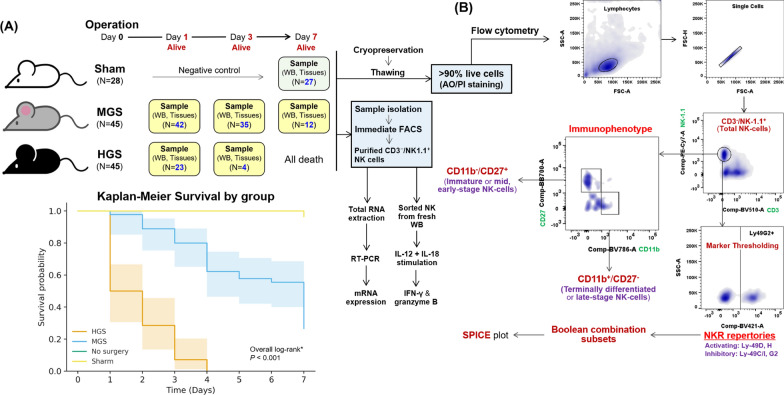 Figure 1
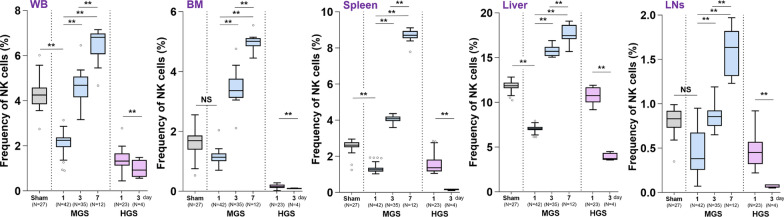 Figure 2
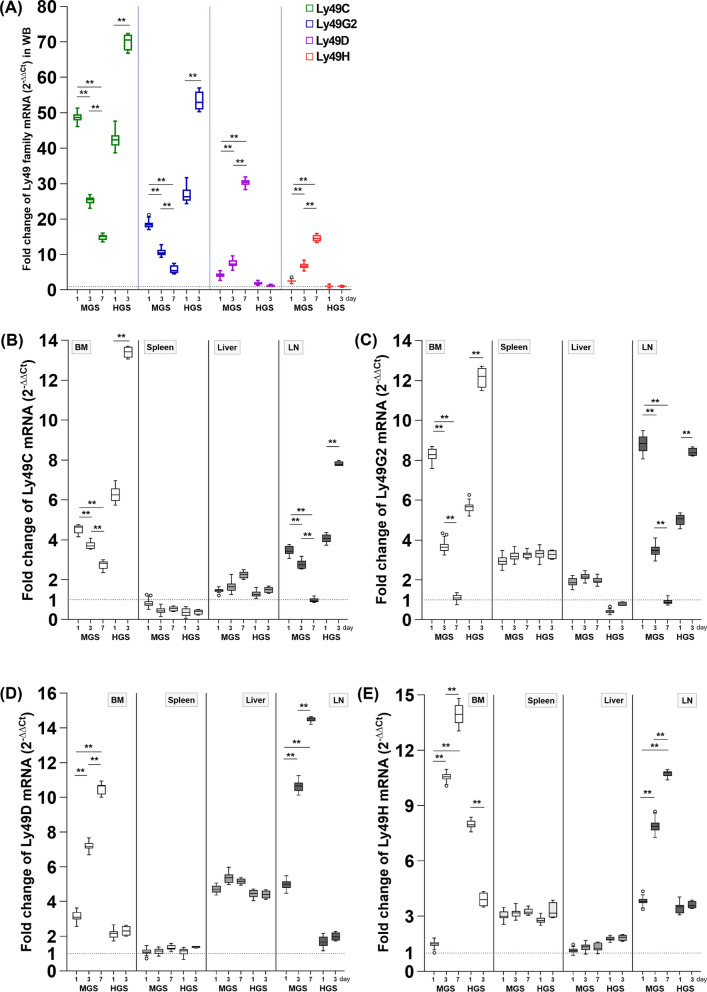 Figure 3
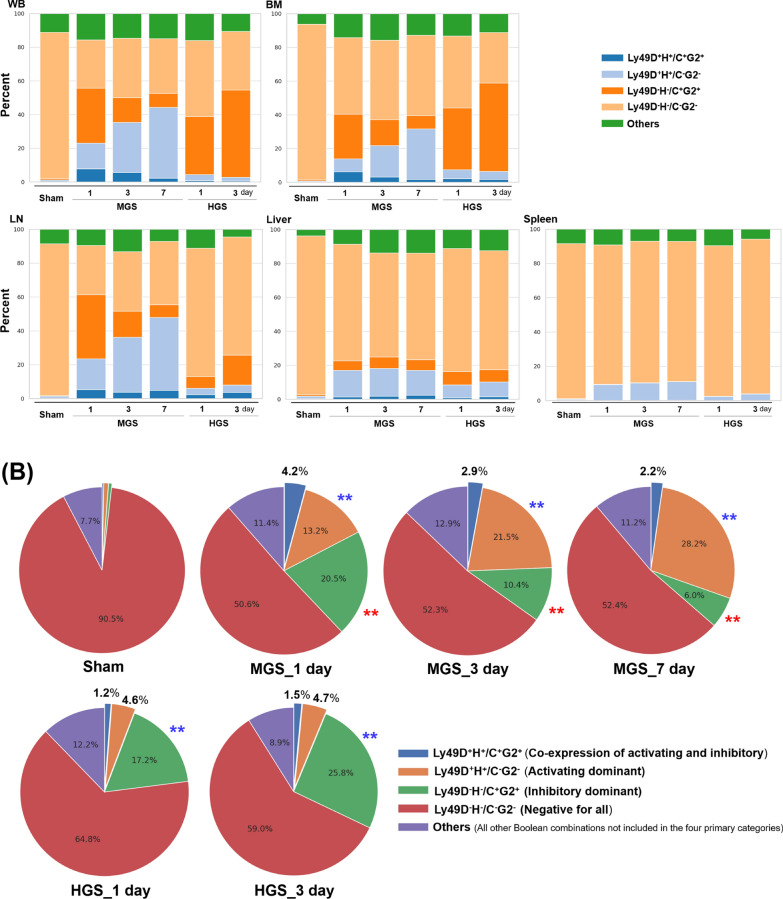 Figure 4
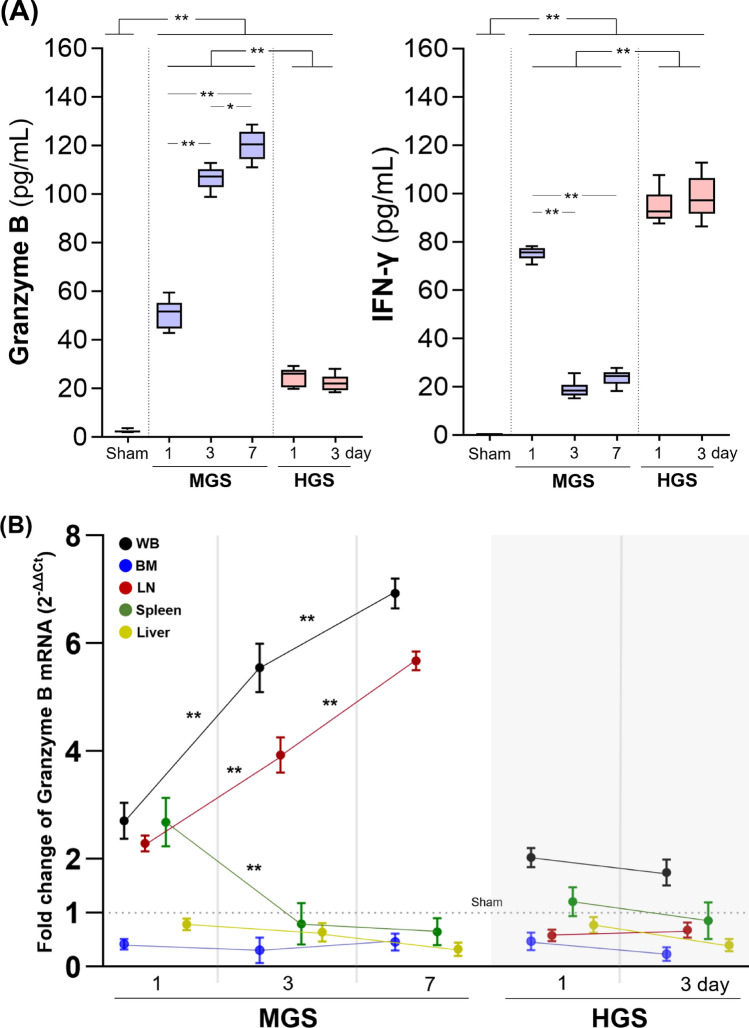 Figure 5
Peer Reviews
No public reviews on file for this paper yet. If you reviewed it on a platform where reviews are public (OpenReview, ICLR, NeurIPS, ICML), you can paste yours below so the community can read it here.
Videos
No videos yet. Explain this paper in a talk, walkthrough, or lecture? Add one.
Taxonomy
TopicsImmune Cell Function and Interaction · Complement system in diseases · Sepsis Diagnosis and Treatment