The CAPE TOWN modified squat and smile test: correlation with fracture union in long bone fractures of the lower limb
Delroy Arnolds, Sithombo Maqungo, Michael Held, Nando Ferreira, Roopam Dey, Robyn Waters, Maritz Laubscher, Simon Matthew Graham

TL;DR
A modified squat and smile test was evaluated for its ability to predict lower limb fracture healing in low-resource settings, but it did not correlate with radiological healing, though it did relate to quality of life.
Contribution
The study evaluates the Cape Town modified squat and smile test as a potential tool for assessing fracture healing in resource-limited settings.
Findings
The CTMSST did not correlate with radiological evidence of fracture union.
Health-related quality-of-life measures correlated significantly with the CTMSST total score and its squat and smile domains.
The support domain of the CTMSST showed no significant correlation with quality-of-life measures.
Abstract
Assessing fracture union remains a significant challenge in low-resource settings, such as those across Sub-Saharan Africa. The original squat and smile test was developed as a potential surrogate measure for lower limb fracture union, aiming to reduce reliance on follow-up radiographs in environments with limited access to imaging. We evaluated the correlation between the (blinded) Cape Town modified squat and smile test (CTMSST) and fracture union following intramedullary nailing of lower limb long bone fractures. We performed a retrospective review of prospectively collected data from the HIV in Orthopaedic Skeletal Trauma study. A total of 180 patients with recorded CTMSST data were included in the analysis. There was no significant correlation between the CTMSST total score, or its individual domains (squat, support, and smile), and radiological evidence of fracture union.…
Genes, proteins, chemicals, diseases, species, mutations and cell lines named across the full text — each resolved to its canonical identifier and authoritative record.
Click any figure to enlarge with its caption.
 Figure 1
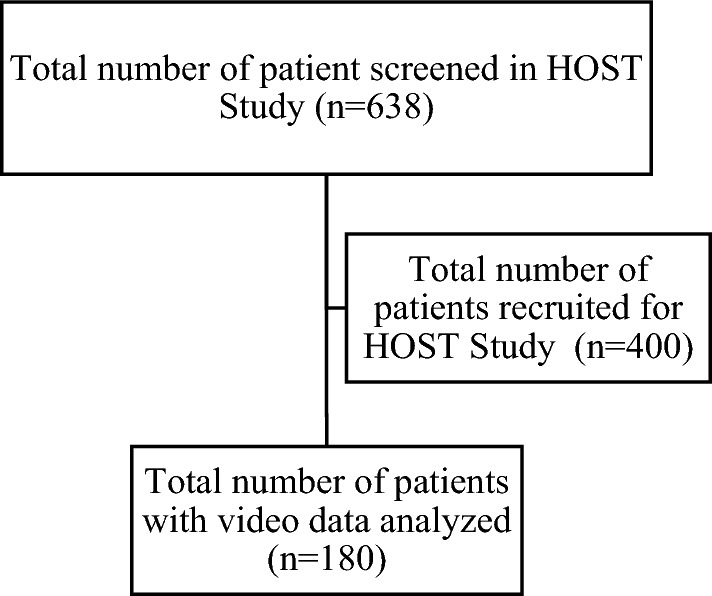 Figure 2
Peer Reviews
No public reviews on file for this paper yet. If you reviewed it on a platform where reviews are public (OpenReview, ICLR, NeurIPS, ICML), you can paste yours below so the community can read it here.
Videos
No videos yet. Explain this paper in a talk, walkthrough, or lecture? Add one.
Taxonomy
TopicsBone fractures and treatments · Orthopedic Surgery and Rehabilitation · Foot and Ankle Surgery